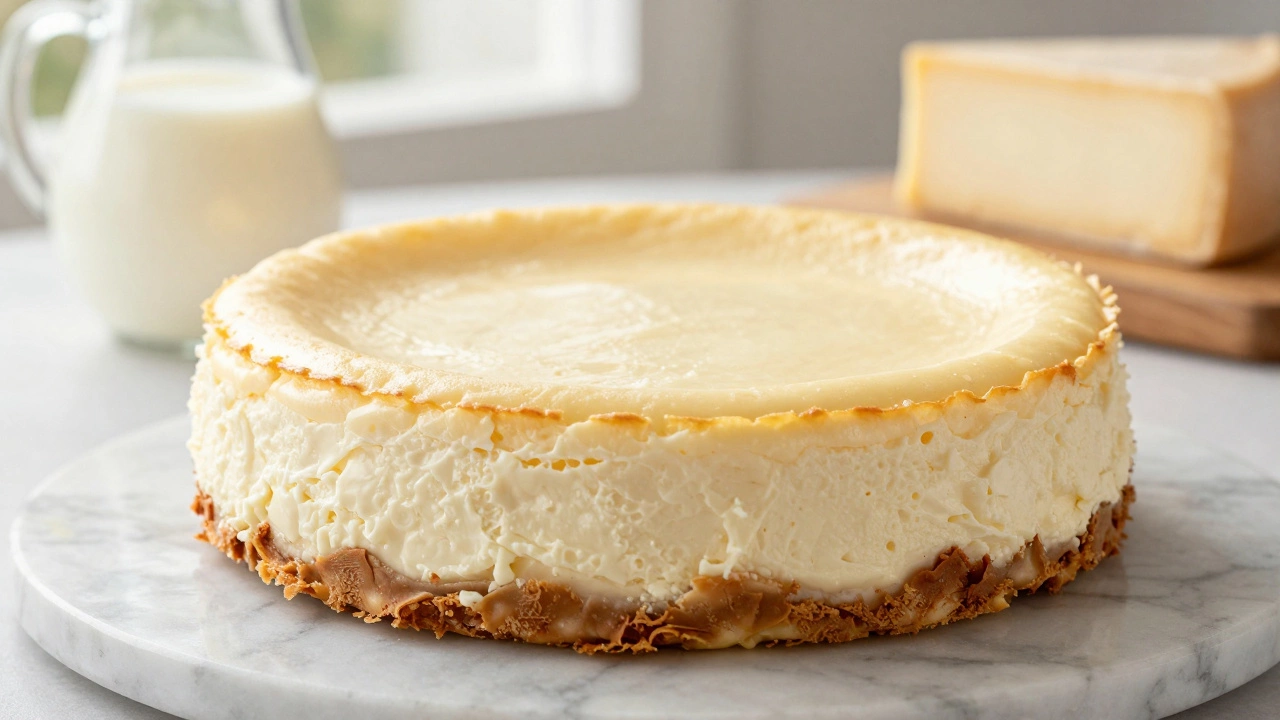
Cheesecake Dairy & Texture Estimator
Have you ever stared at a recipe for cheesecake is a dense, creamy dessert made primarily from cream cheese, sugar, and eggs and wondered why it calls for heavy cream when the main ingredient is already cream cheese? It feels redundant. After all, isn't cream cheese already rich enough?
The short answer is that heavy cream is a dairy product with a high fat content, typically between 36% and 40% changes the game entirely. It doesn't just add more fat; it fundamentally alters the structure of the cake. Without it, you might get a good cheesecake. With it, you get a luxurious, velvety masterpiece that holds its shape perfectly while melting in your mouth.
If you've ever baked a cheesecake that came out rubbery, dry, or prone to cracking, heavy cream might be the missing piece of the puzzle. Let's break down exactly what this ingredient does inside the batter and how it transforms the final result.
The Science of Fat: Why Density Matters
To understand why heavy cream is so effective, we have to look at fat percentages. Standard full-fat cream cheese contains about 33% to 35% milkfat. Heavy cream, on the other hand, packs between 36% and 40% milkfat. When you combine them, you aren't just adding liquid; you are boosting the overall fat ratio of the batter significantly.
Fat is the enemy of gluten development. In cakes that use flour, gluten forms a network that provides structure but can also lead to toughness. While traditional New York-style cheesecakes use very little flour (just enough to stabilize), the fat from the heavy cream coats any existing proteins in the cream cheese. This coating prevents the proteins from tightening up too much during baking. The result? A tender crumb rather than a dense, brick-like block.
Think of it like butter in pastry. You want cold fat to create layers and tenderness. In cheesecake, the emulsified fat from the heavy cream ensures that every bite feels smooth. If you skip the heavy cream and rely solely on cream cheese, the protein-to-fat ratio shifts. The higher relative protein content can cause the cake to set too firmly, leading to that undesirable rubbery texture many home bakers struggle with.
Mouthfeel and Emulsion: The Velvet Effect
Texture isn't just about softness; it's about how the food feels as it melts on your tongue. This is where the concept of emulsion comes into play. Cream cheese is an emulsion of water and fat. Heavy cream is also an emulsion, but with a different balance.
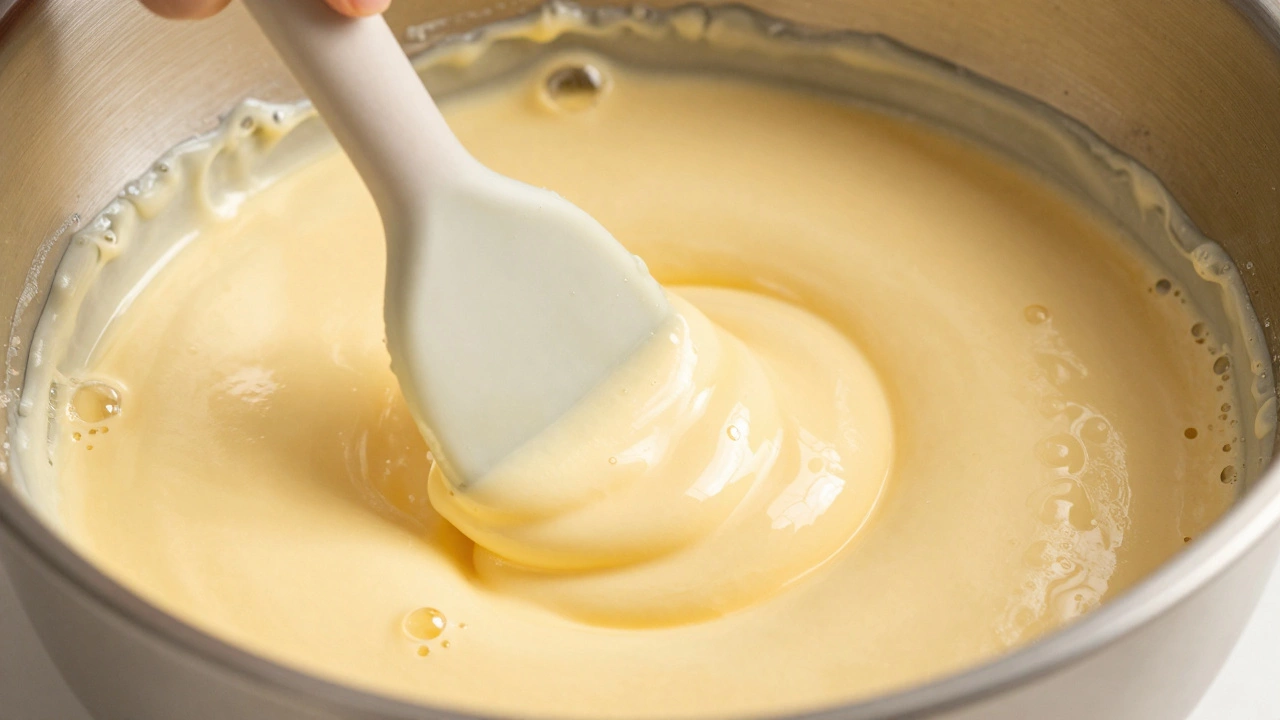
When you blend heavy cream into your cheesecake batter, you are creating a richer, more stable emulsion. The additional fat globules from the cream surround the air bubbles created during mixing. These tiny air pockets are crucial. They give the cheesecake a light, airy quality despite its density. Without the extra fat to stabilize these bubbles, they collapse unevenly during baking, which can lead to a grainy or curdled appearance.
Have you noticed how some cheesecakes feel "dry" even though they are moist? That’s often because there wasn't enough fat to carry the flavor and provide lubrication in the mouth. Heavy cream acts as a carrier for fat-soluble flavors. Vanilla, chocolate, and fruit extracts bind better with fat than with water. By increasing the fat content with heavy cream, you actually make the flavors pop more intensely. The taste becomes rounder and deeper, not just sweeter.
Preventing Cracks and Shrinking
Cracking is the number one complaint among cheesecake bakers. We’ve all seen those dramatic splits running across the top of our hard work. While temperature control plays a huge role here, the composition of the batter matters just as much.
Cheesecakes crack when they shrink rapidly as they cool. This shrinkage happens because the protein matrix tightens as it loses heat. High-protein, low-fat batters shrink more aggressively. By adding heavy cream, you dilute the protein concentration relative to the fat. Fat doesn't contract like protein does. It stays pliable. This flexibility allows the cheesecake to settle gently as it cools without tearing itself apart.
Additionally, heavy cream helps regulate moisture loss. During the long bake time required for cheesecakes, water evaporates from the surface. A higher fat content creates a barrier that slows down this evaporation. The surface stays slightly softer for longer, reducing the tension that leads to cracks. If you’re looking for a flawless top, heavy cream is your best friend alongside proper cooling techniques.
Heavy Cream vs. Other Dairy Substitutes
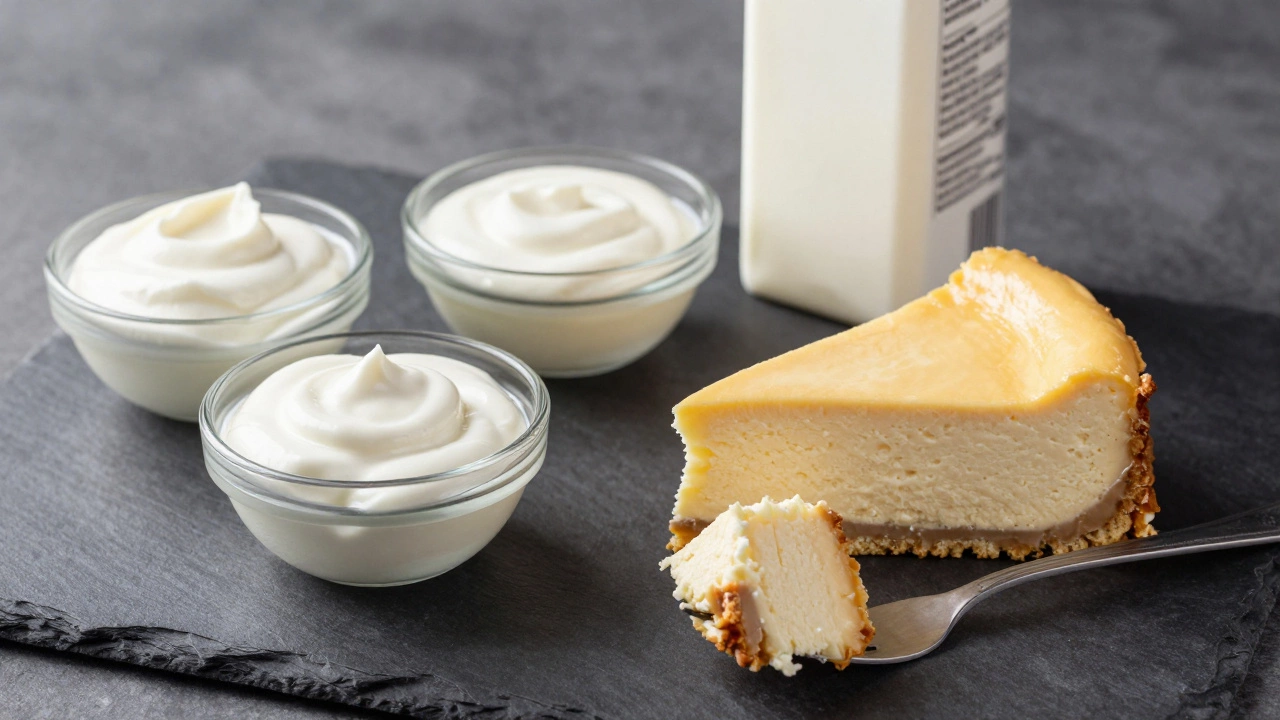
You might be wondering if you can swap heavy cream for something else. Can you use half-and-half? What about sour cream or Greek yogurt? Each alternative brings different properties to the table, and none replicate the exact function of heavy cream.
| Ingredient | Fat Content | Effect on Texture | Best Use Case |
|---|---|---|---|
| Heavy Cream | 36-40% | Rich, velvety, stable | Luxury texture, crack prevention |
| Half-and-Half | 10-18% | Lighter, less rich | Reduced calorie versions |
| Sour Cream | 14-20% | Tangy, denser, moist | Adds acidity, cuts sweetness |
| Greek Yogurt | 0-10% | Firm, tangy, lighter | Healthier alternatives |
| Whipping Cream | 30-36% | Slightly less stable | Acceptable substitute |
Using half-and-half will result in a cheesecake that is noticeably less rich. The lower fat content means the proteins will dominate, potentially leading to a firmer, slightly chewier texture. Sour cream adds a wonderful tang and keeps the cake moist, but it introduces acidity and water content that can change the setting behavior. It won't give you that same silky smoothness.
Greek yogurt is popular for lighter recipes, but it behaves differently. It sets harder due to its protein structure. If you replace heavy cream with yogurt, expect a firmer slice that holds its shape well but lacks the melt-in-your-mouth quality. For the classic, indulgent experience, heavy cream is unmatched.
How Much Heavy Cream Should You Use?
There is no single rule for how much heavy cream to add, but ratios matter. A standard guideline is to use about 1/2 cup of heavy cream for every 16 ounces (one block) of cream cheese. However, this depends on the type of cheesecake you are making.
For a dense New York-style cheesecake, you might use less cream, perhaps 1/4 cup per block, relying on egg yolks for richness. For a lighter, fluffier French-style cheesecake, you might increase the cream or even fold in whipped cream. The key is balance. Too much heavy cream can make the batter too loose, causing it to run over the sides of the pan or take excessively long to set. Too little, and you miss out on the textural benefits.
When adding heavy cream, always ensure it is at room temperature. Cold cream can shock the cream cheese, leading to lumps that are difficult to blend out. Smooth batter equals smooth cheesecake. Mix gently to avoid incorporating too much air, which can cause large bubbles to form during baking.
Troubleshooting Common Issues
Even with heavy cream, things can go wrong. Here are a few common scenarios and how to adjust.
- Grainy Texture: If your cheesecake feels gritty, you may have over-beaten the batter after adding the eggs and cream. Over-mixing incorporates too much air and breaks the emulsion. Mix on low speed until just combined.
- Too Dense: If the cake is still heavy despite using heavy cream, check your cream cheese. Older cream cheese has less moisture and can be drier. Ensure your cream cheese is fresh and fully softened before mixing.
- Soggy Bottom: Heavy cream adds moisture. If your crust is getting soggy, pre-bake the crust for 10 minutes at 350°F (175°C) before adding the filling. This creates a barrier against the wet batter.
- Not Setting: If the center is still jiggly after cooling, you may have used too much heavy cream relative to the eggs. Eggs provide the structure that sets the cake. Increase the number of egg yolks next time to counterbalance the extra fat.
Final Thoughts on Richness
Heavy cream is not just an optional extra in cheesecake; it is a structural component that defines the luxury of the dessert. It boosts fat content for tenderness, stabilizes the emulsion for a smooth mouthfeel, and prevents cracking by managing protein contraction. While substitutes exist, they each trade off something-richness, texture, or stability-that heavy cream delivers seamlessly.
Next time you reach for that tub of cream cheese, grab a carton of heavy cream too. Your palate will thank you for the difference in depth, smoothness, and elegance. Baking is science, but it’s also about indulgence. Heavy cream gives you both.
Can I use whipping cream instead of heavy cream in cheesecake?
Yes, you can use whipping cream as a substitute. Whipping cream typically has a fat content of 30-36%, which is slightly lower than heavy cream (36-40%). The difference is minimal for most recipes, and the texture will remain rich and creamy. However, heavy cream is slightly more stable, so if you are folding whipped cream into the batter, heavy cream yields stiffer peaks.
Does heavy cream make cheesecake healthier?
No, heavy cream does not make cheesecake healthier. It increases the calorie count and saturated fat content. If you are looking for a lighter option, consider using Greek yogurt or light sour cream, though this will alter the texture and richness of the final product.
Why is my cheesecake rubbery even with heavy cream?
If your cheesecake is rubbery, you likely over-mixed the batter or baked it at too high a temperature. Over-mixing develops the proteins in the cream cheese, making them tough. Heavy cream helps prevent this, but it cannot fix batter that was beaten vigorously for too long. Always mix on low speed and bake in a water bath to ensure gentle, even cooking.
Can I leave out heavy cream from my cheesecake recipe?
You can leave out heavy cream, but the texture will change. The cheesecake will be denser and potentially firmer. To compensate for the lost moisture and fat, you can add an extra egg yolk or a tablespoon of sour cream. However, you will lose some of the luxurious mouthfeel that heavy cream provides.
Should I whip the heavy cream before adding it to cheesecake?
It depends on the style of cheesecake. For a dense, New York-style cheesecake, you usually pour the heavy cream directly into the batter. For a lighter, fluffier cheesecake, you can whip the heavy cream to soft peaks and fold it in gently. This incorporates air, resulting in a soufflé-like texture. Be careful not to deflate the mixture when folding.