Fudge Doneness & Troubleshooter
Enter the temperature of your boiling sugar mixture to see if it has reached the Soft-Ball Stage.
Describe the problem with your finished fudge to get a solution.
There is nothing quite as heartbreaking as pulling a pot of bubbling sugar off the heat, pouring it into a tin, and waiting only to find a grainy mess or a hard lump that you can’t even cut. Making fudge is a confection made by boiling sugar, butter, and milk until it reaches a specific consistency. It requires precision, not just mixing ingredients. The difference between silky smooth chocolate fudge and a disaster in a bowl comes down to one thing: knowing exactly when to stop cooking.
You might be wondering if there is a foolproof way to check this without buying expensive equipment. While experience helps, science provides the answer. If you are looking for other resources while you wait for your sugar to boil, you might find interesting listings at this directory, though we will stay focused on keeping your kitchen sweet and simple.
The Science Behind the Set
To understand how to tell when fudge is done, you need to understand what is happening in that pot. You are essentially making a supersaturated sugar solution. As water evaporates from the milk and cream, the concentration of sugar increases. Eventually, the mixture becomes so thick with sugar crystals that it solidifies as it cools.
If you cook it too little, there is still too much water left. The fudge will remain soft, sticky, and never set properly. If you cook it too long, you remove too much water. The result is a hard, brittle slab that cracks when you try to slice it. The goal is the "Goldilocks" zone: just right.
This process relies on sugar crystallization is the formation of solid sugar structures from a liquid solution during cooling. Controlling these crystals is key. We want them to be microscopic, which creates that smooth mouthfeel. If they grow too large, the fudge tastes sandy or gritty. This is why beating the mixture after it cools slightly is crucial-it forces tiny crystals to form.
The Gold Standard: Using a Candy Thermometer
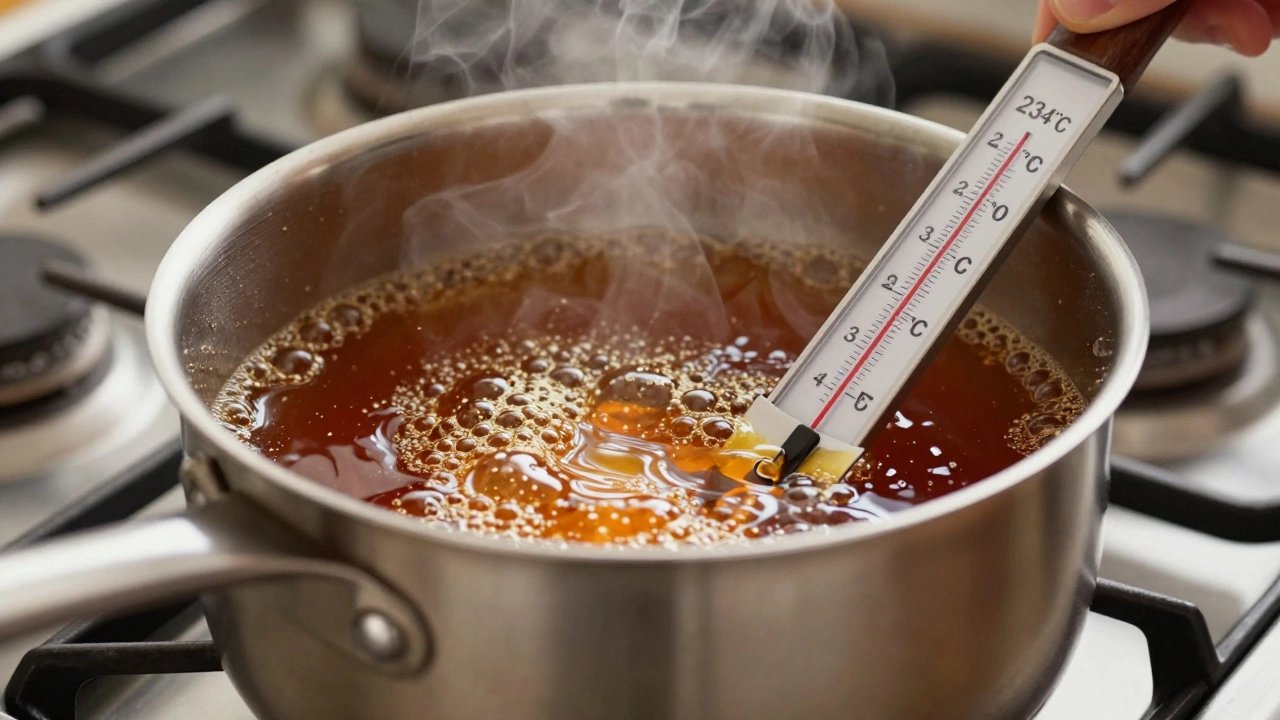
The most reliable method for determining doneness is using a candy thermometer is a specialized kitchen tool designed to measure high temperatures for candy making. Unlike regular cooking thermometers, candy thermometers are calibrated for the high heat required in sugar work. They usually clip onto the side of the pot, allowing you to monitor the temperature without stirring constantly, which can introduce unwanted crystals.
For classic fudge, you are aiming for the "soft-ball stage." This is a technical term used in candy making to describe a specific temperature range. Here is what you need to hit:
- Target Temperature: 112°C to 116°C (234°F to 240°F).
- Why this range? At 234°F, the sugar syrup has the perfect ratio of solids to water to set into a creamy texture. Below 234°F, it stays soft. Above 240°F, it gets harder.
Attach the thermometer to the side of a heavy-bottomed saucepan. Make sure the bulb does not touch the bottom of the pan, as this will give you a false reading due to direct heat from the burner. Stir the mixture gently to ensure even heating, but avoid vigorous stirring once it starts boiling.
The Cold Water Test: No Thermometer Needed
Do not have a candy thermometer? Do not panic. You can use the old-fashioned cold water test. This method has been used by bakers for centuries before digital tools existed. It works based on the physical properties of the sugar syrup at different temperatures.
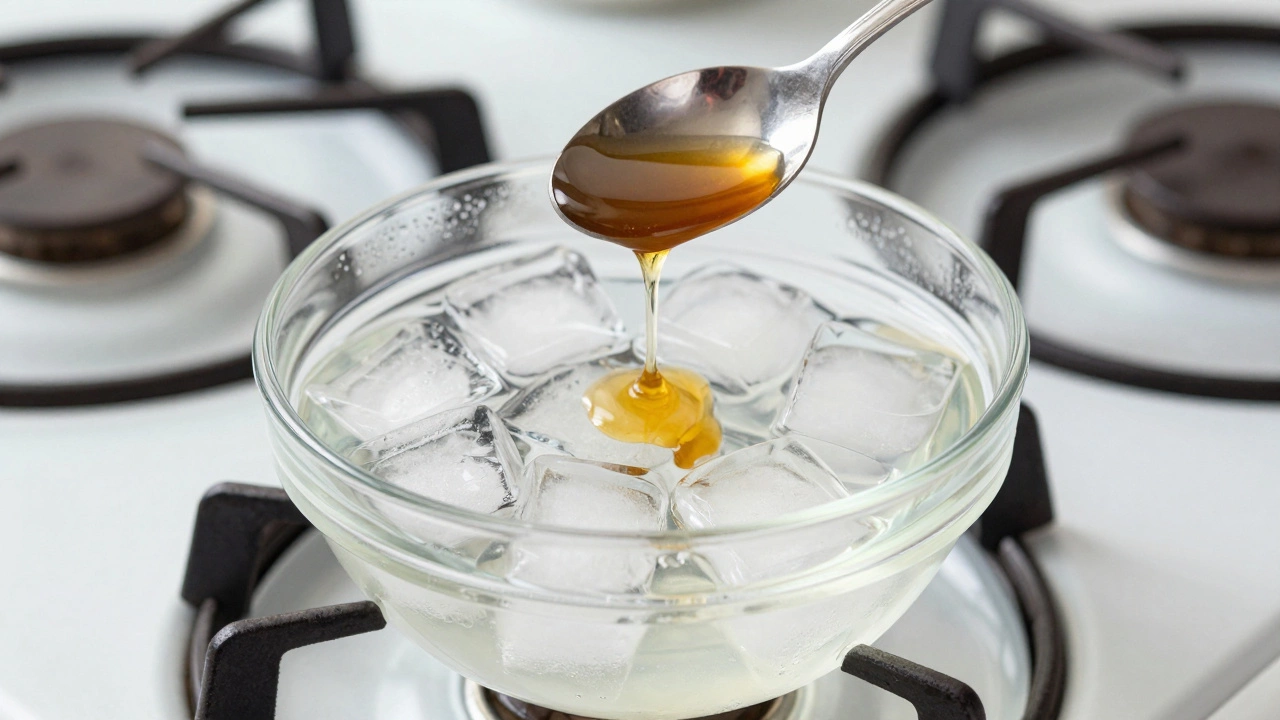
- Prepare a Bowl: Fill a small bowl with very cold water and add a few ice cubes. Place it next to the stove so it is within easy reach.
- Drop a Syrup Sample: Carefully dip a metal spoon into the boiling fudge mixture. Lift it out and let a drop fall into the cold water.
- Check the Texture: Wait a few seconds for the drop to cool. Then, use your fingers to retrieve it from the water.
If the drop forms a soft, pliable ball that flattens when you press it between your thumb and forefinger, you have reached the soft-ball stage. Your fudge is done. If it dissolves back into the water, it needs more time. If it holds its shape firmly and feels hard, you have gone too far.
This test is surprisingly accurate if done correctly. The key is using truly cold water. Room temperature water will not shock the syrup enough to show the true stage quickly. Also, clean your spoon between tests to avoid introducing impurities that could cause premature crystallization.
Visual and Auditory Cues
Even with a thermometer or water test, paying attention to the pot itself helps. Experienced cooks often rely on visual cues to know when the end is near, saving them from constant checking.
Watch the bubbles. In the early stages, the bubbles are large and sparse. As the water evaporates and the mixture thickens, the bubbles become smaller, denser, and faster. Just before reaching the soft-ball stage, the foam around the edges of the pot will start to subside. The surface will look glossy and smooth rather than frothy.
Listen to the sound. A thin syrup boils with a gentle simmer. A thickening fudge mixture makes a heavier, more substantial sound. Some cooks describe it as a "heavy bubble." While this is subjective, combining it with the visual cue of smaller bubbles gives you a strong indication that you are close to the target temperature.
Common Mistakes That Ruin Doneness
Knowing when fudge is done is only half the battle. How you handle it immediately after turning off the heat matters just as much. Many people get the temperature right but still end up with grainy fudge. Here is why.
Stirring During Boiling: Once the mixture begins to boil, do not stir it unless necessary to prevent scorching. Stirring agitates the sugar molecules and encourages large crystal formation. Let it bubble away undisturbed until it hits the target temperature.
Cooling Too Fast: After removing the pot from the heat, let it cool to about 115°F (46°C) before beating it. If you beat it while it is still hot, the crystals won't form properly. If you let it cool completely before beating, it will be too hard to mix. Use a regular kitchen thermometer to monitor this cooling phase.
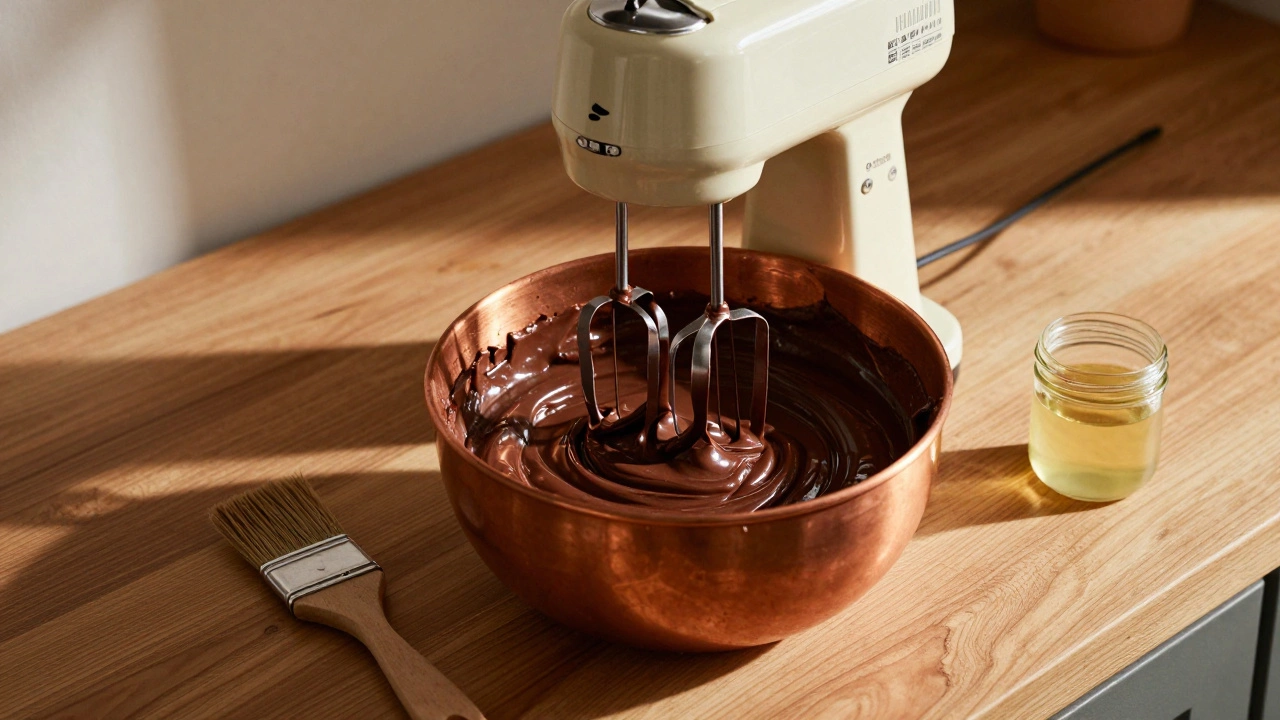
Inadequate Beating: Beating the fudge is what transforms it from a syrup into a solid. Use an electric mixer or a wooden spoon and beat vigorously until the mixture loses its gloss and thickens. This step incorporates air and breaks up any large crystals, ensuring a smooth final product.
| Method | Accuracy | Equipment Needed | Best For |
|---|---|---|---|
| Candy Thermometer | High | Candy Thermometer | Precision baking, beginners |
| Cold Water Test | Medium-High | Bowl, Ice, Spoon | No equipment available |
| Visual/Auditory | Low-Medium | Eyes, Ears | Experienced cooks |
Troubleshooting Your Fudge
What if you think you got it right, but the fudge still didn't set? Or worse, it became rock hard? Here is how to diagnose and fix common issues.
Too Soft/Sticky: This means you undercooked it. There was too much water left in the mixture. Unfortunately, you cannot easily fix this once it has cooled. However, you can reheat the mixture gently, adding a little more sugar if needed, and bring it back to the correct temperature. Then, repeat the cooling and beating process.
Too Hard/Brittle: You overcooked it. Too much water evaporated. To salvage this, you can add a small amount of liquid (milk or cream) and reheat the mixture gently. Bring it back to the soft-ball stage. This dilutes the sugar concentration and allows it to set softer next time.
Grainy/Sandy: This indicates large sugar crystals formed. This usually happens if you stirred too much during boiling or if impurities were introduced. Next time, ensure your pan is clean and avoid stirring once boiling starts. Adding a tablespoon of corn syrup can also help prevent crystallization by interfering with sugar molecule bonding.
Pro Tips for Perfect Fudge Every Time
Making fudge is part art, part science. Here are some expert tips to elevate your results.
- Use Heavy Cream: Full-fat dairy provides the richness and fat content needed for a smooth texture. Low-fat alternatives can lead to a greasy or uneven set.
- Add Corn Syrup: A tablespoon of light corn syrup inhibits crystal growth, ensuring a smoother finish. It is a secret weapon in many professional fudge recipes.
- Clean Your Pan: Any sugar residue on the sides of the pan can act as a seed for large crystals. Wipe the sides with a wet pastry brush during the initial melting phase.
- Beat Until Matte: Continue beating the fudge until it changes from shiny to dull. This is the sign that the crystals have formed and the fudge is ready to pour.
With practice, you will develop an intuition for the feel and look of perfect fudge. But until then, trust the thermometer. It is your best friend in the quest for the ultimate homemade treat.
What happens if I don't have a candy thermometer?
You can use the cold water test. Drop a small amount of the boiling syrup into ice water. If it forms a soft ball that flattens when pressed, it is done. This corresponds to the soft-ball stage of 234-240°F.
Why is my fudge grainy?
Graininess is caused by large sugar crystals forming. This usually happens if you stir the mixture too much while boiling or if there are impurities in the pan. Adding corn syrup can help prevent this by interfering with crystal growth.
Can I make fudge in the microwave?
Yes, but it is harder to control the temperature. Microwave methods often involve melting chocolate and condensed milk, which sets differently than boiled sugar fudge. For traditional boiled fudge, a stovetop is recommended for better temperature control.
How long should I beat the fudge?
Beat the fudge until it thickens and loses its glossy shine, becoming matte. This usually takes 5-10 minutes with an electric mixer. Over-beating can incorporate too much air, making it fluffy rather than dense.
Why did my fudge turn out hard?
Hard fudge means you cooked it too long, removing too much water. To fix it, reheat the fudge with a little milk or cream and bring it back to the soft-ball stage. Then cool and beat again.