Gluten-Free Cake Leavening Calculator
Recommended Additions
0 tsp
Do not exceed this amount
0 tsp
Crucial for structure
There is a persistent myth in the gluten-free kitchen that you must dump extra baking powder into your batter to make up for the lack of gluten. You might have seen recipes calling for two or even three teaspoons where a standard wheat recipe uses one. It sounds logical on the surface: if gluten provides structure, maybe chemical lift needs to do the heavy lifting. But here is the reality check-adding more baking powder rarely fixes a dense cake and often creates a new set of problems.
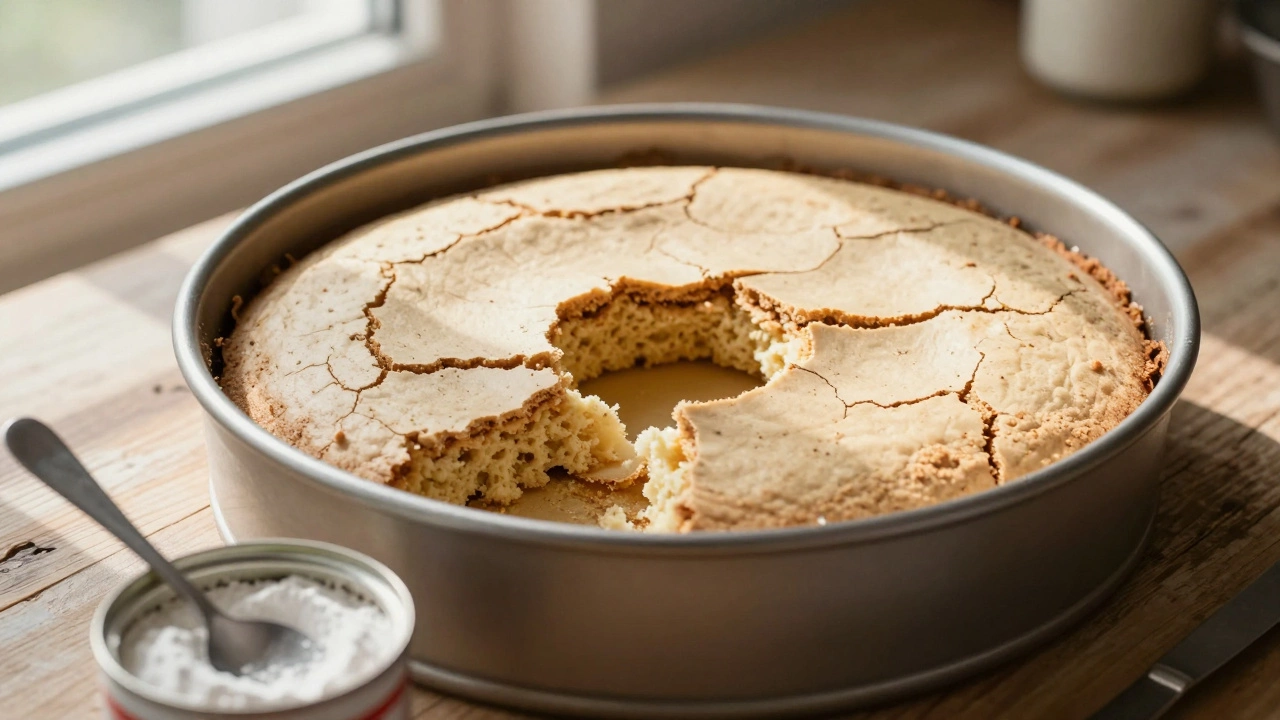
In fact, over-leavening is one of the most common reasons gluten-free cakes fail. Instead of getting a tall, airy crumb, you end up with a cake that rises too fast, collapses in the middle, and tastes distinctly metallic or soapy. To bake successful gluten-free cakes, you don't need more powder; you need a better understanding of how these flours behave and how to support their rise with the right balance of ingredients.
Why Gluten-Free Flour Behaves Differently
To understand why the "more powder" rule is flawed, we first need to look at what gluten actually does. In traditional baking, gluten forms an elastic network that traps gas bubbles produced by yeast or baking powder. This network holds the air in place while the cake sets in the oven. Without gluten, that net disappears. The batter has nothing to hold onto the expanding gases.
Gluten-free flour blends are typically made from rice flour, tapioca starch, potato starch, or almond meal. These ingredients are dense and lack elasticity. If you simply add more baking powder, you create a massive amount of carbon dioxide gas very quickly. Because there is no gluten net to catch it, the bubbles expand rapidly, burst through the weak batter structure, and escape. The result? A cake that looks promising in the first ten minutes but deflates like a punctured balloon before it finishes baking.
The solution isn't more gas; it's stronger walls. You need ingredients that can mimic the structural integrity of gluten without relying on excessive chemical leaveners.
The Risks of Adding Extra Baking Powder
When you increase the amount of baking powder beyond what a tested recipe calls for, you introduce several specific risks that ruin the texture and flavor of your cake.
- Metallic Aftertaste: Baking powder contains aluminum (in many commercial brands) or sodium bicarbonate. Too much of it leaves a bitter, chalky, or metallic taste that is impossible to mask with sugar or vanilla.
- Coarse Crumb: Excessive leavening creates large, uneven air pockets. Instead of a fine, tender crumb, your cake ends up looking like Swiss cheese with tunnels running through it.
- Collapse: As mentioned, the rapid expansion overwhelms the batter. The cake rises high, peaks, and then falls flat as the heat dissipates and the unsupported structure gives way.
- Dryness: Chemical leaveners require moisture to activate. Overusing them can draw out moisture from the surrounding batter, leading to a dry, crumbly final product.
If your current gluten-free cake recipe is failing, doubling the baking powder is likely making things worse, not better.
What Actually Helps Gluten-Free Cakes Rise
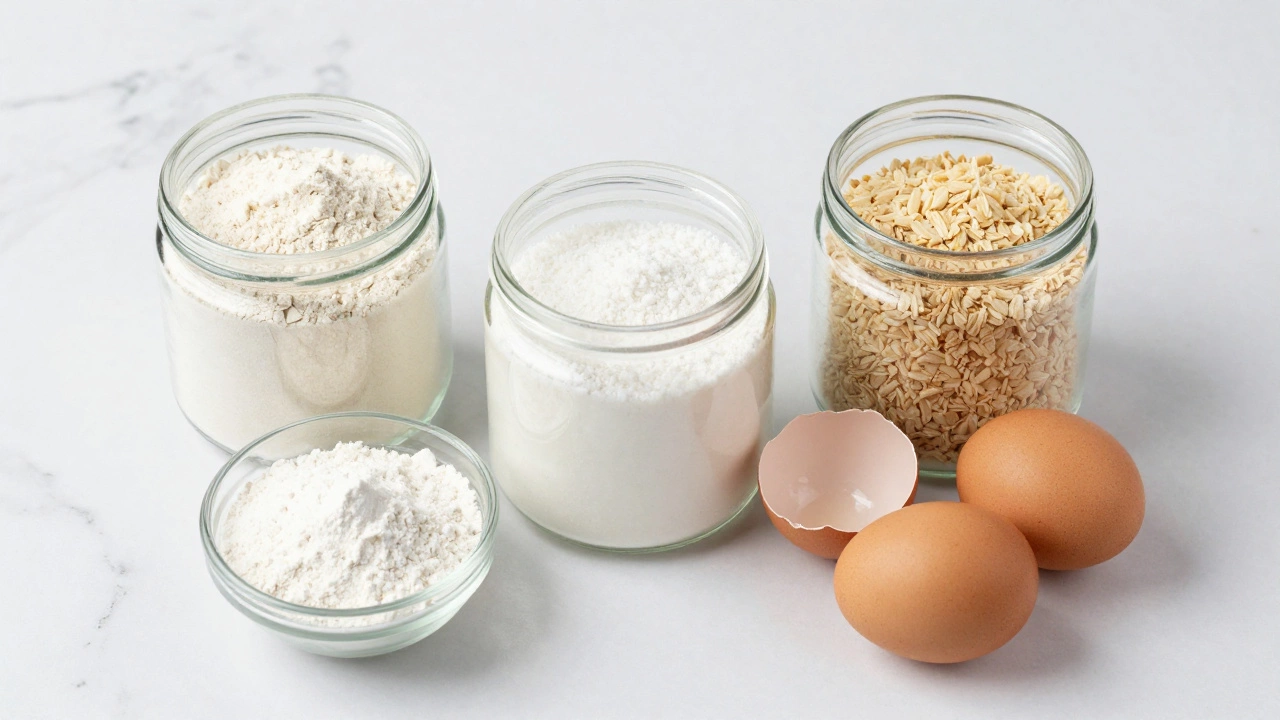
Since we aren't adding more powder, what should we do? The secret lies in binding agents and proper technique. These elements provide the "net" that gluten usually supplies.
Xanthan Gum and Guar Gum
Xanthan gum is the unsung hero of gluten-free baking. This polysaccharide acts as a binder and thickener. When added to flour blends, it creates a viscous matrix that traps gas bubbles effectively. Most high-quality gluten-free all-purpose flours already contain xanthan gum. If yours doesn't, you typically need about half a teaspoon per cup of flour. This small addition provides enough structure to hold the gas created by the standard amount of baking powder, eliminating the need to add more leavener.
Eggs as Structural Support
Eggs are crucial in gluten-free baking. They provide protein and fat, which contribute to structure and tenderness. Specifically, egg whites can be whipped to stiff peaks and folded into the batter. This introduces stable air bubbles that are mechanically trapped rather than chemically generated. This technique, often used in sponge cakes and chiffon cakes, allows you to use less baking powder because the physical aeration does much of the work.
Acid-Base Reactions
Sometimes, swapping ingredients can improve lift without changing the quantity of leavener. Using buttermilk, yogurt, or lemon juice in your recipe activates the baking soda component of baking powder more efficiently. This ensures that every bit of leavener works harder, providing a steady rise rather than a sudden burst.
Choosing the Right Flour Blend
Not all gluten-free flours are created equal. The composition of your flour blend dictates how much leavening it can support. A blend that is heavy on rice flour will be denser and may feel like it needs more lift, but again, more powder won't fix density-it will just make it taste bad.
| Flour Type | Texture Profile | Best Used For | Leavening Needs |
|---|---|---|---|
| Rice Flour (White) | Dense, grainy | Blends, cookies | Standard amounts |
| Tapioca Starch | Chewy, light | Pancakes, crepes | Low to standard |
| Almond Flour | Dense, moist, rich | Brownies, macaroons | Minimal (relies on eggs) |
| Oat Flour | Heavy, hearty | Muffins, quick breads | Standard amounts |
| Commercial GF Blend | Balanced, versatile | All-purpose cakes | Follow package instructions |
For cakes, a commercial blend that includes starches (like tapioca or potato) alongside heavier flours (like rice or sorghum) usually yields the best results. These blends are engineered to rise properly with standard leavening ratios.
Technique Tips for Better Rise
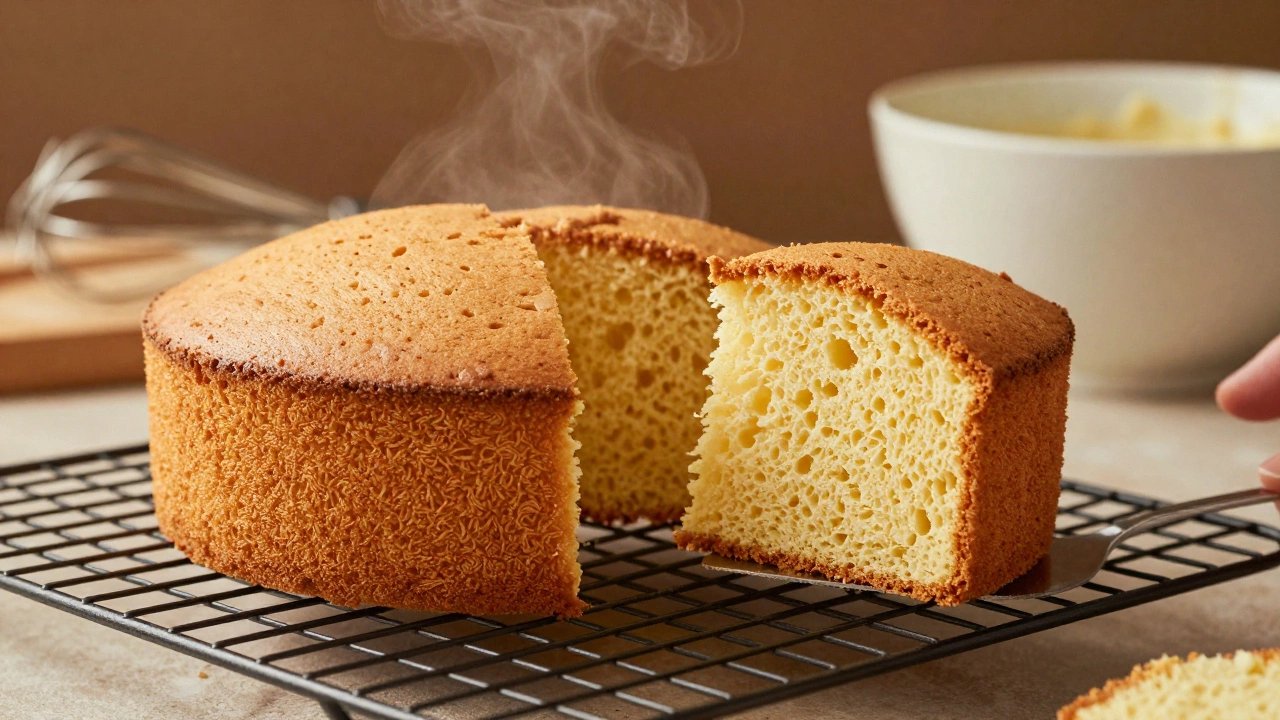
Beyond ingredients, your method matters significantly. Here are practical steps to ensure your gluten-free cake rises well without tweaking the baking powder.
- Don't Overmix: While gluten-free batters can handle more mixing than wheat batters, over-beating can deflate any air you've incorporated. Mix until just combined after adding wet ingredients.
- Fold Gently: If you are using whipped egg whites or stiffly beaten cream, fold them into the batter gently with a spatula. Cut down through the center and sweep around the edge. This preserves the air bubbles.
- Check Oven Temperature: Gluten-free cakes often benefit from a slightly lower oven temperature (around 170°C / 340°F) baked for a longer time. This allows the structure to set gradually before the top crusts over and prevents cracking.
- Use Pan Size Correctly: If the batter is too deep in the pan, the center won't cook before the edges dry out, leading to collapse. Use the pan size specified in the recipe. If substituting, adjust baking time accordingly.
- Let It Cool in the Pan: Gluten-free cakes are fragile when hot. Letting them cool in the pan for 10-15 minutes allows the structure to stabilize before you attempt to remove them.
When Might You Adjust Leavening?
Are there ever times when you should change the amount of baking powder? Yes, but rarely by increasing it. You might decrease it if:
- Your flour blend already contains leavening: Some commercial mixes include baking powder. Check the label. If it does, reduce or eliminate additional baking powder.
- You are using fresh baking powder: Old baking powder loses potency. If your powder is old, replace it rather than adding more. Fresh powder works exactly as intended.
- You are adapting a wheat recipe: If converting a wheat recipe to gluten-free, start with the same amount of baking powder. Add xanthan gum if missing. Only adjust after testing.
In summary, the goal is balance. A good gluten-free cake relies on a sturdy flour blend, adequate binding agents like xanthan gum, and proper technique-not a overdose of chemical leaveners.
Can I substitute baking soda for baking powder in gluten-free cakes?
Yes, but you must adjust the ratio and add an acid. Baking soda is four times stronger than baking powder. Use one-fourth the amount of baking soda and add an acidic ingredient like buttermilk, yogurt, or lemon juice to activate it. Without acid, baking soda will leave a bitter taste and won't produce enough lift.
Why does my gluten-free cake collapse in the middle?
Collapse is usually caused by underbaking, opening the oven door too early, or using too much leavening. The structure hasn't set before the gas escapes. Ensure your cake is fully baked by inserting a skewer into the center; it should come out clean. Also, avoid moving the cake during the first 20 minutes of baking.
Does xanthan gum affect the taste of gluten-free cakes?
In correct amounts (usually 1/4 to 1/2 teaspoon per cup of flour), xanthan gum is tasteless. However, too much can create a slimy texture and a slight aftertaste. Stick to recommended quantities to maintain neutral flavor and proper texture.
How long does baking powder last?
Baking powder typically lasts 6-12 months after opening. To test if it's still active, mix a teaspoon with hot water. If it bubbles vigorously, it's good. If not, replace it. Old baking powder leads to dense cakes, which might tempt you to add more, but fresh powder is the real solution.
Can I use almond flour instead of gluten-free blend for cakes?
Almond flour is dense and moist, making it suitable for brownies or pound cakes, but not for light sponge cakes. It lacks the starch needed for a fluffy crumb. If using almond flour, rely heavily on whipped egg whites for lift and use minimal baking powder, as the flour itself is heavy.