Gluten-Free Baking Explorer & Quiz
Select the "Big Nine" categories below to learn about their baking uses and risks. Then take the quiz to test your knowledge!
1. Explore Safe Ingredients
Click a card above to see details.
2. Test Your Knowledge
Quiz Complete!
You are standing in the supermarket aisle, staring at a bag of flour. The label says "wheat," and you know that means trouble. But what about rice? Is it okay? What about oats? This confusion is real. If you have celiac disease or non-celiac gluten sensitivity, eating right feels like walking through a minefield. You want to bake a delicious gluten free cake, but you need safe ingredients first.
Here is the good news: nature gave us plenty of options. You do not need to eat cardboard to avoid gluten. In fact, some of the best-tasting foods on earth are naturally free of this protein. Let’s look at nine specific foods that are safe, tasty, and perfect for your kitchen. We will break down exactly why they work and how to use them.
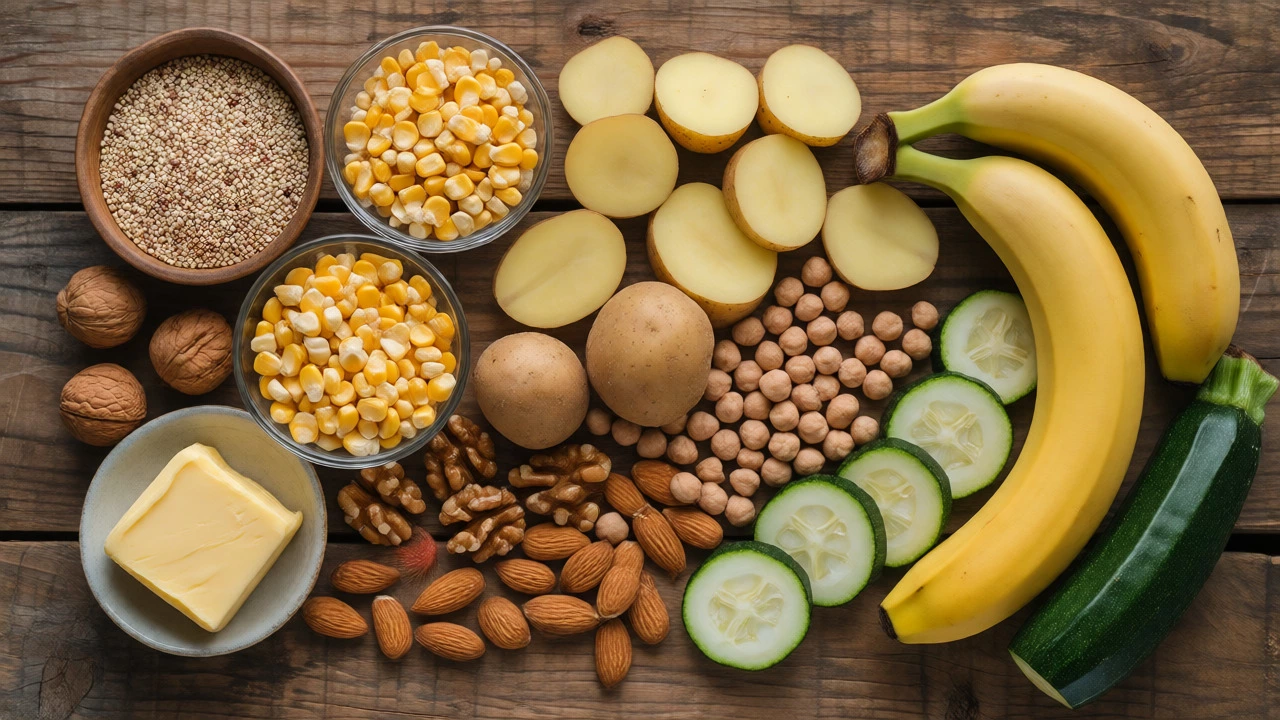
The Big Nine: Safe Foods List
Before we dive into recipes, let’s get the basics straight. These nine categories cover most of your dietary needs. They are distinct from processed "gluten-free" products that often contain additives. These are whole foods.
| Food Category | Is It Naturally GF? | Baking Use | Risk Factor |
|---|---|---|---|
| Rice | Yes | High (Flour/Starch) | Cross-contamination in mills |
| Quinoa | Yes | Medium (Protein boost) | Saponin rinse required |
| Corn | Yes | High (Polenta/Masa) | Few risks if pure |
| Potatoes | Yes | Medium (Starch thickener) | Processed chips may add wheat |
| Legumes | Yes | High (Bean flours) | None if dry/pure |
| Nuts & Seeds | Yes | High (Almond meal) | Shared facility warnings |
| Fruits | Yes | Low (Natural sweetness) | Dried fruit dusting agents |
| Vegetables | Yes | Low (Texture/Fiber) | Canned sauces with thickeners |
| Dairy | Yes | Medium (Structure/Fat) | Flavored yogurts/add-ins |
1. Rice: The Reliable Staple
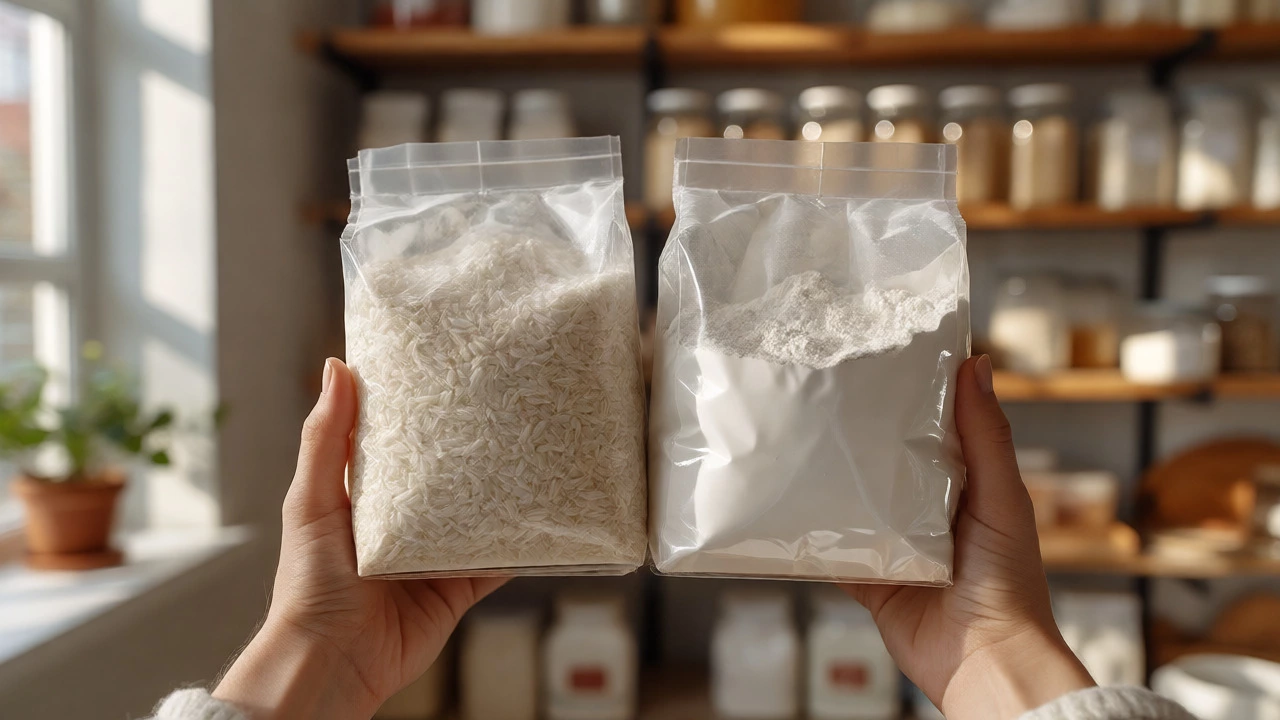
If you ask any baker about gluten-free substitutes, they will mention rice within seconds. It is cheap, widely available, and versatile. White rice, brown rice, black rice-they are all naturally gluten-free. The grain itself contains no wheat proteins.
But here is the catch. Rice flour behaves differently than wheat flour. It lacks elasticity. If you try to make bread using only rice flour, you might end up with a crumbly brick. That is why you rarely see 100% rice flour in complex bakes. Instead, mix it with starches like tapioca or potato starch. This blend mimics the soft texture of traditional sponge cakes.
Pro tip: Always check the packaging. Some bulk bins in grocery stores scoop rice next to wheat berries. A single stray kernel can ruin a batch for someone with severe sensitivity. Look for bags labeled "certified gluten-free" if you are highly reactive.
2. Quinoa: The Protein Powerhouse
Quinoa is technically a seed, not a grain. This distinction matters because it changes its nutritional profile. Unlike rice or corn, quinoa is a complete protein. It has all nine essential amino acids. For people avoiding gluten, getting enough protein can be tricky. Quinoa solves that problem.
In baking, quinoa flour adds a nutty flavor and extra density. It works beautifully in chocolate cakes or banana bread where moisture and richness are already present. Do not expect it to rise like wheat flour. It makes things heavy, but in a good way-like a rich fudge brownie.
One warning: Quinoa has a natural coating called saponins. It tastes bitter and soapy. Most store-bought quinoa is pre-rinsed, but always wash it before cooking. If you grind your own flour, buy pre-rinsed organic quinoa to save time and taste buds.
3. Corn: More Than Just Polenta
Corn is everywhere. Tortillas, polenta, cornmeal, cornstarch. All of these come from corn, which is gluten-free. Cornstarch, specifically, is a magic ingredient in gluten-free kitchens. It acts as a binder. Since you don’t have gluten holding your cake together, cornstarch helps trap air bubbles during mixing.
Cornmeal brings grit and crunch. Use it in muffins or as a base for savory tarts. However, be careful with processed corn products. Some commercial tortilla chips add wheat flour to improve shelf life or reduce cost. Read the ingredient list. If it says "enriched wheat flour," put it back.
4. Potatoes: The Secret Moisturizer
Potatoes are safe. Plain, boiled, baked potatoes contain zero gluten. But their superpower lies in potato starch. This is not the same as mashed potatoes. Potato starch is extracted from the raw tuber. It creates a light, fluffy texture in baked goods.
Many commercial gluten-free flour blends rely heavily on potato starch. Why? Because it holds moisture well. Wheat flour dries out quickly; potato starch keeps cakes moist for days. Try swapping half your regular flour for potato starch in a pound cake recipe. You will notice a softer crumb immediately.
Avoid instant mashed potato flakes unless you check the label. Many brands add milk powder, salt, or preservatives that might contain hidden gluten sources. Stick to plain frozen fries or fresh potatoes for safety.
5. Legumes: Beans Are Not Just for Soup
Chickpeas, lentils, black beans. These fall under legumes. They are high in fiber and protein. Chickpea flour, also known as besan, is popular in Indian cuisine for making pakoras. It has a strong, earthy flavor. It does not suit every dessert.
Lentil flour is milder. It works well in savory pancakes or veggie burgers. For sweet baking, bean flours can sometimes leave a metallic aftertaste. To fix this, pair them with strong flavors like cocoa, coffee, or spices. Chocolate hides the "bean" taste perfectly. Plus, adding beans boosts the nutritional value of your treat without adding sugar.
6. Nuts and Seeds: The Crunch Factor
Almonds, walnuts, chia seeds, flaxseeds. These are naturally gluten-free. Almond flour is a favorite among low-carb and gluten-free bakers. It is made from blanched almonds ground into a fine powder. It adds fat and protein, keeping baked goods tender.
However, nuts are high in oil. Almond flour goes rancid faster than wheat flour. Store it in the fridge or freezer. Also, watch out for cross-contamination. Many facilities process peanuts and tree nuts alongside wheat. If you have both allergies and sensitivities, look for dedicated gluten-free nut processing plants.
Flaxseeds offer another benefit. When mixed with water, they form a gel. This "flax egg" replaces chicken eggs in vegan gluten-free baking. It binds ingredients together when you cannot use gluten or eggs.
7. Fruits: Nature’s Candy
All fresh fruits are gluten-free. Apples, bananas, berries, citrus. No exceptions. But problems arise with dried fruits. Raisins, dried apricots, and dates are often dusted with wheat flour to prevent sticking. This is common in bulk bins.
To stay safe, buy dried fruit from sealed packages that state "gluten-free." Or soak dried fruit in hot water before baking to rinse off potential contaminants. Fresh fruit is your safest bet. Mashed bananas in bread, apple sauce in cakes, or berry compotes provide natural sweetness and moisture without any risk.
8. Vegetables: Hidden Stars
Carrots, zucchini, pumpkin, spinach. These vegetables are naturally gluten-free. Zucchini bread is a classic example. The vegetable adds moisture, allowing you to reduce oil. Pumpkin puree does the same thing in spice cakes.
Be wary of canned vegetables. Sometimes manufacturers add thickeners to soups or sauces included in the can. Always read the label. Frozen vegetables are usually safer because they are just flash-frozen produce. Steamed broccoli or roasted carrots are perfect side dishes that never touch gluten.
9. Dairy: Check the Flavors
Milk, cheese, butter, yogurt. Plain dairy is gluten-free. Lactose intolerance is different from gluten intolerance, but many people deal with both. If you tolerate dairy, it is a great source of calcium and fat.
The danger zone is flavored products. Yogurt with cookie pieces? Likely contains gluten. Cheese spreads with added stabilizers? Might have modified food starch derived from wheat. Stick to plain milk, block cheese, and unsweetened yogurt. Add your own fruit or honey for flavor. This gives you control over every ingredient.
How to Bake With These Ingredients
Knowing safe foods is step one. Using them correctly is step two. Here is a simple strategy for starting your gluten-free journey.
- Start Simple: Do not try to replace a wedding cake on day one. Make banana bread or cookies first. These recipes are forgiving.
- Mix Your Own Flour: Buy rice flour, potato starch, and tapioca flour separately. Mix them in equal parts. This blend works for most quick breads.
- Add Binders: Since you lack gluten, you need help holding things together. Use xanthan gum or guar gum. Start with 1/4 teaspoon per cup of flour. Too much makes your cake gummy.
- Let Batter Rest: Gluten-free flours absorb liquid slowly. Let your batter sit for 30 minutes before baking. This prevents a gritty texture.
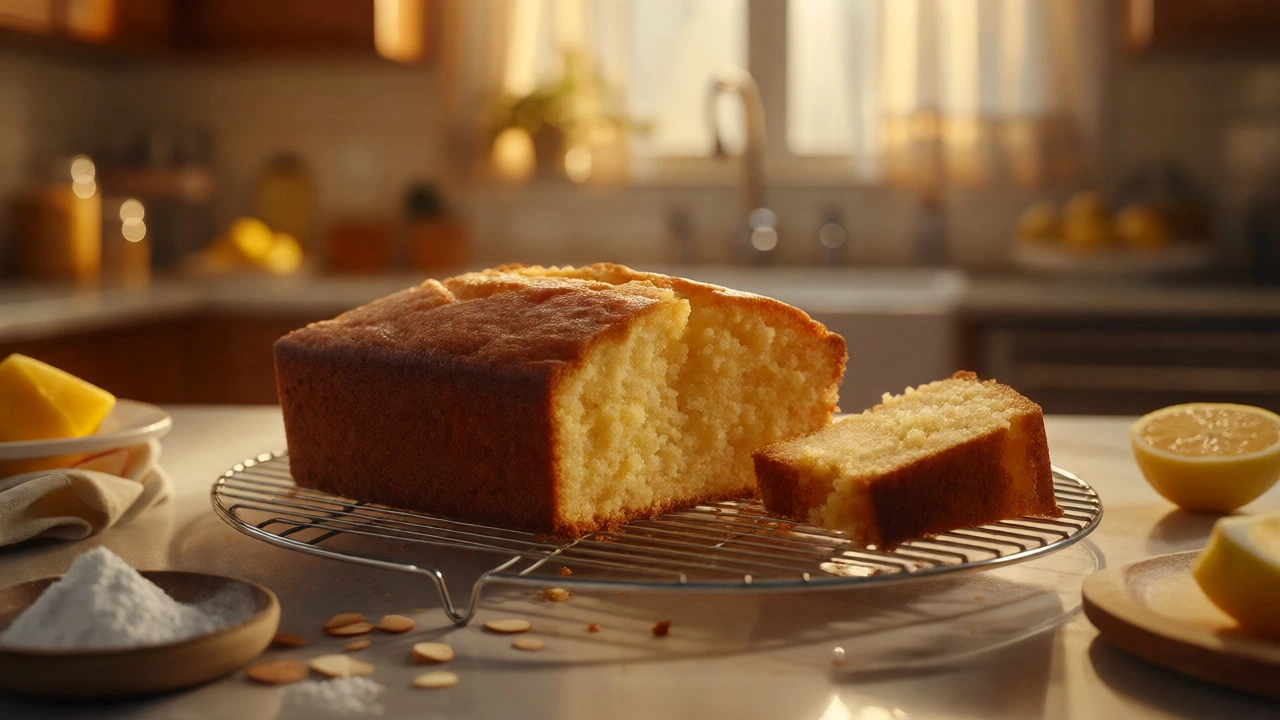
Imagine making a lemon drizzle cake. You use almond flour for richness, rice flour for structure, and potato starch for moisture. You add eggs for lift. The result is a tender, fragrant cake that no one suspects is gluten-free. That is the goal.
Common Pitfalls to Avoid
Even with safe ingredients, mistakes happen. Cross-contamination is the biggest enemy. If you bake wheat cakes and gluten-free cakes in the same kitchen, crumbs fly everywhere. Use separate cutting boards. Wash utensils thoroughly. Consider dedicating one toaster exclusively to gluten-free bread.
Another issue is trust. "Wheat-free" does not mean "gluten-free." Barley and rye also contain gluten. Always look for the specific "gluten-free" certification logo. In the UK and EU, strict regulations govern this label. In the US, the FDA requires less than 20ppm of gluten. Trust certified labels over vague marketing terms.
Are oats really gluten-free?
Pure oats are gluten-free, but they are often contaminated with wheat during growing and processing. Only consume oats labeled "certified gluten-free" if you have celiac disease. Regular oats may trigger symptoms.
Can I use coconut flour instead of wheat flour?
Coconut flour is gluten-free but very absorbent. You cannot swap it 1:1 for wheat flour. It typically requires more eggs and liquid. Use it sparingly or follow tested recipes specifically designed for coconut flour.
Is soy sauce gluten-free?
Traditional soy sauce contains wheat. Tamari is a Japanese alternative that is usually gluten-free, but check the label. Coconut aminos are another safe, soy-free option.
Why are my gluten-free cakes dry?
Gluten traps moisture. Without it, cakes dry out faster. Add extra fat (oil/butter) or moisture-rich ingredients like applesauce or yogurt. Storing cakes in an airtight container also helps retain freshness.
Do I need special equipment for gluten-free baking?
Not necessarily, but dedicated tools help avoid cross-contamination. Thoroughly cleaning standard equipment is usually sufficient if no visible residue remains. However, porous materials like wooden spoons can harbor gluten particles, so plastic or metal is safer.