Comfort Cake Style Finder
Not sure which traditional style to bake? Answer a few questions to find the "Comfort Cake" that matches your needs.
Key Characteristics:
Select your preferences to see the recommended style!
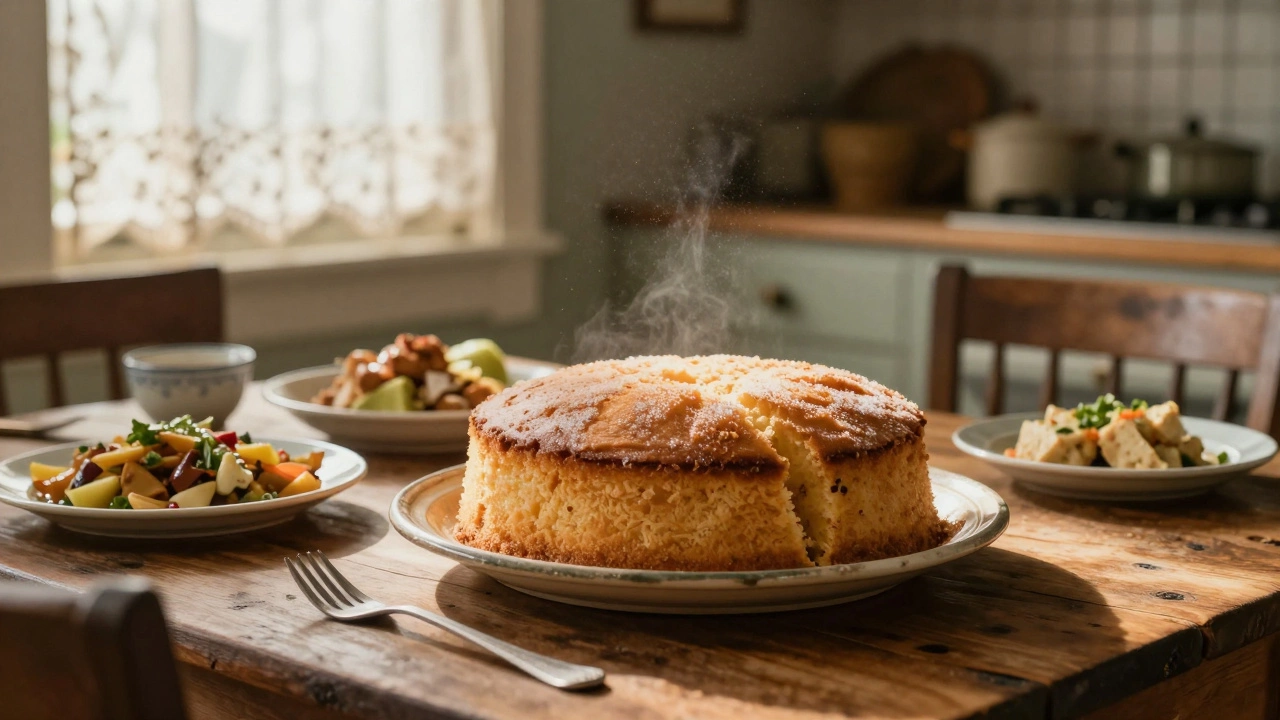
Imagine walking into a gathering in a small town in the American South or a village in the UK and seeing a cake that looks a bit like a giant, sugary cookie or a dense, spiced bread. You ask what it is, and someone tells you it's "funeral cake." Your first instinct might be to recoil-why on earth would you name a dessert after a burial? It sounds morbid, right? But in the world of traditional baking, naming a dish after a funeral isn't about death; it's about the community that gathers to support a grieving family.
Quick Takeaways
- Funeral cake is a term used for various regional "comfort cakes" served at wakes and memorials.
- The name comes from the tradition of neighbors bringing easy-to-transport, long-lasting sweets to grieving families.
- Depending on where you are, it could be a sugar-coated cookie, a spice cake, or a dense fruit loaf.
- These cakes are designed to be "crowd-pleasers" that don't require refrigeration.
The Story Behind the Name
To understand why we call it funeral cake, we have to look at how people handled grief before the era of professional catering and funeral homes. Back in the day, when someone passed away, the home became the center of the community. Neighbors, extended family, and church members would flood the house to offer support. But they didn't just bring sympathy; they brought food.
The grieving family couldn't possibly be expected to bake for fifty people while mourning. This is where the funeral cake comes in. It was the ultimate "sympathy dish." Because these cakes had to travel from one house to another and often sit on a table for several days, they were made with ingredients that acted as natural preservatives. Think of high sugar content, honey, or dried fruits. If a cake could stay moist and delicious without a fridge, it was a perfect candidate for a funeral gathering.
In many cultures, these sweets represent the "sweetness of life" or a way to bring a small amount of joy to a very dark day. It's a culinary hug. When you see this cake today, you're not looking at a symbol of death, but a symbol of how people take care of each other.
Different Versions Across the Map
One of the most confusing things about funeral cake is that it isn't just one specific recipe. If you ask someone from the Appalachian mountains and someone from the English countryside, you'll get two completely different answers. This is because the "entity" of the funeral cake is defined by its function (comfort and longevity) rather than a strict set of ingredients.
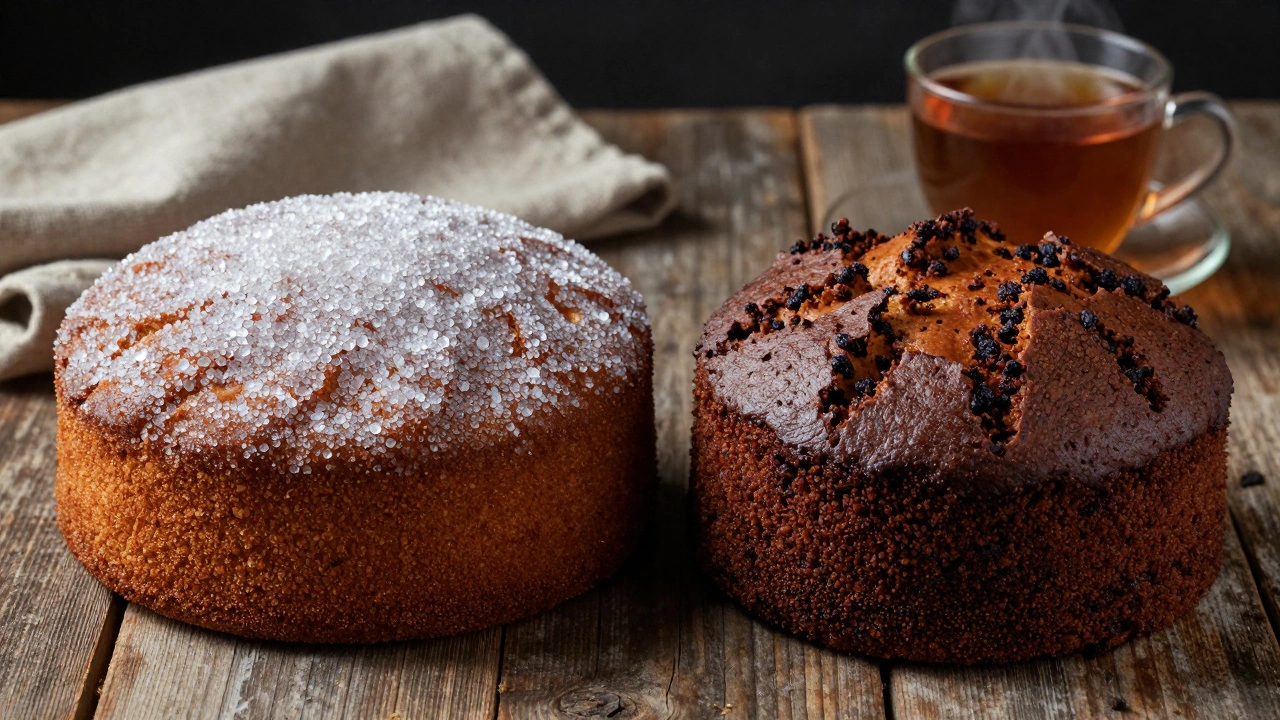
Southern Funeral Cake is often a cake-like cookie or a dense, buttery sponge heavily coated in granulated sugar. It is designed to be sturdy and not crumble when sliced into small pieces for a large crowd. It's less about a fancy frosting and more about a rustic, homemade feel.
In other regions, specifically in parts of the UK and Northern Europe, you might find versions that lean closer to a "Funeral Bun" or a spice cake. These often use Molasses and cinnamon to create a deep, rich flavor that feels warming and grounding. The goal is always the same: a dense texture that feels substantial and satisfying.
| Region | Primary Texture | Key Flavor Notes | Key Attribute |
|---|---|---|---|
| US South/Appalachia | Cookie-like / Dense | Butter, Vanilla, Sugar | Sugar-crusted exterior |
| UK / European Traditional | Bready / Loaf-like | Molasses, Nutmeg, Cloves | Long shelf-life |
| Midwest US | Sponge/Sheet cake | Creamy icing, Fruit | Easy to slice in bulk |
What Makes a Cake "Funeral-Ready"?
You can't just take any store-bought layer cake and call it a funeral cake. There are specific characteristics that define this category of baking. If you're trying to bake one from scratch, you need to follow a few unwritten rules of the craft.
First, the stability factor. A cake with a towering pile of unstable whipped cream isn't going to survive a three-mile trip in a vintage car or a four-hour sit on a buffet table. Funeral cakes use Butter or shortening as the primary fat, which creates a tighter crumb structure. This means the cake doesn't dry out as quickly as a light chiffon cake would.
Second, the sweetness profile. These cakes are often intensely sweet. Why? Because high sugar concentrations inhibit the growth of bacteria and keep the cake moist. When you see a cake rolled in sugar or glazed with a thick syrup, that's not just for taste-it's an old-school preservation technique. It creates a barrier that prevents air from hitting the sponge and drying it out.
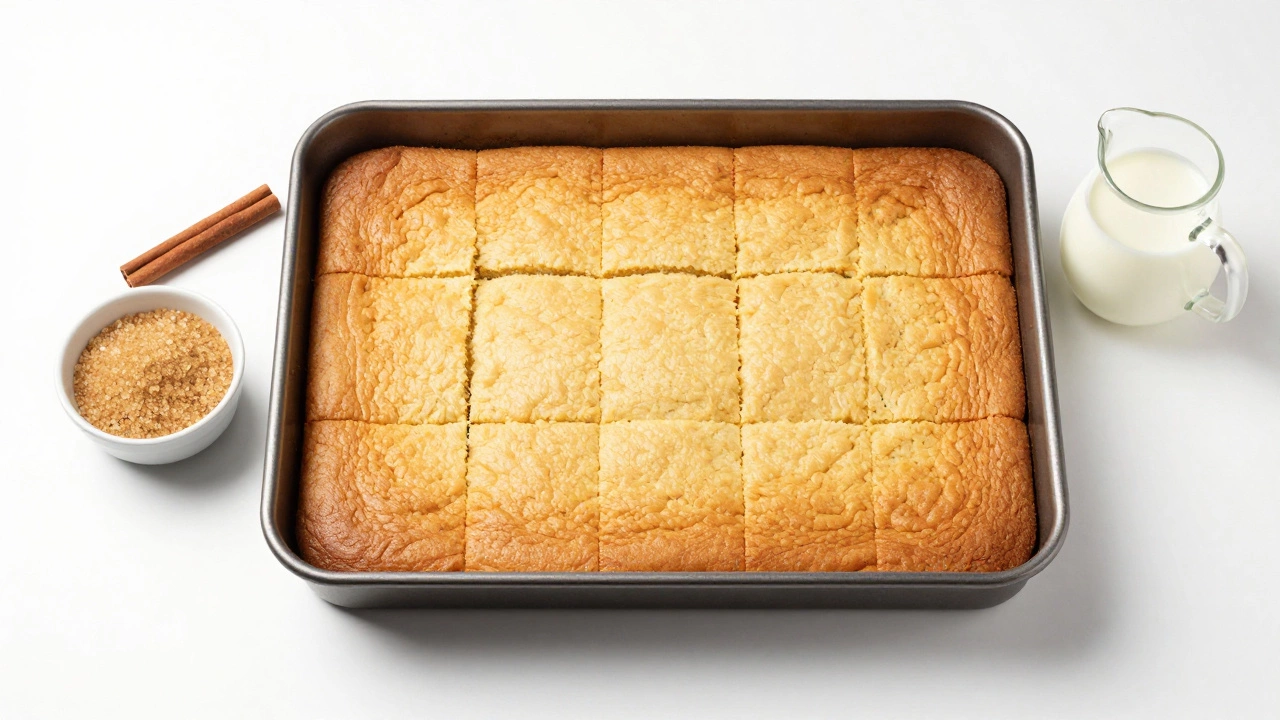
Finally, there's the "crowd scale." A funeral cake is almost always baked in a sheet pan or a large rectangular tin. The idea is to maximize the surface area so that you can cut 40 to 60 small, identical squares. It's about equality in serving; everyone gets the same comforting bite.
Common Ingredients and Their Roles
If you look at the old handwritten recipe cards for these cakes, you'll see a recurring set of players. Each ingredient is chosen for a specific reason, blending taste with the necessity of endurance.
- Brown Sugar: Unlike white sugar, brown sugar adds moisture and a hint of caramel, which keeps the cake from tasting "flat" after a day or two.
- Warm Spices: Cinnamon, nutmeg, and allspice are common. These aren't just for flavor; they provide a psychological sense of warmth and comfort.
- Buttermilk: Many traditional recipes use buttermilk to tenderize the gluten in the flour, ensuring the cake stays soft even when it's dense.
- Eggs: A higher ratio of eggs often provides the structure needed to keep the cake from collapsing under its own weight.
How to Bake Your Own Comfort Cake
Want to try making a version of this? You don't need to wait for a somber occasion to enjoy the taste of tradition. The best way to approach this is to aim for a "dense-yet-moist" result. Start by creaming your butter and sugar until they are fluffy, but don't overbeat them-you don't want too much air, or the cake will be too light.
- Mix your dry ingredients (flour, baking powder, salt, and spices) in a separate bowl to ensure an even distribution of flavor.
- Slowly incorporate the dry mix into the wet ingredients, alternating with your buttermilk or milk.
- Pour the batter into a greased 9x13 inch pan.
- Bake at a moderate temperature (usually 325°F or 350°F) until a toothpick comes out clean.
- While the cake is still warm, brush it with a simple sugar syrup or roll the edges in granulated sugar for that classic "funeral cake" look.
One pro tip: let the cake sit for a few hours before slicing. Because these cakes are dense, the flavors actually meld and deepen as they cool, making the second day even better than the first.
The Psychology of Comfort Food
There's a reason we still talk about funeral cakes in 2026. In a world of fancy macarons and artisanal sourdough, there is something deeply grounding about a heavy, sweet cake that tastes like it was made by a grandmother. This is what sociologists often call "nostalgia baking."
When we eat foods associated with community and care, it triggers a feeling of safety. The funeral cake is the physical manifestation of the phrase "I'm here for you." Even if the name seems strange, the intent is pure. It's about turning a moment of loss into a moment of shared nourishment.
Is funeral cake the same as a spice cake?
Not necessarily, but they are cousins. While many funeral cakes use spices, the defining characteristic of a funeral cake is its role in the community and its long shelf-life. A spice cake is defined by its ingredients, whereas a funeral cake is defined by its purpose and traditional texture.
Can I make this cake vegan or gluten-free?
Yes! To make it vegan, swap the butter for coconut oil or a plant-based butter and use a flax egg or applesauce. For gluten-free, a 1:1 almond flour and rice flour blend works well because funeral cakes are already naturally dense, so you won't miss the gluten structure as much as you would in a fluffy sponge cake.
Why is it usually coated in sugar?
The sugar coating serves two purposes. First, it adds a satisfying crunch to the dense cake. Second, it acts as a preservative, sealing the cake from the air and helping it stay moist for several days, which was crucial when these cakes were transported between homes.
Is it offensive to serve this at a non-funeral event?
Not at all! In most regions where this is a tradition, it's seen as a heritage recipe. Many people serve it at family reunions or coffee mornings. If you're worried about the name, you can simply call it a "Heritage Comfort Cake" or a "Traditional Sugar Cake."
How long does a traditional funeral cake last?
Because of the high sugar and fat content, these cakes typically stay fresh at room temperature for 3 to 5 days. If stored in an airtight container in the fridge, they can last up to a week, though they may need to be warmed slightly to regain their soft texture.
What to Try Next
If you've fallen in love with the idea of traditional comfort bakes, you might want to explore other "community cakes." Look into the history of the Bundt Cake, which is another staple for large gatherings, or try your hand at a classic Fruitcake to see how other cultures use dried fruits and sugar to make desserts that last for weeks. Both follow the same philosophy: making something hearty, sweet, and meant to be shared with a crowd.