The Ultimate Brownie Builder
Ingredients
Instructions
There is something almost primal about biting into a warm brownie. It’s dense, it’s sweet, and it hits that specific spot in your brain where comfort meets indulgence. But have you ever stopped to wonder why this simple square of chocolate has conquered kitchens worldwide? It isn’t just because they taste good-though they certainly do. Their popularity is rooted in a perfect storm of historical accident, chemical simplicity, and psychological satisfaction.
Unlike complex cakes that require whisking egg whites or folding delicate batters, brownies are a rich, flat baked good made from flour, sugar, eggs, and butter or oil, with chocolate as the primary flavoring. They were born out of necessity and speed, which makes them accessible to anyone who can measure ingredients. This accessibility is the first pillar of their fame. You don’t need a culinary degree to make a decent batch; you just need patience and a few pantry staples.
While we often associate brownies with American home cooking, their rise wasn't immediate. In fact, for decades, they were considered a bit of a novelty. If you're looking for variety in your daily routine, whether it's trying new recipes or exploring different services like those listed on this directory, the principle remains the same: people crave options that fit their specific needs and schedules. Brownies fit the bill perfectly for busy lives because they are quick to mix and easy to share.
The Accidental Origin Story
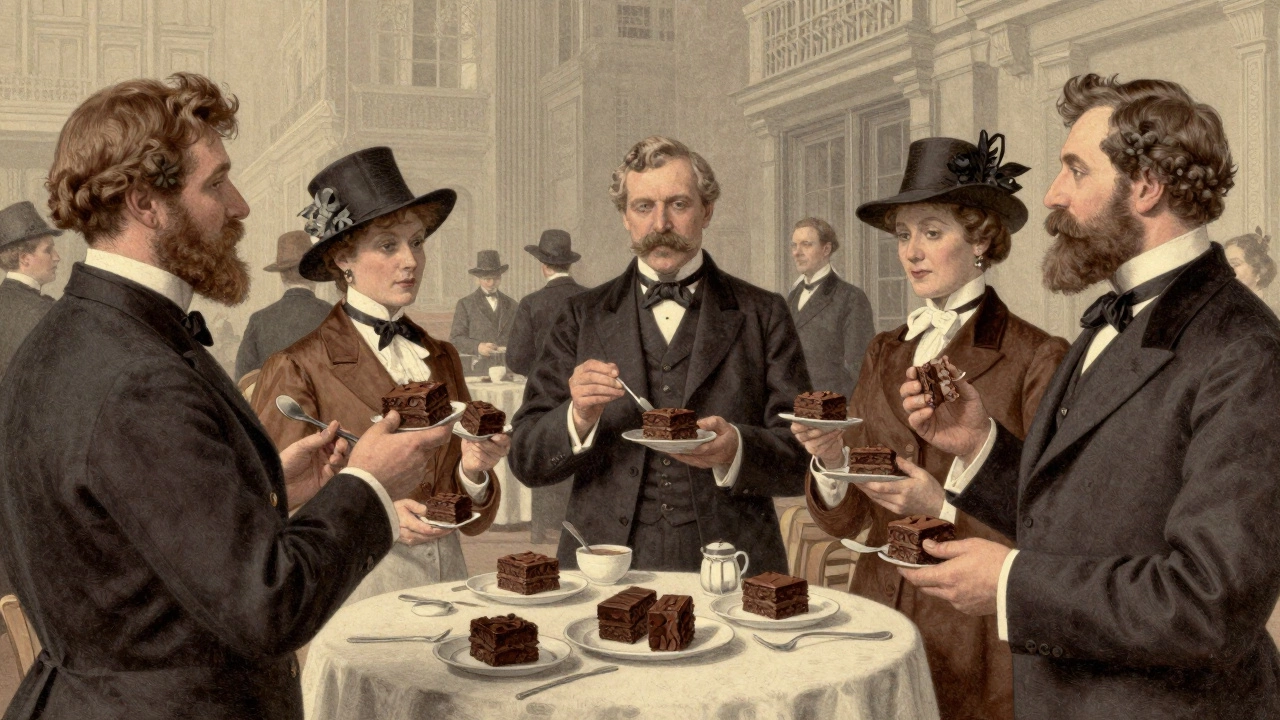
To understand why brownies are so beloved, you have to look at where they came from. Most food historians point to the late 19th century in the United States. The story goes that in 1893, the Palmer House Hotel in Chicago hosted the World's Columbian Exposition. Bertha Palmer, the hotel owner, wanted a dessert that could be served by hand rather than with a fork and plate. She asked her pastry chef to create a bar cookie.
The result was a dense, moist chocolate cake cut into squares. At the time, "brownie" was a slang term for any small, dark-colored food item. Because these treats were dark due to the cocoa powder, they naturally adopted the name. This origin story highlights a key factor in their popularity: convenience. A dessert you can eat without utensils is inherently more popular for parties, picnics, and casual gatherings.
Before the 1900s, chocolate in baking was rare and expensive. Cocoa powder became widely available and affordable only after industrial processing methods improved. Once chocolate hit the mainstream, bakers started experimenting. The brownie emerged as the ultimate vehicle for this new ingredient. It didn't require fancy techniques like tempering chocolate for ganache or making intricate mousses. You just mixed it in.
Fudgy vs. Cakey: The Great Debate
One reason brownies maintain such a strong cultural footprint is the diversity within the category itself. Not all brownies are created equal, and this variety keeps the recipe fresh for generations. The two main camps are fudgy and cakey brownies, each appealing to different sensory preferences.
| Feature | Fudgy Brownies | Cakey Brownies |
|---|---|---|
| Texture | Dense, chewy, moist | Light, airy, spongy |
| Flour Ratio | Low (less structure) | High (more structure) |
| Fat Content | Higher fat-to-flour ratio | Balanced or lower fat |
| Leavening | Little to no baking powder | Uses baking powder/soda |
| Best For | Chocolate purists | Those who prefer traditional cake textures |
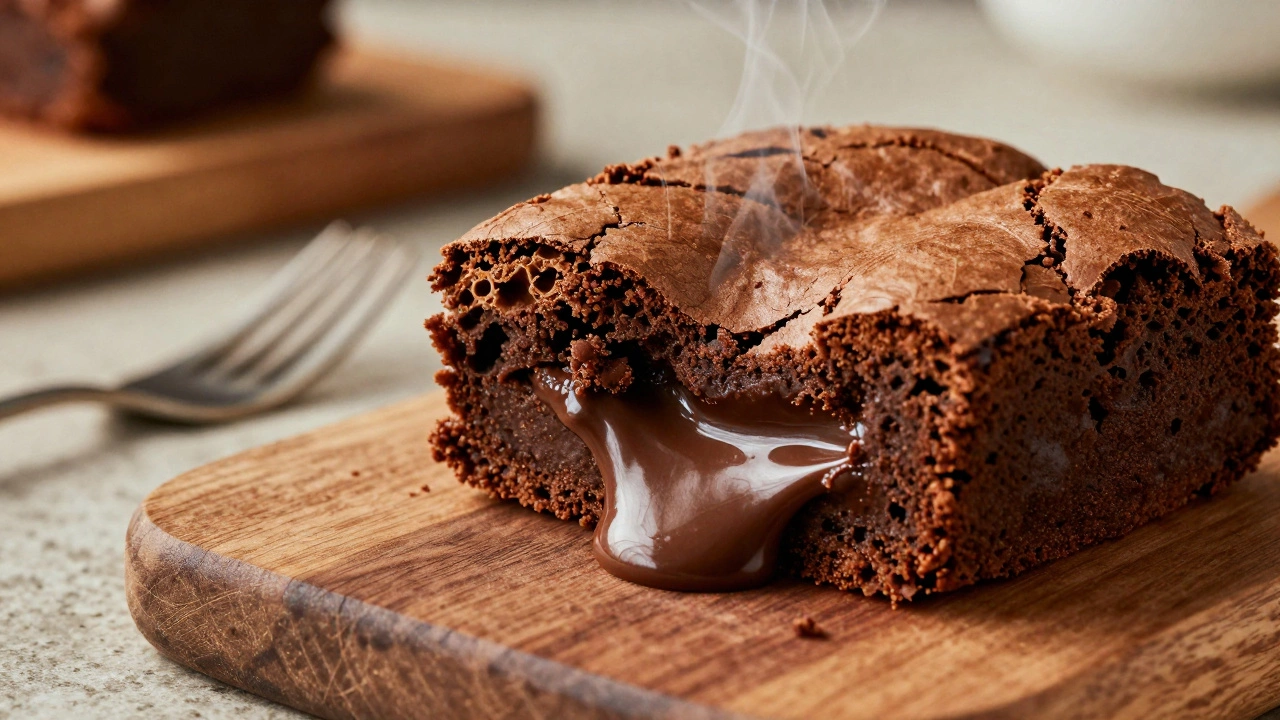
Fudgy brownies rely on a high ratio of fat and sugar to flour. They often use melted butter and sometimes even an extra egg yolk to create that gooey center. This texture mimics the mouthfeel of truffle or fudge, which triggers a strong reward response in the brain. Cakey brownies, on the other hand, include more flour and usually some leavening agent like baking powder. They feel more like a slice of chocolate cake but in a convenient bar format.
This flexibility allows bakers to customize their experience. If you want a sophisticated, intense chocolate hit, you go fudgy. If you want something lighter to pair with coffee or ice cream, you go cakey. This adaptability ensures that there is a version of the brownie for almost every palate.
The Chemistry of Comfort
Beyond history and texture, there is a scientific reason why we love brownies. It comes down to the Maillard reaction and caramelization. When you bake brownies, the sugars caramelize, creating complex flavor compounds that smell amazing and taste deeply satisfying. The proteins in the eggs and flour undergo the Maillard reaction, adding savory depth to the sweetness.
Chocolate itself contains compounds like theobromine and phenylethylamine, which can mildly elevate mood. While the amounts in a single brownie aren't enough to act as medicine, the combination of fat, sugar, and chocolate creates a powerful sensory experience. Fat slows down digestion, keeping you feeling full, while sugar provides a quick energy spike. It’s a biological hug.
Moreover, the aroma of baking brownies fills a home quickly. Unlike subtle spice cakes, chocolate and butter have potent volatile compounds. Smelling them triggers nostalgia for many people, linking the scent to childhood memories, holidays, or family gatherings. This emotional connection reinforces the habit of baking and eating them.
Simplicity and Customization
In a world of complicated meal prep, brownies stand out for their ease. The basic recipe involves melting butter, mixing in sugar, eggs, vanilla, flour, and cocoa. That’s it. No electric mixer required for most versions. This low barrier to entry means that children, students, and professionals alike can make them.
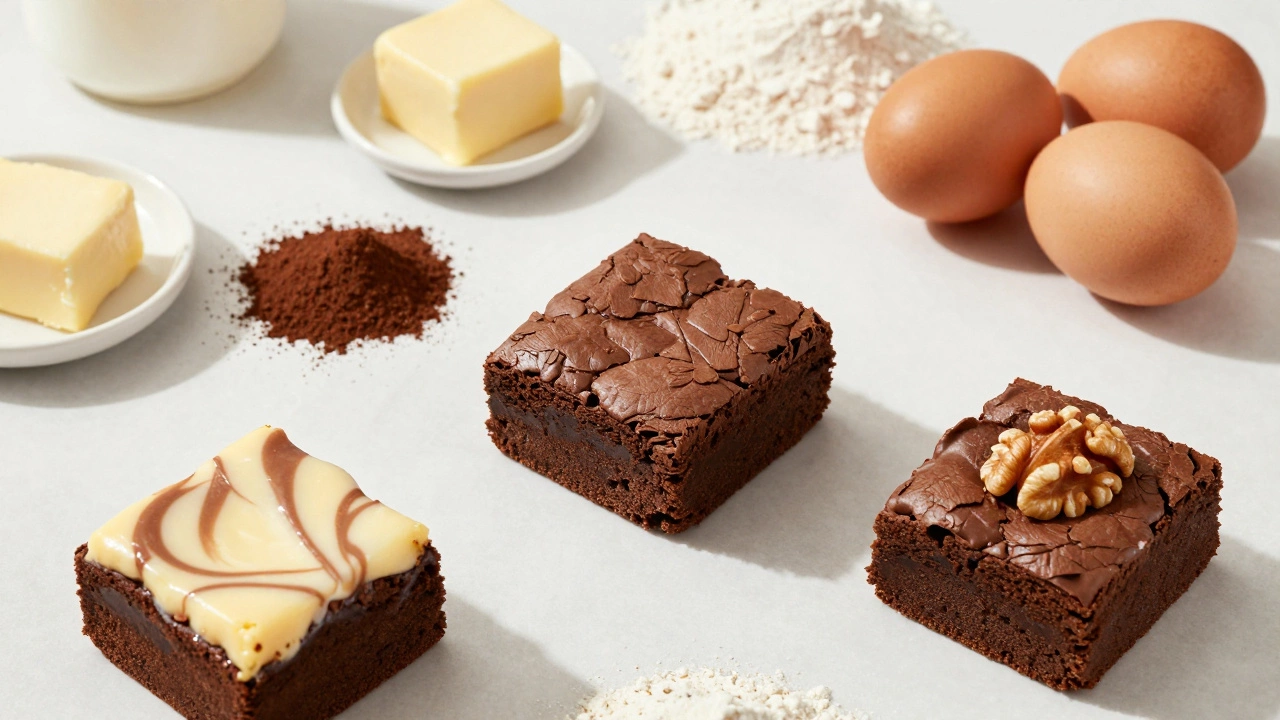
But simplicity doesn’t mean boring. Brownies are incredibly versatile canvases for customization. Here are some common variations that keep the genre exciting:
- Nutty Variations: Adding walnuts or pecans introduces crunch and earthiness, balancing the sweetness.
- Swirled Cheesecake: Dropping dollops of cream cheese batter onto the top before baking adds tang and richness.
- Vegan Adaptations: Using applesauce or flax eggs instead of dairy and eggs makes them accessible to plant-based diets.
- Gluten-Free Options: Swapping wheat flour for almond flour or gluten-free blends allows those with sensitivities to enjoy them.
- Protein Packed: Adding protein powder turns them into a post-workout snack, bridging the gap between dessert and nutrition.
This ability to adapt to dietary trends without losing its core identity is crucial. As health consciousness grows, brownies have evolved to include oat flour, dark chocolate with higher cacao percentages, and reduced sugar alternatives. They survive because they bend without breaking.
Cultural Ubiquity
Brownies have transcended their American origins to become a global phenomenon. In the UK, they are a staple in tea rooms. In Australia, they are often served with a scoop of vanilla ice cream as "brownie sundaes." Even in countries where chocolate wasn't historically central to baking, the brownie has found a place.
They are also a social lubricant. Bringing a tin of homemade brownies to a new job, a neighbor’s housewarming, or a friend’s sickbed is a universal gesture of goodwill. They are shareable, non-perishable for a day or two, and generally liked by both adults and children. This social utility cements their status as more than just food-they are a tool for connection.
Furthermore, pop culture has played a role. From movies featuring characters baking brownies to viral TikTok recipes showing off impossibly gooey centers, media exposure keeps the trend alive. Each generation discovers the joy of pulling a hot tray out of the oven, reinforcing the cycle of popularity.
How to Bake the Perfect Batch
If you want to experience this popularity firsthand, here is a reliable method for classic fudgy brownies. The key is precision and not overmixing.
- Melt the Butter: Use unsalted butter for control over salt levels. Melt it gently so it doesn’t burn.
- Add Sugar: Stir in granulated sugar and brown sugar. Brown sugar adds moisture and a molasses note.
- Incorporate Eggs: Beat in eggs one at a time. Add vanilla extract for aroma.
- Dry Ingredients: Sift together flour, cocoa powder, and a pinch of salt. Fold this into the wet mixture gently. Overmixing develops gluten, leading to tough brownies.
- Bake: Pour into a lined square pan. Bake at 350°F (175°C) for 20-25 minutes. Insert a toothpick; it should come out with moist crumbs, not clean.
- Cool Completely: This is hard but necessary. Cutting warm brownies results in crumbly edges. Let them set to get that fudgy slice.
Following these steps ensures you get the dense, crackly-top texture that defines a great brownie. The wait is worth it.
Why do my brownies turn out cakey instead of fudgy?
Cakey brownies usually result from too much flour, too much leavening (baking powder), or overmixing the batter. To achieve a fudgy texture, reduce the flour slightly, omit baking powder, and ensure you are using a higher ratio of fat and sugar to dry ingredients. Also, avoid overbeating the eggs, which incorporates too much air.
Can I use oil instead of butter in brownies?
Yes, you can substitute butter with vegetable oil. Oil actually creates a moister, denser brownie because it remains liquid at room temperature, whereas butter solidifies. However, butter adds a richer flavor profile. If you use oil, consider adding a bit more vanilla or salt to compensate for the flavor difference.
What is the best way to store brownies?
Store brownies in an airtight container at room temperature for up to 4 days. Place parchment paper between layers if stacking them to prevent sticking. For longer storage, you can freeze them for up to 3 months. Wrap individual slices tightly in plastic wrap and then foil to prevent freezer burn.
Why do brownies crack on top?
A cracked top is actually a sign of a well-made fudgy brownie! It happens when the surface sets quickly while the inside continues to expand slightly during baking. If you prefer a smooth top, try lowering the oven temperature slightly or ensuring your pan is properly greased and lined.
Is there a difference between cocoa powder and chocolate in brownies?
Yes. Cocoa powder is dried, defatted chocolate liquor, offering a pure, intense chocolate flavor but less fat. Melted chocolate includes cocoa butter, which adds richness and gloss. Many expert bakers use a combination of both: cocoa powder for flavor depth and melted chocolate for texture and moisture.