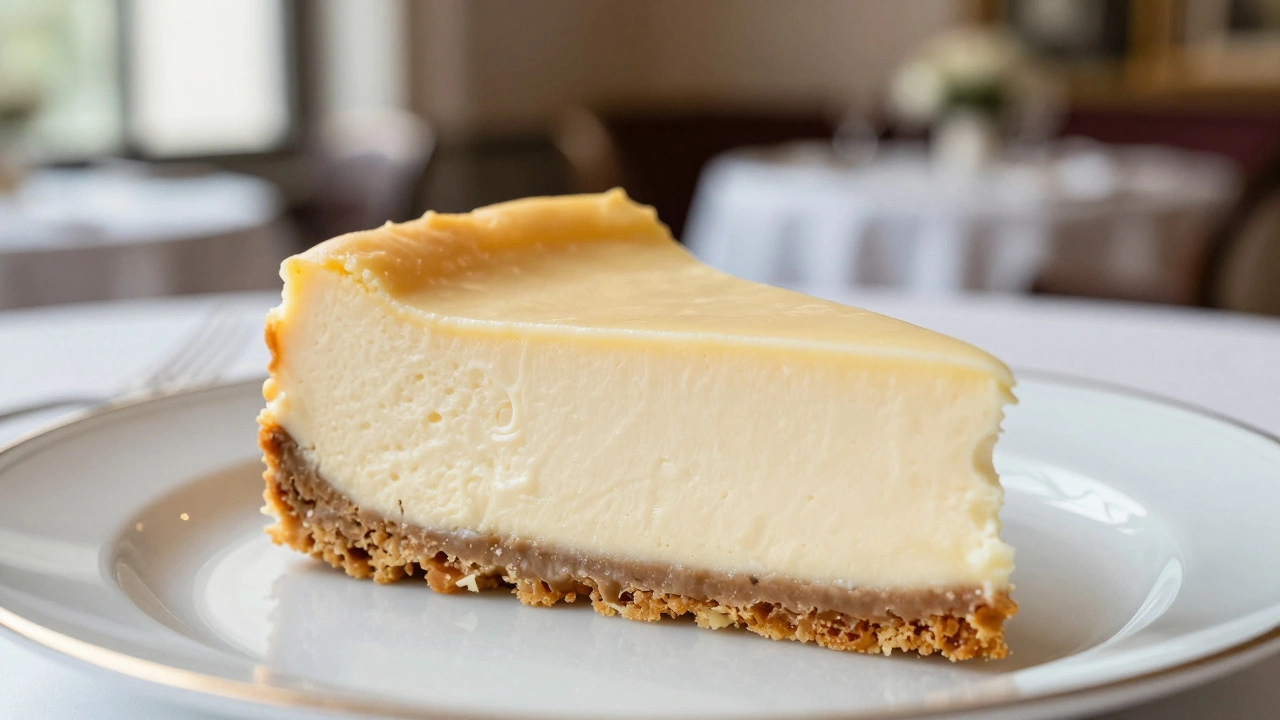
Biltmore Cheesecake Success Checker
The Biltmore style is all about precision and patience. Use this checker to validate your process and avoid common pitfalls like cracking or graininess.
1. Ingredient Preparation
2. Technical Process
3. Finishing Touches
Quick Takeaways
- It is a high-fat, ultra-creamy baked cheesecake known for its dense texture.
- The flavor profile balances heavy cream and cream cheese with a touch of citrus.
- Unlike the airy New York style, this version focuses on richness and a melt-in-your-mouth feel.
- The secret lies in the slow-bake process and the quality of the dairy.
Breaking Down the Biltmore Experience
To understand what makes this dessert special, we have to look at the Biltmore cheesecake is a luxury baked dessert inspired by the culinary traditions of the Biltmore Estate, characterized by its exceptionally smooth, dense consistency and rich flavor profile. It isn't just a recipe; it is an experience. While many modern cakes use stabilizers or air-whipping to create volume, the Biltmore style leans into the weight of the ingredients. This means you get a concentrated burst of flavor in every single forkful.
When you eat it, you notice that it doesn't crumble. It holds its shape perfectly on the plate but dissolves instantly on the tongue. This is achieved by using a specific ratio of fats-mostly from high-quality butter and full-fat cream cheese-which prevents the cake from becoming too "spongy." If you are used to the light, fluffy texture of a Japanese cheesecake, this will be a shock to your system in the best way possible.
The Core Ingredients That Create the Magic
You can't make a gourmet cake with budget ingredients. To get that signature taste, you need a few specific components. First, the foundation is Cream Cheese, which provides the necessary lactic acid and creamy base. But here is the kicker: it must be full-fat. Using a "light" version will ruin the emulsion and leave you with a grainy texture.
Then there is the Heavy Cream. In the Biltmore approach, cream is used not just for flavor, but to modify the viscosity of the batter. When mixed with eggs at room temperature, the cream creates a silkier bond. Many home bakers make the mistake of using cold ingredients, but that leads to lumps. For a professional result, everything needs to be the same temperature to ensure a smooth blend.
The crust is another point of contention. While some prefer a traditional graham cracker base, a true luxury cheesecake often utilizes a Shortbread Crust. This adds a salty, buttery contrast to the sweetness of the filling. The salt in the crust acts as a flavor enhancer, cutting through the richness and preventing the dessert from feeling too cloying.
| Feature | Biltmore Style | Standard NY Style |
|---|---|---|
| Texture | Ultra-Dense / Velvety | Firm / Slightly Airy |
| Primary Fat | Heavy Cream & Butter | Cream Cheese |
| Crust Type | Buttery Shortbread | Graham Cracker |
| Flavor Note | Rich, Buttery, Subtle Tang | Pronounced Tanginess |
How to Recreate the Biltmore Texture at Home
If you want to try making a Biltmore cheesecake, you have to change how you think about mixing. The biggest enemy of a smooth cheesecake is incorporated air. If you beat the batter too hard with a mixer, you create tiny bubbles. When the cake bakes, those bubbles expand, causing the cake to rise and then collapse, leaving you with a cracked top and a spongy interior.
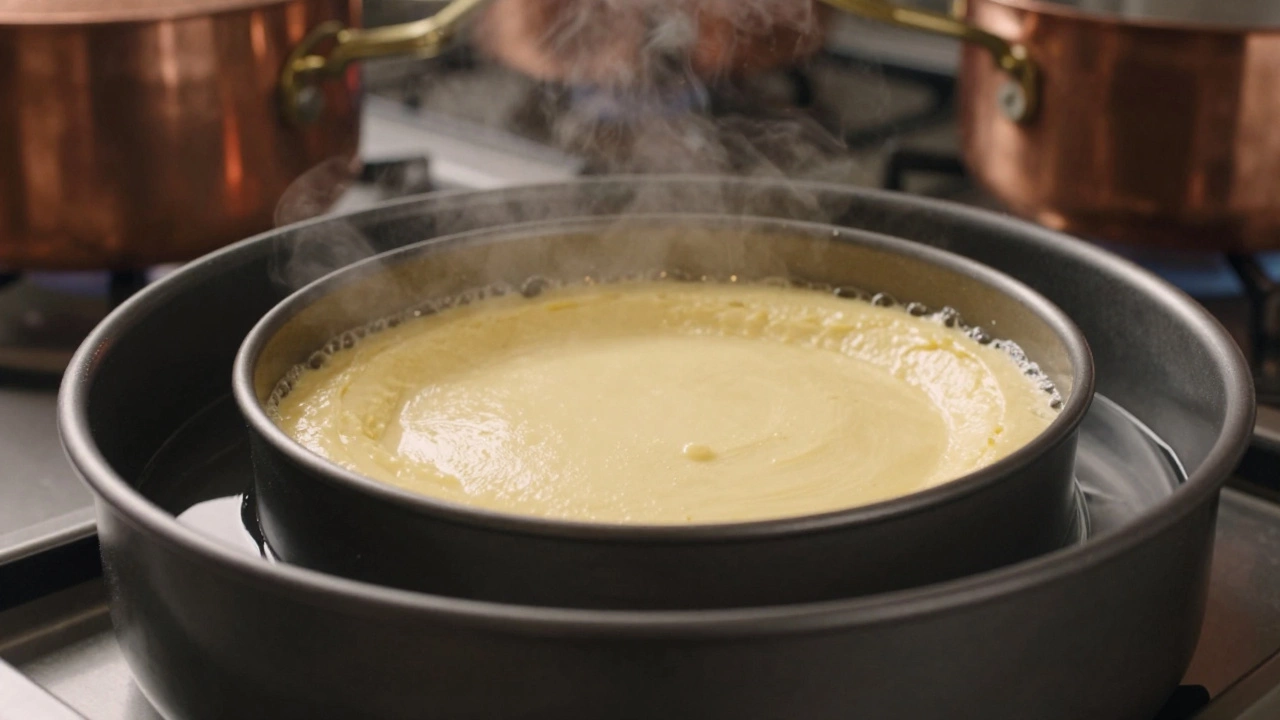
Instead, use a folding technique. Mix your cream cheese and sugar until just combined, then gently fold in your eggs one by one. This keeps the batter dense. Another pro tip is the use of a Water Bath, also known as a bain-marie. By placing the springform pan inside a larger pan filled with hot water, you ensure the edges don't overcook before the center is set. This is the only way to get that perfectly flat, cream-colored top without any unsightly fissures.
Temperature control is the final piece of the puzzle. Once the cake is done, do not just pull it out of the oven and put it in the fridge. That causes a thermal shock that leads to cracking. Instead, turn the oven off and crack the door open, letting the cake cool slowly for an hour. This gradual temperature drop allows the proteins to settle and the fats to solidify into that signature velvet texture.
Common Pitfalls and How to Avoid Them
Many people fail at this recipe because they get impatient. They see the edges are firm and assume the middle is done. However, a Biltmore-style cake should have a slight "jiggle" in the center when you pull it out. If the middle is completely firm, you've overbaked it, and it will taste more like an omelet than a dessert.
Another mistake is over-processing the crust. If you blend your butter and flour too much, you get a tough, hard base. You want a sandy texture that binds together when pressed, not a doughy mass. Use your fingertips to crumble the butter into the flour; it's the old-school way, but it works because it prevents the butter from melting too quickly from the heat of your palms.
Serving Suggestions for the Ultimate Experience
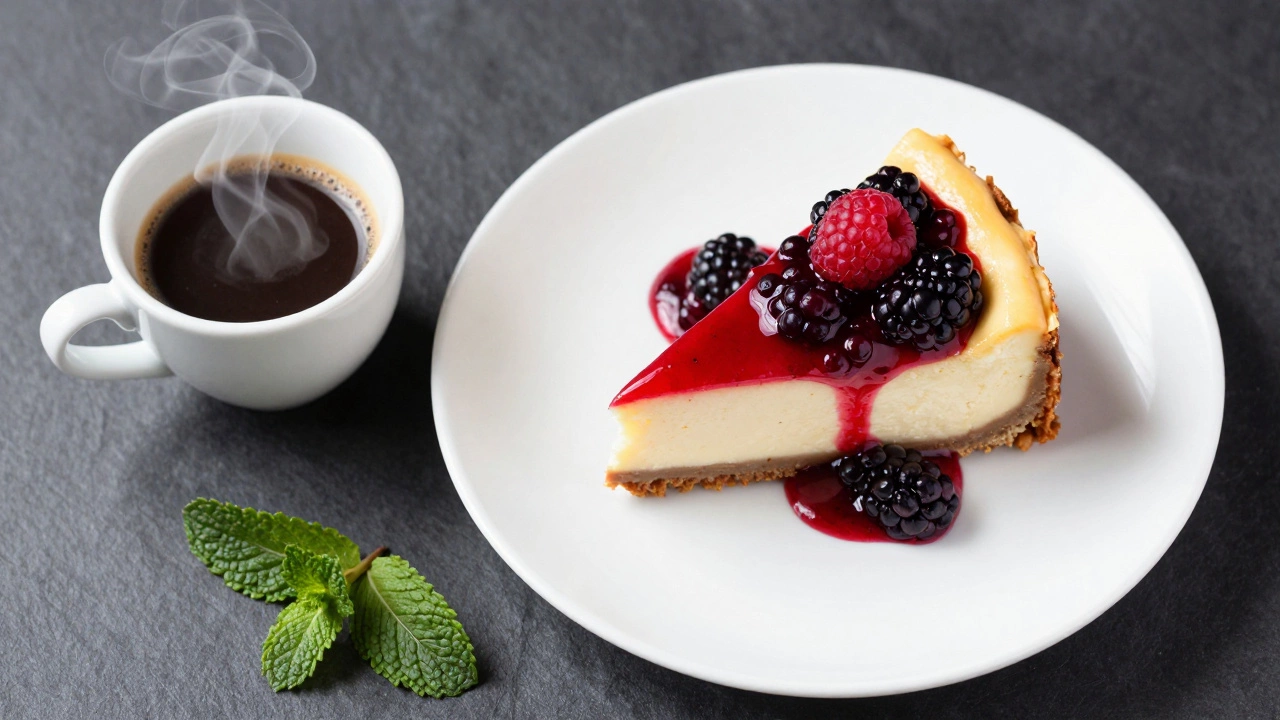
Because this cake is so rich, you need something to balance it out. A heavy slice of Biltmore cheesecake can feel overwhelming if served alone. The best pairing is a fresh, tart berry compote. Raspberries or blackberries provide an acidic punch that cuts through the fat of the cream cheese, cleansing your palate between bites.
If you aren't a fan of fruit, a light dusting of powdered sugar and a few fresh mint leaves add a visual pop and a hint of freshness. Some enthusiasts even pair it with a strong, unsweetened espresso. The bitterness of the coffee contrasts beautifully with the creamy sweetness, making it a perfect afternoon treat.
Is Biltmore cheesecake different from New York cheesecake?
Yes. While both are baked, the Biltmore style is generally richer and denser. New York cheesecakes are slightly more airy and have a stronger "tang" from the cream cheese. Biltmore cheesecake focuses more on a buttery, velvety mouthfeel by incorporating more heavy cream and often using a shortbread base instead of graham crackers.
Can I make this recipe with low-fat ingredients?
It is not recommended. The signature texture of this cake comes from the emulsion of fats. Using low-fat cream cheese or skim milk will break the emulsion, resulting in a grainy, watery consistency that lacks the characteristic richness.
Why did my cheesecake crack on top?
Cracks usually happen for two reasons: over-beating the batter (which adds too much air) or cooling the cake too quickly. To prevent this, mix the ingredients on low speed and let the cake cool gradually in the oven with the door cracked open.
How long should I chill the cake before serving?
For the best results, chill the cake for at least 6 to 8 hours, or ideally overnight. This allows the fats to fully set and the flavors to meld, ensuring a clean slice and a denser texture.
What is the best way to slice a dense cheesecake?
Use a sharp knife dipped in hot water. Wipe the knife clean after every single cut. The hot metal glides through the dense fat of the cake, and cleaning the blade ensures that you don't drag crumbs or cream from one slice to the next.
Next Steps for Home Bakers
If you have mastered the base Biltmore style, you can start experimenting with flavor infusions. Try adding a teaspoon of high-quality vanilla bean paste or a hint of lemon zest to the batter to brighten the profile. For those who want to go even further, try a "deconstructed" version where you crumble the shortbread and pipe the cheesecake filling as a mousse, though you'll lose that classic baked depth.
If you run into trouble with the crust not sticking, try par-baking the base for 10 minutes before adding the filling. This creates a moisture barrier that prevents the crust from becoming soggy under the weight of the heavy cream cheese mixture.