Cake Style Finder: Which "Plain" Cake are You?
Not sure what to call your creamless creation? Select the characteristics that best describe your cake to find its professional name.
Step 1: Describe the Texture
Step 2: The Intent
Select the texture and intent on the left to discover the name of your cake!
Key Takeaways for Bakers
- Sponge Cakes: Rely on air and eggs for lift, often eaten plain or with a dusting of sugar.
- Butter Cakes: Denser options like Pound Cake that don't need frosting to taste rich.
- Naked Cakes: A modern trend where layers are stacked without outer frosting.
- Cultural Variants: Many global cakes, from Castella to Pound Cake, are traditionally served without cream.
The World of Sponge Cakes
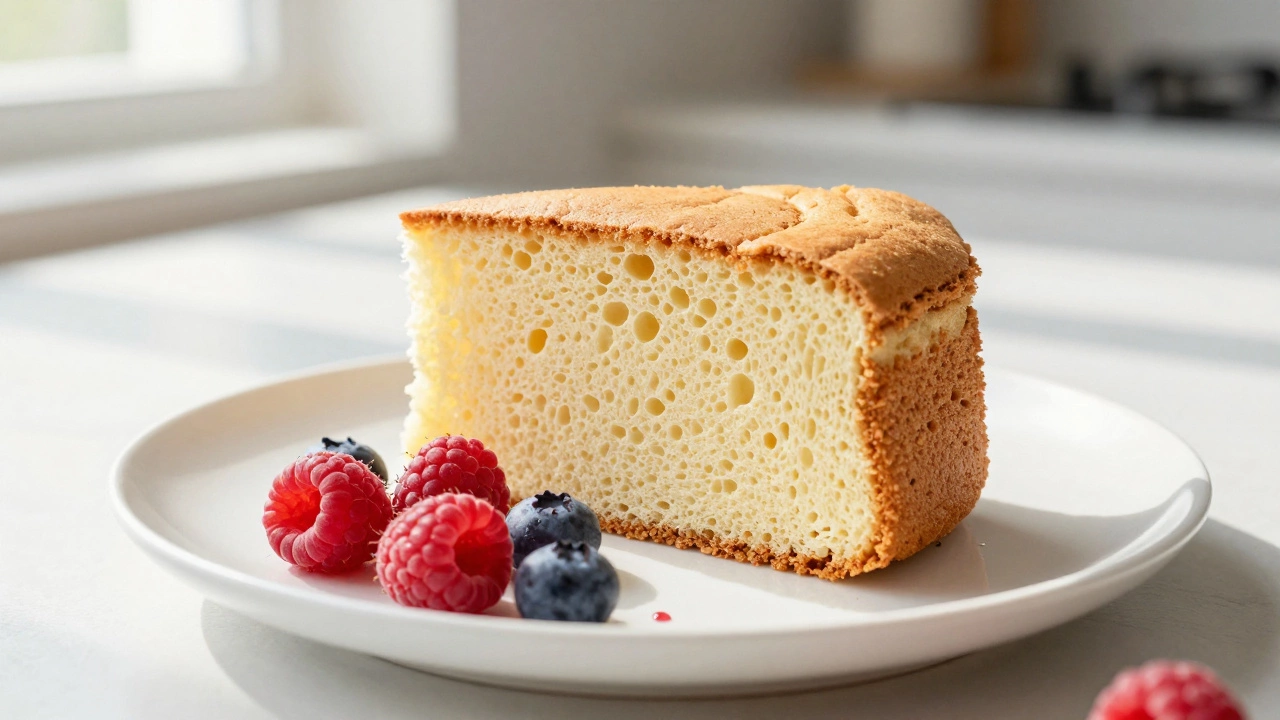
When you ask what a cake without cream is called, the most common answer is a Sponge Cake. This isn't just one type of cake, but a whole family of bakes. A true sponge relies on the mechanical aeration of eggs. By beating eggs and sugar until they are thick and pale, you trap millions of tiny air bubbles. When this hits the oven, those bubbles expand, creating a light, airy texture.
Take the Genoise, for example. This French classic is a staple in professional kitchens. It uses whole eggs beaten over a bain-marie (warm water bath) to create a stable foam. Because it contains very little fat, it can feel dry if eaten alone, which is why it's often brushed with a sugar syrup. However, if you serve it with fresh berries, you don't need a lick of cream to make it feel like a complete dessert.
Then there is the Chiffon Cake. This is a bit of a hybrid. It uses vegetable oil and whipped egg whites to achieve a cloud-like consistency. It is naturally moist, meaning the absence of cream isn't a loss-it's a feature that lets the subtle flavor of vanilla or citrus shine through.
Butter Cakes and Pound Cakes
Not every cake without cream is light and airy. Some are designed to be substantial. If your cake is dense, buttery, and lacks any frosting, you are likely looking at a Pound Cake. The name comes from the original recipe: one pound each of flour, butter, eggs, and sugar.
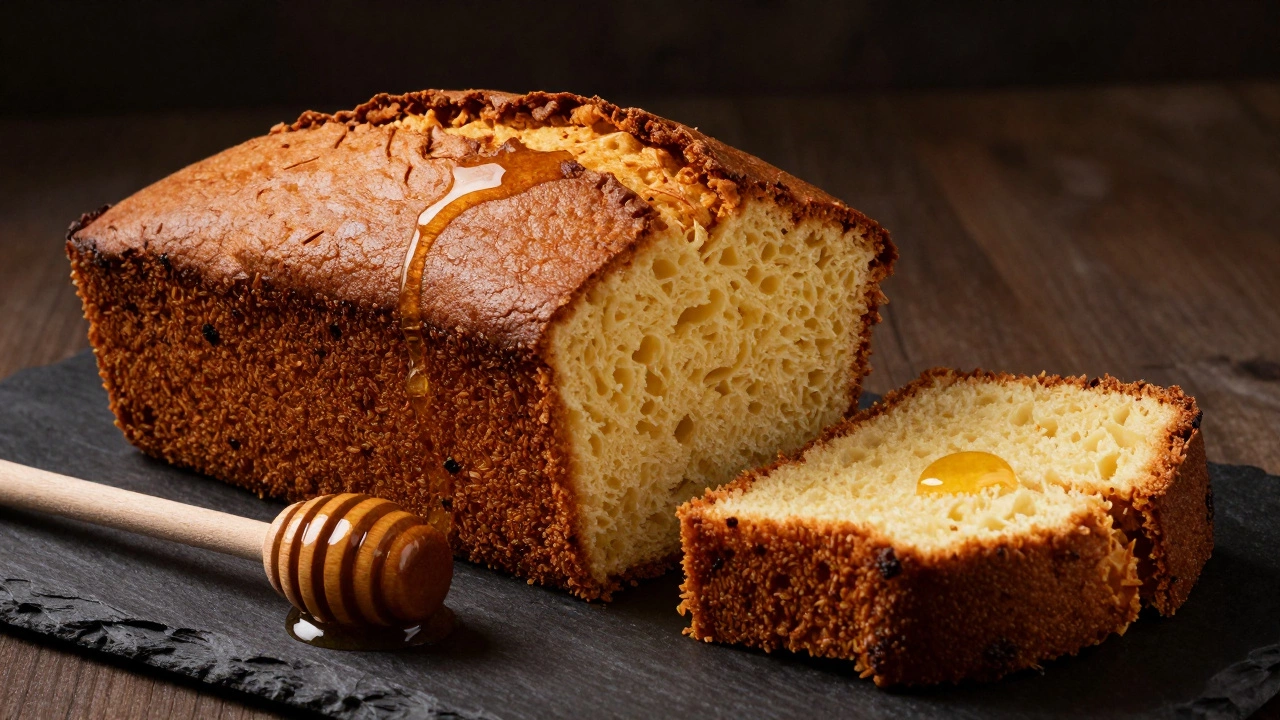
Because a pound cake is so rich in fat, adding cream would often make it too heavy to eat. These cakes are the gold standard for "plain" eating. They have a tight crumb and a buttery finish that satisfies the palate without needing a sugar-heavy topping. If you slice a pound cake and serve it with a bit of salted butter or a drizzle of honey, you have a sophisticated treat that ignores the cream rule entirely.
| Cake Type | Primary Leavening | Texture | Best Served With |
|---|---|---|---|
| Sponge Cake | Air/Beaten Eggs | Light & Airy | Fresh Fruit |
| Pound Cake | Creamed Butter | Dense & Rich | Tea or Coffee |
| Chiffon Cake | Egg Whites & Oil | Springy & Moist | Dusting of Powdered Sugar |
| Madeira Cake | Baking Powder/Butter | Firm & Fine | Fruit Preserve |
The "Naked Cake" Trend
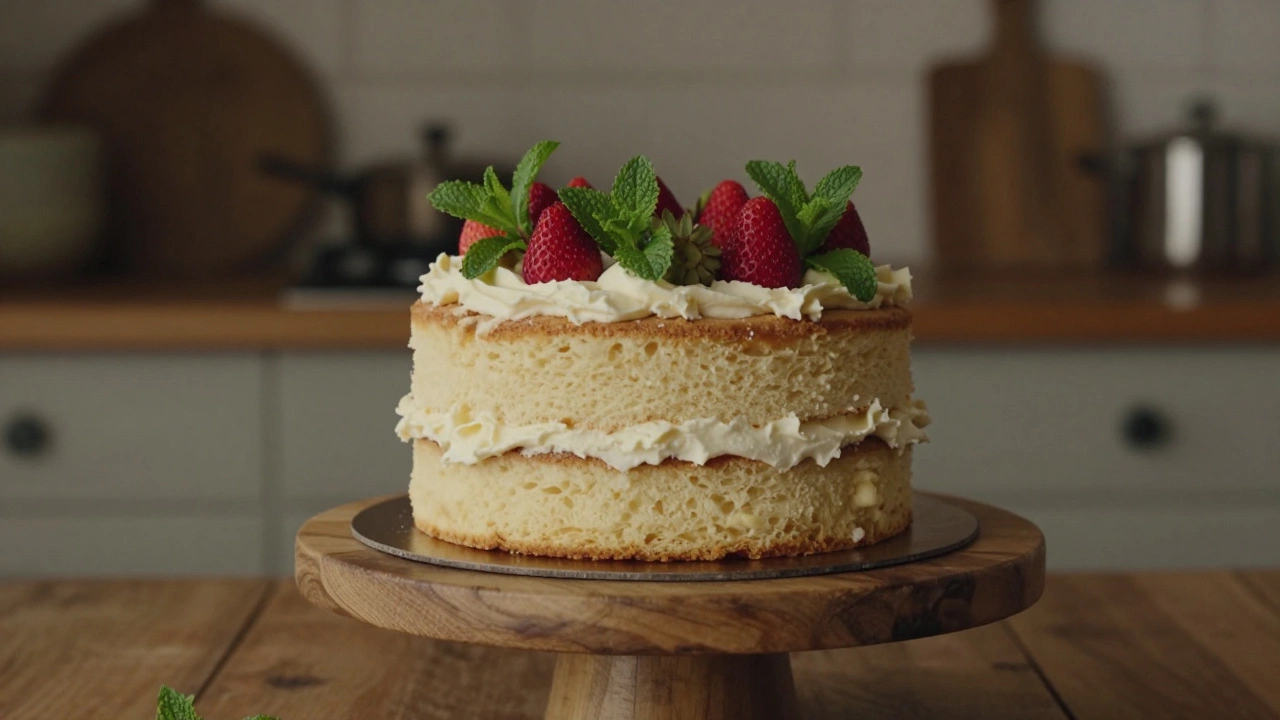
Sometimes, a cake without cream is actually a cake that *could* have cream, but the baker chose to leave it off. This is known as a Naked Cake. This isn't a specific recipe, but a styling choice. Instead of encasing the entire cake in a thick layer of buttercream or ganache, the baker leaves the sides exposed.
Why do this? First, it looks rustic and organic. Second, it solves the problem of "too much sugar." Many people find traditional American-style cakes overwhelming because the frosting-to-cake ratio is skewed. A naked cake allows the flavor of the actual cake-the vanilla bean, the cocoa, or the lemon zest-to take center stage. You might see a thin layer of cream between the tiers to keep them stable, but the exterior remains bare.
Global Perspectives on Plain Cakes
Depending on where you are, a cake without cream might have a very specific name. In Japan, Castella is a famous honey sponge cake. It's baked in a wooden frame and has a deep brown crust. It is never frosted. To eat it with cream would actually be seen as unusual because the moist, bouncy texture is the star of the show.
In the UK, you'll often find Madeira Cake. It's a firm, buttery sponge that is traditionally served plain. It is designed to be sturdy enough to accompany a cup of tea without crumbling into a mess. It doesn't need cream because its purpose is to be a tea-time companion, not a decadent celebration centerpiece.
Why Skip the Cream?
You might wonder why anyone would intentionally bake a cake and skip the frosting. There are a few practical reasons. First, stability. Some cakes, especially those used for trifles or tiered displays, need to be structurally sound. Heavy cream can cause a delicate sponge to collapse or slide if not handled perfectly.
Then there is the matter of taste. Cream and frosting are often just sugar and fat. When you remove them, you can actually taste the quality of your ingredients. If you use high-fat European butter or organic eggs, those nuances are lost under a layer of vanilla buttercream. By keeping the cake plain, you highlight the craft of the bake itself.
For those with dietary restrictions, skipping the cream is a shortcut to a Vegan Dessert or a dairy-free option. While you can make vegan frosting, a simple oil-based sponge cake is often easier to execute and tastes more natural than a cake with a chemical-tasting dairy substitute frosting.
How to Make a Plain Cake Taste Amazing
If you are serving a cake without cream, you can't rely on frosting to hide a dry bake. You have to ensure the interior is perfect. Here are a few pro tips to keep your plain cakes from tasting "unfinished":
- Use a Simple Syrup: Mix equal parts sugar and water, heat until dissolved, and brush it over the cake. This locks in moisture and adds a subtle sweetness.
- Add Zest: Lemon or orange zest folded into the batter provides a bright, aromatic punch that replaces the need for a creamy topping.
- Brown Your Butter: Instead of regular melted butter, cook it until it smells nutty and turns brown. This adds a depth of flavor that makes a plain cake taste like a gourmet dessert.
- Precision Weighing: Use a digital scale. In a plain cake, the ratio of flour to liquid is critical. A few grams too much flour can turn a light sponge into a brick.
Is a sponge cake always without cream?
Not necessarily. A sponge cake is a type of cake characterized by its leavening method (beaten eggs). While it can be eaten plain, it is often used as a base for cakes with cream, such as a Victoria Sponge, which is filled with jam and cream.
What do you call a cake that is just the bread part?
In culinary terms, this is often called the "cake base" or simply a "plain cake." If it's a specific style like a pound cake or a madeira cake, it's called by that name because those styles are intended to be eaten without frosting.
Why is it called a "naked cake"?
It is called a naked cake because the outer layers of sponge are not covered in frosting, leaving the "skin" of the cake exposed. It is a stylistic choice used mostly for weddings and parties to create a rustic look.
Can I make a cake without cream for a birthday?
Absolutely. Many people prefer a plain pound cake or a lemon drizzle cake for birthdays. To make it feel festive, you can dust it with powdered sugar, top it with fresh berries, or use a simple glaze instead of heavy cream.
What is the difference between a sponge cake and a butter cake?
A sponge cake relies on whipped eggs for volume and is generally lighter. A butter cake (like a pound cake) relies on creamed butter and sugar for structure, resulting in a denser, richer, and more moist crumb.
Next Steps for Your Baking Journey
If you are new to baking without the safety net of frosting, start with a basic yellow cake. Focus on getting the crumb just right. Once you master the balance of moisture and lift, try experimenting with a Genoise to see how much a cake can rely on air alone. If you find your plain cakes are too dry, look into the "reverse creaming method," where flour is mixed with butter first to prevent too much gluten from forming, resulting in a more velvety texture.