When it comes to celebrating life’s big moments - birthdays, anniversaries, weddings, or just a Tuesday that needs sweetening - cake is the universal language. But not all cakes are created equal. Some rise to fame because of their texture, others because of their history, and a few because they just make you feel something when you take the first bite. Here are the 10 most popular cakes around the world, based on global searches, bakery sales, and home baking trends as of 2026.
1. Chocolate Lava Cake
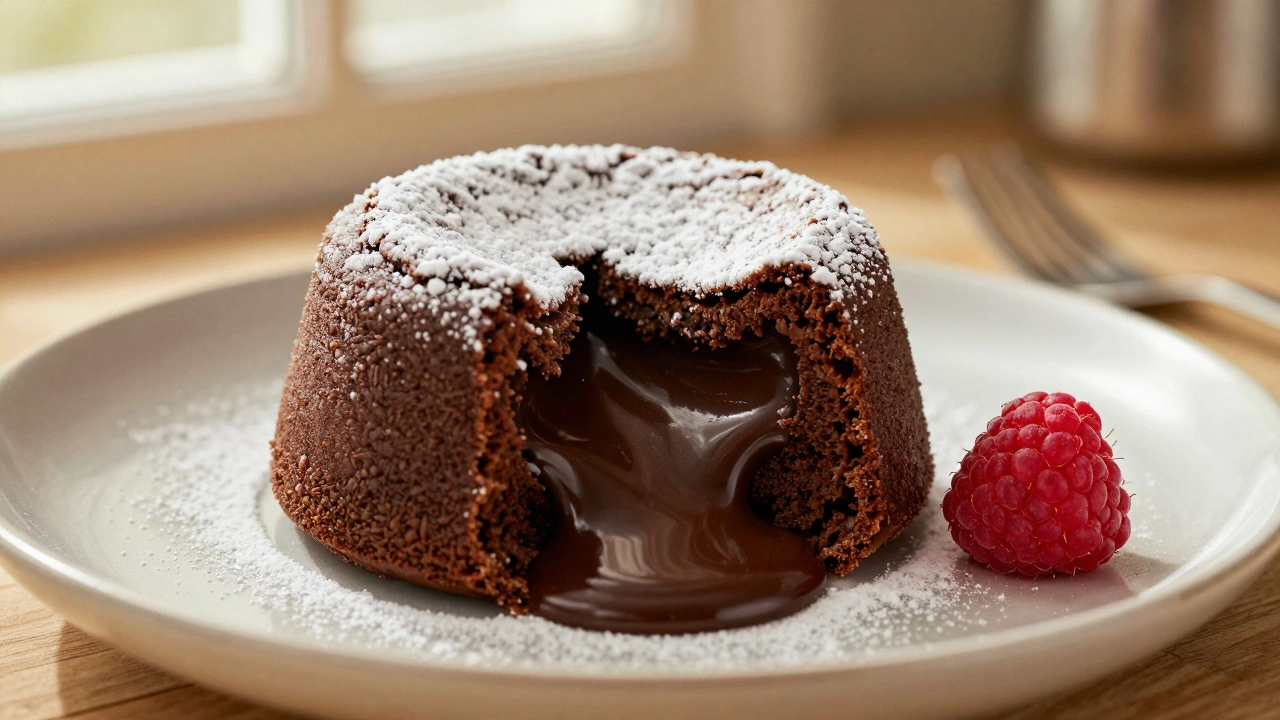
The chocolate lava cake isn’t just a dessert - it’s an experience. A warm, dense chocolate sponge with a molten center that oozes out when you cut into it. It became a restaurant staple in the 1990s, but its real popularity exploded when home bakers started making it with just five ingredients: butter, sugar, eggs, flour, and dark chocolate. The key? Underbaking it just enough. Most professional bakers aim for a 165°F internal temperature at the edges while the center stays at 110°F. It’s not fancy, but it’s unforgettable. If you’ve ever made one and had it collapse? You’re not alone. That’s why it’s still one of the most searched-for cake recipes on baking blogs.
2. Red Velvet Cake
With its deep crimson color and cream cheese frosting, red velvet cake is the poster child of Southern U.S. baking. But its origins are murky - some say it came from the Waldorf Astoria in the 1920s, others trace it to a 1940s advertisement for a cocoa brand that used red food coloring to make cakes look richer. Today, it’s not just about the color. It’s the tangy contrast between the slightly cocoa-heavy cake and the thick, buttery frosting. Many modern versions skip the food dye and use beetroot for natural color. The cake’s popularity is so strong that it’s now the #1 birthday cake choice for adults in the U.S. and the UK.
3. Carrot Cake
Don’t let the name fool you - carrot cake isn’t just for health food lovers. It’s rich, moist, and packed with warm spices like cinnamon and nutmeg. Grated carrots add natural sweetness and moisture, while walnuts and raisins give it texture. The cream cheese frosting? Non-negotiable. This cake became a household favorite in the 1970s, thanks to its balance of indulgence and perceived wholesomeness. In the UK, it’s the second most popular cake after chocolate, especially for Easter and spring birthdays. One surprising fact: the best carrot cakes use freshly grated carrots, not pre-packaged ones. The pre-shredded kind dries out too fast and loses their flavor.
4. Cheesecake
Cheesecake isn’t really a cake - it’s a custard baked in a crust. But that doesn’t stop it from dominating dessert menus. New York-style cheesecake is the most famous: dense, creamy, and baked in a graham cracker crust with a touch of lemon. It’s not light, but it’s deeply satisfying. The base recipe hasn’t changed much since the 1950s, but today’s variations are endless - matcha, Oreo, salted caramel, even savory versions with herbs and cheese. In 2025, a survey by the British Baking Association found that 68% of home bakers tried making cheesecake at least once in the past year. It’s forgiving for beginners and impressive for experts.
5. Sponge Cake (Victoria Sponge)
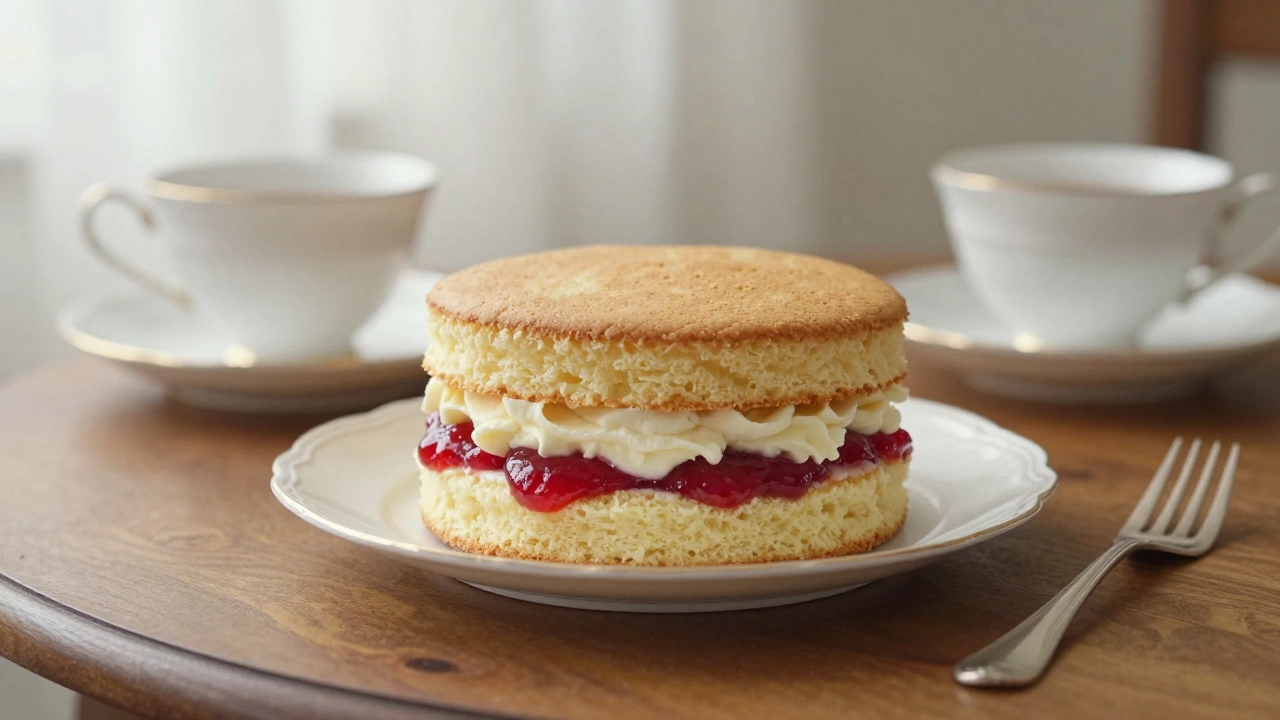
In the UK, if you ask someone what their favorite cake is, the answer is often the Victoria sponge. Two layers of light, airy sponge, sandwiched with jam and whipped cream. It’s simple. It’s elegant. It’s been around since Queen Victoria’s time. The secret? Using room-temperature eggs and beating them with sugar until they’re pale and tripled in volume. That’s how you get the lift. No butter, no oil, no chemical leaveners - just eggs, sugar, flour, and a pinch of vanilla. It’s the cake you make when you want to prove you can bake. And it’s still the default choice for afternoon tea.
6. Tiramisu
Originating in Italy, tiramisu means “pick me up” - and it does. Layers of coffee-soaked ladyfingers, mascarpone cream, and cocoa powder. It’s not baked. It’s assembled and chilled. That makes it one of the easiest cakes to make at home, but also one of the trickiest to get right. Too much alcohol? Overpowering. Too little? Boring. The best versions use espresso, not instant coffee, and a dusting of high-quality cocoa powder. In 2024, a study from the Italian Culinary Institute found that tiramisu had become the most searched-for dessert in 14 countries outside Italy. It’s now a staple in cafés from Tokyo to Toronto.
7. Funfetti Cake
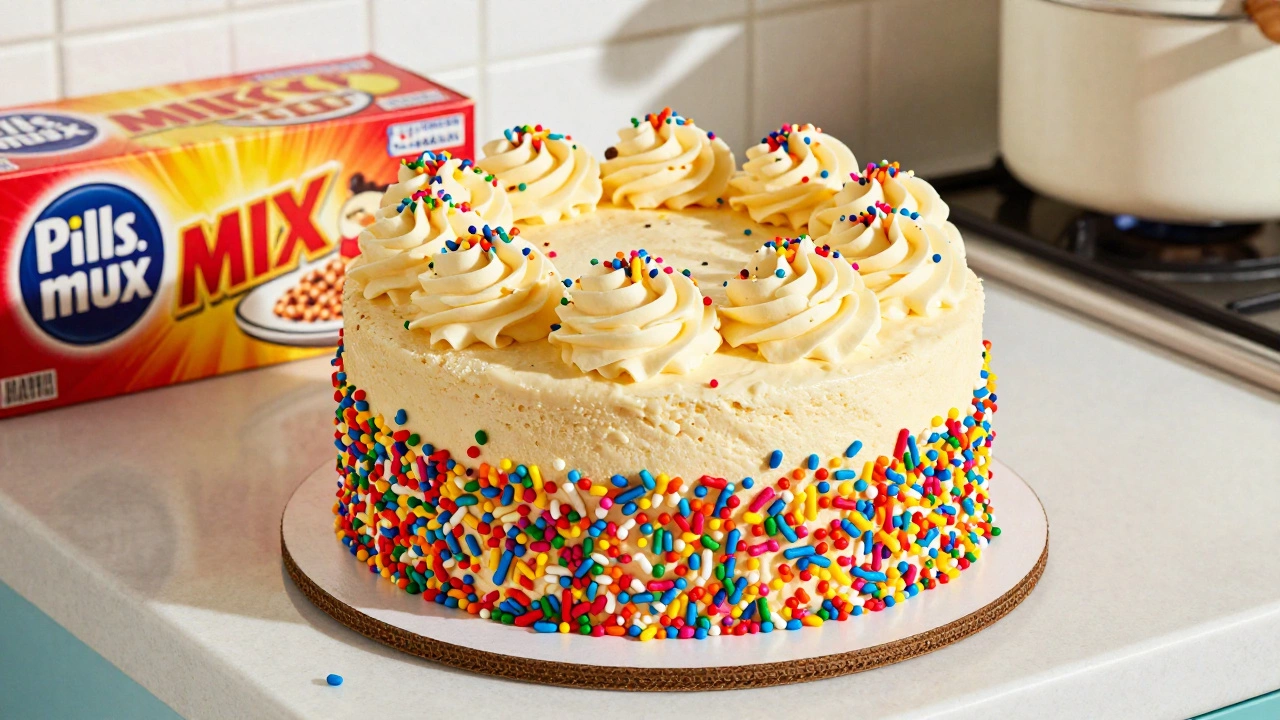
If you grew up in the 90s or 2000s, you probably remember the rainbow sprinkles on your birthday cake. Funfetti cake, originally created by Pillsbury in 1989, is a vanilla cake loaded with colorful sprinkles. It’s not gourmet. It’s not complicated. But it’s pure joy. The sprinkles aren’t just decoration - they’re baked into the batter, so they melt slightly and create little pockets of sweetness. It’s the go-to cake for kids’ birthdays, but adults love it too. In 2025, a TikTok trend brought it back with artisanal versions using hand-made sprinkles and flavored buttercreams. It’s nostalgia with a twist.
8. Black Forest Cake
From Germany’s Black Forest region, this cake layers chocolate sponge, whipped cream, and sour cherries soaked in Kirschwasser (cherry brandy). It’s finished with chocolate shavings and more whipped cream. The balance of sweet, tart, and boozy is what makes it unforgettable. It’s not easy to make - the cherries need to be pitted and macerated, the cream must be whipped just right, and the chocolate shavings have to be thin enough to melt on the tongue. But once you taste it, you’ll understand why it’s one of the most copied cakes in Europe. Many bakeries now offer non-alcoholic versions using cherry syrup instead of brandy.
9. Lemon Drizzle Cake
This one’s a British classic. A simple sponge cake with a sharp, citrusy glaze poured over the top while it’s still warm. The glaze soaks in, making every bite tangy and moist. It’s often made with yogurt or sour cream for extra tenderness. You’ll find it in nearly every UK café, served with a cup of tea. What makes it stand out? It’s the perfect balance between sweet and sour. Too much lemon? Harsh. Too little? Boring. The best versions use fresh lemon zest and juice - never bottled. In 2026, home bakers in Bristol and beyond are experimenting with variations: adding lavender, using lime instead, or swapping the glaze for a honey-lemon drizzle.
10. Angel Food Cake
Light as air, sweet as a whisper - angel food cake is made with nothing but egg whites, sugar, and flour. No butter, no yolks. It’s fluffy, delicate, and slightly chewy. It’s not a cake you eat in big slices - it’s one you savor slowly. It became popular in the U.S. in the late 1800s when electric mixers made whipping egg whites easier. Today, it’s still the go-to cake for people who want something light after a heavy meal. The trick? Using a clean, grease-free bowl to whip the egg whites. Any oil residue and it won’t rise. It’s simple, but it demands precision. And that’s why it’s still loved.
Why These 10? The Common Threads
What do these cakes have in common? They’re not all fancy. They’re not all hard to make. But they all have one thing: they stick with you. Whether it’s the memory of your grandma’s Victoria sponge, the first time you tried lava cake in a restaurant, or the joy of a birthday cake covered in sprinkles - these cakes are tied to emotion. They’re not just recipes. They’re traditions.
Some of them are old. Some are modern. But they’ve all survived because they work. They deliver texture, flavor, and feeling - every time.
What Makes a Cake Truly Popular?
It’s not just about taste. It’s about accessibility. The most popular cakes are the ones you can make with ingredients from your local supermarket. They’re the ones that don’t need a stand mixer or a pastry degree. They’re the ones that survive in home kitchens, not just in bakeries. And they’re the ones that get passed down - not in cookbooks, but in texts, voice notes, and handwritten notes stuck to the fridge.
If you’re looking to bake something that will be remembered, start with one of these. They’ve already been tested by millions.
What is the most popular cake in the UK right now?
As of 2026, the Victoria sponge remains the most popular cake in the UK, especially for afternoon tea and family gatherings. However, chocolate lava cake and carrot cake are closing the gap, especially among younger bakers who prefer rich, moist textures. Lemon drizzle cake is also seeing a revival in home kitchens.
Which cake is easiest for beginners to bake?
Lemon drizzle cake and Funfetti cake are the easiest for beginners. Both use basic ingredients, require minimal technique, and are forgiving if the batter is slightly overmixed. Lemon drizzle cake doesn’t even need frosting - just a simple syrup poured over the warm cake. Funfetti cake only requires mixing, folding in sprinkles, and baking.
Can I make these cakes without an oven?
Most of these cakes require an oven, but you can adapt some. For example, a simple sponge cake can be steamed in a pressure cooker (like a traditional British steamed pudding). Lemon drizzle cake and carrot cake can also be made in a slow cooker with a cake pan. However, cakes like lava cake, cheesecake, and angel food cake rely on precise oven heat and won’t work well without one.
Which cake has the longest shelf life?
Cheesecake and carrot cake last the longest - up to 5 days in the fridge. Their dense, moist texture holds up well. Sponge cakes and angel food cake dry out quickly and are best eaten within 24 hours. Lemon drizzle cake stays fresh longer because the syrup keeps it moist.
Are there any vegan versions of these popular cakes?
Yes, most can be adapted. Vegan chocolate lava cake uses aquafaba (chickpea brine) instead of eggs. Carrot cake works well with flaxseed eggs and plant-based cream cheese. Cheesecake can be made with cashew cream and coconut oil. Lemon drizzle cake can be veganized with plant milk and vegan butter. Angel food cake is trickier since it relies on egg whites, but some bakers now use commercial egg replacers designed for meringues.