Best Cheese for Cheesecake: Top Choices and What Works Best
Find out which cheese works best for cheesecake-cream cheese, ricotta, or mascarpone-and learn what to avoid. Get pro tips for perfect texture and flavor every time.
When you think of ricotta cheese, a fresh, mild Italian cheese made from whey, often used in both sweet and savory dishes. Also known as ricotta, it’s not just a filler—it’s the backbone of some of the most beloved desserts in Italian baking. Unlike heavy cream cheeses or dense curds, ricotta has a light, slightly grainy texture that melts into sweetness without overpowering it. That’s why it shows up in cannoli, cheesecakes, and even stuffed pastries—it adds creaminess without heaviness, and a subtle tang that balances sugar perfectly.
What makes ricotta different from other cheeses? It’s made from whey, the leftover liquid after milk is curdled for cheese like mozzarella. That means it’s lower in fat than cream cheese but still rich enough to hold its shape when baked. It doesn’t melt the way cheddar does—it holds its structure, which is why it’s perfect for fillings. You’ll find it in cannoli, a classic Sicilian dessert with crisp fried shells and sweet ricotta filling, where it’s mixed with sugar, vanilla, and sometimes chocolate chips or citrus zest. It’s also the secret behind the light texture in many no-bake cheesecakes and layer cakes. And if you’ve ever tasted a ricotta pancake or a ricotta-stuffed ravioli, you’ve felt its magic—it’s gentle, adaptable, and surprisingly versatile.
People often confuse ricotta with cottage cheese or mascarpone, but they’re not the same. Cottage cheese has larger curds and a saltier taste. Mascarpone is richer, smoother, and made from cream, not whey. Ricotta sits right in the middle—lighter than mascarpone, less watery than cottage cheese. That’s why bakers reach for it when they want structure without density. If you’re baking gluten-free or dairy-sensitive desserts, ricotta can even be swapped with plant-based alternatives like tofu ricotta, though the flavor changes. You’ll still get that creamy texture, just with a different profile.
What you’ll find in the posts below isn’t just recipes—it’s the real stories behind how ricotta works in desserts. From the exact way it’s drained and sweetened for authentic cannoli filling to why some recipes call for whole milk ricotta and others use part-skim, you’ll see the small choices that make a big difference. You’ll also learn how ricotta interacts with other ingredients—like how lemon zest brightens it, or how overmixing turns it grainy. There’s no magic here, just science and tradition. And if you’ve ever wondered why your ricotta dessert turned out too wet or too dry, the answers are in these posts. No fluff. No guesses. Just what works.
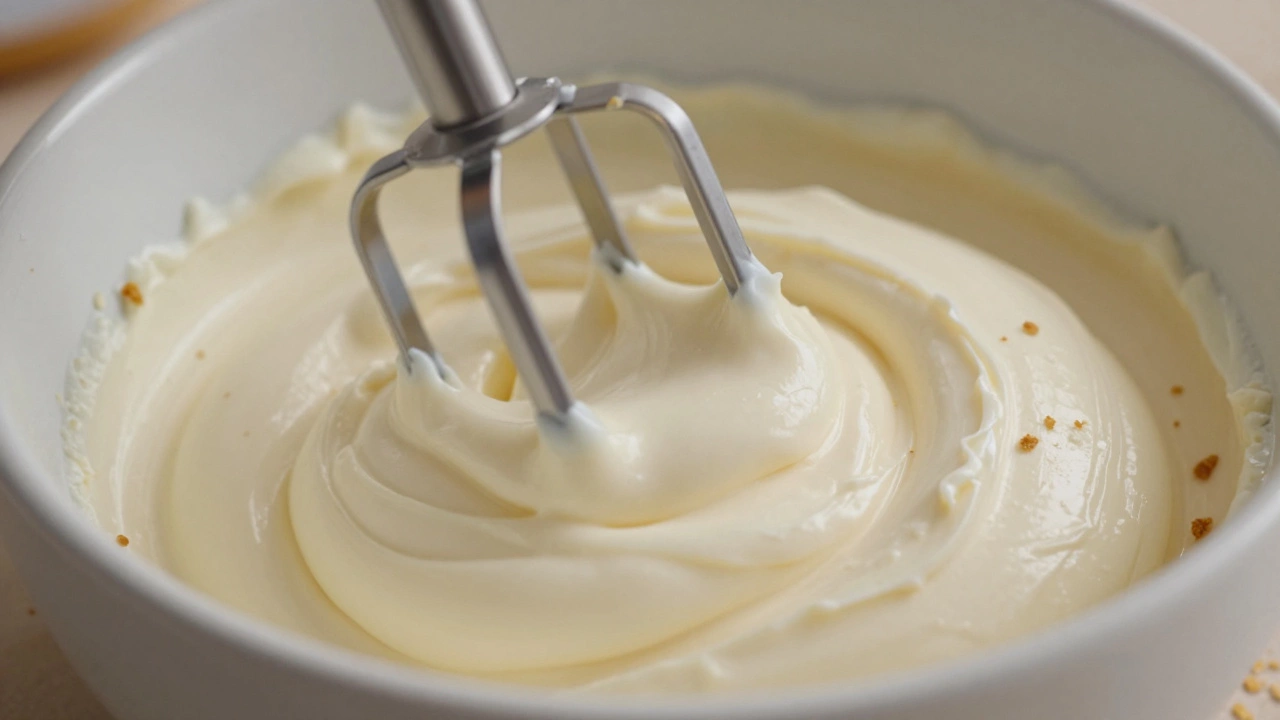
Find out which cheese works best for cheesecake-cream cheese, ricotta, or mascarpone-and learn what to avoid. Get pro tips for perfect texture and flavor every time.