Cheesecake Cheese Calculator
Recommended Cheese Blend
Select cheesecake style and size to see your custom blend.
Not all cheeses are created equal when it comes to cheesecake. Pick the wrong one, and your dessert might turn out grainy, too soft, or flat in flavor. The right cheese? It’s what turns a good cheesecake into a creamy, rich, unforgettable one.
Why Cheese Matters More Than You Think
Cheesecake isn’t just a cake with cheese sprinkled on top. It’s built on cheese-literally. The cheese is the foundation. It holds the structure, carries the flavor, and gives that signature smooth texture. If you use a cheese that’s too watery, too salty, or too firm, you’re not just changing the taste-you’re changing the whole outcome.
Think about it this way: if you used cheddar instead of cream cheese, you’d get a savory, crumbly mess. That’s not a cheesecake. That’s a mistake.
The best cheesecakes rely on cheeses that are high in fat, low in moisture, and mild in flavor. They melt evenly, blend smoothly, and hold their shape when baked. You don’t need fancy imports or artisanal labels. You need the right kind of cheese for the job.
What Cheese Do Professionals Use?
In professional bakeries-from New York to London-the go-to cheese is cream cheese. Specifically, full-fat, brick-style cream cheese like Philadelphia or its UK equivalents such as Cathedral City or Marks & Spencer’s own brand.
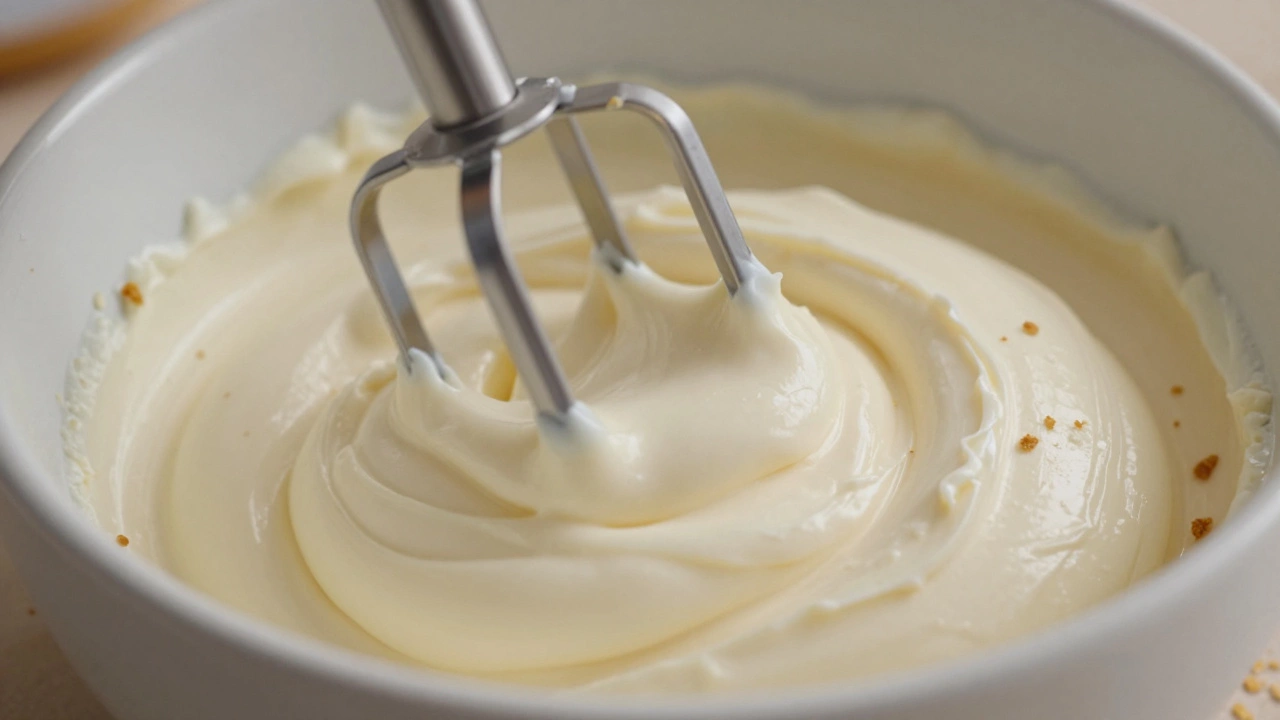
Why? Because it has about 33% fat, just the right amount of moisture, and a clean, slightly tangy taste that doesn’t overpower. It blends into a velvety batter without lumps, bakes evenly, and sets firmly in the fridge. Most classic New York-style cheesecakes use nothing else.
Some recipes call for a mix: 80% cream cheese, 20% mascarpone. That’s because mascarpone adds extra richness and silkiness. It’s not a replacement-it’s a boost.
Can You Use Ricotta?
Yes. But only if you’re making an Italian-style cheesecake.
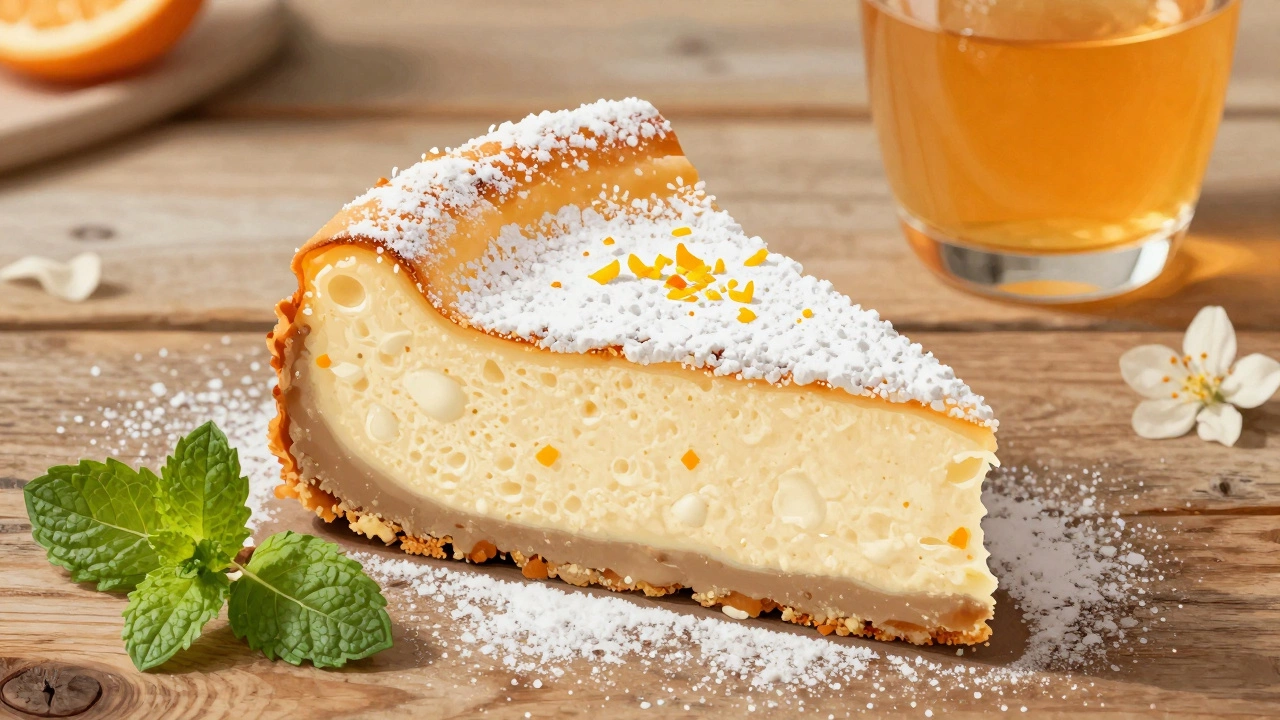
Ricotta is the traditional cheese in Sicilian and Roman cheesecakes. It’s lighter, grainier, and has a slightly sweet, milky flavor. It’s not as dense as cream cheese, so the texture ends up more like a custard than a thick slice.
If you use ricotta, you must drain it first. Place it in a fine-mesh sieve lined with cheesecloth and let it sit in the fridge for at least 4 hours-or overnight. Otherwise, your cheesecake will weep liquid and never set properly.
Italian cheesecakes often include lemon zest, orange blossom water, or candied citrus peel. They’re not meant to be as heavy as New York versions. They’re springier, airier, and perfect for warmer days.
What About Mascarpone?
Mascarpone is buttery, luxurious, and incredibly smooth. It’s made from cream, not milk, so it’s higher in fat than cream cheese-often 60% or more. That means it adds decadence, but it also makes the filling softer.
Using 100% mascarpone for a cheesecake? It won’t hold its shape well after baking. The crust might sink. The edges might crack. It’ll taste amazing, but it’ll be messy to serve.
The trick? Use it as a supplement. Swap out 25% of your cream cheese for mascarpone. You’ll get a silkier texture and a deeper flavor without losing structure. It’s the secret behind many upscale restaurant cheesecakes.
What Cheeses Should You Avoid?
Some cheeses are tempting because they sound fancy or are on sale-but they’ll ruin your cheesecake.
- Cottage cheese: Too watery and lumpy. Even blended, it leaves a grainy texture.
- Goat cheese: Strong, tangy, and earthy. It overpowers the delicate sweetness.
- Feta: Salty, crumbly, and too acidic. Save it for salads.
- Cheddar or Gouda: These are for sandwiches and platters. They don’t melt smoothly and can make the batter oily.
- Low-fat or spreadable cream cheese: These have added water, stabilizers, or air. They won’t set properly. Stick to full-fat, block-style only.
Buying Tips for the Best Cheese
Here’s what to look for when you’re standing in the dairy aisle:
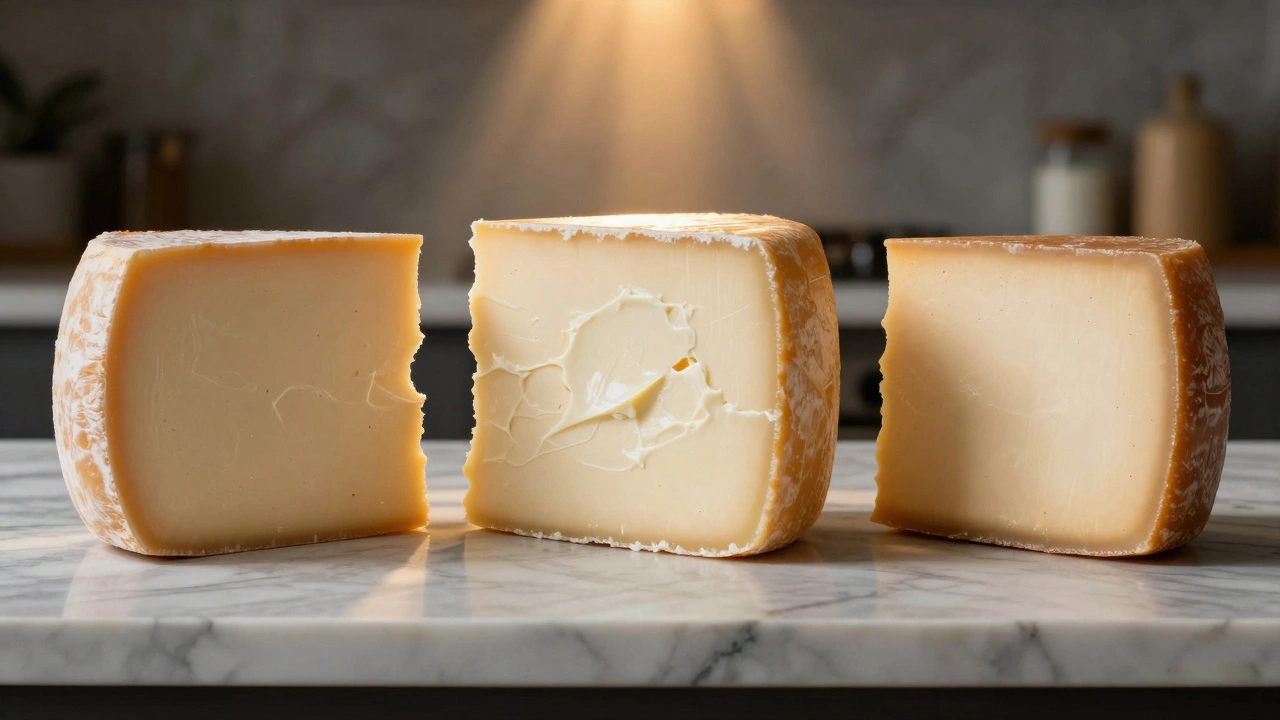
- Check the fat content: Look for at least 30% fat. The higher, the better-up to 33%.
- Buy block, not tub: Tub cream cheese often has stabilizers and air whipped in. Block cheese is denser and more reliable.
- Use room temperature cheese: Cold cheese doesn’t blend well. Take it out of the fridge 1-2 hours before baking.
- Don’t overmix: Once you add the eggs, mix just until combined. Overbeating adds air, which causes cracks.
- Check the expiration date: Fresh cheese tastes cleaner. Old cheese can taste sour or off, even if it’s not spoiled.
Regional Variations and What They Tell You
Every culture has its own cheesecake. And each one uses a different cheese for a reason.
In the U.S., it’s cream cheese-dense, rich, and baked until firm. In Italy, it’s ricotta-lighter, with a hint of citrus. In Japan, they use soft white cheese like Neufchâtel and add matcha or red bean paste. In Sweden, they use quark, a cultured dairy product similar to Greek yogurt but thicker.
These differences aren’t random. They reflect what’s locally available and what texture people prefer. If you want a classic American-style cheesecake, stick with cream cheese. If you’re experimenting, try swapping in ricotta or mascarpone-but know what you’re changing.
Final Recommendation
For 9 out of 10 cheesecakes, cream cheese is the answer. It’s reliable, widely available, and delivers the texture and flavor most people expect.
Want to elevate it? Add 25% mascarpone for extra silkiness. Or, if you’re feeling adventurous, try half ricotta (drained!) for a lighter, more rustic version.
But don’t waste time with cottage cheese, feta, or low-fat spreads. They’re not shortcuts-they’re shortcuts to disappointment.
Get the right cheese. Let it come to room temperature. Mix gently. Bake slowly. Chill overnight. That’s all it takes to make a cheesecake that people remember.
Can I use Greek yogurt instead of cream cheese for cheesecake?
No, Greek yogurt is too acidic and watery. It lacks the fat content needed to set properly. Even strained Greek yogurt won’t give you the dense, creamy texture of a real cheesecake. It might work in a no-bake dessert, but not in a traditional baked cheesecake.
Is Philadelphia cream cheese the best brand?
Philadelphia is widely trusted because it’s consistent-same fat content, same texture, same taste every time. But many UK brands like Cathedral City, Sainsbury’s, or Waitrose full-fat cream cheese work just as well. The key isn’t the brand-it’s that it’s full-fat, block-style, and free of additives like stabilizers or extra water.
Can I freeze cheesecake made with cream cheese?
Yes, absolutely. Cream cheese-based cheesecakes freeze very well. Wrap the whole cake tightly in plastic wrap, then in foil. Freeze for up to 2 months. Thaw overnight in the fridge before serving. The texture stays smooth-no graininess or separation.
Why does my cheesecake crack on top?
Cracks usually happen because the batter was overmixed (adding too much air) or baked too hot. Bake at 325°F (160°C) and use a water bath if you can. Also, turn off the oven and leave the cake inside with the door cracked open for an hour after baking. This slow cooling prevents sudden shrinkage.
Can I make a vegan cheesecake with plant-based cheese?
Yes, but not with store-bought vegan cheese slices. Those are made for melting on pizza, not baking. For vegan cheesecake, use soaked cashews blended with coconut cream, maple syrup, and lemon juice. It mimics the texture of cream cheese without dairy. Brands like Kite Hill or Miyoko’s can work in no-bake versions, but results vary.