Gluten-Free Lifestyle: What It Really Means and How to Live It
When you start a gluten-free lifestyle, a way of eating that removes wheat, barley, and rye to manage health conditions like celiac disease or gluten sensitivity. Also known as gluten-free diet, it’s not a trend—it’s a daily practice that changes how you shop, cook, and even eat out. Many people think it’s just about swapping bread for gluten-free loaves, but the real challenge is spotting what’s hiding in plain sight.
Take hidden gluten, gluten that shows up in foods you’d never expect, like soy sauce, salad dressings, or even some medications. One study from a major food safety lab found that nearly 30% of products labeled "gluten-free" still had trace amounts from cross-contamination during manufacturing. That’s why knowing how to read labels isn’t enough—you need to understand how gluten cross-contamination, when gluten-free food touches gluten-containing food or surfaces can ruin your day. A shared toaster, a dirty knife, or even flour dust in the air can trigger symptoms for someone with gluten intolerance.
And it’s not just about what you avoid—it’s about what you replace. gluten-free baking, the process of making cakes, cookies, and breads without wheat flour is tricky. Most gluten-free flours don’t behave like wheat flour. Without xanthan gum or proper blending, your cake turns crumbly or gummy. That’s why people who stick with it learn to mix rice flour with tapioca starch, use psyllium husk for structure, and always preheat their ovens correctly. It’s science, not magic.
You’ll also find that some foods you thought were safe aren’t. Greek yogurt, a common ingredient in gluten-free desserts and snacks is naturally free of gluten—but flavored versions often contain thickeners or stabilizers that aren’t. Same with oats: pure oats are safe, but most are processed in facilities that handle wheat. That’s why checking for certified gluten-free labels matters more than ever.
And let’s talk about the emotional side. Sticking to a gluten-free lifestyle means saying no to birthday cake at work, skipping family potlucks, or explaining your needs again and again. But it doesn’t mean giving up joy. You can still have fudge that sets right, pavlova with a marshmallow center, and cheesecake that doesn’t make you feel awful afterward. The key is knowing what works—and what doesn’t.
Below, you’ll find real guides from people who’ve been there: how to flush gluten out after a slip-up, which foods secretly contain gluten, why your gluten-free cake crumbles, and how to pick safe ingredients without guessing. No fluff. No myths. Just what you need to live well without gluten.
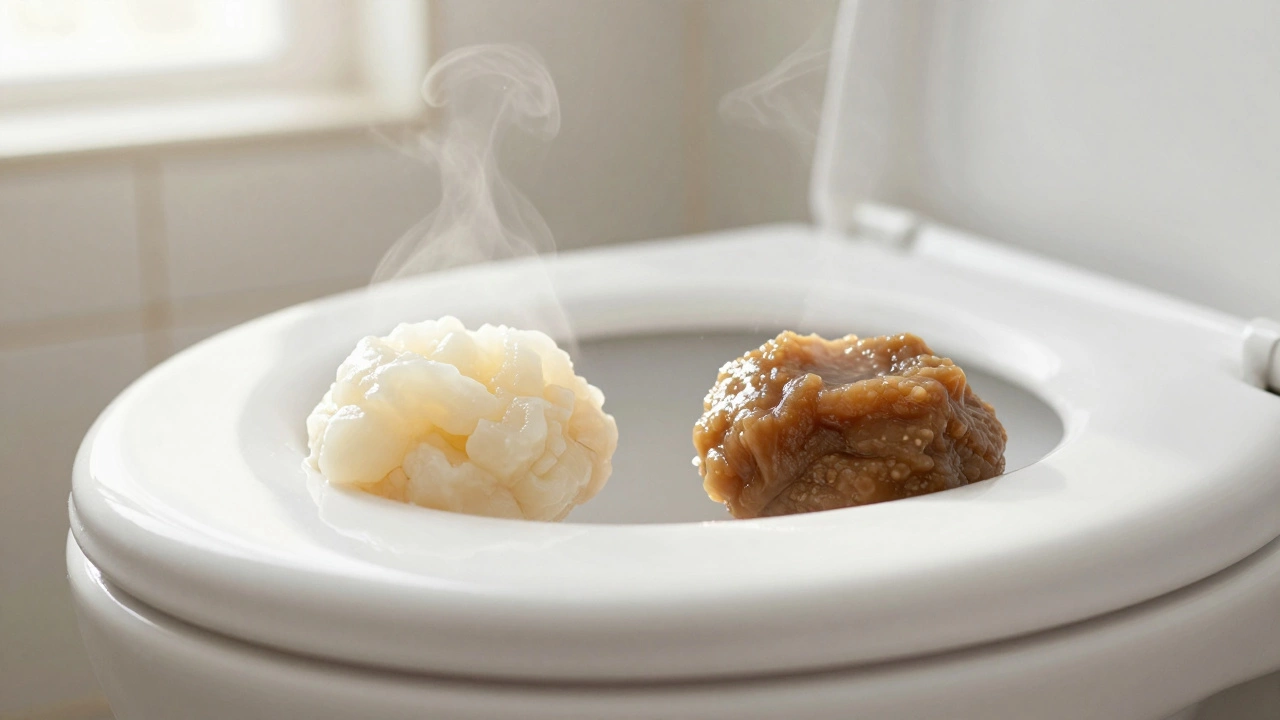
Many people experience dramatic improvements in bowel habits after going gluten-free-less bloating, firmer stools, fewer trips to the bathroom. Here's what actually changes in your digestion-and why gluten-free cakes aren't always the answer.