Brownie Batter Resting Simulator
Adjust the slider to see how resting your batter changes the outcome of your brownies.
1. Set Resting Time
2. Predicted Outcome
Moderate Density
Chewy edges with a slightly dense center. Good general-purpose result.
Minor cracking with a shiny surface.
Standard chocolate flavor. Cocoa notes are present but not deeply developed.
General purpose baking where you want a balance of chew and softness.
Why This Happens?
Hydration
Resting allows flour starches to absorb moisture evenly, reducing the need for mixing which prevents tough gluten strands.
Gas Stabilization
Leavening gases escape or stabilize over time. Less trapped air means less rise, resulting in a denser, fudgier crumb.
Fat Solidification
Cold fats create distinct pockets that melt slowly during baking, coating flour particles and inhibiting gluten formation further.
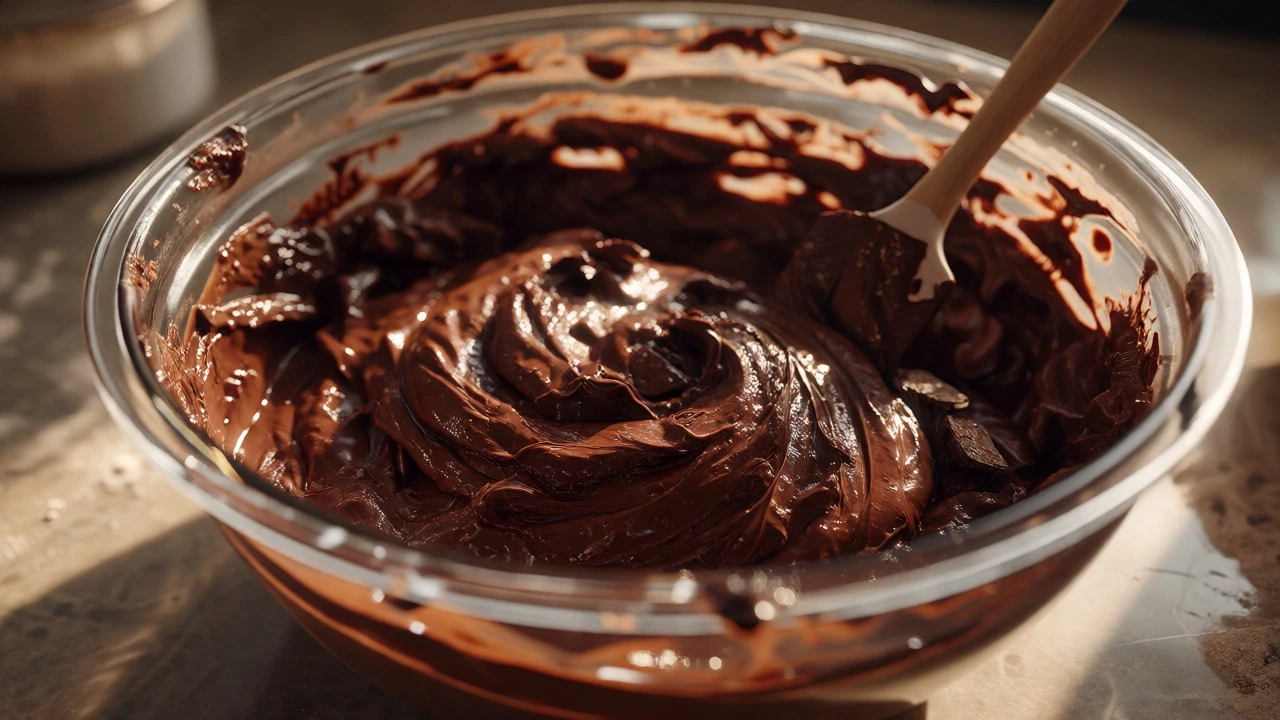
You’re standing in your kitchen, spatula in hand, staring at a bowl of thick, glossy brownie batter. It’s mixed perfectly. The oven is preheated to 350°F (175°C). Your mouth waters just thinking about that first bite. But then you see it: a recipe note that says "refrigerate for 24 hours." Do you really have to wait? Is this some pretentious baker’s trick, or does resting the dough actually change what happens inside your pan?
Here’s the short answer: yes, it changes things. And no, you don’t always *have* to do it, but if you want those crackly tops and dense, chewy centers that define a perfect brownie, patience pays off. Let’s break down why waiting works, when you can skip it, and how to get the best results without losing your mind.
The Chemistry of Waiting
When you mix flour with water-based ingredients like eggs, milk, or melted butter, two main things happen immediately. First, the starches in the flour begin to absorb moisture. Second, gluten proteins start to form networks. In bread making, we want strong gluten development. In brownies? Not so much. We want tender, soft crumb.
Resting the batter allows time for these processes to settle. As the mixture sits, especially in the fridge, the flour hydrates more evenly. This reduces the need for excessive mixing later, which prevents tough gluten strands from forming. Think of it as letting the ingredients introduce themselves politely before the party starts, rather than shoving them all into a room at once.
There’s also a chemical reaction involving leavening agents. Most brownie recipes use baking powder or baking soda. These react with acids and moisture to create carbon dioxide bubbles. If you bake immediately, those bubbles are fresh and volatile. They expand quickly in the heat, creating a cake-like rise. If you rest the batter, particularly overnight, some of that initial gas escapes or stabilizes. This leads to less airiness and more density-key traits of a fudgy brownie.
Fudgy vs. Cakey: How Resting Changes Texture
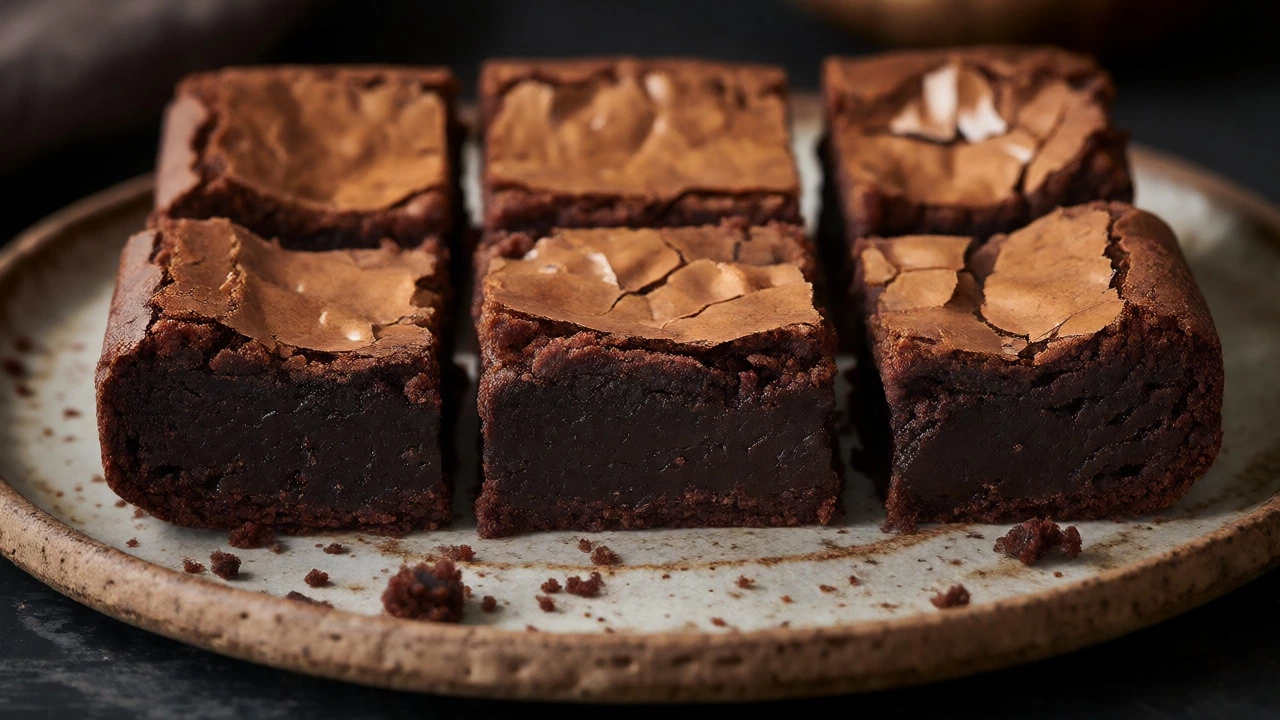
The biggest debate among home bakers is whether to aim for fudgy or cakey brownies. Resting the batter heavily influences this outcome. When you chill the batter, the fats (butter or oil) solidify. This creates distinct pockets of fat within the dough structure. During baking, these pockets melt slowly, coating the flour particles and inhibiting gluten formation even further. The result? A denser, moister interior that feels rich and indulgent on the tongue.
Conversely, baking immediately after mixing traps more air. The rapid expansion of gases during the initial heat shock creates larger air cells. These cells set quickly, resulting in a lighter, fluffier crumb. If you prefer your brownies light enough to stand up to a scoop of ice cream without collapsing, skipping the rest might be your move.
| Resting Time | Texture Profile | Top Appearance | Best For |
|---|---|---|---|
| 0 Minutes (Immediate) | Cakey, airy, lighter crumb | Smooth, uniform crust | Brownies meant for layering or frosting |
| 30-60 Minutes | Chewy edges, slightly dense center | Minor cracking, shiny surface | General purpose baking |
| 12-24 Hours (Refrigerated) | Dense, fudgy, intensely flavored | Pronounced crackly top | Classic "bakery-style" brownies |
The Magic of the Crackly Top
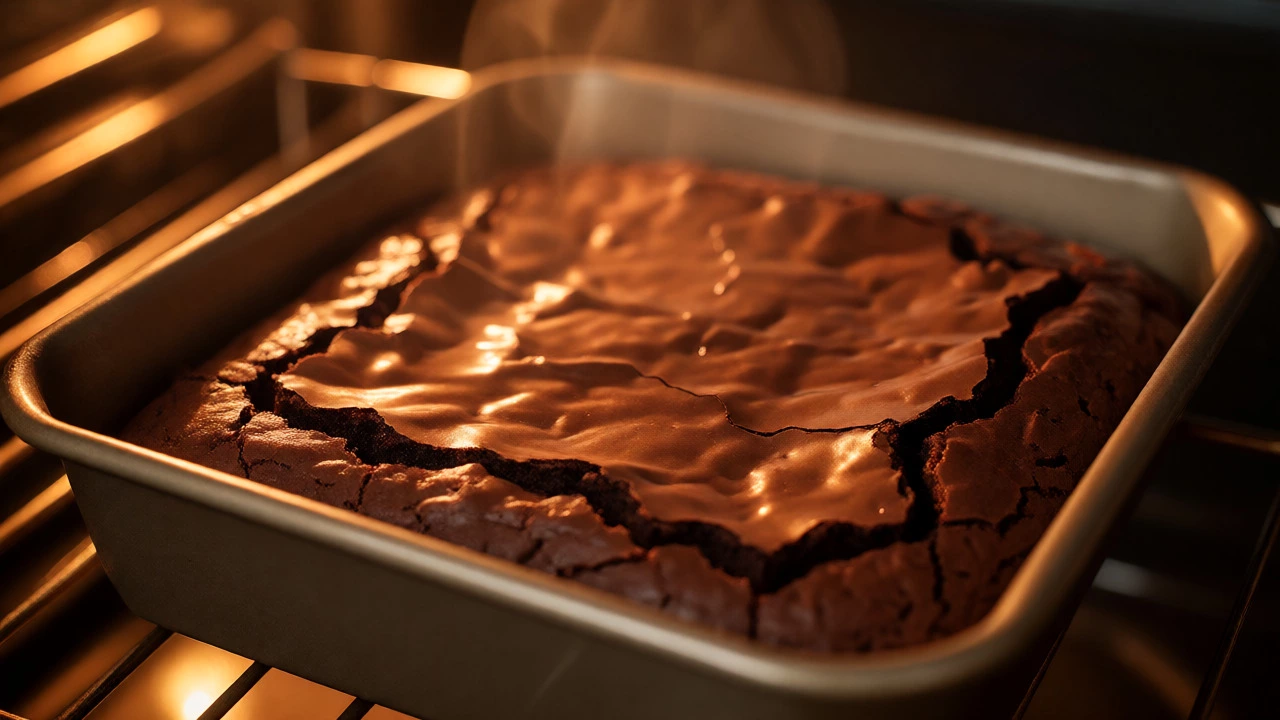
If there’s one thing people obsess over, it’s the shiny, crackled skin on top of a brownie. Achieving this isn’t just about sugar content; it’s about timing and temperature control. Resting the batter plays a huge role here.
When batter rests, particularly in the refrigerator, the sugars dissolve more completely into the liquid components. This creates a supersaturated solution. As the brownie bakes, the surface dries out faster than the interior because it’s exposed to direct heat. The dissolved sugars migrate to the surface, concentrating and caramelizing. Because the batter was cold going in, the exterior sets before the interior fully rises, trapping steam underneath. That steam pushes up against the setting crust, causing it to split. Those splits reveal the moist, dark chocolate beneath, creating the signature look.
Without resting, the batter is often too warm and aerated. The surface sets uniformly, leading to a smooth, matte finish rather than a glossy, cracked one. If you’ve ever wondered why store-bought brownies look different from homemade ones, it’s often because commercial producers let their mixes sit longer than most home cooks do.
Flavor Development Over Time
Time doesn’t just change texture; it deepens flavor. Freshly mixed batter tastes good, sure. But after sitting for several hours, the cocoa powder has more time to bloom. Cocoa contains complex flavor compounds that need moisture and time to fully release. This is similar to how chili tastes better the next day.
Additionally, resting allows any added spices, vanilla, or extracts to meld into the fat and sugar base. Instead of tasting like separate notes of "vanilla" and "chocolate," you get a harmonized profile. If you’re using high-quality dark chocolate chunks, resting gives them a chance to soften slightly and integrate with the surrounding dough, ensuring every bite has consistent chocolate distribution.
Practical Tips for Resting Your Batter
So, you’re convinced. You want to try the resting method. Here’s how to do it without turning your kitchen into a science experiment.
- Use an airtight container: Cover the bowl tightly with plastic wrap, pressing it directly onto the surface of the batter. This prevents a skin from forming on top, which can create uneven baking spots.
- Keep it cold: Store the batter in the coldest part of your fridge. Consistency matters. If the fridge fluctuates wildly, the fats may melt and re-solidify repeatedly, affecting the emulsion.
- Don’t over-mix after resting: When you pull the batter out, give it a gentle stir to redistribute ingredients. Do not whip it vigorously. You’ve already done the work; now you just need to level it out.
- Adjust baking time: Cold batter takes longer to bake. Add 3-5 minutes to your standard baking time. Check for doneness by inserting a toothpick into the center. It should come out with a few moist crumbs attached, not wet batter.
What if you’re in a rush? Can you fake it? Sort of. Chilling the batter for just 30 minutes helps hydrate the flour slightly. It won’t give you the same depth as overnight, but it’s better than nothing. Another hack is to melt your butter and chocolate, then let them cool completely before adding eggs. This mimics the temperature drop of refrigeration without the long wait.
When You Should Skip the Rest
Not every situation calls for patience. If you’re making box mix brownies, the pre-mixed dry ingredients often contain stabilizers that don’t benefit as much from resting. In fact, letting boxed batter sit too long can sometimes make it gummy due to excess starch activation.
Also, if you’re using a recipe with whipped egg whites folded in for lift, resting will deflate those delicate foams. You’ll lose the airy structure you worked hard to create. Always check the specific technique required by your recipe. If it relies on mechanical leavening (whipping), bake immediately. If it relies on chemical leavening (baking powder/soda) and density, rest away.
Troubleshooting Common Issues
Even with the best intentions, things can go wrong. Here’s how to fix common problems related to resting.
Problem: My brownies are too dense.
Solution: You likely rested them too long or used too little leavening agent. Next time, reduce resting time to 4 hours or increase baking powder by 1/4 teaspoon.
Problem: No crackly top.
Solution: Ensure your oven is hot enough. Also, make sure the batter is well-chilled before entering the oven. The temperature contrast drives the cracking process.
Problem: Uneven baking.
Solution: If you rested the batter, ensure it’s stirred well before pouring. Settling can cause heavier solids to sink, leaving a watery top layer.
Can I freeze brownie batter?
Yes, you can freeze brownie batter. Portion it into freezer-safe bags or containers, removing as much air as possible. Thaw it in the refrigerator overnight before baking. Note that frozen batter may require slightly longer baking times as it starts colder than refrigerated batter.
Does resting affect gluten-free brownies?
Resting is highly beneficial for gluten-free brownies. Gluten-free flours (like almond or rice flour) often take longer to absorb moisture. Resting allows the starches to hydrate fully, preventing a gritty or sandy texture. Aim for at least 2 hours of resting time for GF recipes.
Why did my rested brownies taste metallic?
This usually indicates a reaction between acidic ingredients (like cocoa or sour cream) and reactive metal bowls (aluminum or copper). Use glass, stainless steel, or ceramic bowls for resting batter to avoid metallic tastes.
Is 24 hours too long to rest brownie batter?
For most standard recipes, 24 hours is the sweet spot. Going beyond 48 hours can lead to excessive hydration, making the final product gummy rather than fudgy. Stick to the 12-24 hour window for best results.
Do I need to cover the batter while it rests?
Yes, covering is essential. Uncovered batter will dry out and form a skin, which can prevent proper rising and create an unpleasant texture. Plastic wrap pressed directly onto the surface works best.