Gluten-Free Cheese Checker
Select a cheese type to view its typical gluten risk level and important considerations.
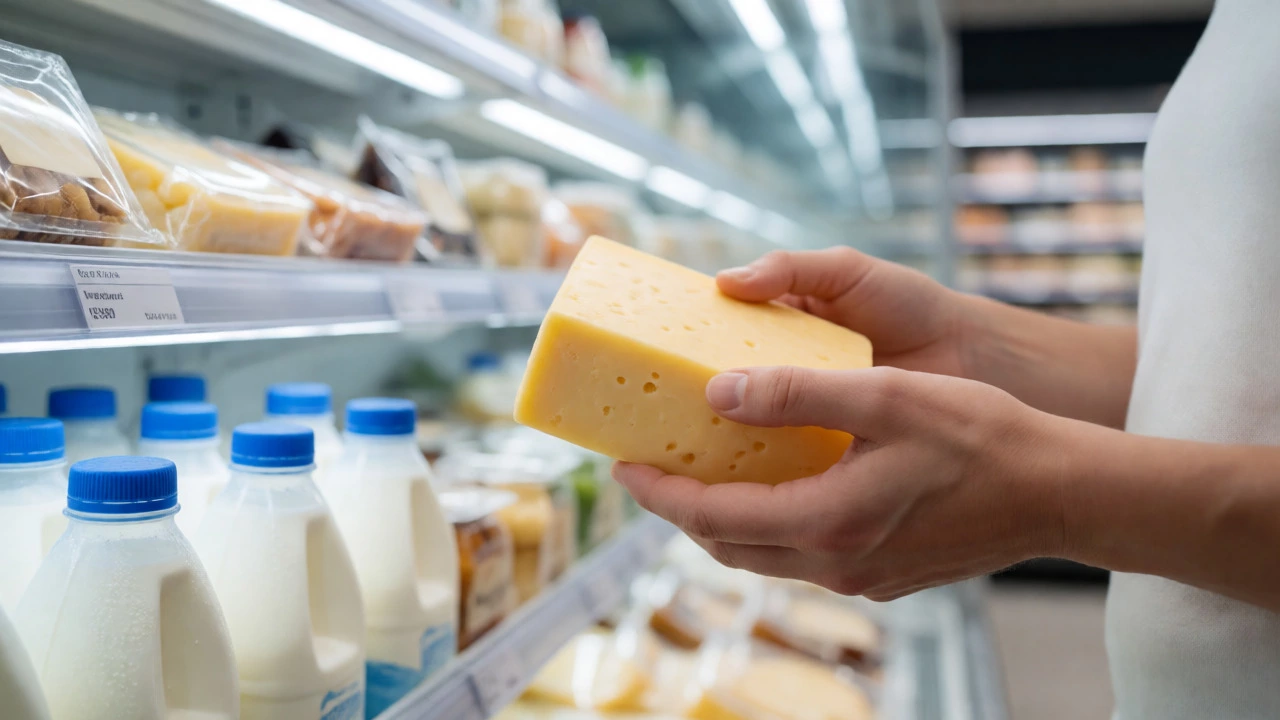
You’re standing in the dairy aisle, staring at a block of sharp cheddar. You’ve just been diagnosed with coeliac disease, or maybe you’re trying out a gluten-free lifestyle for better digestion. The question hits you: does cheese have gluten? It’s a fair worry. When you’re used to checking every label, even plain-looking foods can feel like traps. Here is the short answer: pure, natural cheese is naturally gluten-free. But life isn’t always that simple. Processed cheeses, flavoured varieties, and certain storage methods can introduce hidden gluten. If you’re planning to bake a stunning gluten-free cake or just want a safe snack, you need to know exactly which cheeses are safe and where the risks hide.
The Natural State of Cheese
Let’s look at what cheese actually is. At its core, cheese is milk, salt, bacteria, and rennet. None of these ingredients contain gluten. Gluten is a protein found in wheat, barley, and rye. Since cheese comes from animal milk (or plant-based alternatives made without gluten grains), it doesn’t inherently possess this protein. So, if you pick up a block of Parmesan, Mozzarella, or Brie, you are generally safe. The fermentation process itself doesn’t create gluten. In fact, many traditional cheesemakers have been producing these products for centuries without ever considering gluten as an issue because it simply wasn’t there.
However, "generally safe" is doing a lot of heavy lifting in that sentence. While the base product is clean, the modern food industry loves to add things. Thickeners, stabilisers, and flavourings are common in processed cheese products. This is where your detective skills come into play. You aren’t just looking for "cheese" on the ingredient list; you’re looking for modified food starch, wheat flour, or malt flavouring.
Which Cheeses Are Naturally Gluten-Free?
If you want peace of mind, stick to whole-milk, unprocessed cheeses. These are your safest bets. Hard cheeses like Cheddar, Parmesan, Gouda, and Swiss are almost always free from gluten additives. They are aged, dense, and rarely require extra binders. Soft cheeses like Mozzarella, Ricotta, and Feta are also typically safe, provided they are stored in brine rather than a seasoned oil mix that might contain wheat-based thickeners.
Here is a quick breakdown of common cheeses and their typical gluten status:
| Cheese Type | Typical Gluten Status | Watch Out For |
|---|---|---|
| Cheddar | Low Risk | Pre-shredded bags (anti-caking agents) |
| Mozzarella | Low Risk | Flavoured sticks or breaded versions |
| Cream Cheese | Medium Risk | Spreadable tubs with added flavours |
| Blue Cheese | Medium Risk | Mould cultures grown on gluten-containing grains |
| Processed Cheese | High Risk | Slices, sprays, and cheese sauces |
The Hidden Dangers: Cross-Contamination and Additives
Even if the cheese itself is gluten-free, how it gets to your plate matters. Let’s talk about cross-contamination. This is a big deal for people with coeliac disease. Imagine a deli counter. The same knife that slices ham might slice your provolone. The same board that holds a sandwich roll might hold your cheese. If you buy cheese from a busy deli, assume it has touched gluten. It’s not worth the risk unless the staff uses fresh paper and gloves specifically for your order.
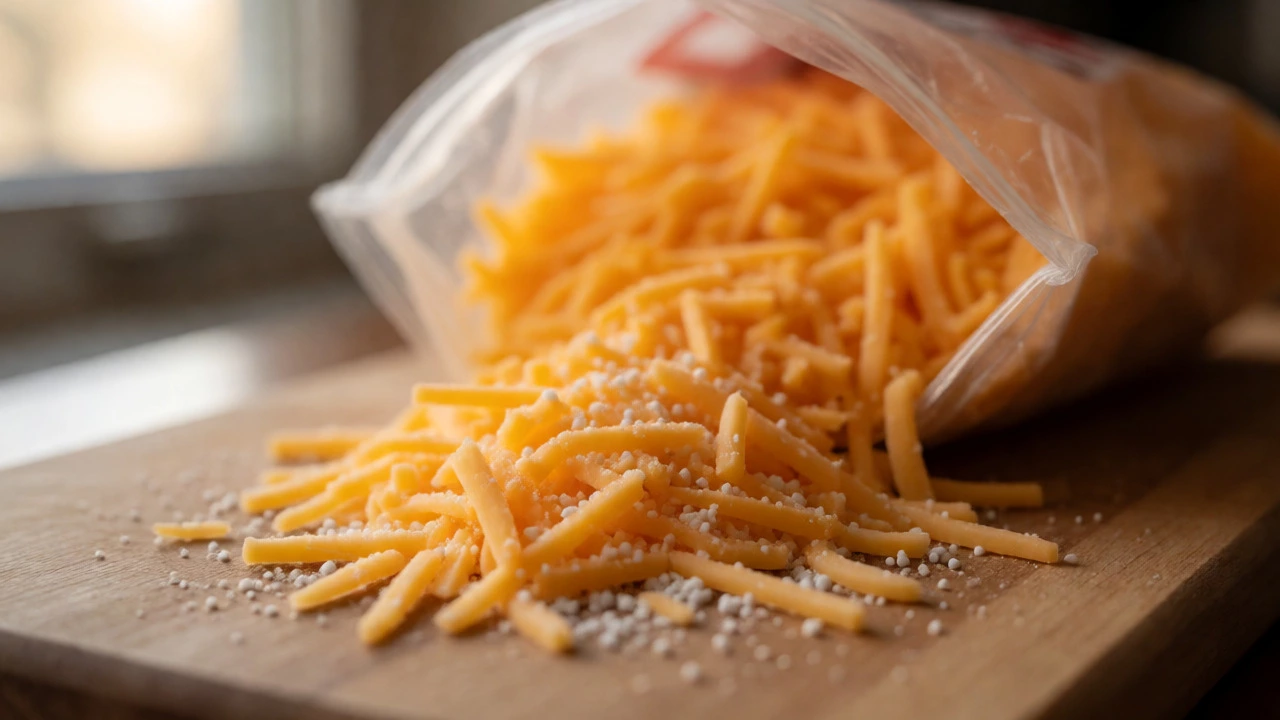
Then there are the additives. Shredded cheese is a notorious offender. To keep those shreds from clumping together in the bag, manufacturers often use anti-caking agents. Cellulose powder is usually fine, but some brands use potato starch or, worse, wheat flour. Always check the back of the package. If you see "modified corn starch," you’re likely okay. If you see "wheat" or "barley malt," put it back.
Another sneaky culprit is blue cheese. Traditional blue moulds, like Penicillium roqueforti, were historically grown on rye bread. While modern production often uses gluten-free substrates, older methods or artisanal producers might still use grain-based cultures. If you love Roquefort or Gorgonzola, contact the manufacturer directly or look for a certified gluten-free label. Don’t guess with mouldy cheese.
Reading Labels Like a Pro
Labels can be tricky. In the UK and EU, allergens like wheat must be bolded or highlighted in the ingredient list. This makes spotting gluten easier. However, terms like "natural flavours" or "spices" can be vague. If a cheese sauce says "contains natural flavours," it *could* include barley malt. If you have severe sensitivity, avoid anything with ambiguous wording unless it carries a specific certification.
Look for logos. The crossed-grain symbol or a statement saying "Certified Gluten-Free" by organisations like Coeliac UK provides a safety net. These certifications involve regular testing to ensure the product contains less than 20 parts per million of gluten, which is the international standard for safety. If you don’t see a logo, read the ingredients. If you still aren’t sure, call the company. Most major brands have consumer service lines that can tell you exactly what goes into their cream cheese spread.
Baking with Cheese: Tips for Gluten-Free Success
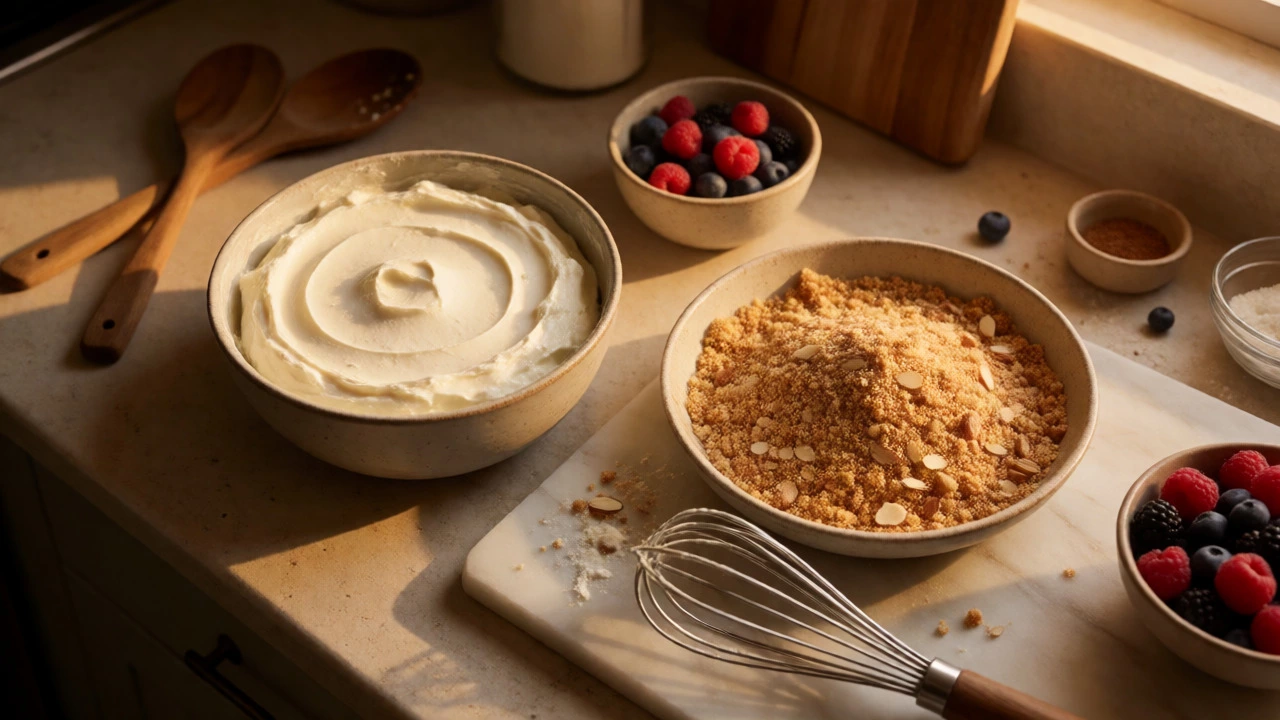
Since you’re interested in gluten-free cakes, let’s connect this to baking. Cheese plays a huge role in desserts, especially cheesecakes. Standard cheesecake recipes often use a biscuit base made from graham crackers or digestive biscuits, both of which contain wheat. You’ll need to swap these for gluten-free biscuits or make a crust from crushed almonds or pecans mixed with butter.
When mixing your filling, ensure your cream cheese is full-fat and unflavoured. Low-fat versions sometimes contain more stabilisers, increasing the chance of gluten additives. Also, watch out for vanilla extract. Pure vanilla is gluten-free, but imitation vanilla or cheap extracts might use alcohol derived from wheat. Stick to high-quality, labelled gluten-free vanilla to keep your dessert safe.
For savoury bakes, like gluten-free quiches or soufflés, double-check your cheese. If you’re using a pre-grated blend, verify the anti-caking agent. If you’re making a béchamel sauce for a lasagne, remember that traditional roux uses flour. Swap that for rice flour or cornstarch to keep the whole dish gluten-free.
What About Plant-Based Cheeses?
Vegan cheeses are a different beast entirely. Many are made from nuts, soy, or coconut oil. While these bases are gluten-free, vegan cheese is highly processed. It relies heavily on thickeners and emulsifiers to mimic the texture of dairy cheese. Tapioca starch and potato starch are common and safe. However, some cheaper brands use wheat starch to save money. Always read the label. Just because it’s vegan doesn’t mean it’s gluten-free.
Also, consider cross-contact in factories. A facility that processes both wheat-based pasta and nut-based cheese might have airborne gluten particles. If you are highly sensitive, look for vegan cheeses produced in dedicated gluten-free facilities.
Frequently Asked Questions
Is all shredded cheese gluten-free?
Not necessarily. While the cheese itself is gluten-free, shredded cheese often contains anti-caking agents to prevent clumping. Some brands use wheat flour or potato starch. Always check the ingredient list for wheat, barley, or rye derivatives before buying.
Can I eat blue cheese if I have coeliac disease?
It depends on the brand. Traditionally, blue mould was grown on rye bread, which contains gluten. Modern producers often use gluten-free cultures, but it varies. Look for a certified gluten-free label or contact the manufacturer to confirm their culture source.
Are cheese spreads safe for a gluten-free diet?
Cheese spreads are processed products that frequently contain additives, preservatives, and thickening agents. Wheat flour is a common thickener in cheaper brands. Only consume cheese spreads that explicitly state they are gluten-free or have no wheat-derived ingredients listed.
Does cooking cheese remove gluten?
No. Cooking does not break down gluten proteins sufficiently to make them safe for someone with coeliac disease. If a cheese product contains gluten additives, it will remain unsafe regardless of whether you melt, bake, or fry it.
Is ricotta cheese gluten-free?
Plain ricotta is naturally gluten-free. However, flavoured ricottas or those sold in tubs with added herbs or spices may contain gluten-based fillers. Stick to plain, whole-milk ricotta from reputable brands that certify their products as gluten-free.