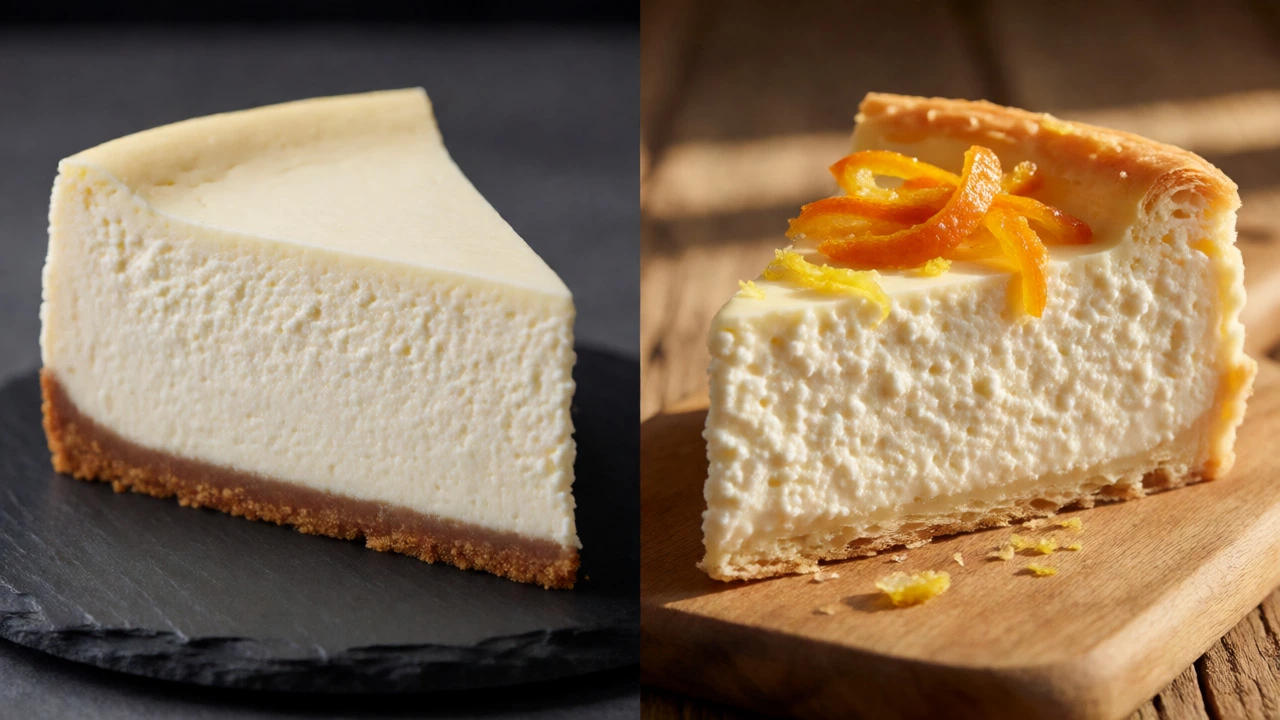
Cheesecake Personality Quiz
Not sure which cheesecake is right for you? Answer these questions or compare the facts directly.
Question 1: What do you value most in a dessert?
Question 2: How do you feel about crusts?
Question 3: What is your baking patience level?
Side-by-Side Comparison
| Feature | New York Style | Sicilian Style |
|---|---|---|
| Primary Cheese | Cream Cheese High fat (~33%) |
Ricotta Cheese Medium fat (~13-15%) |
| Texture | Dense, Smooth, Rich | Airy, Grainy, Light |
| Flavor Profile | Tangy, Vanilla | Mild, Sweet, Citrus/Zest |
| Crust Type | Graham Cracker / Cookie Crumb | Puff Pastry / Sponge Cake |
| Baking Method | Low & Slow (Water Bath) | Higher Heat, Shorter Time |
| Calories (Est.) | 400 - 600+ per slice | 300 - 450 per slice |
You bite into a slice of cheesecake and it tastes like cloud fluff. You take another bite, and it feels dense, heavy, and rich. Same name, totally different experience. Why? Because not all cheesecakes are created equal. The gap between New York cheesecake and Sicilian cheesecake is massive, rooted in history, ingredients, and technique.
If you have ever stood in front of a bakery display wondering which one to pick, or tried to bake one at home only to get unexpected results, this breakdown is for you. We will strip away the confusion and look at exactly what makes these two desserts distinct. No vague descriptions. Just clear facts about texture, taste, and why your oven behaves differently depending on which recipe you follow.
The Core Difference: Cheese Choice
Let’s start with the most obvious factor: the cheese itself. This single ingredient dictates the entire personality of the cake.
New York cheesecake relies almost exclusively on cream cheese. Think Philadelphia brand or similar high-fat, smooth varieties. Cream cheese has a high fat content (usually around 33%) and low moisture compared to other soft cheeses. When beaten with sugar and eggs, it creates that signature dense, creamy, and slightly tangy base. It holds its shape incredibly well. You can cut sharp squares without the edges crumbling.
Sicilian cheesecake, known locally as Cassata Siciliana when layered or simply Cheesecake Siciliano, traditionally uses ricotta cheese. Ricotta is whey-based, grainier, and significantly lighter than cream cheese. It contains more water and less fat. This changes everything. The batter doesn’t emulsify the same way. It remains airy and delicate rather than thick and fudgy. If you try to swap ricotta for cream cheese in a traditional Sicilian recipe, you lose the authentic lightness. If you swap cream cheese for ricotta in a New York style, you end up with a watery mess unless you drain the ricotta extensively.
| Feature | New York Style | Sicilian Style |
|---|---|---|
| Primary Cheese | Cream Cheese | Ricotta Cheese |
| Fat Content | High (~33%) | Medium (~13-15%) |
| Texture Profile | Dense, Smooth, Rich | Airy, Grainy, Light |
| Flavor Base | Tangy, Vanilla | Mild, Sweet, Citrus/Zest |
| Crust Type | Graham Cracker or Cookie Crumb | Puff Pastry or Sponge Cake |
Texture and Mouthfeel: Dense vs. Airy
Texture is where the rubber meets the road. Or rather, where the fork meets the cake.
New York cheesecake is famous for its density. It requires slow baking, often in a water bath, to prevent cracking while maintaining that uniform, creamy consistency throughout. There are no air pockets. It melts slowly in your mouth because of the high fat content. It feels substantial. One small slice is often enough to satisfy a sweet tooth because it is so calorie-dense and rich.
Sicilian cheesecake offers a completely different sensory experience. Because ricotta is naturally grainy and aerated during mixing, the final product has a lighter crumb. It resembles a very moist, rich custard tart or a sponge cake infused with cheese. It does not melt; it breaks apart easily. The graininess of the ricotta provides a subtle textural contrast that many people love. It feels refreshing rather than heavy. You can eat a larger portion without feeling weighed down.
Crust Construction: Crunch vs. Flakiness
The foundation matters just as much as the filling. Here, the two styles diverge sharply.
In the US, the standard crust is made from crushed biscuits-usually graham crackers, digestive biscuits, or Biscoff cookies-mixed with melted butter and pressed into a pan. This creates a crunchy, salty-sweet base that contrasts with the soft filling. It is structural. It holds the heavy cream cheese mixture together.
Sicilian tradition rarely uses a cookie crumb crust. Instead, you will find either puff pastry or a thin layer of sponge cake. Puff pastry adds a flaky, buttery crunch that shatters delicately. It complements the lightness of the ricotta. Some variations use a simple shortcrust pastry. The goal here isn’t to provide a sturdy platform for a heavy filling, but to add layers of flavor and texture that harmonize with the airy cheese mix. A graham cracker crust would overpower the delicate ricotta flavor, making it feel out of place.
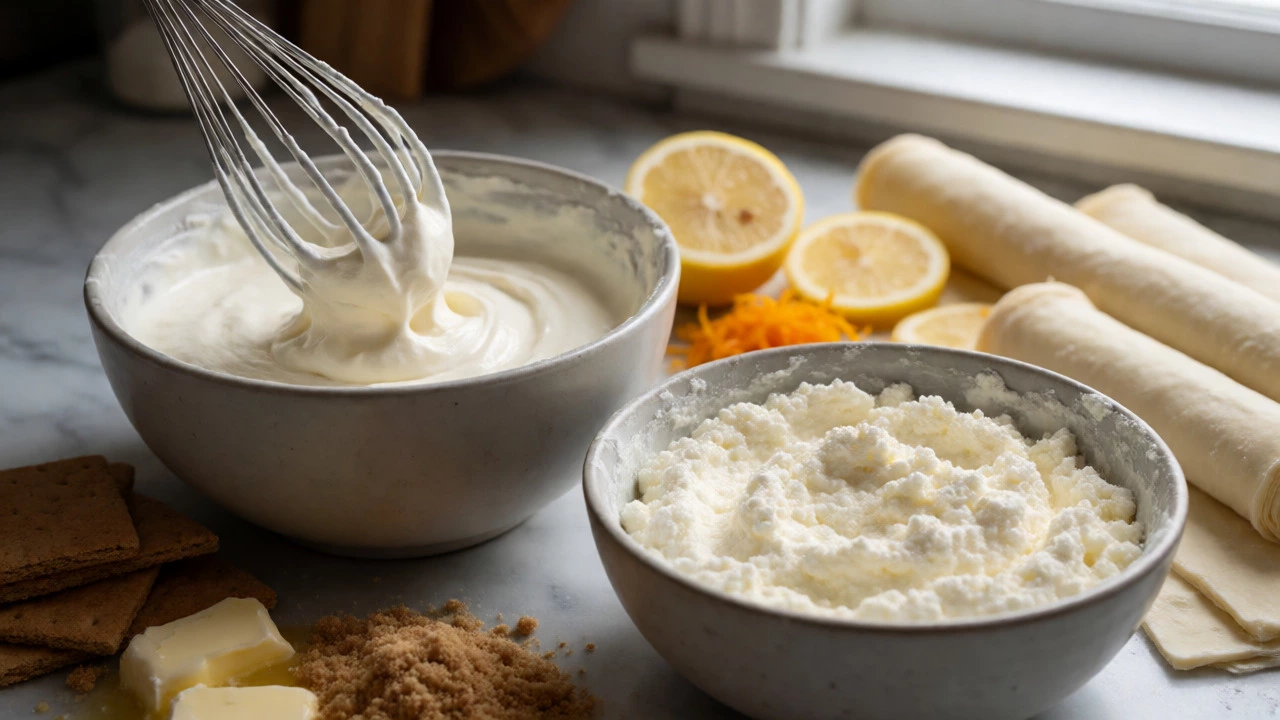
Flavor Profiles: Tangy vs. Zesty
What does each cake actually taste like?
New York cheesecake leans on vanilla extract and sometimes lemon juice to balance the richness of the cream cheese. The dominant note is dairy tang. It is bold and unapologetic. Toppings are usually fruit compotes, chocolate ganache, or salted caramel, designed to cut through the heaviness.
Sicilian cheesecake is aromatic. It frequently incorporates citrus zest-lemon or orange-and candied fruits. The mildness of the ricotta allows these floral and fruity notes to shine. You might also find hints of cinnamon, nutmeg, or even chocolate chips mixed directly into the batter. In some traditional recipes, especially those served during holidays, the cake is soaked in rum or limoncello syrup before serving. This infusion adds moisture and complexity that New York style rarely attempts.
Baking Techniques and Pitfalls
Why did your last attempt fail? Likely because you applied the wrong technique to the wrong cheese.
New York Method: Low and slow. Bake at around 300°F (150°C) for an hour or more. Use a water bath to ensure gentle heat distribution. Do not open the oven door too early. Let it cool gradually in the turned-off oven to prevent surface cracks. Patience is key. Rushing causes the protein structure to tighten too fast, leading to weeping or cracking.
Sicilian Method: Higher heat, shorter time. Since the batter is lighter and contains more moisture, it sets faster. Bake at 350°F (175°C) until just set but still jiggly in the center. Overbaking dries out the ricotta, turning it gritty and unpleasant. Unlike NY style, Sicilian cheesecake is often assembled cold or baked briefly and then chilled thoroughly. The puff pastry version, if used, must be blind-baked first to ensure it stays crisp under the wet filling.
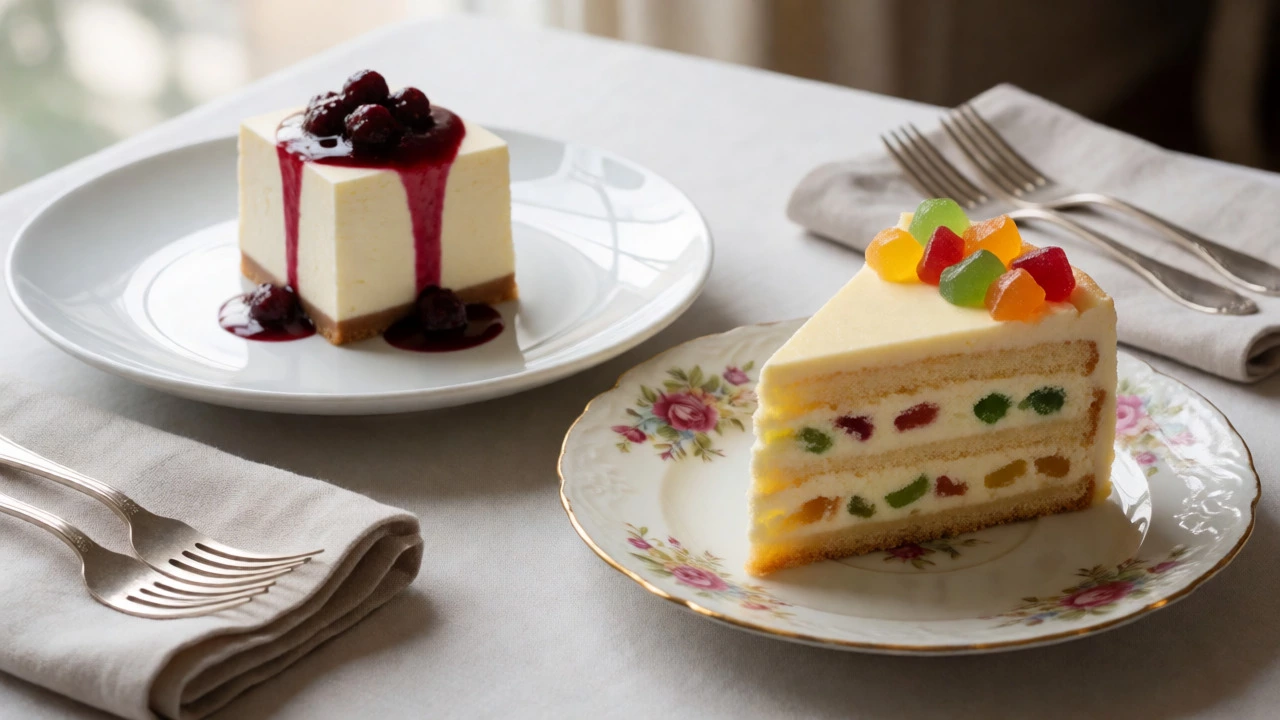
Nutritional Reality Check
Is one healthier than the other? Not necessarily, but they differ in composition.
New York cheesecake is higher in saturated fat due to the cream cheese and often includes sour cream or heavy cream in the batter. Calorie counts per slice can range from 400 to 600+ depending on size and toppings.
Sicilian cheesecake is generally lower in fat because ricotta is leaner. However, it often compensates with added sugars or candied fruits. Calorie counts might hover around 300 to 450 per slice. If you are watching saturated fat intake, ricotta is the better choice. If you are watching sugar intake, check the specific recipe, as Sicilian versions can be surprisingly sweet.
Which One Should You Choose?
Pick New York cheesecake if:
- You love rich, decadent desserts.
- You prefer a smooth, uniform texture.
- You want a dessert that holds up well for transport or parties.
- You enjoy pairing cheesecake with strong flavors like chocolate or berry coulis.
Pick Sicilian cheesecake if:
- You prefer lighter, less greasy sweets.
- You appreciate complex aromatics like citrus and spices.
- You enjoy textural variety (flaky crust, grainy filling).
- You want a dessert that feels more like a sophisticated tart than a heavy cake.
Can I substitute cream cheese for ricotta in Sicilian cheesecake?
You can, but it will change the dish fundamentally. Using cream cheese will make the cake denser and richer, moving it closer to a New York style hybrid. To keep it light, stick to ricotta. If you must use cream cheese, mix it with some Greek yogurt to lighten the texture and mimic the tang of ricotta.
Why is my Sicilian cheesecake grainy?
Ricotta is naturally grainy. That is part of its charm. However, if it feels excessively gritty, the cheese may have been overworked or separated. Try using a high-quality, fresh ricotta and blending it gently. Some bakers strain the ricotta through a fine-mesh sieve to remove excess whey and smooth out large curds, resulting in a silkier texture.
Does New York cheesecake always have a water bath?
Not always, but it is highly recommended. A water bath creates steam, which keeps the oven environment humid. This prevents the top of the cheesecake from drying out and cracking as it cools. Without a water bath, you risk surface cracks, though the taste remains unaffected. Many modern recipes skip it for convenience, accepting minor cosmetic flaws.
Is Sicilian cheesecake gluten-free?
Not inherently. Traditional Sicilian cheesecake often uses puff pastry or sponge cake bases, both of which contain wheat flour. However, since the filling itself (ricotta, eggs, sugar) is naturally gluten-free, you can easily adapt the recipe by using a gluten-free crust option, such as almond flour or a gluten-free puff pastry alternative.
How long does each type last in the fridge?
Both types store similarly well. Keep them covered in the refrigerator for up to 5 days. New York cheesecake tends to firm up further over time, becoming even denser. Sicilian cheesecake should be consumed within 3-4 days for best texture, as the ricotta can release more moisture if left too long, potentially making the crust soggy.