Royal Cake Selector: Which One Should You Bake?
Answer a few questions to discover which royal treat fits your vibe!
The King Cake
Large, colorful, and perfect for a party crowd.
The Queen Cake
Small, spiced, and ideal for a quiet afternoon tea.
Why this fits:
Pro Tip:
Quick Summary of the Royal Rivalry
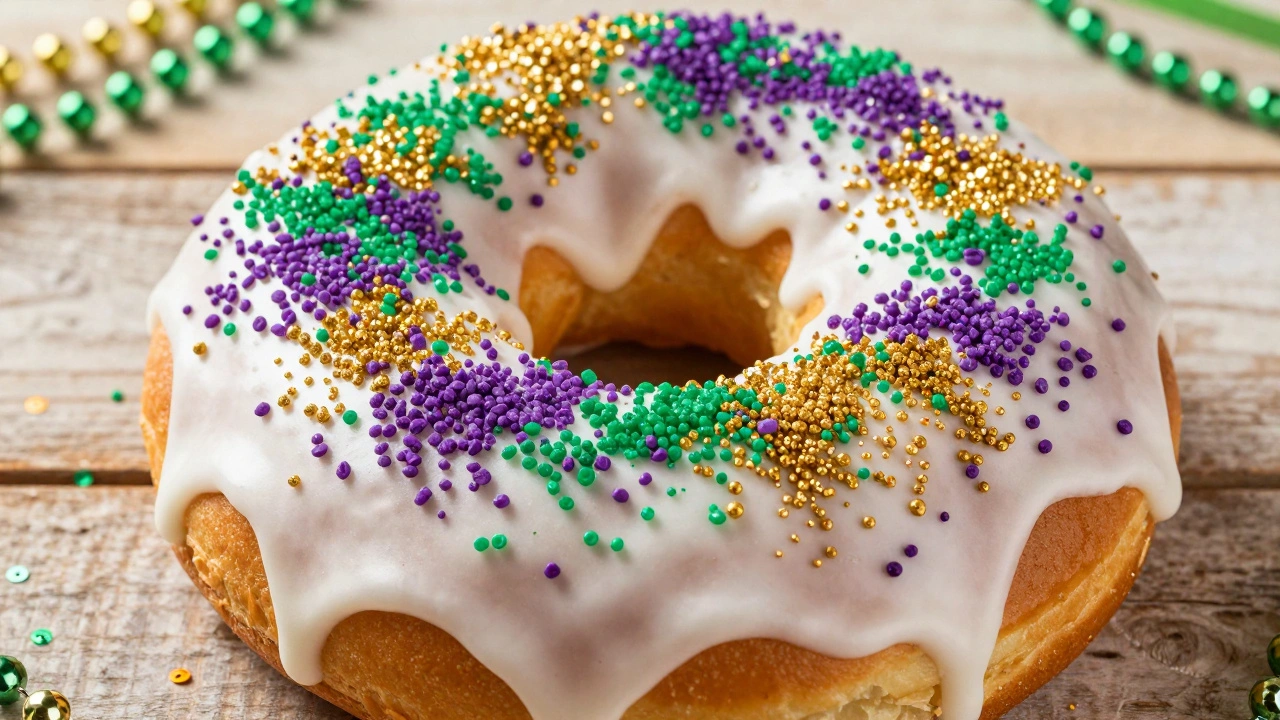
- King Cake: A large, brioche-style ring flavored with cinnamon, topped with purple, green, and gold sugar, and traditionally hiding a plastic baby.
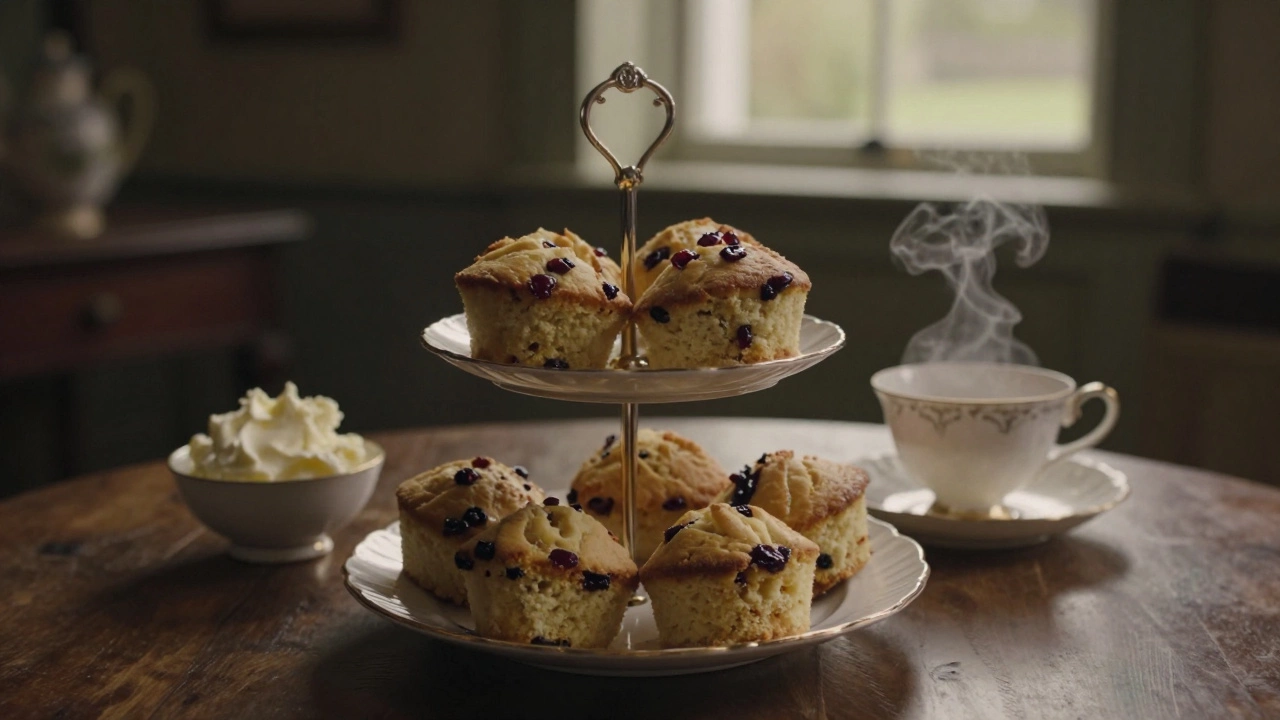
- Queen Cake: A small, individual-sized spiced cake or bun, common in historical British baking, often featuring currants and a denser crumb.
- Main Difference: King cake is a celebratory, yeast-leavened pastry from French-influenced regions; Queen cake is a small, spice-driven cake from the UK.
The King Cake: A Mardi Gras Powerhouse
When people talk about a King Cake is a celebratory pastry traditionally eaten in New Orleans and other French-influenced regions during the Carnival season leading up to Mardi Gras. Also known as Galette des Rois in France, it's less of a "cake" in the modern sense and more of a sweet bread. It uses a Brioche base, which means it's rich with butter and eggs, giving it a soft, pillowy texture that pulls apart in shreds.
The flavor profile is usually a mix of cinnamon and sugar, often swirled into the dough. But the real show is on the outside. It's glazed with a sugary icing and topped with colored sprinkles-specifically purple for justice, green for faith, and gold for power. If you're eating one in Louisiana, there's a game involved: a small plastic baby is hidden inside. Whoever finds the baby in their slice is responsible for buying the next cake or hosting the next party. It's a high-stakes dessert that turns a snack into a social event.
The Queen Cake: The British Classic
On the other side of the Atlantic, we have the Queen Cake is a small, individual-sized cake historically popular in England, typically characterized by a spice-heavy flavor and a denser texture than modern cupcakes. Unlike the King Cake, which is a communal ring, the Queen Cake is designed for one person. It's a cousin to the Madeira Cake or a heavy muffin.
Old-school recipes for Queen Cakes often include Currants or sultanas and a heavy dose of nutmeg and cinnamon. While the King Cake relies on yeast for lift, the Queen Cake uses chemical leaveners like baking powder or whipped eggs. It's the kind of treat you'd find at a Victorian tea party-sturdy enough to hold up a dollop of clotted cream but small enough to be eaten in a few bites. It doesn't have the neon colors of its royal counterpart; instead, it has a deep golden-brown hue and a fragrant, warm aroma.
Breaking Down the Technical Differences
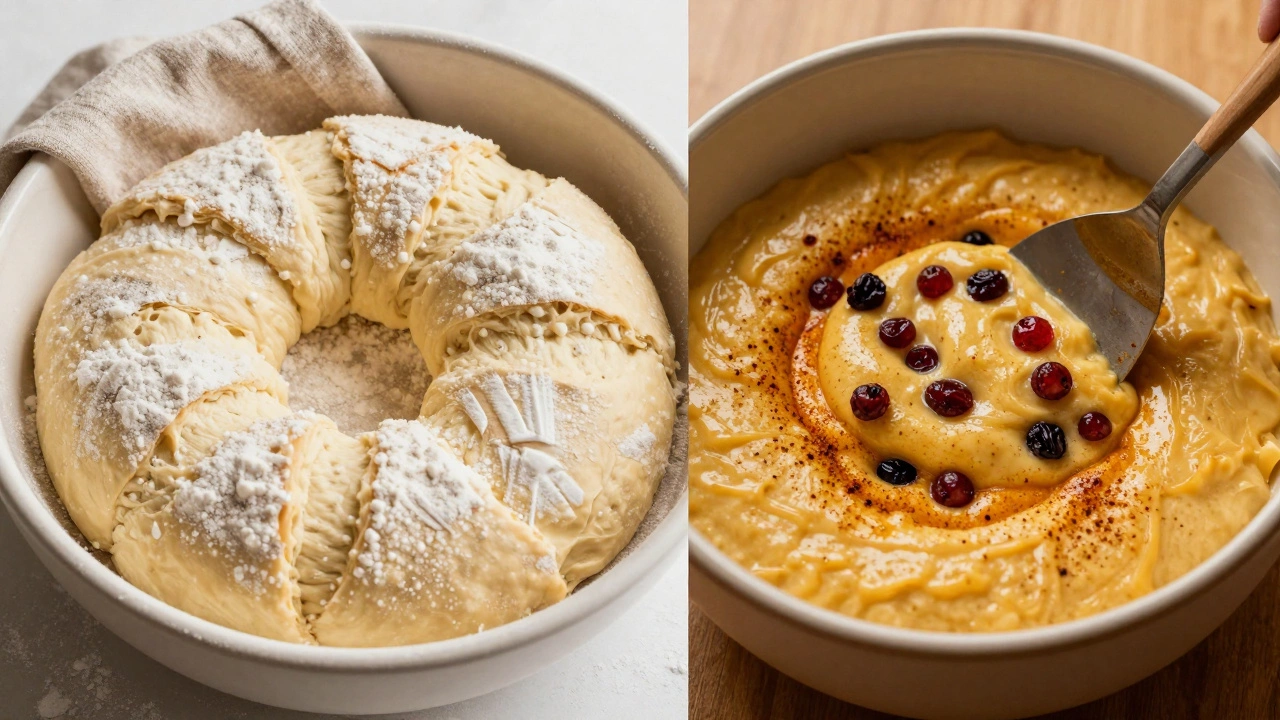
If you're a baker, you'll notice the chemistry here is completely different. A King Cake is essentially a fermented dough. You're dealing with yeast, proofing times, and gluten development. If you don't let it rise properly, you'll end up with a dense brick instead of a fluffy ring. The Queen Cake, however, is a batter-based cake. You cream your butter and sugar, fold in the dry ingredients, and bake. There's no waiting for dough to rise, making it a much faster project for a rainy Tuesday afternoon.
| Feature | King Cake | Queen Cake |
|---|---|---|
| Origin | France / New Orleans | United Kingdom |
| Leavening Agent | Yeast | Baking Powder / Eggs |
| Shape | Large ring (communal) | Small rounds (individual) |
| Key Ingredients | Butter, Eggs, Cinnamon Sugar | Currants, Nutmeg, Butter |
| Tradition | Mardi Gras / Epiphany | Afternoon Tea |
Which One Should You Bake?
Deciding between these two depends entirely on the vibe of your gathering. If you're hosting a crowd and want something that feels like a celebration, go for the King Cake. It's an interactive experience. The process of slicing it and hunting for the baby makes it more of an activity than just a dessert. Just be prepared for the mess-that icing and sprinkle combination is notorious for getting everywhere.
On the other hand, if you want something comforting and low-stress, the Queen Cake is your best bet. It pairs perfectly with a strong cup of tea or coffee. Because they are individual cakes, you don't have to worry about how to slice them evenly. They also travel better; you can pop a few in a tin and take them to a friend's house without worrying about a giant ring of dough collapsing or the icing melting into a sticky puddle.
Common Pitfalls to Avoid
When making a King Cake, the biggest mistake is under-proofing the dough. If you rush the rise, the cake will be tough. Also, be careful with the plastic baby. If you're serving this to people who aren't familiar with the tradition, give them a fair warning. Nobody likes a surprise piece of plastic in their teeth.
For the Queen Cake, the danger is over-mixing. Since these are denser cakes, over-working the batter will make them rubbery rather than tender. Fold your currants in gently at the end. If you want a more modern twist, try adding a bit of orange zest to the batter-it cuts through the heaviness of the butter and nutmeg beautifully.
The Cultural Connection
It's interesting to see how "royalty" in baking often refers to richness. In both cases, these cakes were historically meant to be more decadent than your daily bread. The use of butter and sugar in large quantities was a sign of status. Whether it's the opulent decorations of the Mardi Gras tradition or the refined elegance of a British tea table, both cakes use the names "King" and "Queen" to signal a treat that is special, rare, and high-quality.
Can I use a cupcake tin for Queen Cakes?
Yes, absolutely. A standard cupcake tin is perfect for Queen Cakes. Just make sure not to fill the liners to the top, as these cakes can rise significantly and you don't want them overflowing into each other.
Is King Cake only eaten during Mardi Gras?
Traditionally, yes. The season starts on Twelfth Night (January 6th) and lasts until Mardi Gras (Fat Tuesday). While you can find them other times of the year in some bakeries, the cultural tradition is strictly tied to the Carnival season.
What is the difference in taste between the two?
King Cake tastes like a sweet, buttery cinnamon roll in cake form. Queen Cake tastes more like a spiced ginger-nut or a heavy fruit cake-think warm spices, currants, and a denser, more "bready" cake crumb.
Do Queen Cakes have frosting?
Generally, no. Traditional Queen Cakes are enjoyed plain or with a light dusting of powdered sugar. They are meant to be savory-sweet, whereas King Cakes are overtly sugary with a heavy glaze.
Can I make a King Cake without yeast?
You can make a "cake-style" King Cake using flour and baking powder, but it won't have that signature brioche pull. It will taste more like a standard cake and less like the traditional New Orleans pastry.
Next Steps for Your Baking Journey
If you've mastered the Queen Cake, you might want to try your hand at a Scone, which shares a similar British heritage and tea-time purpose. If the King Cake's yeast dough was a hit, why not experiment with Babka? It uses a similar enriched dough and involves swirling flavors into the bread, much like the cinnamon swirls found in a great King Cake.