Mayonnaise Gluten-Free Checker
Check if Your Mayonnaise is Gluten-Free
Traditional mayonnaise is naturally gluten-free, but some varieties may contain gluten due to additives or cross-contamination. This tool helps you determine if a specific mayonnaise product is safe for gluten-free diets.
Many people search for gluten-free mayonnaise when baking gluten-free cakes. The good news is that traditional mayonnaise is naturally gluten-free. Let’s explore why and what to watch out for.
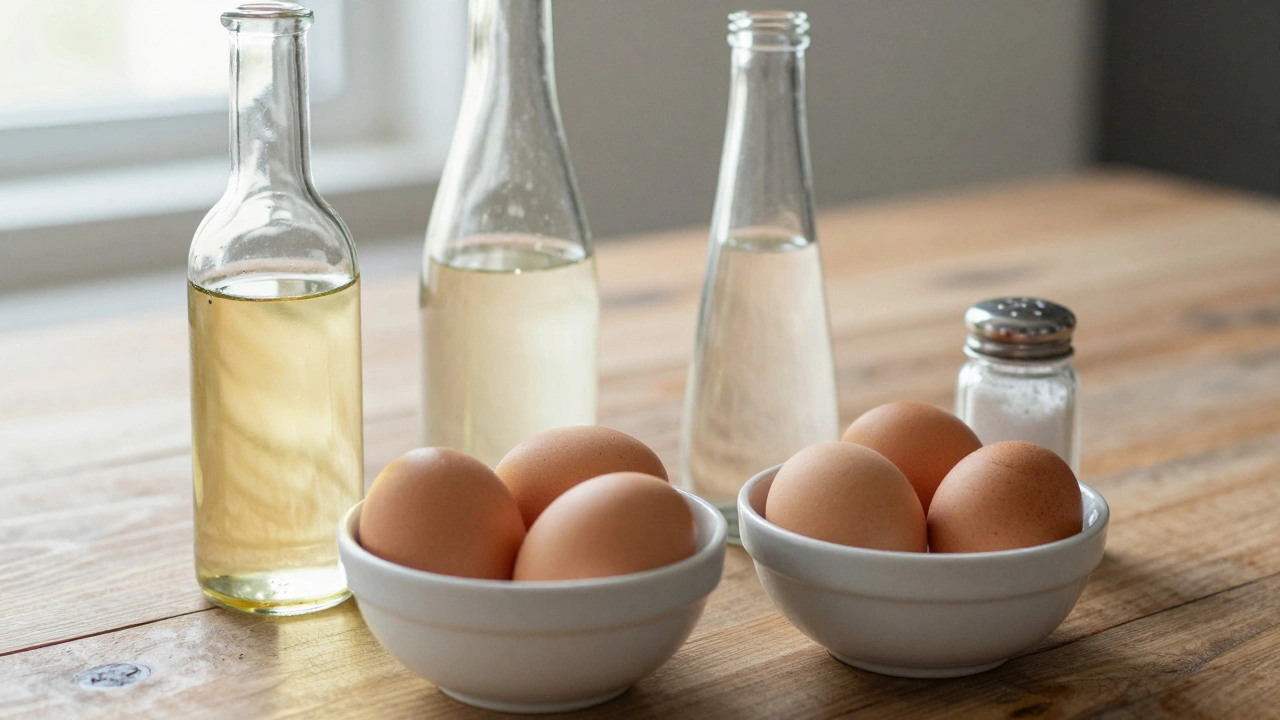
Mayonnaise is a common condiment made from oil, eggs, vinegar, and salt. It’s often used in sandwiches, salads, and even some cake recipes for moisture and richness. But for those avoiding gluten, the big question is: does it contain gluten?What’s in mayonnaise?
Traditional mayonnaise has just four simple ingredients: oil, eggs, vinegar, and salt. None of these contain gluten. Oil is typically soybean or canola oil. Eggs are naturally gluten-free. Vinegar used in mayo is usually distilled white vinegar or apple cider vinegar, which are also gluten-free. Salt is pure and gluten-free. This simple recipe means mayonnaise itself doesn’t include any gluten-containing ingredients.
Why do people think mayonnaise has gluten?
Sometimes confusion arises from flavored mayonnaise varieties. For example, some brands add ingredients like mustard powder or spices that might contain gluten. Others might use malt vinegar, which is made from barley and contains gluten. However, standard mayonnaise doesn’t include these additives. Another source of confusion is cross-contamination during manufacturing. Even if the ingredients are safe, a facility that processes wheat products might introduce gluten into mayo. This is why checking labels is crucial.
How to check if mayonnaise is gluten-free
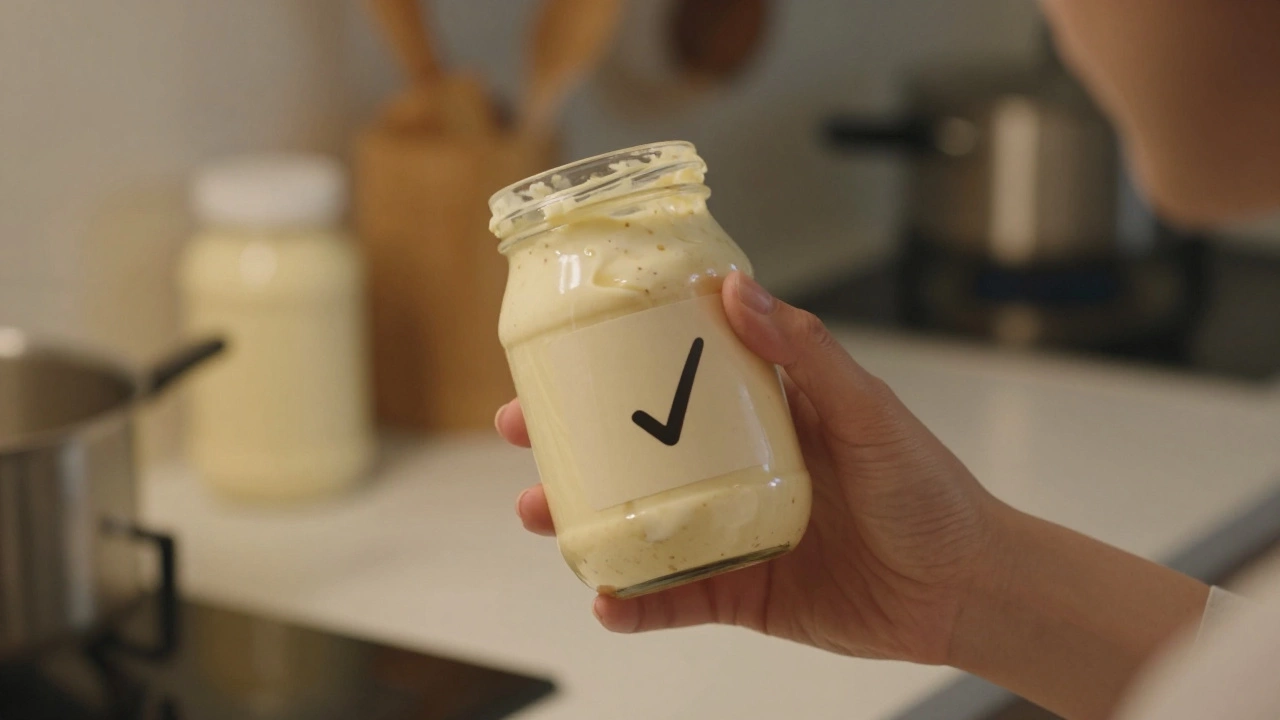
Always read the ingredient list and look for a "gluten-free" certification label. Brands that are certified gluten-free undergo testing to ensure they contain less than 20 parts per million of gluten-the FDA standard for gluten-free foods. If you don’t see a certification label, check for gluten-containing ingredients like wheat, barley, rye, or malt. Also, watch for phrases like "may contain traces of wheat" on the label. In the UK, look for the Coeliac UK symbol or the "gluten-free" label from trusted organizations.
Using mayonnaise in gluten-free cakes
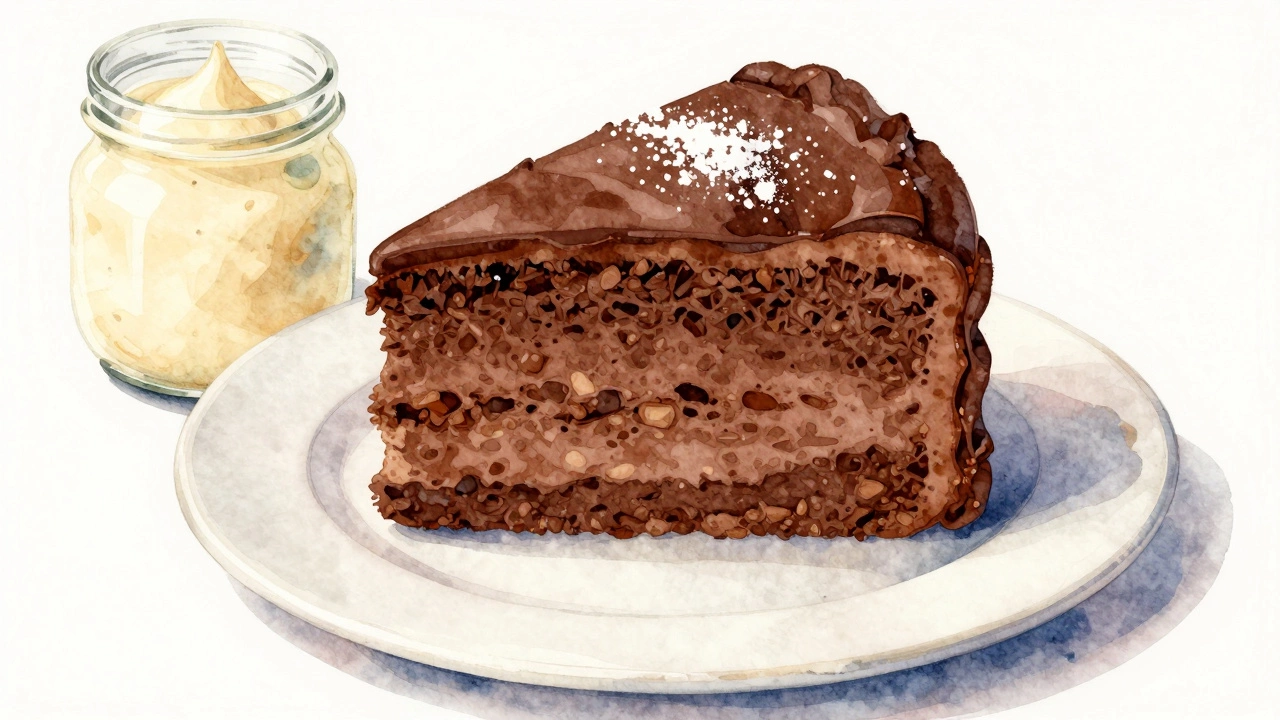
Some gluten-free cake recipes use mayonnaise as a moisture booster. For instance, a classic chocolate cake recipe might call for mayo instead of oil or eggs. Since traditional mayo is gluten-free, it’s safe to use in these recipes. Just make sure the brand you choose has no gluten-containing additives and is certified gluten-free if you have celiac disease. Always double-check the label before baking.
Common myths about mayonnaise and gluten
Myth: Eggs contain gluten. Truth: Eggs are naturally gluten-free. They don’t contain wheat, barley, or rye. The confusion might come from recipes that mix eggs with gluten-containing ingredients, but eggs themselves are safe.
Myth: Vinegar in mayo has gluten. Truth: Most vinegar used in mayo is distilled white vinegar or apple cider vinegar, both gluten-free. Malt vinegar, made from barley, does contain gluten, but it’s rarely used in standard mayonnaise. Always check the label if you’re unsure.
Cross-contamination risks
Even if a brand’s ingredients are gluten-free, cross-contamination during production can happen. Factories that process wheat-based products might share equipment with mayo production. For people with celiac disease, even small amounts of gluten can cause harm. That’s why certified gluten-free brands are the safest choice. Brands like Hellmann’s and Kraft have gluten-free options with clear labeling. In the UK, brands like Branston and Dukes also offer gluten-free mayonnaise.
Is mayonnaise gluten-free?
Yes, traditional mayonnaise is naturally gluten-free. Its main ingredients-oil, eggs, vinegar, and salt-don’t contain gluten. However, always check labels for additives or cross-contamination warnings.
Can I use mayonnaise in gluten-free cake recipes?
Absolutely. Many gluten-free cake recipes use mayonnaise for moisture and richness. Just ensure the brand is gluten-free certified and check the ingredients list for any hidden additives.
What should I look for on mayonnaise labels?
Look for a "gluten-free" certification label or check the ingredients list for wheat, barley, rye, or malt. Also, watch for phrases like "may contain traces of wheat" or "processed in a facility that handles gluten." In the UK, the Coeliac UK symbol is a reliable indicator.
Does vinegar in mayonnaise contain gluten?
Most vinegar used in mayonnaise is distilled white vinegar or apple cider vinegar, both gluten-free. Malt vinegar, made from barley, contains gluten but is rarely used in standard mayo. Always check the label for vinegar type if you're unsure.
Are there any brands of mayonnaise that are not gluten-free?
Some flavored mayonnaises may contain gluten due to additives like soy sauce or malt vinegar. For example, certain brands of honey mustard mayo or spicy mayo might include gluten-containing ingredients. Stick to plain, unflavored mayonnaise and check labels carefully.
What is cross-contamination, and how does it affect mayonnaise?
Cross-contamination happens when gluten-containing products are processed in the same facility as gluten-free items. For mayonnaise, this could mean shared equipment or production lines. While the ingredients themselves are gluten-free, trace amounts of gluten might be present. Certified gluten-free brands test for this and ensure levels are below 20 ppm.
Are eggs gluten-free?
Yes, eggs are naturally gluten-free. They don’t contain wheat, barley, or rye. The confusion might stem from recipes that mix eggs with gluten-containing ingredients, but eggs themselves are safe for gluten-free diets.
Does mayonnaise contain dairy?
No, traditional mayonnaise doesn’t contain dairy. It’s made from oil, eggs, vinegar, and salt-none of which are dairy products. However, some flavored varieties might include dairy ingredients like cheese or sour cream, so always check the label.
How can I be sure a mayonnaise is safe for celiac disease?
Choose brands with a "gluten-free" certification from trusted organizations like Coeliac UK or the Gluten Intolerance Group. These certifications mean the product has been tested and contains less than 20 ppm of gluten. Always read the label carefully and avoid products with vague warnings like "may contain gluten."
What’s the difference between distilled vinegar and malt vinegar?
Distilled vinegar is made from distilled alcohol and is gluten-free. Malt vinegar is made from barley, which contains gluten. Most mayonnaise uses distilled vinegar, but some flavored varieties might use malt vinegar. Always check the ingredient list to be sure.