Cheesecake Style Picker
Not sure which one to make? Answer a few quick questions to find your perfect match!
1. What is the vibe of your event?
Formal & Decadent
Dinner party, holiday feast, or a restaurant-style showstopper.
Casual & Refreshing
Summer BBQ, backyard brunch, or a light afternoon treat.
Quick Guide to Cheesecake Types
- Baked Cheesecake: Rich, dense, custard-like texture. Requires heat to set the eggs.
- No-Bake Cheesecake: Light, fluffy, airy texture. Sets using gelatin or chilled fats.
- The Vibe: Baked is a hearty dessert; no-bake is a refreshing treat.
- Time: Baked takes hours (including cooling); no-bake is faster to assemble but needs long chilling.
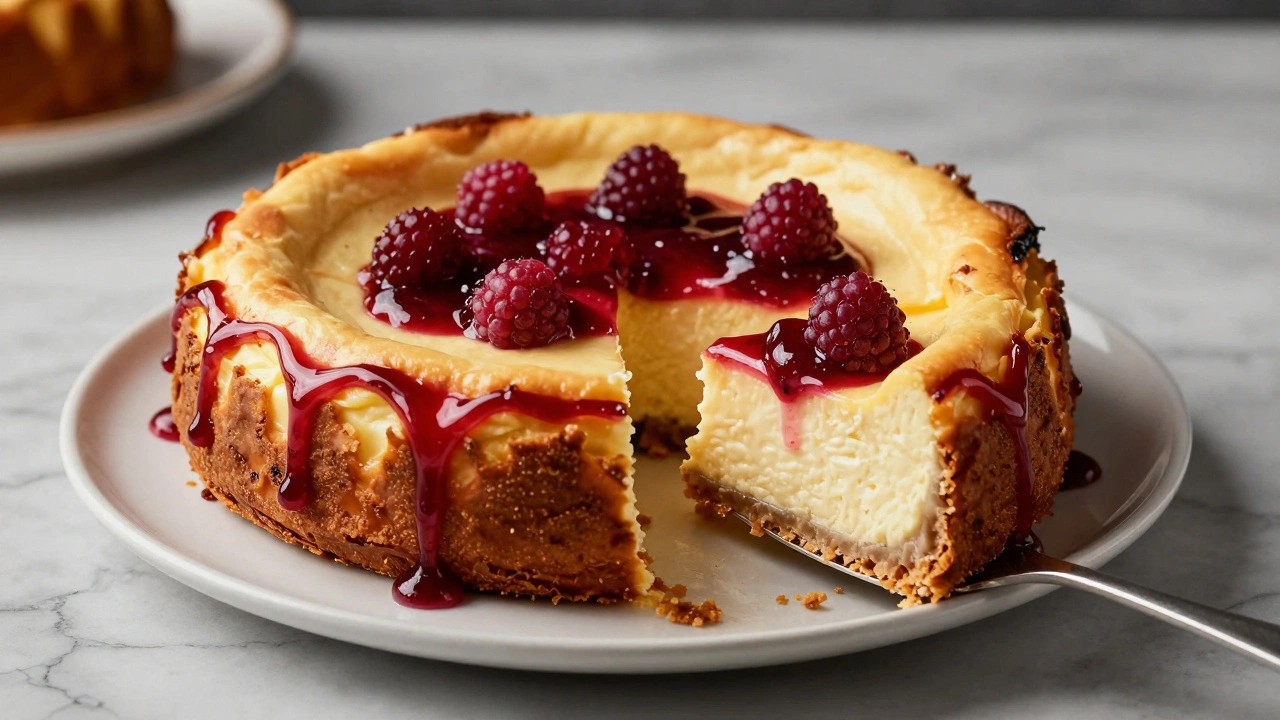
The Heavy Hitter: Baked Cheesecake
When we talk about the classics-think New York style-we're talking about Baked Cheesecake is a rich dessert that uses heat to coagulate proteins, typically from eggs, creating a dense, creamy consistency. It is fundamentally a custard that happens to have a lot of cheese in it.
The magic here is in the chemistry. You combine Cream Cheese, sugar, and eggs. When this mixture hits the heat of the oven, the eggs bind everything together. This creates that signature "weight" on the fork. If you've ever had a slice that felt like a decadent meal on its own, it was baked. Most pros use a Water Bath (or bain-marie) to ensure the edges don't overcook while the center is still wobbling. This prevents those annoying cracks on top that happen when the cake dries out too quickly.
Baked versions are usually more filling and have a deeper flavor profile because the heating process caramelizes some of the sugars. You'll find that these are often paired with heavy toppings like fruit compotes or chocolate ganache because they can stand up to the strong flavors without being overwhelmed.
The Cool Alternative: No-Bake Cheesecake
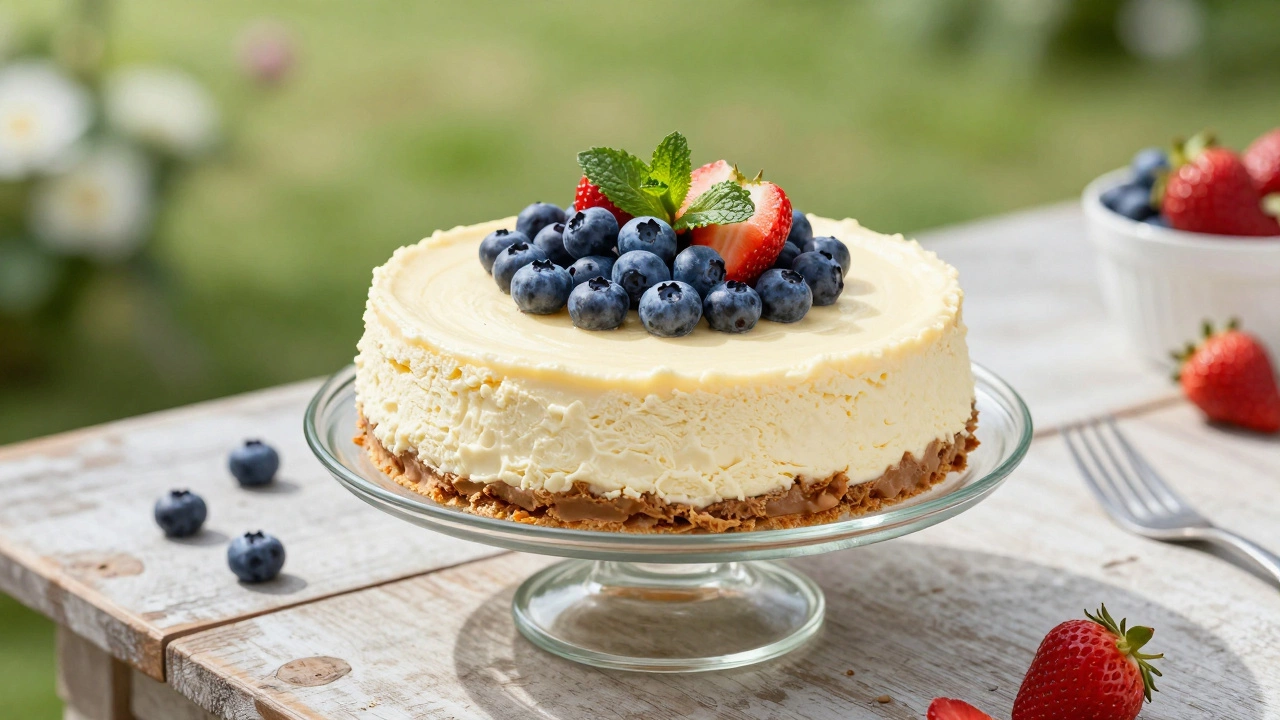
On the other side of the spectrum is the No-Bake Cheesecake, which is a chilled dessert that relies on refrigeration and stabilizing agents rather than heat to maintain its shape. It's less of a cake and more of a stabilized mousse.
Since there are no eggs to set the structure, you need something else to keep the cake from turning into a puddle of cream. This is where Gelatin or the natural fats in very cold cream cheese come into play. Many recipes also fold in whipped cream to give it that cloud-like lightness. If you've had a cheesecake that feels like it's melting in your mouth the moment it touches your tongue, you've had a no-bake version.
These are the go-to for summer parties. Why? Because you don't want to turn on the oven when it's 30 degrees outside. They are also significantly faster to put together. You mix, pour, and wait. The only real risk here is under-chilling; if you cut into a no-bake cake too early, it'll slump over like a sad pancake.
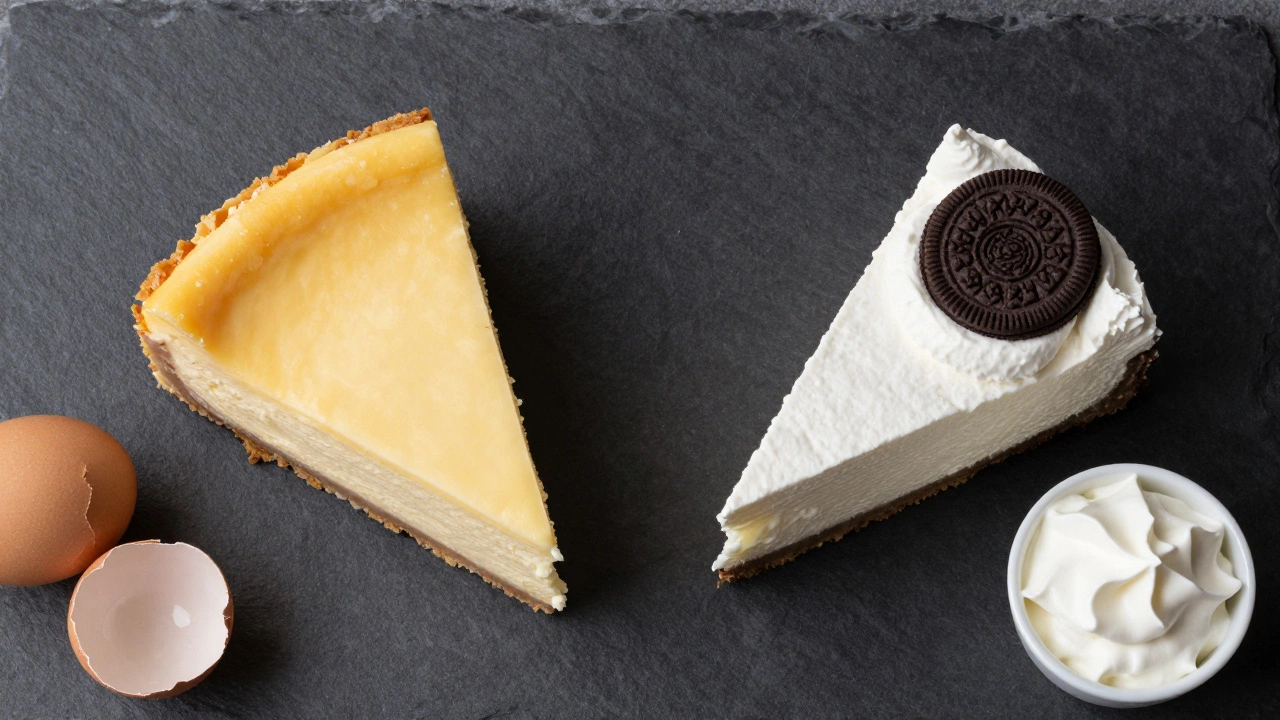
Comparing the Two Side-by-Side
| Feature | Baked Cheesecake | No-Bake Cheesecake |
|---|---|---|
| Texture | Dense, Creamy, Firm | Light, Airy, Mousse-like |
| Main Stabilizer | Eggs & Heat | Gelatin or Cold Fats |
| Flavor Profile | Rich, Concentrated | Fresh, Mild, Milky |
| Preparation Time | Long (Baking + Cooling) | Short (Mixing + Chilling) |
| Difficulty | Medium (Risk of cracking) | Easy (Risk of not setting) |
Choosing the Right Base: The Crust Dilemma
Regardless of whether you're baking or chilling, the foundation matters. Most cheesecakes use a Graham Cracker Crust, which is the gold standard for a reason-it's buttery and salty enough to balance the sugar. However, you can get creative here. For a baked cake, a pressed buttery biscuit base is sturdy enough to survive the oven. For no-bake, you can use crushed Oreos or digestive biscuits mixed with melted butter.
If you're feeling fancy, try a Genoise Sponge as a base for a baked cheesecake. It turns the dessert into more of a traditional cake. For a no-bake version, a layer of crushed almonds or pistachios adds a sophisticated crunch that breaks up the softness of the filling.
Common Mistakes to Avoid
If you're attempting a cheesecake recipes project for the first time, avoid these classic pitfalls. For baked cakes, the biggest mistake is over-beating the batter. If you whip too much air into the cheese and eggs, the cake will rise like a soufflé in the oven and then collapse into a crater as it cools. Mix just until smooth, then stop.
With no-bake cakes, the trap is using room-temperature ingredients. If your cream or cream cheese is too warm, the emulsion can break, or the cake might never fully set, leaving you with a delicious but messy dip. Keep everything chilled until the moment they need to be combined.
Which One Should You Make?
Deciding between the two usually comes down to the occasion. If you're hosting a formal dinner and want a showstopper that feels like a restaurant dessert, go for the baked version. Its structural integrity allows for clean, sharp slices that look professional on a plate.
But if you're throwing a casual backyard BBQ or a brunch where you want something refreshing and not too heavy, the no-bake route is the winner. It pairs beautifully with fresh berries and mint leaves, acting more like a palate cleanser than a heavy meal finale.
Do no-bake cheesecakes taste like real cheesecake?
They taste like a lighter, creamier version of cheesecake. Because they lack the cooked egg flavor, they taste more like a sweetened cream cheese mousse. While they don't have the "tangy weight" of a New York style cake, they satisfy the same craving for something creamy and sweet.
Why did my baked cheesecake crack on top?
Cracks usually happen for two reasons: over-baking or drastic temperature changes. If the cake stays in the oven too long, the proteins tighten and pull apart. To prevent this, use a water bath and let the cake cool slowly in the oven with the door slightly ajar before moving it to the fridge.
Can I use a substitute for gelatin in no-bake recipes?
Yes, you can use agar-agar for a vegan-friendly alternative. However, agar-agar sets much firmer and faster than gelatin, so you have to be careful with the measurements. Some recipes also rely on very high-fat cream cheese and heavy whipping cream, which can set on their own if chilled long enough, though they are less stable at room temperature.
How long do these types of cheesecake last in the fridge?
Both types generally last 3 to 5 days if covered airtight. Baked cheesecakes tend to hold up slightly better over time because the cooking process removes some moisture. No-bake cakes can start to "weep" or release water after a few days, especially if they have fresh fruit toppings.
Is it possible to turn a no-bake cheesecake into a baked one?
Not really. The ingredients are different. A no-bake recipe doesn't have eggs, and without eggs, the cake won't set in the oven-it will just melt into a sugary soup. You need a specific recipe for each method to ensure the texture is correct.
Next Steps for Your Baking Journey
If you're a beginner, start with a no-bake version. It's a great way to get comfortable with flavor balancing without the stress of oven temperatures. Once you've mastered the chill, move on to a classic baked cheesecake. Try experimenting with a lemon zest addition to cut through the richness or a swirl of raspberry jam to add some visual flair to your slices.