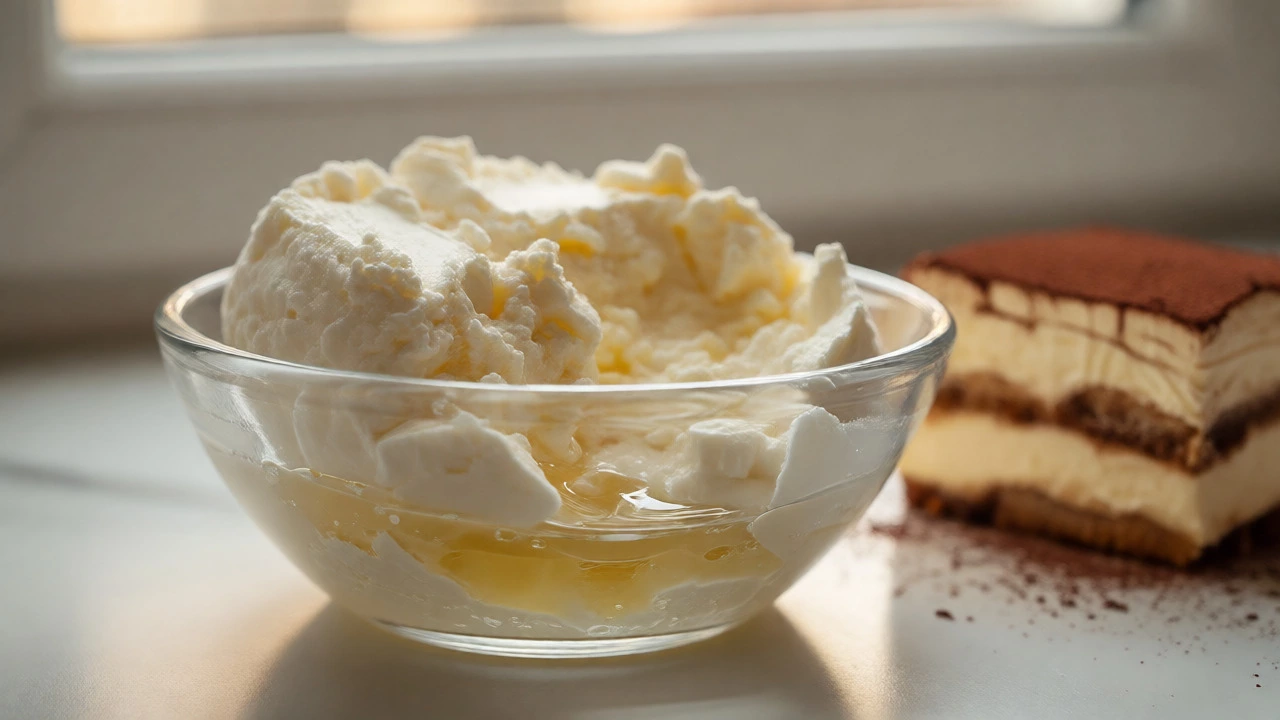
Cheese Freezer Safety Checker
Don't ruin your tiramisu! Select a cheese below to see if it's safe for the freezer.
Select a cheese above to check its freezer compatibility.
You’ve got leftover mascarpone from that tiramisu you made last weekend. It’s sitting in the fridge, staring at you, and you’re thinking: "Should I just throw it in the freezer to save it for later?" Stop right there. If you do, you might end up with a grainy, watery mess that ruins your next dessert. Not all cheeses handle the cold like a champ. Some freeze beautifully; others fall apart faster than a house of cards in a windstorm.
Here is the quick rundown on what to keep out of the ice box:
- Mascarpone: The star of tiramisu. Freezing breaks its emulsion, turning it into butter and whey.
- Cottage Cheese & Ricotta: High moisture content means they become icy and crumbly.
- Fresh Mozzarella: Loses its stretchy, elastic texture completely.
- Brie & Camembert: These soft-ripened cheeses turn chalky and lose their creamy center.
- Goat Cheese (Fresh): Becomes dry and crumbly rather than smooth.
The Science Behind the Soggy Mess
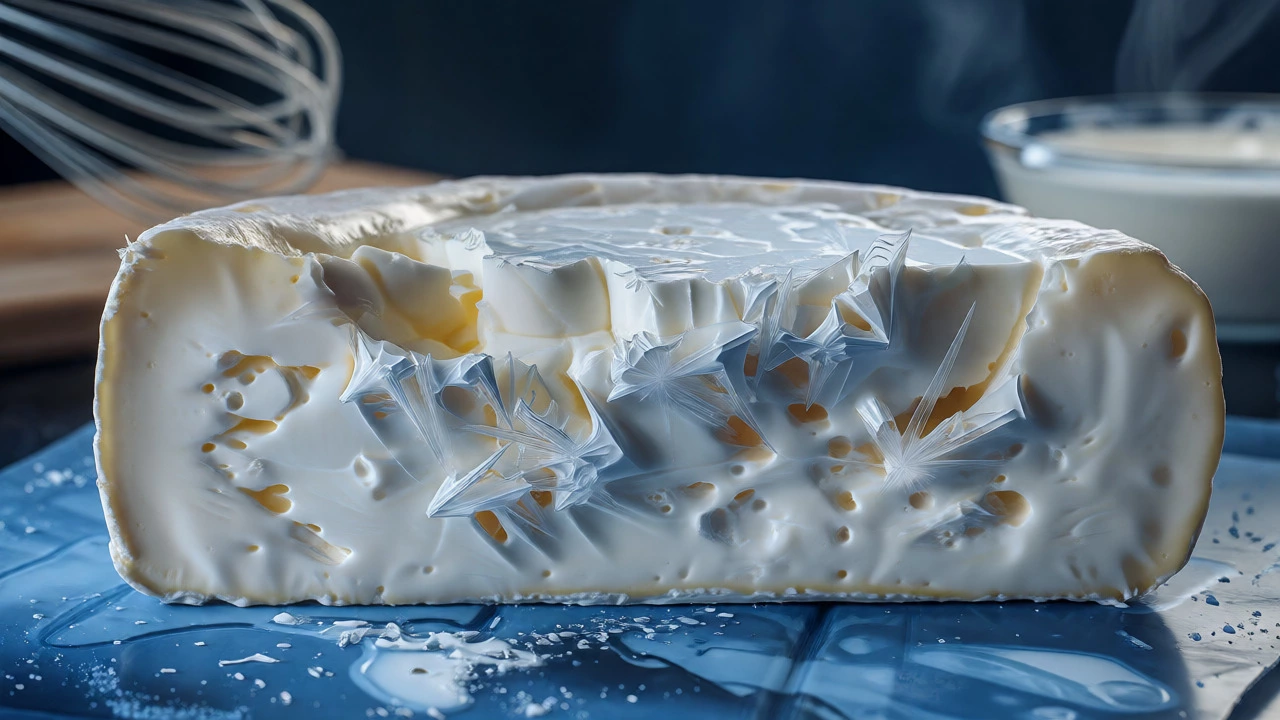
Why does freezing ruin some cheeses but not others? It comes down to water. Cheese is essentially fat, protein, and water held together by an emulsion. When you freeze water, it expands and forms sharp ice crystals. In hard cheeses, this isn't a huge problem because there's less free water to disrupt the structure. But in soft, fresh cheeses, those ice crystals tear apart the delicate protein network.
When you thaw these cheeses, the water doesn't go back into the emulsion. Instead, it leaks out as liquid whey, leaving behind a dry, grainy solid. This process is called syneresis. You see it when yogurt separates or when cream turns to butter if shaken too hard. For Mascarpone, which is a high-fat Italian cream cheese used heavily in desserts, this separation is catastrophic. You can’t whip it again to get that silky tiramisu layer. It just stays lumpy.
Mascarpone: The Tiramisu Trap
If you love tiramisu, you know mascarpone is non-negotiable. It provides the rich, velvety mouthfeel that defines the dish. Unlike standard cream cheese, mascarpone has a much higher fat content (around 60-75%) and very low acidity. This makes it incredibly sensitive to temperature changes.
I tried freezing mascarpone once after buying a large tub for a dinner party. I thought I was being smart. Two weeks later, I pulled it out for a cheesecake. After thawing, it looked like cottage cheese mixed with heavy cream. I tried blending it, whipping it, even heating it slightly. Nothing worked. It never returned to that cloud-like consistency. The only way to use frozen mascarpone is if you plan to cook it thoroughly, like in a baked pasta sauce where the texture matters less. But for raw applications? Absolutely not.
| Cheese Type | Moisture Content | Freeze Rating | Best Use After Thawing |
|---|---|---|---|
| Mascarpone | High (40-50%) | Poor | Cooked sauces only |
| Cheddar | Low-Medium | Good | Melting, baking |
| Ricotta | Very High | Poor | Lasagna filling (mixed) |
| Parmesan | Very Low | Excellent | Grating, snacking |
| Cream Cheese | Medium-High | Fair | Dips, baked goods |
Soft Cheeses That Hate the Cold
Beyond mascarpone, other soft cheeses suffer similar fates. Think about Brie. Its appeal lies in that gooey, runny center. Freeze it, and the fat separates from the protein matrix. When you thaw it, the center remains watery while the rind gets tough. You lose the signature 'ooze' factor entirely.
Fresh mozzarella is another offender. We eat it for its springy, elastic bite. Freezing destroys the protein strands that give it that bounce. Thawed mozzarella becomes rubbery or, worse, mushy. It’s fine if you’re shredding it onto a pizza and baking it immediately, but don’t expect to slice it nicely for a Caprese salad. The structural integrity is gone.
Cottage cheese and ricotta are also high-moisture dairy products. While you can technically freeze them, the texture change is drastic. They become grainy and release significant amounts of water. If you’re making lasagna, you can mix thawed ricotta with eggs and herbs before baking, which helps mask the texture issues. But for eating straight out of the container with fruit? No thanks.
What Actually Freezes Well?
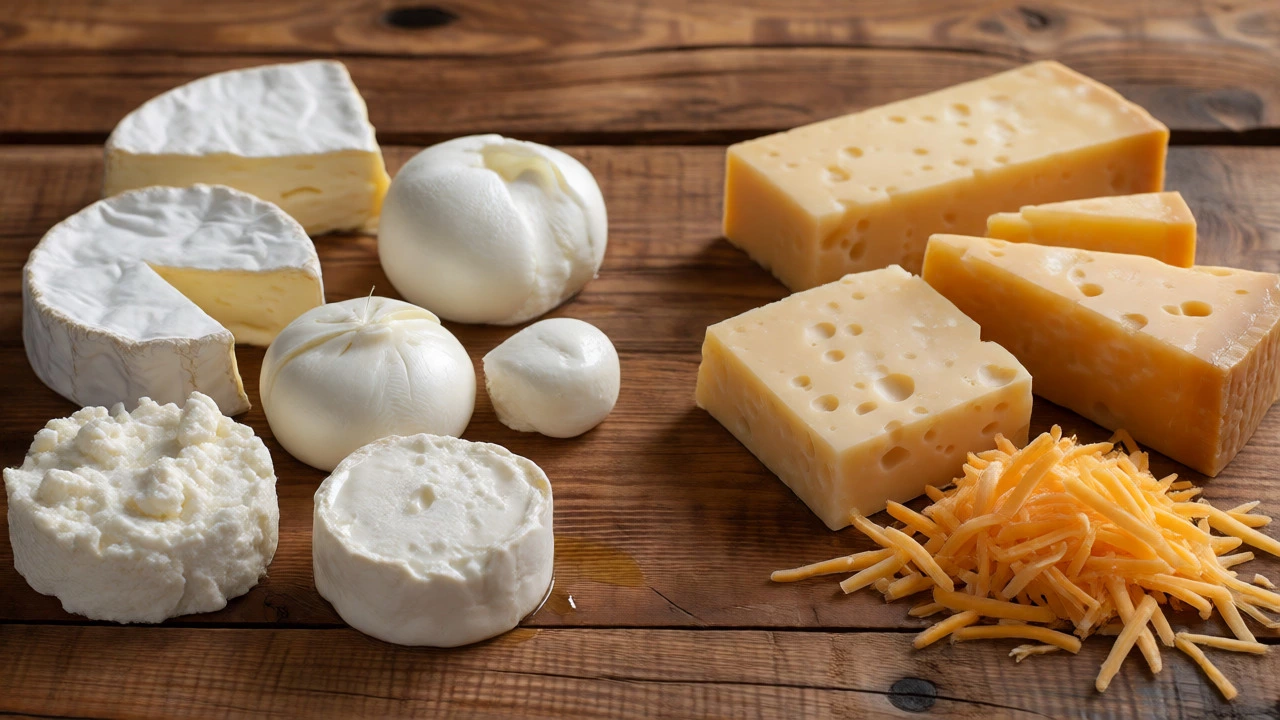
It’s not all bad news. Hard and semi-hard cheeses are actually great candidates for the freezer. Because they have lower moisture content, ice crystal formation causes less damage to the overall structure.
Cheddar, Gouda, and Swiss hold up remarkably well. You might notice they become slightly more crumbly, which makes them harder to slice thinly for sandwiches. However, if you shred them before freezing, they melt almost identically to fresh cheese. Grated cheddar goes straight from the bag into your mac and cheese without any noticeable difference in taste or meltability.
Hard grating cheeses like Parmesan and Pecorino Romano are practically immune to freezing damage. Their extremely low moisture content means there’s barely any water to form disruptive ice crystals. You can freeze a block of Parmesan for six months, grate it directly from the frozen state, and no one will know the difference. Just make sure to wrap it tightly in plastic wrap and then foil to prevent freezer burn, which affects flavor even if it doesn’t affect texture.
How to Save Your Leftovers Without Ruining Them
So, you bought too much mascarpone for your tiramisu. What do you do now? Don’t panic and shove it in the freezer. Here are better strategies:
- Use it fast: Mascarpone keeps well in the fridge for up to a week if unopened, and 3-4 days once opened. Keep it covered tightly with cling film pressed directly against the surface to prevent a skin from forming.
- Incorporate it into other dishes: Stir a spoonful into scrambled eggs for extra creaminess. Whisk it into coffee instead of milk. Mix it into pancake batter. These uses hide any minor textural changes.
- Make a sauce: If you suspect the texture is changing, simmer it gently into a pasta sauce. The heat and starch from the pasta help stabilize the emulsion.
- Buy smaller portions: Next time, buy the small tubs. It costs more per gram, but it saves money wasted on spoiled product.
For cheeses that do freeze well, preparation is key. Always grate or slice hard cheese before freezing. Portion it into usable amounts so you don’t have to thaw the whole block. Label everything with the date. Even though Parmesan lasts ages, quality degrades over time. Six months is usually the sweet spot for peak flavor.
Recovering Accidentally Frozen Cheese
Did you already freeze your mascarpone? Don’t toss it yet. There are ways to salvage it, depending on your application.
If it’s separated, drain off the excess liquid (whey). Then, try blending the remaining solids with a splash of heavy cream using an immersion blender. This can sometimes re-emulsify the mixture enough for cooking purposes. It won’t be perfect for spreading on crackers, but it works in soups, stews, or baked casseroles.
Another trick is to mix thawed soft cheese with a stabilizer. Adding a teaspoon of cornstarch or flour while mixing can help absorb excess moisture and improve texture in cooked dishes. It’s not magic, but it’s better than throwing away good food.
Final Thoughts on Storage
Understanding which cheeses freeze helps you reduce waste and maintain quality. Remember: high moisture equals poor freezing results. Low moisture equals good freezing results. Mascarpone, despite being high fat, is high moisture relative to its structure, making it fragile. Cheddar, with less water, is robust.
Next time you’re tempted to freeze leftovers, check the type first. If it’s a fresh, soft cheese destined for a delicate dessert like tiramisu, keep it in the fridge and use it soon. If it’s a hard cheese for melting, freeze it with confidence. Your future self-and your tiramisu-will thank you.
Can you freeze mascarpone cheese for tiramisu?
No, you should not freeze mascarpone if you plan to use it for tiramisu. Freezing causes the emulsion to break, separating the fat and water. When thawed, it becomes grainy and watery, losing the smooth, creamy texture essential for tiramisu layers. It is best kept refrigerated and used within a few days of opening.
Which cheeses freeze the best?
Hard and semi-hard cheeses freeze the best due to their low moisture content. Examples include Cheddar, Gouda, Swiss, Parmesan, and Pecorino Romano. These cheeses may become slightly crumbly but retain their flavor and melting properties, especially if shredded before freezing.
What happens if you freeze soft cheese?
Freezing soft cheeses like Brie, Camembert, or fresh Goat Cheese causes ice crystals to form within the cheese's structure. Upon thawing, these crystals melt and leave behind gaps, resulting in a dry, crumbly, or watery texture. The creamy consistency is lost, making them unsuitable for raw consumption or spreads.
Can you use frozen cream cheese in cheesecake?
Yes, you can use frozen cream cheese in baked cheesecakes, but with caution. Thaw it slowly in the refrigerator overnight. Drain any excess liquid that separates. Blend it thoroughly with sugar and eggs before adding to the batter. The baking process helps recombine the ingredients, masking minor textural imperfections better than in no-bake cheesecakes.
How long can you freeze cheese?
Hard cheeses like Parmesan can be frozen for up to 6-8 months without significant quality loss. Semi-hard cheeses like Cheddar are best used within 3-6 months. Soft cheeses generally do not benefit from freezing and should ideally be consumed fresh. Always store cheese in airtight containers or double-wrapped in plastic and foil to prevent freezer burn.