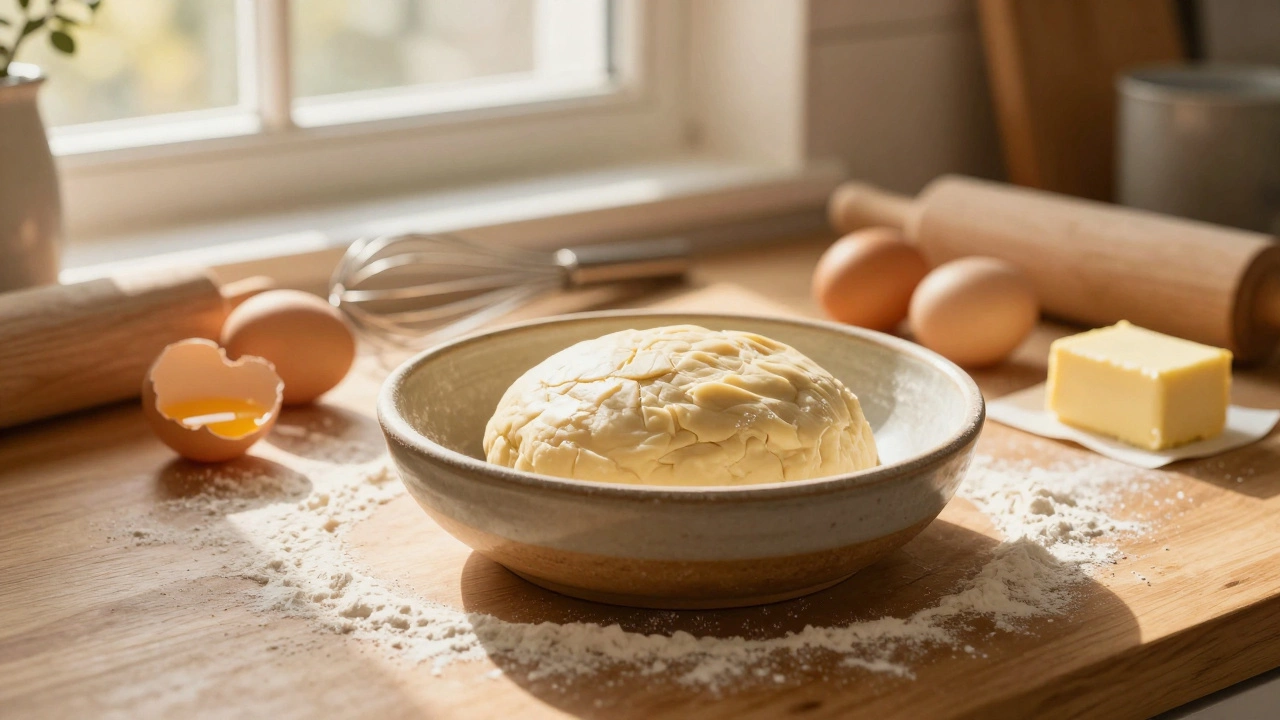
Cookie Texture Architect
Not sure why your batch came out wrong? Select your desired outcome below, and our algorithm will adjust the ingredient ratios for you.
Loading...
Description goes here.
Key Ingredient Ratios:
The Science Behind It
There is something magical about walking into a kitchen where the air smells warm and sweet. You know exactly what is happening when you catch that scent. Someone is baking cookies. Yet, ask many beginners what a cookie actually is beyond a sweet treat, and you might get a blank stare. It feels like everyone just knows, but few can explain the mechanics behind the magic. This guide strips away the complexity so you can understand what happens when you mix, bake, and eat these little disks of happiness.
Quick Summary
If you want the fast track to understanding, here are the essentials you need to keep in mind while you bake:
- Cookies are small baked treats defined by their dry, solid state after cooking.
- The ratio of butter to sugar dictates whether your result is crisp or chewy.
- Leavening agents like baking powder determine how much the dough spreads or rises.
- Proper cooling prevents snapping and ensures texture stability.
- Storage in an airtight container extends freshness significantly.
The Simple Definition of a Cookie
When we talk about cookies in this context, we are referring to small, flat, sweet biscuits made from batter or dough. Historically, they were practical vehicles for spices and nuts carried on ships, but today they represent comfort and celebration. Unlike cakes, which rise significantly and stay soft and spongy, cookies are designed to maintain a firmer structure. They sit right at the edge between a pastry and a cake in texture. The beauty lies in the simplicity. You typically work with a handful of pantry staples rather than exotic imports.
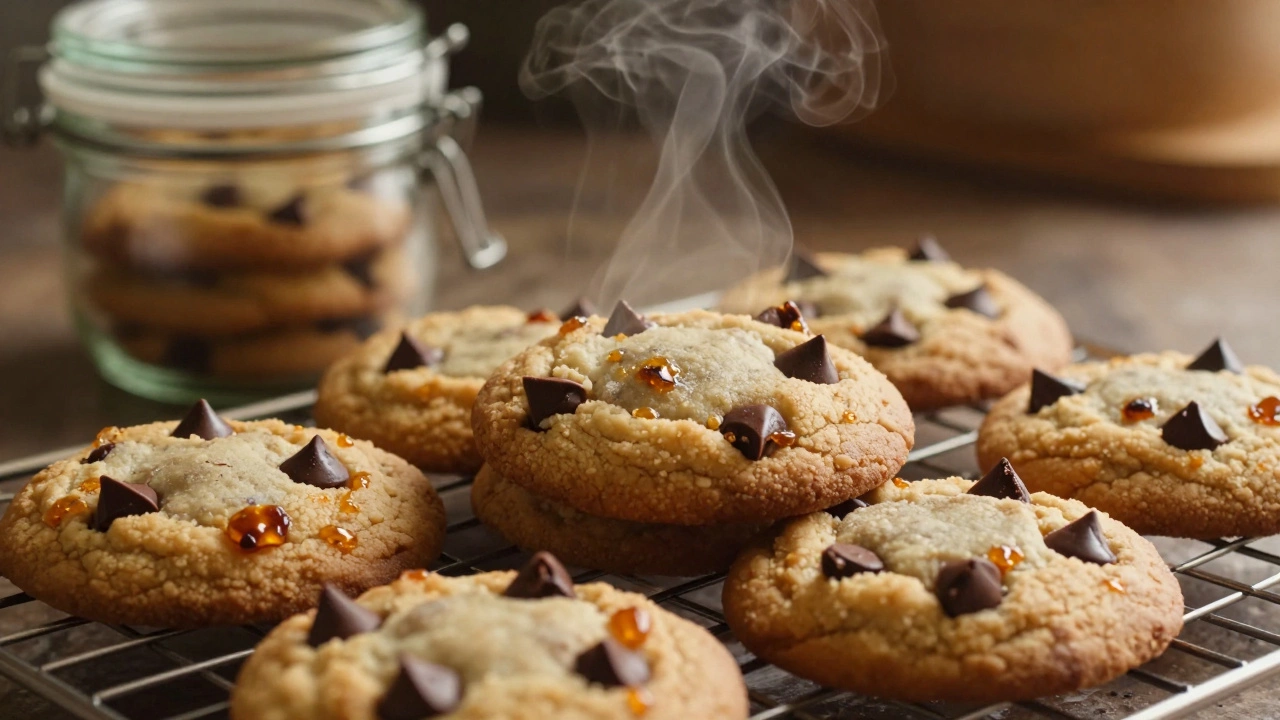
Chocolate Chip Cookies is perhaps the most famous type globally. It features dough mixed with chocolate chips that melt slightly during baking. First popularized in the mid-20th century, this variation set the standard for texture expectations: a crispy edge with a soft center.
Core Ingredients and Their Jobs
Think of a cookie recipe as a team where every player has a specific job. If one member fails, the whole performance suffers. Understanding what each ingredient does helps you troubleshoot when things go wrong.
Flour as the Skeleton
All-purpose flour provides the structure. It contains proteins that form gluten when mixed with water. If you overwork your dough, that gluten network tightens up too much. You end up with bricks instead of treats. Just enough mixing gives you a sturdy frame that holds its shape while still tasting tender. Using bread flour instead of all-purpose will usually make your results tougher because the protein content is higher.
Fat for Flavor and Softness
You need fat, and Unsalted Butter is the gold standard for homemade versions. Butter does two main things. First, it coats the flour proteins, stopping them from forming too much gluten, which keeps your bite soft. Second, it carries flavor. Margarine or shortening changes the taste profile and melting point. Shortening stays solid longer, sometimes resulting in taller cookies that spread less. Real dairy butter offers a distinct nutty richness that synthetic fats lack.
Sugar and Texture Control
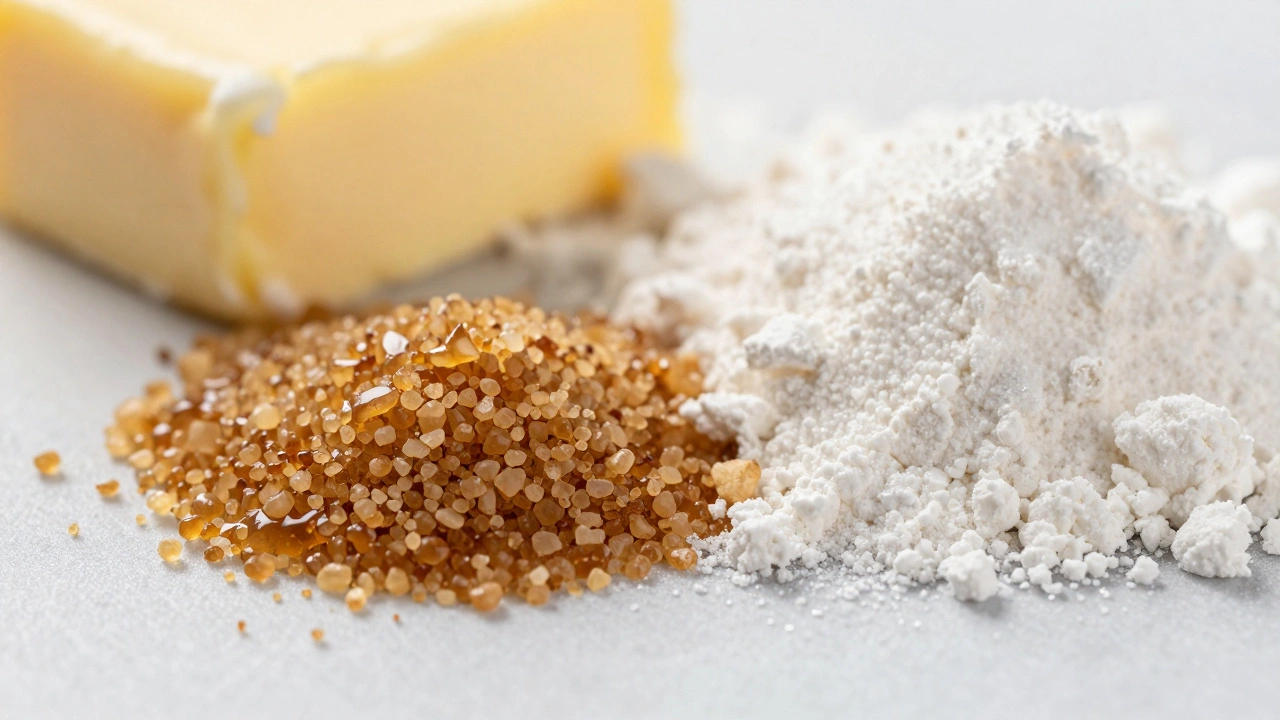
Sugar isn’t just for sweetness; it manages moisture and crunch. White granulated sugar promotes spreading and crisp edges because it attracts moisture and caramelizes easily. Brown sugar, however, contains molasses. That extra liquid means your finished product retains moisture better, leading to chewiness. Swapping brown for white sugar turns a crisp sandwich cookie into a dense, fudgy bar. Many recipes balance both to achieve a complex texture with snap and chew simultaneously.
Eggs as Binders
The egg acts as the glue holding everything together. The whites provide structure through coagulation when heated, while the yolk adds richness and fat. Adding an extra yolk often creates a richer, denser texture closer to a shortbread feel. Using only whites might make them lighter and drier. Room temperature eggs incorporate more smoothly into your creamed mixture, avoiding lumps.
The Science of Leavening
Rising agents are often the mystery step for new bakers. These chemicals react to heat and moisture to create gas bubbles inside the dough.
| Ingredient | Action Speed | Primary Result | Common Pairing |
|---|---|---|---|
| Baking Soda | Fast | Spread & Browning | Acidic ingredients |
| Baking Powder | Medium | Height & Lift | Neutral pH doughs |
| None | N/A | Dense & Flat | Shortbread style |
Baking soda works immediately upon contact with acid. Ingredients like brown sugar, honey, or yogurt provide that necessary acid trigger. Without it, the reaction fizzles out, and your dough won’t activate fully until the oven kicks in. Sometimes this leads to a stale ammonia smell if used in excess. Baking powder contains both an acid and a base, meaning it works in two stages. Some action happens in the bowl, and the rest finishes in the heat. Most modern recipes use a combination to balance height and spread perfectly.
Achieving the Perfect Texture
You might find yourself craving a crisp cookie today and a soft one tomorrow. The difference comes down to chemistry manipulation rather than luck.
Getting More Chew
To increase chewiness, focus on the sugar ratio. Increasing the amount of brown sugar relative to white sugar locks moisture into the crumb. Additionally, underbaking slightly helps. Taking them out when the centers look just set but not dried out leaves residual heat to finish the cooking gently. Cooling them on a hot tray also continues the baking process slowly, keeping the interior moist.
Getting More Crunch
If you want snappy edges, increase the granulated sugar. Chilling the dough is less critical here, as you want the sugar to melt and caramelize quickly. Higher oven temperatures promote spreading before the structure sets. Spreading the scoops flat before baking also encourages even heat distribution across a larger surface area.
Equipment Essentials
You do not need professional gear to succeed, but certain tools make the journey smoother.
- Mixing Bowls: Stainless steel or glass bowls are easier to clean and prevent staining compared to plastic.
- Rubber Spatula: Essential for scraping down sides to ensure even distribution of ingredients.
- Parchment Paper: Prevents sticking without needing grease on the pan. Wax paper melts and burns in the oven, so always use parchment or silicone mats.
- Cooling Rack: Air circulation underneath stops steam from making the bottoms soggy.
Troubleshooting Common Issues
Even experienced bakers face challenges. Knowing why a batch failed helps fix the next one.
If your cookies are spreading too thin, your butter was likely too soft. Cold butter holds the shape until the heat hardens the starch. Measure your room temperature butter correctly; it should yield slightly when pressed, not melt into a puddle. Another culprit is old baking powder or soda. Chemical leavening loses potency over time. Test yours by dropping a bit in vinegar. If it bubbles vigorously, it is active.
Dry or crumbly cookies usually signal over-measuring flour. Scoop your flour directly into the measuring cup and level it off. Packing flour down increases density unnecessarily. Weighing your ingredients solves this issue instantly. Finally, burning the tops before the centers cook suggests your oven is running hot. Calibrate with an oven thermometer if you notice uneven browning patterns regularly.
Storing and Reviving Leftovers
Freshness fades quickly without intervention. To keep them edible for days, use an airtight container. Placing a slice of white bread on top helps absorb excess moisture and keeps them from drying out completely. Bread acts as a humidity regulator in the sealed space. If they lose their oomph, pop them in the oven at 300 degrees Fahrenheit for a few minutes. The gentle heat wakes up the fats without scorching the sugar again.
Frequently Asked Questions
Why did my cookies not rise?
This often happens if your leavening agent is expired. Old baking soda or baking powder loses its ability to produce carbon dioxide gas. Another cause is packing too much flour into the cups, which weighs the dough down. Check your powder date and measure loosely next time.
Can I freeze cookie dough?
Yes, freezing dough is excellent for batch baking. Shape balls of dough, flash freeze them on a tray, then transfer to a bag. Bake frozen balls directly but add 2 to 3 minutes to the total cooking time. The cold temperature delays spreading initially, creating a better texture later.
What temperature should the butter be?
Softened butter is ideal for most creamy mixes. It should leave an indentation when pressed but not slide around like oil. Leaving a stick on the counter for about 45 to 60 minutes usually achieves this state naturally. Avoid microwaving, which creates hot spots that ruin consistency.
How do I know when they are done?
Look for set edges and puffy centers. The middles might look slightly underdone when you pull the pan out. They finish setting as they cool on the sheet. If the center looks wet or shiny, they need more time. Pulling them early prevents dryness and ensures a chewy mouthfeel.
Is there a way to make them healthier?
You can reduce refined sugars slightly, but replacing all fat alters texture drastically. Try substituting half the butter with applesauce or mashed banana for moisture. Reduce overall sugar by 25 percent, but be aware this changes flavor intensity and spread characteristics significantly.
Next Steps for Your Baking Journey
Now that you have the foundation, experimentation becomes fun. Start with a standard vanilla sugar cookie. Once you master the spread and firmness of plain dough, introduce add-ins like nuts or spices. Cinnamon, cardamom, and sea salt transform simple bases entirely. Keep notes on your batches. Write down brand names and humidity levels. Tracking variables helps you identify what worked best in your specific environment.
Baking is precise, but it forgives mistakes. Every burnt or flat cookie teaches you something new about your own kitchen’s unique heating pattern. Trust the process, measure with care, and enjoy the aroma filling your home.