White Sugar vs Brown Sugar: What Really Makes the Difference in Baking
When you reach for a sugar bowl in your kitchen, you’re not just picking between two sweet powders—you’re choosing a white sugar, a refined, crystalline sweetener made from sugarcane or sugar beets, stripped of molasses and most impurities. Also known as granulated sugar, it’s the backbone of most cake recipes because it dissolves cleanly and gives structure. On the other side, brown sugar, is white sugar with molasses added back in, giving it moisture, stickiness, and a deeper flavor. It’s not just colored white sugar—it behaves differently in doughs, batters, and frostings. That’s why you can’t always swap them without changing the outcome of your bake.
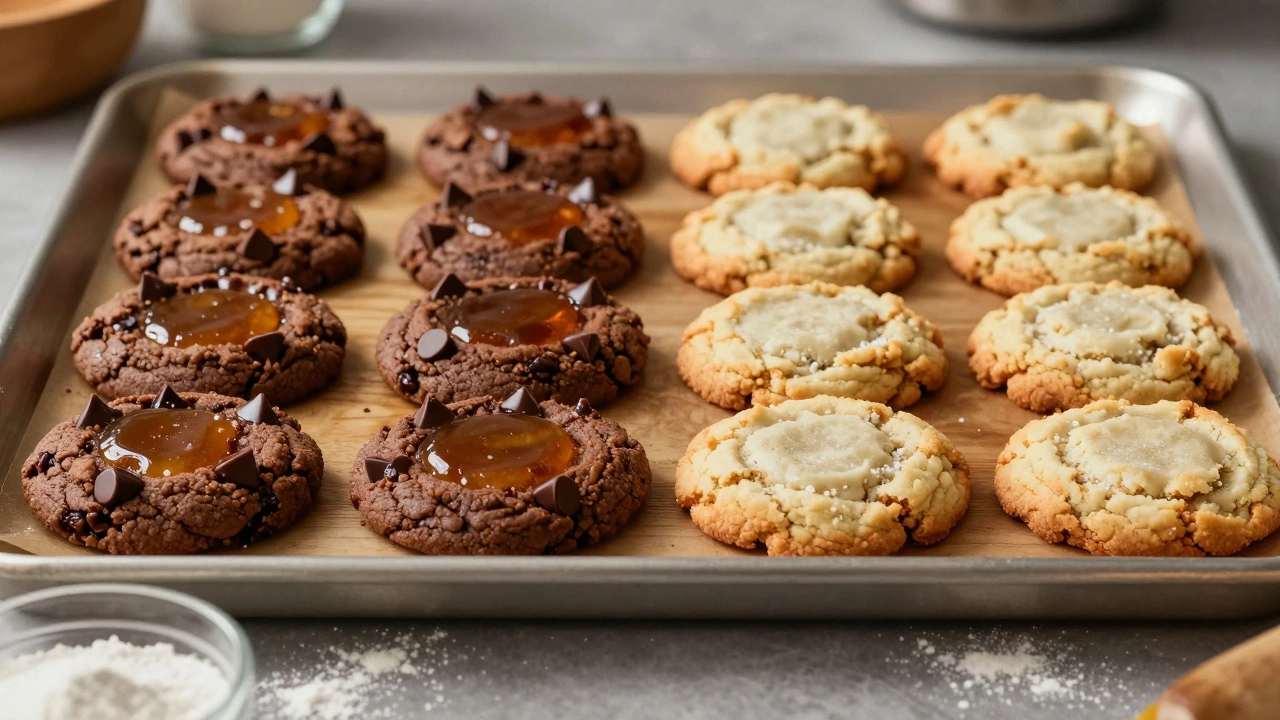
Here’s the thing: white sugar makes cookies crisp and cakes light. It pulls moisture out during baking, helping edges caramelize and creating that satisfying crunch. Brown sugar? It holds onto water. That’s why brown sugar cookies stay chewy, and why banana bread made with it feels denser and moister. If your cake turns out gummy, you might’ve used brown sugar when the recipe called for white. And if your cookies spread too much? You probably didn’t realize brown sugar adds extra liquid to the mix. Even the color changes—brown sugar gives a golden hue to frostings and glazes, while white sugar keeps things bright and clean.
It’s not just about taste. Brown sugar’s molasses adds a hint of caramel, toffee, or even spice, depending on how dark it is. Light brown sugar is mild; dark brown sugar is bold. That’s why recipes for gingerbread, pecan pie, or barbecue sauces lean on it. But if you’re making a vanilla sponge or a meringue, you want pure sweetness without interference. White sugar doesn’t compete—it just sweetens. And if you’re baking gluten-free cakes, where texture is already tricky, using the wrong sugar can make your dessert fall apart or turn gummy faster than you can say "oops."
What your recipes really need
Most of the posts here show how small changes make big differences. Like how cream of tartar fixes fudge texture, or how choosing the right cheese changes cheesecake. Sugar is the same. It’s not just a sweetener—it’s a player in the chemistry of baking. If you’ve ever wondered why your cake didn’t rise right, or why your cookies were too soft, the answer might be hiding in your sugar bowl. The posts below walk you through real examples—when to use each, what happens when you mix them up, and how to fix common mistakes without guessing.
You can skip brown sugar in cookies, but it changes texture, flavor, and shelf life. Learn what happens when you swap it with white sugar, honey, or coconut sugar-and which substitutes actually work.