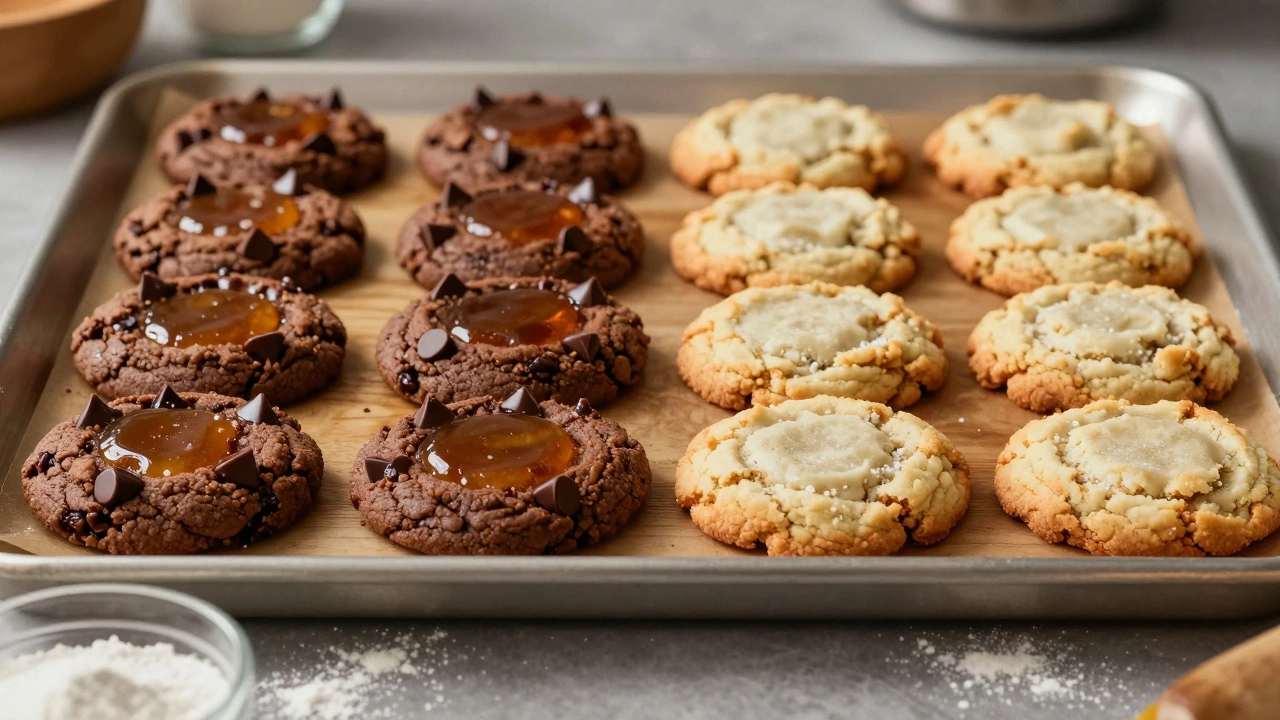
Brown Sugar Substitute Calculator
This calculator helps you replace brown sugar in cookie recipes with alternatives while understanding how it affects texture, color, and flavor. Enter the amount of brown sugar in your recipe to see equivalent substitutions.
Your Substitution
Texture Impact
Color Impact
Flavor Profile
You’ve got your cookie dough ready, everything measured out-except the brown sugar. Maybe you ran out. Maybe you don’t like the molasses taste. Maybe you just grabbed the wrong bag from the cupboard. Now you’re wondering: is it OK to not use brown sugar in cookies? The short answer? Yes. But your cookies won’t be the same. And that’s not always a bad thing.
What Brown Sugar Actually Does in Cookies
Brown sugar isn’t just white sugar with a bit of color. It’s white sugar mixed with molasses-usually around 3.5% to 6.5%, depending on whether it’s light or dark. That molasses brings more than flavor. It adds moisture, acidity, and stickiness. These three things change how cookies bake.
When you use brown sugar, your cookies spread less and stay chewy. The molasses holds onto water during baking, slowing down how fast the dough dries out. That’s why your favorite chocolate chip cookie stays soft in the middle even after it cools. It also gives cookies that deep, caramel-like richness you can’t get from plain white sugar.
Try this: bake two batches side by side-one with brown sugar, one with white. The brown sugar batch will be thicker, darker, and chewier. The white sugar batch will be crisper, lighter, and might even puff up more before flattening. You’ll taste the difference before you even bite.
What Happens When You Skip Brown Sugar
If you swap brown sugar for white sugar, you’re removing moisture and acidity. That changes the whole chemistry of the dough.
- Texture: Cookies turn crispier and thinner. They spread more during baking because there’s less moisture to hold the structure together.
- Color: They’ll bake lighter. No deep caramel tones. Think pale gold instead of amber.
- Flavor: The taste becomes simpler-just sweet. You lose the buttery, toffee-like notes that make brown sugar cookies feel indulgent.
- Shelf life: White sugar cookies dry out faster. Without molasses to retain water, they go stale in a day or two.
Some people actually prefer this. If you like crunchy, delicate cookies that snap when you bite them-think classic sugar cookies or shortbread-then skipping brown sugar might be exactly what you want.
Best Substitutes for Brown Sugar in Cookies
Just using white sugar isn’t the only option. There are smarter swaps if you want to keep some of that chewiness and depth.
1. White Sugar + Molasses (Closest Match)
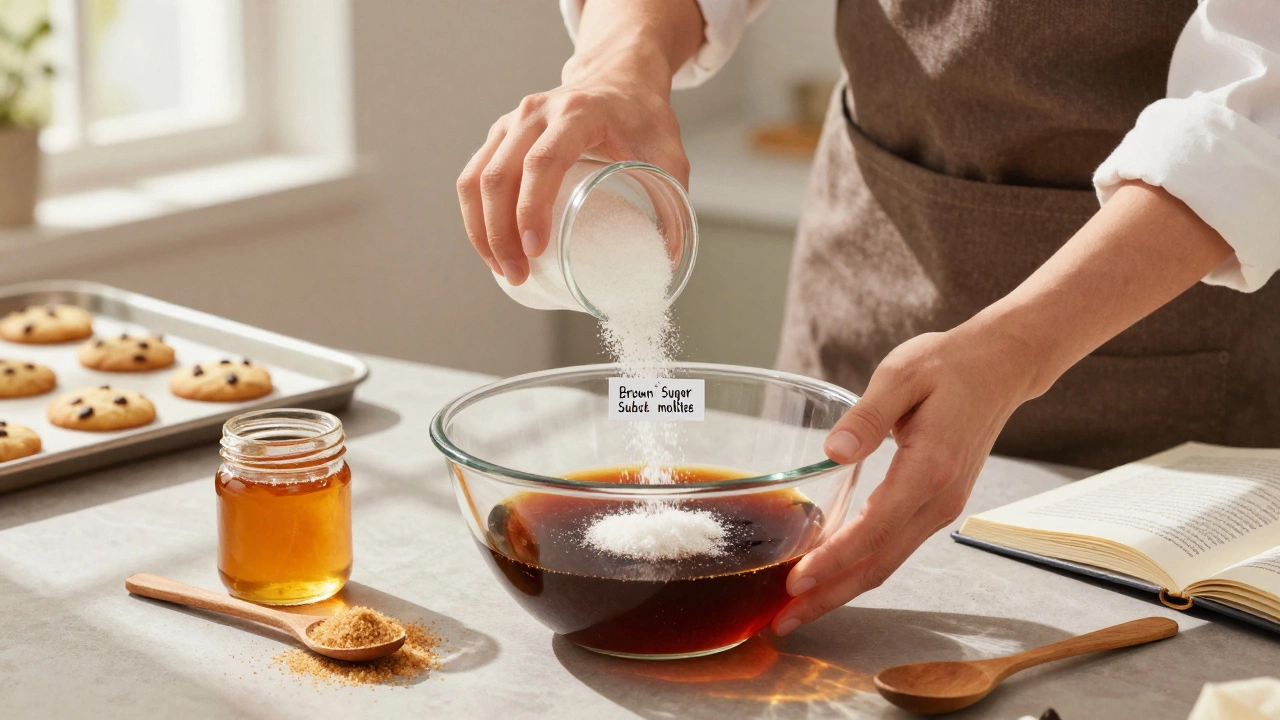
If you have molasses on hand, mix 1 cup of white sugar with 1 to 2 tablespoons of molasses. Use 1 tablespoon for light brown sugar flavor, 2 for dark. This is the most accurate replacement. You’ll get back most of the moisture and flavor. It’s what bakers do when they run out of brown sugar.
2. White Sugar + Honey or Maple Syrup
Replace 1 cup of brown sugar with 3/4 cup white sugar + 1/4 cup honey or maple syrup. Since liquids change the dough’s balance, reduce other wet ingredients (like eggs or butter) by 1-2 tablespoons. This works well for chewy cookies but makes them slightly softer and stickier. The flavor leans toward floral (honey) or earthy (maple), which can be nice with oats or nuts.
3. Coconut Sugar
Coconut sugar has a similar molasses-like taste and can be swapped 1:1 for brown sugar. It’s less sweet, so your cookies might taste milder. It also browns faster, so watch the baking time. Your cookies will be a little grainier in texture but still chewy.
4. Just White Sugar (The Simple Swap)
If you don’t have anything else, use white sugar. You’ll get a different cookie-but still a good one. Many old-fashioned recipes, like the ones from the 1950s, used only white sugar. They’re crisp, buttery, and perfect for dunking in milk.
When You Should Avoid Substituting
Some cookie recipes are built around brown sugar. Changing it breaks the balance.
- Chewy chocolate chip cookies: Recipes from Toll House, Nestlé, or any bakery-style cookie rely on brown sugar for that signature texture. White sugar won’t give you the same result.
- Oatmeal cookies: Brown sugar helps bind the oats and keeps them moist. Without it, they can turn dry and crumbly.
- Soft-baked cookies: Any cookie labeled “soft” or “chewy” in the title? Brown sugar is likely doing the heavy lifting.
If you’re following a recipe that says “use dark brown sugar,” don’t just swap it out unless you’re okay with a different outcome. Treat it like yeast in bread-it’s not just flavor, it’s function.
Can You Use Brown Sugar Alternatives Like Stevia or Erythritol?
Artificial sweeteners like stevia, monk fruit, or erythritol won’t work as direct replacements. They don’t have the moisture or bulk of sugar. If you use them without adjusting the recipe, you’ll end up with dry, cakey, or grainy cookies that don’t spread right.
Some sugar-free cookie recipes are designed specifically for these sweeteners, using psyllium husk, ground flax, or extra egg yolks to add moisture. But if you’re just swapping brown sugar for stevia in a regular recipe, you’re asking for disappointment.
Stick to real sugar substitutes if you want real results.
Real-Life Example: What Happened When I Made Cookies Without Brown Sugar
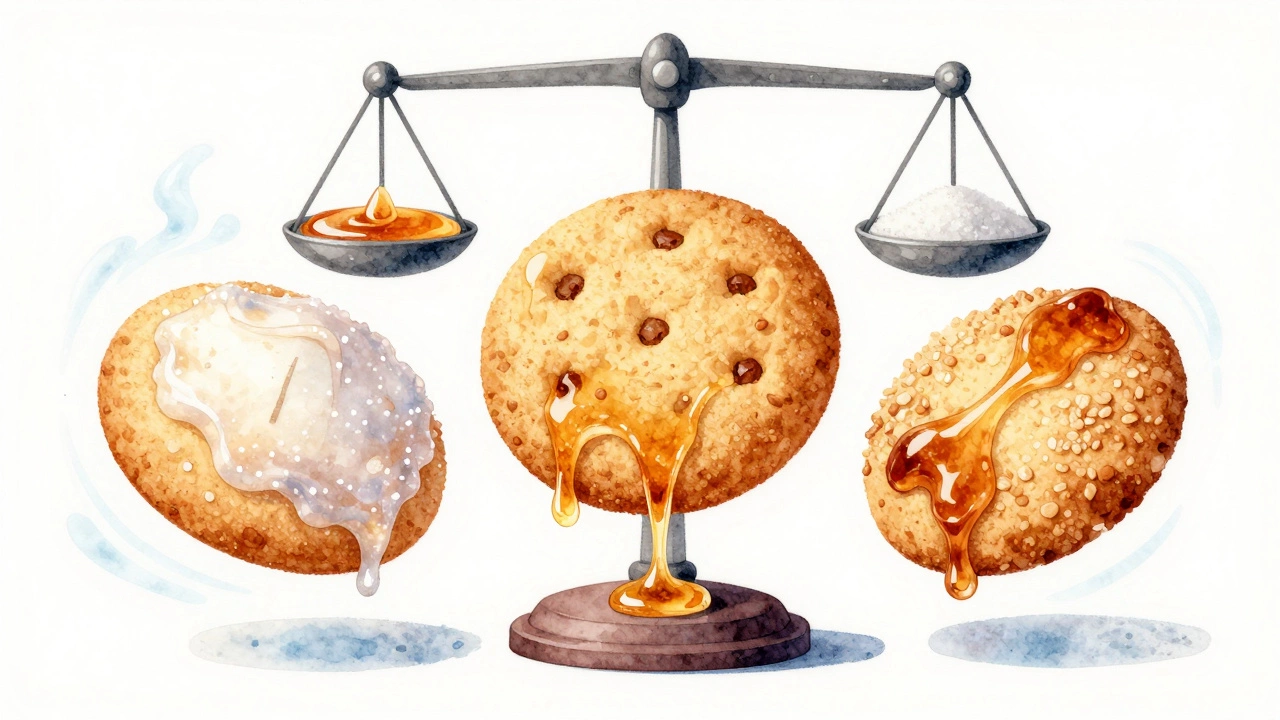
Last month, I ran out of brown sugar while making my go-to chocolate chip cookies. I had white sugar, honey, and coconut sugar. I made three batches.
The white sugar batch spread into thin, crisp discs. They were fine, but they didn’t have that soft center I love. The honey batch was sticky, chewy, and had a floral sweetness that worked well with walnuts-but the edges burned faster. The coconut sugar batch was my favorite: slightly grainy, deeply caramel-flavored, and stayed soft for three days.
My kids ate the white sugar ones first. My partner liked the coconut sugar ones best. I kept the honey batch for myself.
Point is: you can make cookies without brown sugar. But you’ll learn which version you actually like.
Final Verdict: Is It OK to Skip Brown Sugar?
Yes. It’s perfectly fine. But don’t expect the same cookie.
If you’re experimenting, go ahead. Try white sugar, try honey, try coconut sugar. Bake side by side. Taste the differences. You might discover a new favorite.
If you’re following a trusted recipe that calls for brown sugar-especially if it’s a chewy, bakery-style cookie-then stick with it. The recipe was designed around that ingredient. Changing it isn’t a shortcut. It’s a redesign.
At the end of the day, cookies are flexible. They’re forgiving. But they’re also specific. Brown sugar isn’t just a flavor. It’s a texture builder, a moisture keeper, a flavor enhancer. Skip it, and you’re not just changing a sweetener. You’re changing the whole cookie.
Can I use white sugar instead of brown sugar in cookies?
Yes, you can. But your cookies will be crispier, lighter in color, and less chewy. Brown sugar adds moisture and flavor from molasses. White sugar gives a cleaner, crisper result. If you like crunchy cookies, this works fine. If you want soft and chewy, you’ll miss the brown sugar.
What’s the best substitute for brown sugar in cookies?
The closest substitute is 1 cup white sugar + 1 to 2 tablespoons molasses. This mimics both the flavor and moisture of brown sugar. Coconut sugar is a good 1:1 swap with a similar taste. Honey or maple syrup work too, but you’ll need to reduce other liquids in the recipe slightly.
Why do my cookies spread too much without brown sugar?
Brown sugar holds moisture, which slows down how fast the dough spreads in the oven. White sugar dries out faster, so the dough spreads more before setting. To fix this, chill the dough for 30 minutes before baking or reduce the butter by 1 tablespoon.
Do cookies last longer with brown sugar?
Yes. The molasses in brown sugar helps retain moisture, so cookies stay soft longer. Cookies made with white sugar tend to dry out and go stale in 1-2 days. Brown sugar cookies can stay fresh for up to 5 days if stored in an airtight container.
Can I use brown sugar in sugar cookies?
You can, but it changes the texture. Traditional sugar cookies are crisp and delicate. Brown sugar makes them chewier and darker. If you want classic sugar cookies, stick with white sugar. If you want a richer, chewier version, brown sugar works-but it’s no longer a traditional sugar cookie.