When Should You Not Eat Cheesecake? Common Reasons to Skip This Dessert
Cheesecake is delicious, but not always safe or smart to eat. Learn when to skip it - whether you're lactose intolerant, pregnant, recovering from surgery, or just not hungry.
When you think of cheesecake, a rich, creamy dessert made primarily from cream cheese, eggs, and sugar. It’s the kind of treat that feels like a celebration in every bite. But not every body handles it well. For some people, eating cheesecake isn’t just a bad choice—it’s a mistake that leads to bloating, pain, or worse. The problem isn’t the sugar or the crust. It’s what’s inside: dairy, a major component of cream cheese and sour cream, which can trigger reactions in those with lactose intolerance or milk protein sensitivity. And if you’re watching out for gluten, often hidden in graham cracker crusts or cross-contaminated baking tools, even a plain slice can sneak in trouble.
So when should you skip it? First, if you’ve just been diagnosed with a dairy sensitivity—your gut isn’t ready. Cheesecake is basically a dairy bomb: cream cheese, heavy cream, sometimes even cottage cheese or sour cream. No amount of whipped topping hides that. Second, if you’re recovering from a stomach bug, food poisoning, or even a bad bout of stress-induced indigestion, your digestive system is already on edge. Cheesecake’s high fat content slows digestion and can make nausea or cramping worse. Third, if you’re managing a condition like IBS or celiac disease, even a tiny bit of gluten from a contaminated crust or shared knife can set you back days. And fourth—if you’re trying to cut sugar for health reasons, cheesecake isn’t the place to start. A single slice can pack more sugar than a candy bar, and that spike doesn’t help your energy, mood, or cravings.
It’s not about giving up dessert. It’s about knowing when the reward isn’t worth the cost. You can still enjoy creamy, rich treats—just not always cheesecake. There are dairy-free versions made with cashew or coconut cream, gluten-free crusts using almond flour, and low-sugar options with stevia or monk fruit. But if you’re unsure, or if your body has told you it doesn’t like it, listen. The posts below cover real stories and practical advice: what happens when you eat cheesecake with a sensitive gut, how to spot hidden gluten in store-bought versions, why some people feel worse after eating it even if they’re not officially allergic, and what to eat instead when you’re craving something smooth and sweet without the side effects. This isn’t a list of rules. It’s a guide to eating smarter—so you can still enjoy sweets, safely.
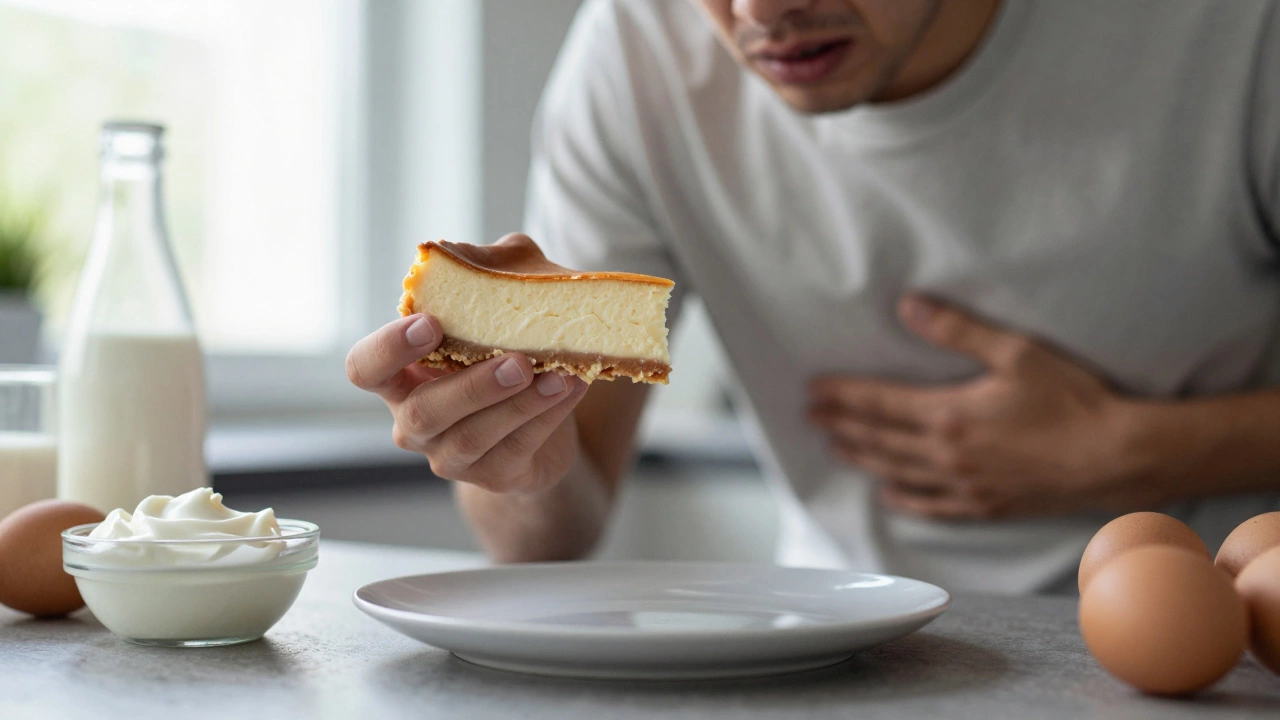
Cheesecake is delicious, but not always safe or smart to eat. Learn when to skip it - whether you're lactose intolerant, pregnant, recovering from surgery, or just not hungry.