Macaron Culture: Origins, Flavors, and Why They’re More Than Just Cookies
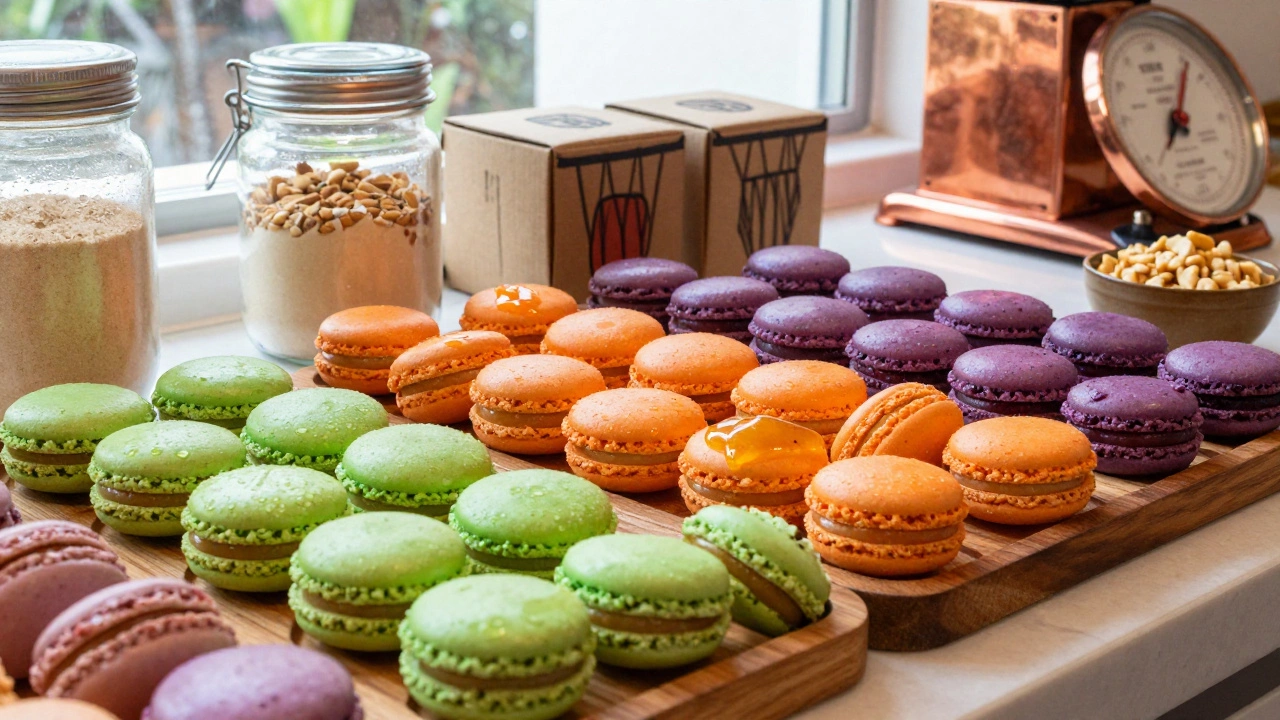
When you think of macaron culture, a global phenomenon centered around delicate, colorful French almond cookies with creamy fillings. Also known as macarons, it isn’t just about eating sweets—it’s about craftsmanship, tradition, and a quiet obsession with perfection. These aren’t your average cookies. They’re fragile, precise, and often made with patience that feels more like art than baking.
Macaron culture didn’t start in Paris, but it found its soul there. The earliest versions came from Italy, brought over by Catherine de’ Medici’s chefs in the 1500s. But it was French pâtissiers who turned them into something elegant—crisp shells, chewy centers, and fillings that range from classic raspberry to wilder bets like matcha or lavender honey. Today, macaron culture thrives in bakeries from Tokyo to Brooklyn, where bakers experiment with flavors you’d never expect—like balsamic fig, smoked salmon, or even black truffle. It’s not just dessert. It’s a language of taste, texture, and technique.
Behind every perfect macaron is a chain of related skills and choices. You can’t talk about macaron flavors, the wide variety of fillings and infusions that define modern macaron experiences without understanding how they connect to macaron history, the evolution of this pastry from simple almond biscuits to luxury treats. The rise of Instagram made macarons a visual obsession, but their staying power comes from real taste and texture. A good macaron should crack slightly when you bite it, then melt into something creamy and rich—not gritty, not soggy, not overly sweet. That balance is what keeps people coming back.
And it’s not just about flavor. Macaron culture is also about the ritual—the careful piping, the tapping of trays, the waiting for the skin to form before baking. People spend hours getting it right. Some fail dozens of times. Others turn it into a business, selling hundreds of boxes a week. It’s a craft that rewards patience and punishes shortcuts. That’s why you’ll find so many posts here digging into the details: why some fillings separate, how humidity ruins batches, and what makes a flavor actually work instead of just sounding cool.
What you’ll find below isn’t just a list of recipes. It’s a collection of real stories—from how the name "macaron" stuck after centuries of change, to the wildest flavor experiments people are trying today. You’ll learn what makes a macaron taste like something unforgettable, not just pretty. Whether you’ve tried making them once and gave up, or you’ve been baking them for years, there’s something here that will make you see these little cookies in a new way.
Macarons are now a beloved treat in Brazil, with local bakers adapting the French classic using native flavors like dulce de leche, guava, and açaí. They’re sold everywhere - from luxury patisseries to street markets.