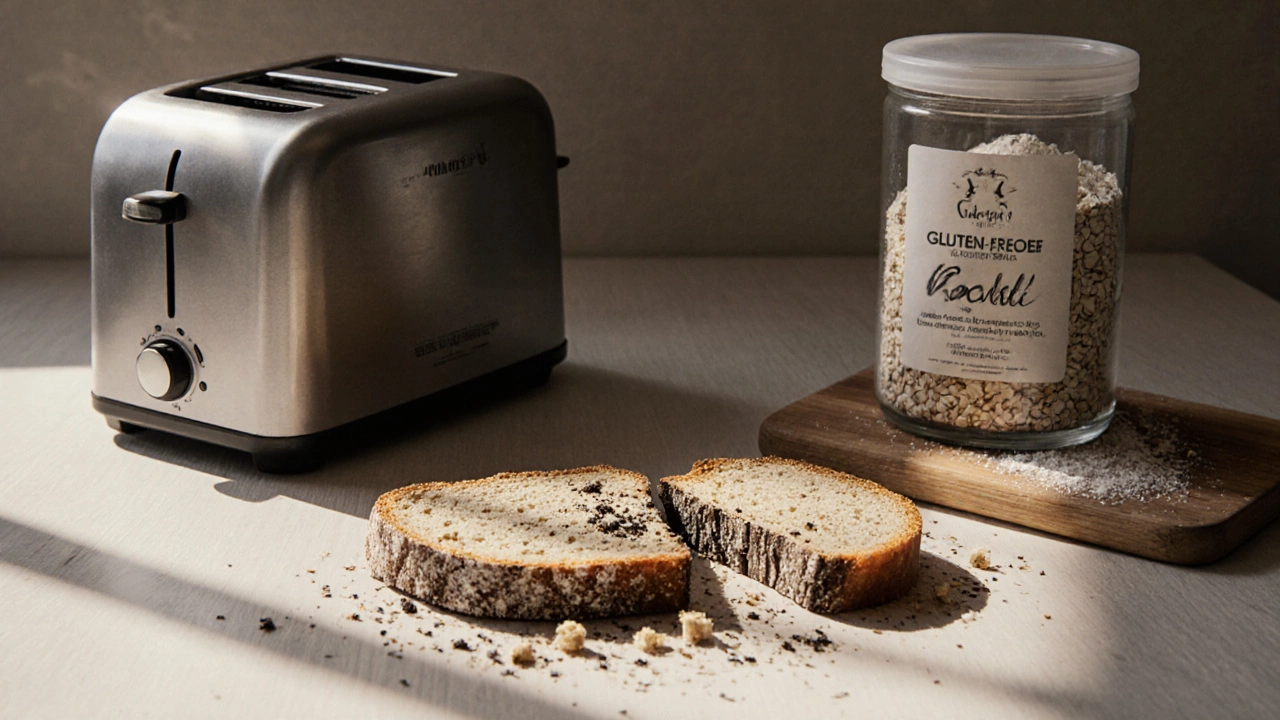
Gluten Intolerance: What You Need to Know About Hidden Sources and Gluten-Free Baking
When you have gluten intolerance, a condition where the body reacts badly to gluten, a protein found in wheat, barley, and rye. Also known as non-celiac gluten sensitivity, it causes bloating, fatigue, and digestive trouble — not from an allergy, but from your gut saying "nope" to certain grains. You don’t need a diagnosis to feel better cutting it out. Millions do it every day, not because it’s trendy, but because their bodies finally stop feeling awful.
But here’s the problem: gluten hides everywhere. It’s not just in bread or pasta. You’ll find it in soy sauce, a common condiment that often uses wheat as a fermenting agent, in flavored yogurt, where thickeners and stabilizers can contain gluten, even in medications and cosmetics. That’s why so many people still feel off — they think they’re eating clean, but they’re missing the hidden sources. And when you try to bake gluten-free, things go wrong. Cakes crumble. Cookies turn gummy. That’s not your fault. It’s usually because you’re using the wrong flour blend or skipping xanthan gum, a binding agent that replaces gluten’s stretchy structure.
You don’t need to give up cake. You just need to know what to swap. Gluten-free baking isn’t magic — it’s chemistry. It’s about understanding how different flours behave, why moisture matters, and how to fix a dry, dense loaf before it even hits the oven. The posts below show you exactly what to avoid, what to buy, and how to make your desserts taste just as good — if not better — than the original. Whether you’re new to this or you’ve been doing it for years, you’ll find real fixes here. No fluff. Just what works.
Discover the hidden foods that can trigger gluten intolerance symptoms, from soy sauce to restaurant fries, and learn how to bake safe, delicious gluten-free cakes without cross-contamination.