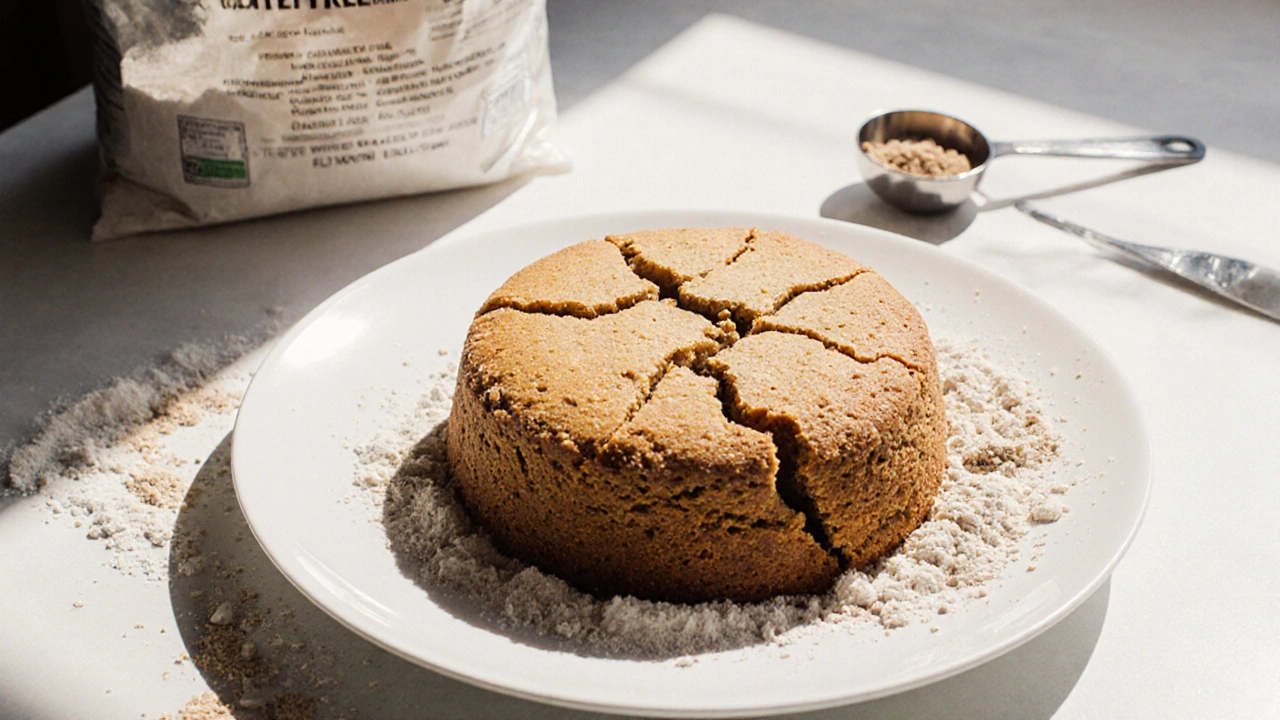
Gluten-Free Substitutes: Best Swaps for Baking Without Gluten
When you’re baking without gluten, you’re not just replacing flour—you’re rebuilding texture, structure, and flavor. Gluten-free substitutes, ingredients that mimic the binding and rising properties of wheat flour in baking. Also known as gluten-free flours, they’re the backbone of any successful gluten-free bake. It’s not magic. It’s science. And it’s way simpler than you think.
Most people assume gluten-free means dry, crumbly, or chalky. That’s only true if you swap one-for-one with regular flour. The truth? You need a blend. Gluten-free flour, a mix of starches and proteins like rice, tapioca, potato, and almond flour. Also known as gluten-free baking flour, it’s what keeps your cake from falling apart. You’ll find this blend in most recipes here. But you’ll also see Greek yogurt, a naturally gluten-free ingredient that adds moisture and tang without altering flavor. Also known as strained yogurt, it’s a secret weapon in gluten-free cheesecakes and muffins. And don’t forget cream of tartar, an acidic powder that helps stabilize egg whites and boost rise in gluten-free batters. Also known as potassium bitartrate, it’s the quiet hero in meringues and angel food cakes that need extra lift. These aren’t random picks—they’re the tools people actually use to make gluten-free baking work.
Gluten-free doesn’t mean flavor-free. It means smarter choices. You’ll find posts here that break down exactly what to use when—whether you’re making a dense brownie, a light cake, or a chewy cookie. Some swaps work better for structure, others for moisture. Some are pantry staples, others are specialty finds. You’ll learn why a cup of almond flour won’t replace a cup of wheat flour, and why adding xanthan gum isn’t optional in most recipes. You’ll also see how to avoid hidden gluten in things like yogurt, flavorings, and even powdered sugar. No guesswork. No failed batches. Just clear, tested advice from people who’ve been there.
Whether you’re baking for someone with celiac disease, avoiding gluten for health reasons, or just curious about alternatives, this collection gives you the real tools—not the hype. You’ll walk away knowing what to buy, what to skip, and how to make your desserts taste like they’ve always been gluten-free.
Avoid these common mistakes in gluten-free baking to stop crumbly, gummy cakes. Learn what flour blends to use, why xanthan gum matters, and how to fix oven and mixing errors.