Gluten-Free Lentils: What You Need to Know About This Unexpected Food
When you think of gluten-free lentils, a naturally gluten-free legume packed with protein and fiber, often used in soups, salads, and plant-based meals. Also known as lentils, they’re one of the simplest, most reliable foods for anyone on a gluten-free diet, a way of eating that removes wheat, barley, rye, and cross-contaminated grains to manage celiac disease or gluten sensitivity. Unlike many packaged snacks labeled "gluten-free," lentils don’t need fancy processing—they’re just beans that grew in the ground. That’s why they’re a go-to for people who’ve learned the hard way that gluten hides everywhere.
But here’s the thing: gluten-free lentils aren’t always safe just because they’re a whole food. If you buy them in bulk at a store that also handles wheat flour, or if they’re mixed with seasonings that contain malt vinegar or soy sauce, you could still get exposed. That’s why people with gluten sensitivity, a condition where gluten triggers bloating, fatigue, or digestive discomfort without full-blown celiac disease need to check labels—even on plain lentils. Some brands process them in shared facilities, and cross-contamination can sneak in. The same goes for canned lentils. A lot of them come in broth with hidden gluten. Stick to plain, dry lentils you rinse yourself, or look for certified gluten-free labels. It’s not about being paranoid—it’s about protecting your gut.
Lentils are more than just a gluten-free filler. They’re a powerhouse. One cup gives you nearly 18 grams of protein, 15 grams of fiber, and a good dose of iron and folate. That’s why so many people switching to a gluten-free diet, a way of eating that removes wheat, barley, rye, and cross-contaminated grains to manage celiac disease or gluten sensitivity find lentils help them feel fuller longer and stabilize their energy. No more afternoon crashes from gluten-free bread that’s just sugar and starch. Lentils also support gut health, which is why many users report fewer digestive issues after swapping processed gluten-free products for whole foods like lentils. That’s the real win—not just avoiding gluten, but actually feeling better.
And it’s not just about eating them plain. You can toss them into salads, blend them into veggie burgers, or simmer them into thick, hearty soups. They cook faster than beans and don’t need soaking. If you’ve ever tried a gluten-free cake that fell apart or tasted like cardboard, you know how hard it is to find satisfying alternatives. Lentils don’t try to be wheat—they’re just good on their own. That’s why the posts here focus on real experiences: how gluten-free lentils changed people’s digestion, what brands to trust, and how to use them in everyday meals without feeling like you’re missing out.
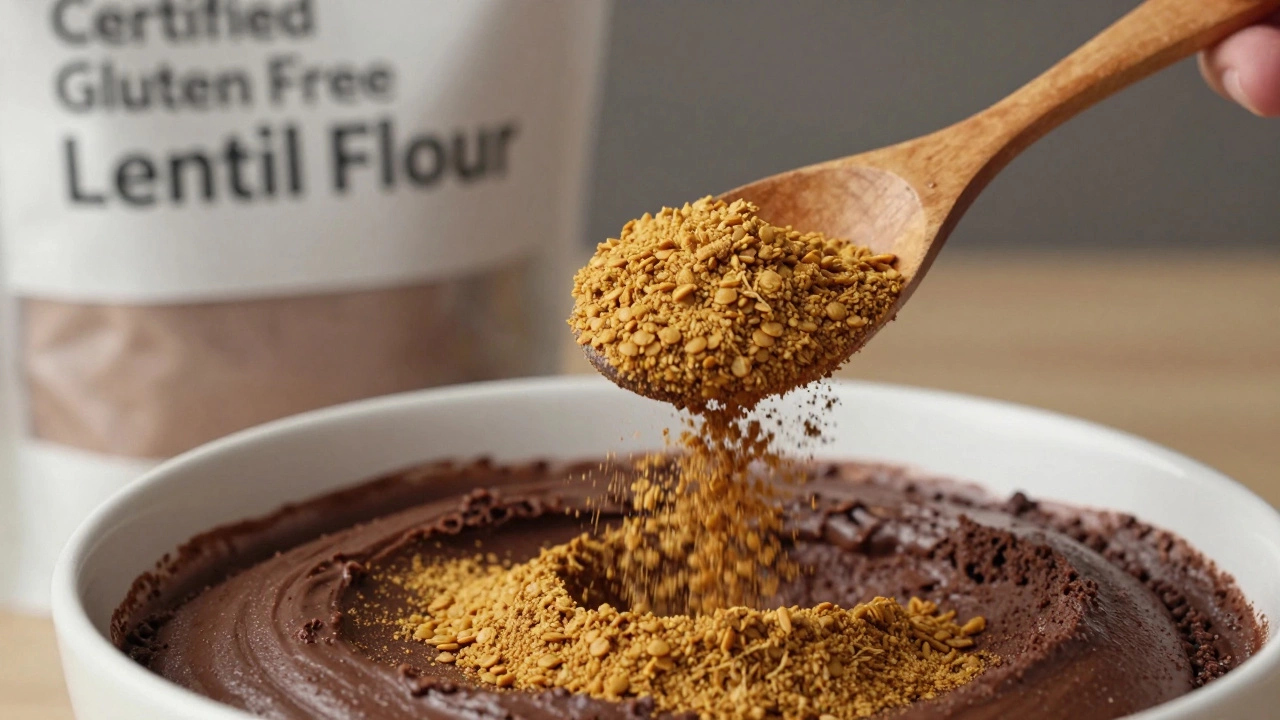
Lentils are naturally gluten-free and safe for gluten-free baking, but cross-contamination can be a risk. Learn how to use lentil flour in cakes, what to avoid, and how to pick the safest products.