Best Cheese for Cheesecake: Top Choices and What Works Best
Find out which cheese works best for cheesecake-cream cheese, ricotta, or mascarpone-and learn what to avoid. Get pro tips for perfect texture and flavor every time.
When you think of cheesecake cheese, the dense, rich dairy base used in classic cheesecakes, typically made from cream cheese. Also known as cream cheese, it's not just a filler—it's the foundation that holds the whole dessert together. This isn’t regular cheese you’d slice for a sandwich. It’s a cultured dairy product with high fat, low moisture, and a smooth, spreadable texture that melts into silkiness when baked. Without the right kind, your cheesecake turns crumbly, dry, or worse—grainy.
What you’re really looking for is cream cheese, a soft, unaged cheese made from milk and cream, standardized to at least 33% fat in the U.S. for baking. Brands like Philadelphia or local dairy versions work best because they’re consistent in moisture and acidity. If you swap it for ricotta, cottage cheese, or even Greek yogurt, you’re changing the game. Ricotta gives you a grainier texture, like in Italian cheesecake. Greek yogurt adds tang but can make it too dense or cause cracking. And if you’re using a low-fat version? Don’t be surprised when your cake shrinks, cracks, or tastes flat.
It’s not just about taste—it’s about science. The fat in cream cheese coats the proteins in eggs, slowing down coagulation during baking. That’s why your cheesecake stays creamy instead of turning into a rubbery custard. The acidity balances the sugar and helps the crust hold its shape. Even the temperature matters: room-temperature cream cheese blends smoothly. Cold? You’ll get lumps. Overmix? You’ll trap air and get cracks.
That’s why so many posts here dive into cheesecake failures and fixes. People try to cut corners—swap ingredients, skip resting time, use non-dairy alternatives—and wonder why it doesn’t turn out. The truth? cheesecake cheese isn’t replaceable without consequences. But once you understand what it does, you can tweak the rest: add vanilla, swirl in fruit, go gluten-free with the crust, even make it vegan with cashew-based substitutes. But the cheese? That’s the anchor.
And it’s not just about the cake. If you’ve ever wondered why some cheesecakes taste richer, or why others leave you feeling bloated, it starts here. Lactose intolerance? That’s why cheesecake, a dairy-heavy dessert made primarily with cream cheese, eggs, and sugar. can be a problem. But it’s also why some people swear by it after going gluten-free—because the cheese itself is naturally gluten-free, as long as nothing’s been added. And if you’ve ever tried making fudge with condensed milk and wondered why it didn’t set right? It’s the same principle: fat and sugar ratios matter. Cheesecake cheese is just one of those quiet, essential ingredients that makes everything else work.
Below, you’ll find real stories from bakers who’ve cracked the code—or broken it trying. Some swapped cheese and learned the hard way. Others found the perfect brand. Some even made it work without dairy. But they all came back to one thing: cheesecake cheese isn’t just an ingredient. It’s the reason the dessert exists at all.
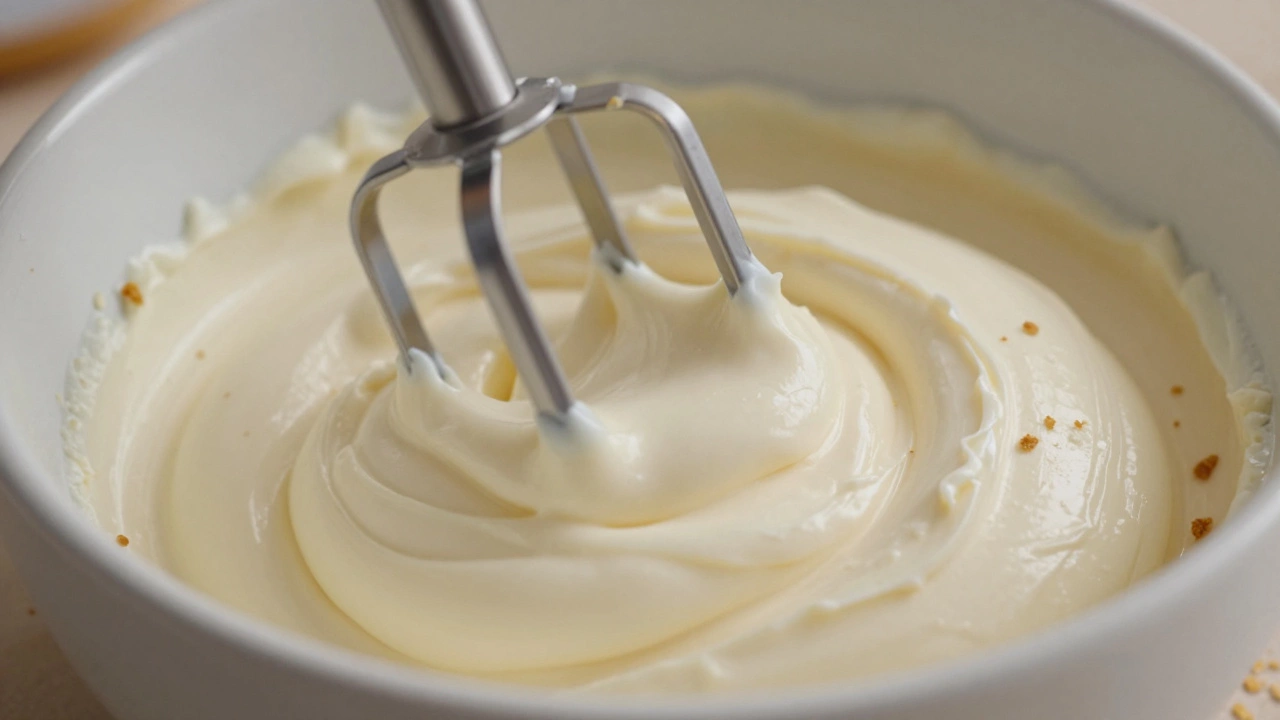
Find out which cheese works best for cheesecake-cream cheese, ricotta, or mascarpone-and learn what to avoid. Get pro tips for perfect texture and flavor every time.