Cannoli Meaning: What It Is, Where It Comes From, and Why It Matters
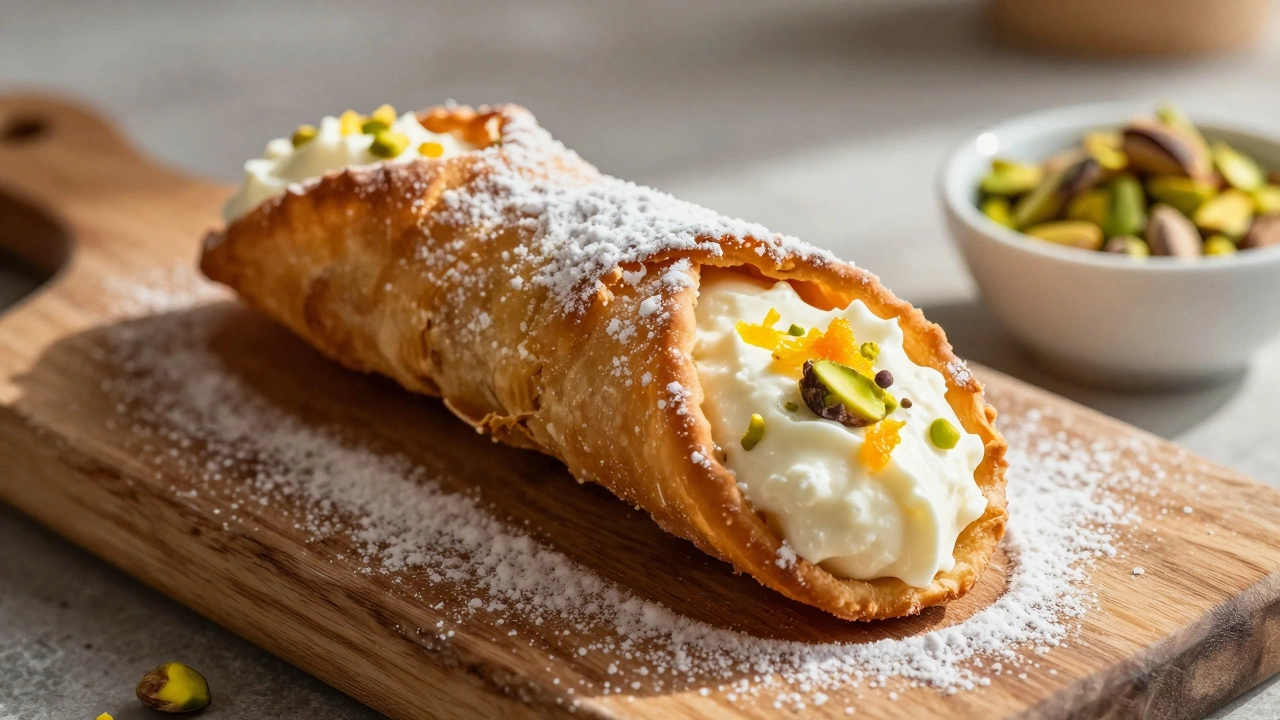
When you think of cannoli, a crisp, tube-shaped Italian pastry filled with sweet ricotta cream. Also known as cannoli siciliani, it’s more than just a dessert—it’s a symbol of Sicilian tradition, celebration, and craftsmanship. The word itself comes from the Italian "canna," meaning reed, because the shells were originally shaped around hollow reeds to bake. That simple detail tells you something important: cannoli weren’t invented in a fancy kitchen. They were made by hand, in homes, with what was available—and that’s why they still feel so real today.
What makes cannoli different from other pastries? It’s the contrast. The shell is crunchy, almost like a wafer, but not sweet. The filling is creamy, slightly tangy from ricotta, and lightly sweetened with sugar, often spiked with vanilla, citrus zest, or chocolate chips. Some versions include candied fruit or pistachios, but the best ones keep it simple. You won’t find cannoli in Italy that are soggy or filled with whipped cream—that’s not the tradition. The filling is meant to be rich but light, and the shell stays crisp until the moment you bite into it. That’s why they’re often served at weddings, holidays, and family gatherings—not because they’re fancy, but because they’re comforting. And unlike many desserts that rely on frosting or elaborate decoration, cannoli let the ingredients speak for themselves.
It’s also worth noting that cannoli aren’t just a dessert—they’re a cultural marker. In Sicily, every town has its own version. Palermo might use a slightly sweeter ricotta. Catania adds chocolate. Some families even use Marsala wine in the filling. Outside Italy, you’ll see variations with cream cheese or mascarpone, but those aren’t traditional. The real thing uses sheep’s milk ricotta, drained for days to get the right texture. That’s the secret most recipes skip. And while you might find cannoli in bakeries across the U.S. or the UK, few get the balance right. The shell should crack when you bite it. The filling should cling just enough to your tongue. It’s not about being fancy—it’s about being honest.
That’s why the posts you’ll find below focus on the real stuff: how to make the shell crisp, how to drain ricotta properly, what fillings actually work, and why some recipes fail even when they look right. You’ll see tips from people who’ve made hundreds of cannoli—not just once, but every holiday season for years. There’s no magic ingredient. Just technique, patience, and respect for the tradition. Whether you’re trying to recreate a nonna’s recipe or just want to understand why cannoli taste so different from other pastries, this collection has what you need.
Cannoli means 'little tube' in Italian and is a classic Sicilian dessert made of fried pastry shells filled with sweet ricotta. Learn its history, how to spot a real one, and why it's different from tiramisu.