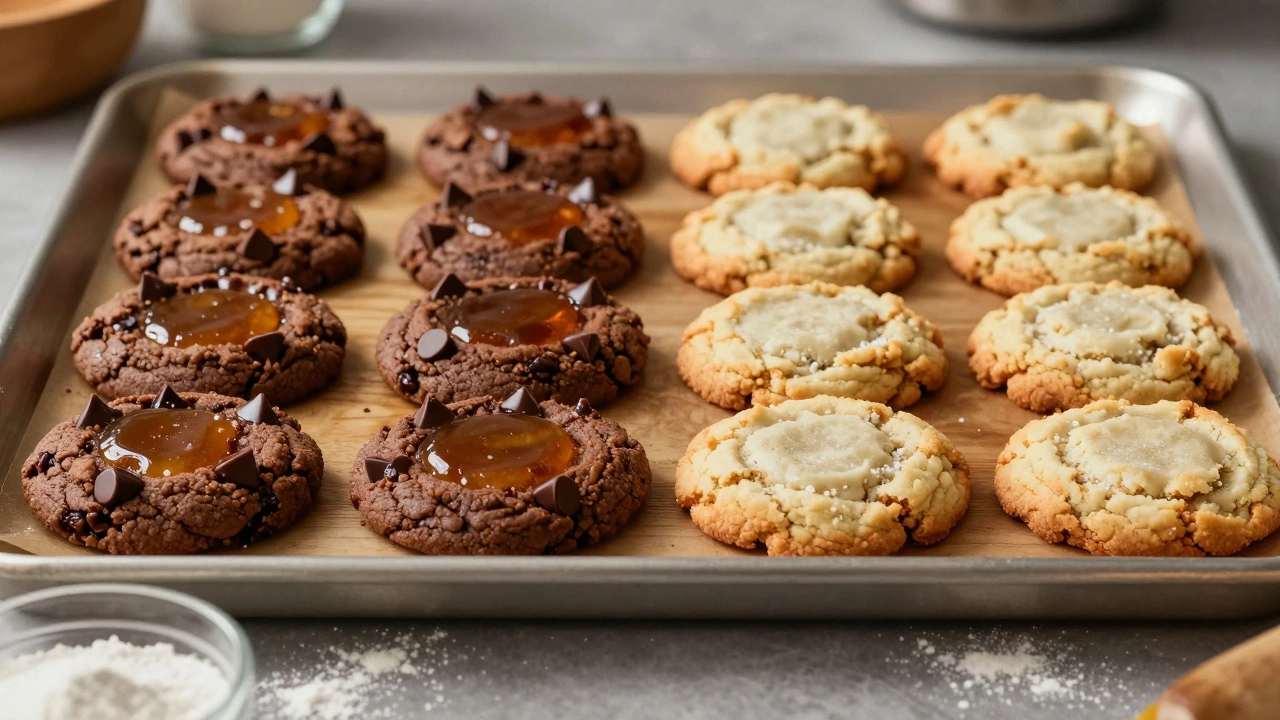
Brown Sugar in Cookies: Why It Makes a Difference
When you bake cookies with brown sugar, a moist, molasses-infused sweetener that adds depth and chewiness to baked goods. Also known as dark sugar or demerara sugar in some regions, it’s not just a substitute for white sugar—it’s a game changer. Most recipes call for white sugar because it’s neutral, but brown sugar brings something white sugar can’t: a warm, almost toffee-like richness that lingers on your tongue. It’s why your favorite chocolate chip cookie from the bakery tastes different from the one you made with granulated sugar.
The magic isn’t just in flavor. brown sugar holds moisture better than white sugar, which means cookies stay soft longer. That’s not a myth—it’s chemistry. The molasses in brown sugar attracts water, slowing down staling. And when it bakes, that moisture turns into steam, creating air pockets that give cookies their signature chew. Compare that to white sugar, which melts fast and spreads dough too thin, leaving you with crispy, flat disks. If you want a cookie that holds its shape and bites back, brown sugar is the tool.
It’s not just about texture. brown sugar works with other ingredients in ways white sugar doesn’t. It enhances the depth of chocolate, balances salt in sea salt cookies, and brings out the nuttiness in pecans or walnuts. Even vanilla tastes richer when paired with it. You’ll find this in nearly every post in this collection—bakers aren’t just using brown sugar because it’s trendy. They’re using it because it delivers results you can taste and feel.
Some people think light and dark brown sugar are interchangeable. They’re not. Dark brown sugar has more molasses, so it’s stronger, stickier, and deeper in flavor. Light brown sugar is milder—better for delicate cookies like snickerdoodles. If a recipe doesn’t specify, use light. But if you want bold, almost caramel-like cookies, reach for dark. And don’t pack it down unless the recipe says to. Scooping it loosely keeps the moisture right where it needs to be.
There’s no sugar-coating it: brown sugar in cookies isn’t optional if you want real flavor and texture. It’s the difference between a good cookie and one you’ll dream about. Below, you’ll find real recipes and real fixes from bakers who’ve learned the hard way—what happens when you skip it, what happens when you use too much, and how to fix gummy or flat results. No fluff. Just what works.
You can skip brown sugar in cookies, but it changes texture, flavor, and shelf life. Learn what happens when you swap it with white sugar, honey, or coconut sugar-and which substitutes actually work.