Mozzarella Gluten-Free Safety Checker
Check Your Mozzarella Safety
Select options to determine if your mozzarella is safe for gluten-free diets
When you're baking a gluten-free cake, every ingredient matters. Even something as simple as mozzarella can raise questions-especially if you or someone you're cooking for has celiac disease or a gluten sensitivity. The short answer is yes, mozzarella is naturally gluten-free. But the real question isn’t just about the cheese itself-it’s about what’s been added to it, how it’s processed, and whether cross-contamination could sneak gluten into your recipe.
Why Mozzarella Seems Like a Safe Bet
Mozzarella is made from just three things: milk, rennet, and cultures. That’s it. No flour, no wheat starch, no additives that contain gluten. The process is straightforward: milk is heated, acid or rennet is added to curdle it, the curds are stretched and shaped, then soaked in brine. None of those steps involve gluten-containing ingredients. If you buy plain, fresh mozzarella from the deli counter or in a water-filled tub, you’re getting a product that’s inherently gluten-free.That’s why many people with gluten intolerance assume mozzarella is always safe. And for the most part, they’re right. But assumptions can be dangerous in gluten-free cooking. What happens when you buy shredded mozzarella? Or the kind in a pre-packaged pizza blend? That’s where things get tricky.
The Hidden Risks: Shredded and Processed Mozzarella
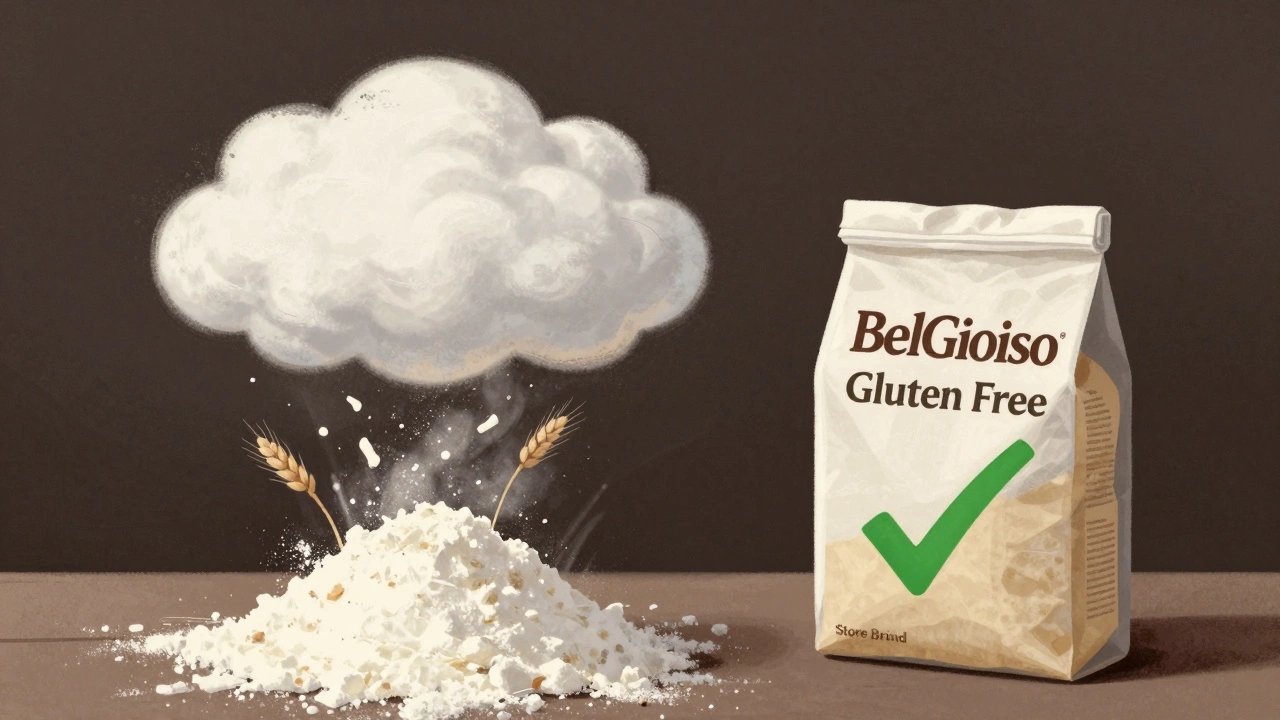
Shredded mozzarella is where most problems arise. To keep the cheese from clumping, manufacturers often add anti-caking agents. Some of those agents-like modified food starch or dextrose-can be derived from wheat. While the FDA requires that wheat be clearly labeled, not all countries have the same rules. If you’re buying imported cheese or shopping at a store with less strict labeling practices, you could end up with gluten in your shredded cheese.A 2023 study by the Celiac Support Association tested 32 brands of shredded mozzarella sold in the UK and US. Nine of them contained trace amounts of gluten, above the 20 ppm threshold considered safe for most people with celiac disease. The culprit? Shared equipment in facilities that also process bread crumbs, flour, or pasta. It wasn’t the cheese-it was the environment.
So if you’re using shredded mozzarella in a gluten-free pizza or baked pasta dish, always check the label for:
- “Gluten-free” certification
- “Made in a dedicated gluten-free facility”
- Any mention of “modified food starch” without a source
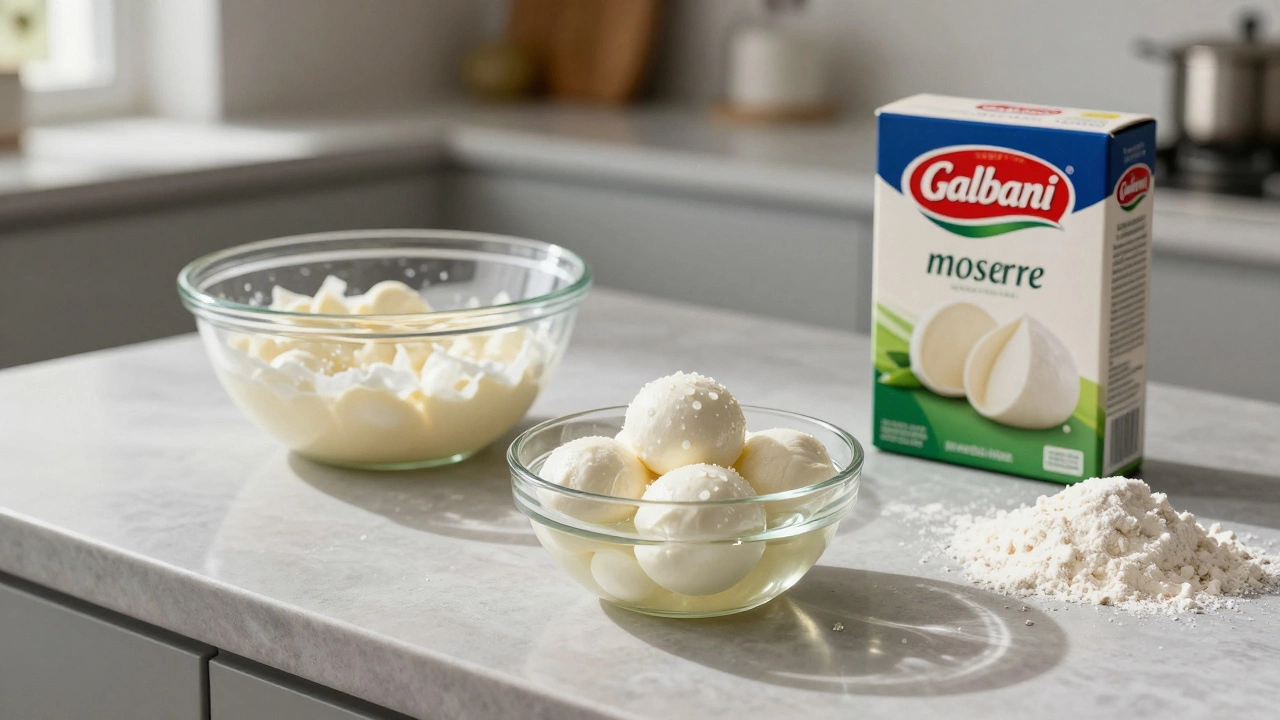
Brands like Galbani, BelGioioso, and Sargento have clear gluten-free labeling and test their products regularly. Stick with those if you’re unsure.
What About Mozzarella in Pre-Made Products?
Mozzarella on a frozen pizza? In a pre-made lasagna? In a salad kit? That’s another story. The cheese itself might be fine, but the breading, sauce, or seasoning blend could contain gluten. A 2024 review of 45 frozen gluten-free meals found that 11 of them listed mozzarella as an ingredient but still contained gluten-thanks to wheat-based thickeners in the sauce or cross-contaminated cheese.Always read the full ingredient list. Look for:
- Wheat, barley, rye, or malt
- Hydrolyzed wheat protein
- Modified food starch (unless specified as corn or potato)
Even if the cheese is listed separately, the whole product might not be safe. When in doubt, choose whole-milk mozzarella balls and shred them yourself.
Using Mozzarella in Gluten-Free Cakes? Yes, But Carefully
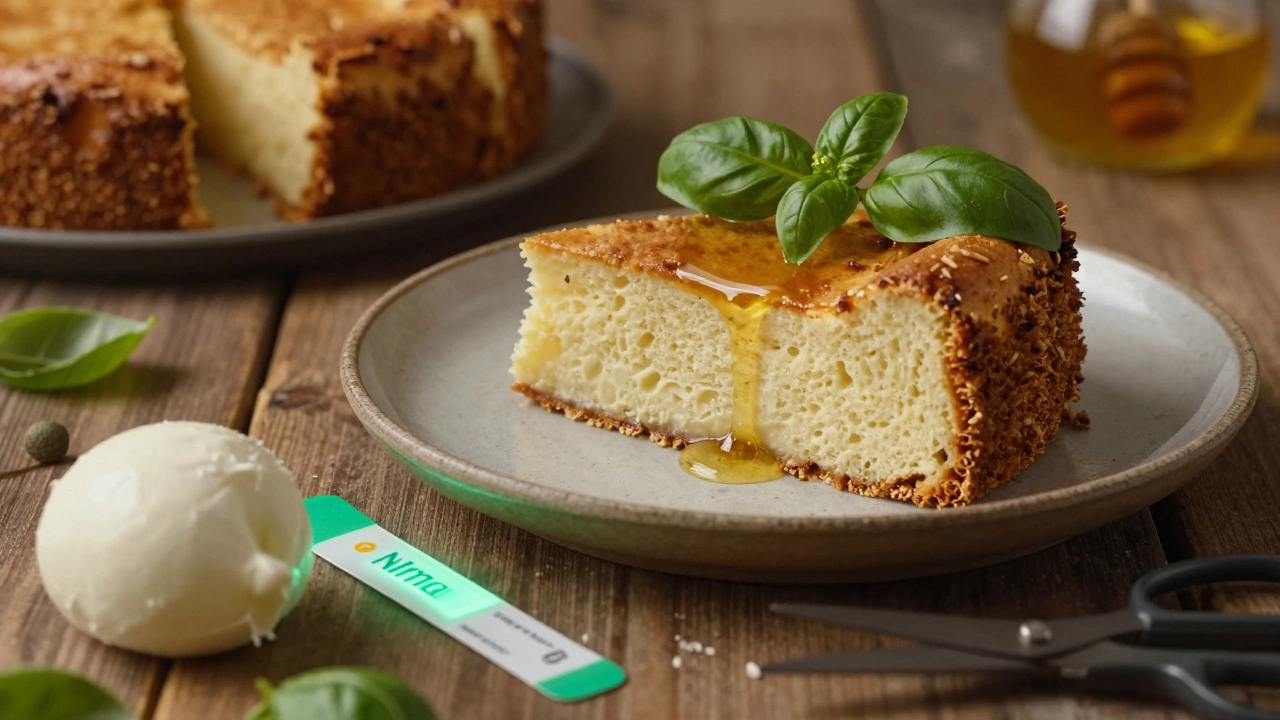
You might be wondering-why is this even relevant to gluten-free cakes? Because some gluten-free cake recipes, especially Italian-style ones like mozzarella cake (a traditional dessert from southern Italy), actually use fresh mozzarella as a key ingredient. It adds moisture, richness, and a subtle tang that balances the sweetness.This isn’t a common recipe in the UK or US, but it’s growing in popularity among gluten-free bakers looking for alternatives to flour-based textures. In these cakes, the mozzarella replaces part of the butter or oil, creating a tender crumb without gluten. But if you use contaminated cheese, the whole cake becomes unsafe.
For gluten-free cake recipes using mozzarella:
- Only use fresh, unshredded mozzarella packed in water
- Drain it well and pat it dry with paper towels
- Choose a brand with gluten-free certification
- Never substitute shredded cheese unless it’s labeled gluten-free
There’s no need to panic-this is a niche use case. But if you’re experimenting with international gluten-free recipes, knowing the source of your mozzarella can mean the difference between a delicious cake and a medical setback.
How to Test Your Mozzarella for Gluten
If you’re still unsure, you can test your cheese at home. Gluten test strips like Nima or EZ Gluten are affordable and reliable. They detect gluten levels as low as 5 ppm. Simply rub a small piece of cheese on the test pad, add the solution, and wait 5 minutes. If the result is negative, it’s safe to use in your baking.These strips aren’t perfect-they can miss gluten in highly processed foods-but they’re excellent for checking fresh cheese, especially when you’re trying a new brand.
Top 5 Gluten-Free Mozzarella Brands (2026)
Based on recent testing and consumer reports, these brands consistently meet gluten-free standards:| Brand | Form | Gluten-Free Certified? | Notes |
|---|---|---|---|
| Galbani | Fresh balls, shredded | Yes | US and UK production; widely available |
| BelGioioso | Fresh, shredded, smoked | Yes | Uses potato starch as anti-caking agent |
| Sargento | Shredded blends | Yes | Tests every batch; clear labeling |
| Whole Foods 365 | Fresh and shredded | Yes | Organic option; made in dedicated facility |
| President’s Choice (Canada) | Fresh balls | Yes | Available in UK via import; no additives |
These brands are trusted by celiac organizations and are safe for use in cakes, pizzas, and casseroles.
What to Avoid
Stay away from:- Generic store-brand shredded mozzarella without a gluten-free label
- Pre-grated cheese from bulk bins (shared grinders = high risk)
- Imported cheeses from countries without strict labeling laws
- Mozzarella sticks or fried cheese snacks (breading almost always contains wheat)
Even if the cheese says “natural,” that doesn’t mean gluten-free. Natural doesn’t mean safe.
Final Rule for Gluten-Free Bakers
If you’re baking a cake, pizza, or anything where gluten-free safety is critical, always:- Choose fresh mozzarella in water over shredded
- Look for a gluten-free certification logo
- When in doubt, shred your own from a whole ball
- Wash your hands and tools before handling cheese if you’ve used gluten-containing ingredients nearby
Mozzarella doesn’t need to be a source of stress in your gluten-free kitchen. With a little attention to detail, it can be a safe, delicious ingredient-even in desserts. The key isn’t avoiding it-it’s knowing exactly what you’re buying.
Is fresh mozzarella gluten-free?
Yes, fresh mozzarella made from just milk, rennet, and cultures is naturally gluten-free. Always check the label to ensure no additives or cross-contamination occurred during packaging.
Can I use shredded mozzarella in gluten-free baking?
Only if it’s labeled gluten-free. Many shredded cheeses contain anti-caking agents derived from wheat or are processed on shared equipment. Always choose certified brands or shred your own from a fresh ball.
Does mozzarella cake contain gluten?
Traditional mozzarella cake recipes don’t include flour, so they’re naturally gluten-free. But if the recipe uses pre-packaged mozzarella or added flavorings, check the ingredients. Always use certified gluten-free mozzarella.
Is mozzarella safe for people with celiac disease?
Plain, fresh mozzarella is safe for people with celiac disease. Avoid shredded or processed versions unless they’re certified gluten-free due to risk of cross-contamination or hidden additives.
What’s the best way to store gluten-free mozzarella?
Keep fresh mozzarella in its brine, sealed in the fridge. Use within 5 days. If you shred it yourself, store it in an airtight container with a paper towel to absorb moisture. Never freeze mozzarella for baking-it changes the texture.