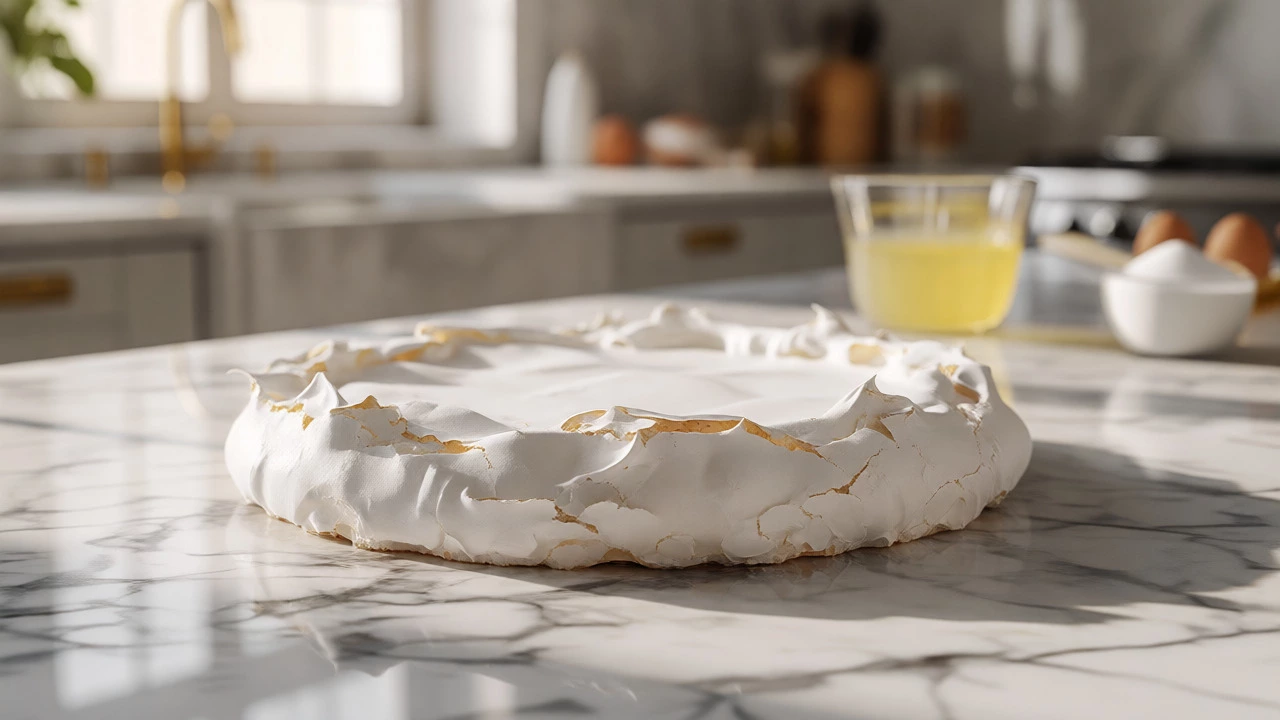
Pavlova Prep Planner
Set Your Event Time
Your Preparation Schedule
- Select a date above to generate your step-by-step plan.
Why this order matters:
- Bake Early: Allows the shell to dry out completely and stabilize.
- Store Dry: Prevents humidity from making the shell sticky or chewy.
- Add Cream Last: Dairy liquid dissolves sugar structures; keep it separate until service.
- Fruit Immediately: Juice releases quickly and ruins the crunch if left too long.
You have a dinner party tomorrow. The menu is set, the main course is prepped, but that massive Pavlova is staring you down. It looks intimidating-crisp shell, marshmallowy center, delicate as a butterfly wing. The big question on everyone's mind: Is it OK to make pavlova the day before?
The short answer is yes, but with a major catch. You can absolutely bake the meringue base 24 hours in advance. In fact, most professional pastry chefs prefer it. But if you assemble the whole thing (cream and fruit included) the night before, you will end up with a soggy, weeping mess by lunchtime. The secret isn't just about timing; it's about understanding how sugar and moisture interact.
Why Timing Matters for Meringue
To get this right, you need to understand what you are actually baking. A pavlova is essentially cooked egg whites and sugar. When baked at a low temperature, usually around 120°C (250°F), the water evaporates, leaving behind a crisp outer shell and a soft interior. This structure is hygroscopic, meaning it loves to suck moisture out of the air.
If you leave your baked meringue sitting on the counter overnight, it starts pulling humidity from your kitchen. By morning, that crisp snap you worked so hard for turns into a sticky, chewy texture. Worse, if you add cream early, the liquid from the dairy seeps into the porous meringue, dissolving the structure from the inside out. That is why the "make ahead" strategy relies on separating the components.
The Golden Rule: Bake Ahead, Assemble Last
Here is the workflow that saves your sanity and your dessert:
- Bake the base: Do this up to 3 days in advance. Yes, three days. If stored correctly, the meringue shell remains stable.
- Store it properly: Keep it in an airtight container at room temperature. Never put it in the fridge unless you live in a tropical climate, and even then, condensation is a risk.
- Whip the cream: Do this 2-4 hours before serving. Whipped cream holds its shape best when fresh.
- Add the fruit: Add this immediately before serving. Berries release juice, which kills the crunch instantly.
Think of your pavlova like a sandwich. You wouldn't spread wet tomato slices on bread six hours before eating. You keep the bread dry and the tomatoes separate until the last second. Same logic applies here.
How to Store Your Meringue Base
Storage is where most people fail. You cannot just throw the cooled meringue on a plate and cover it with cling film. Cling film traps residual heat and steam, turning your crisp shell into a sweatbox. Instead, follow these steps:
- Cool completely: Leave the pavlova in the turned-off oven with the door ajar for at least two hours after baking. This gradual cooling prevents cracks and ensures the center sets without becoming rubbery.
- Check for doneness: The surface should be matte and crackly, not shiny. Tap it gently; it should sound hollow.
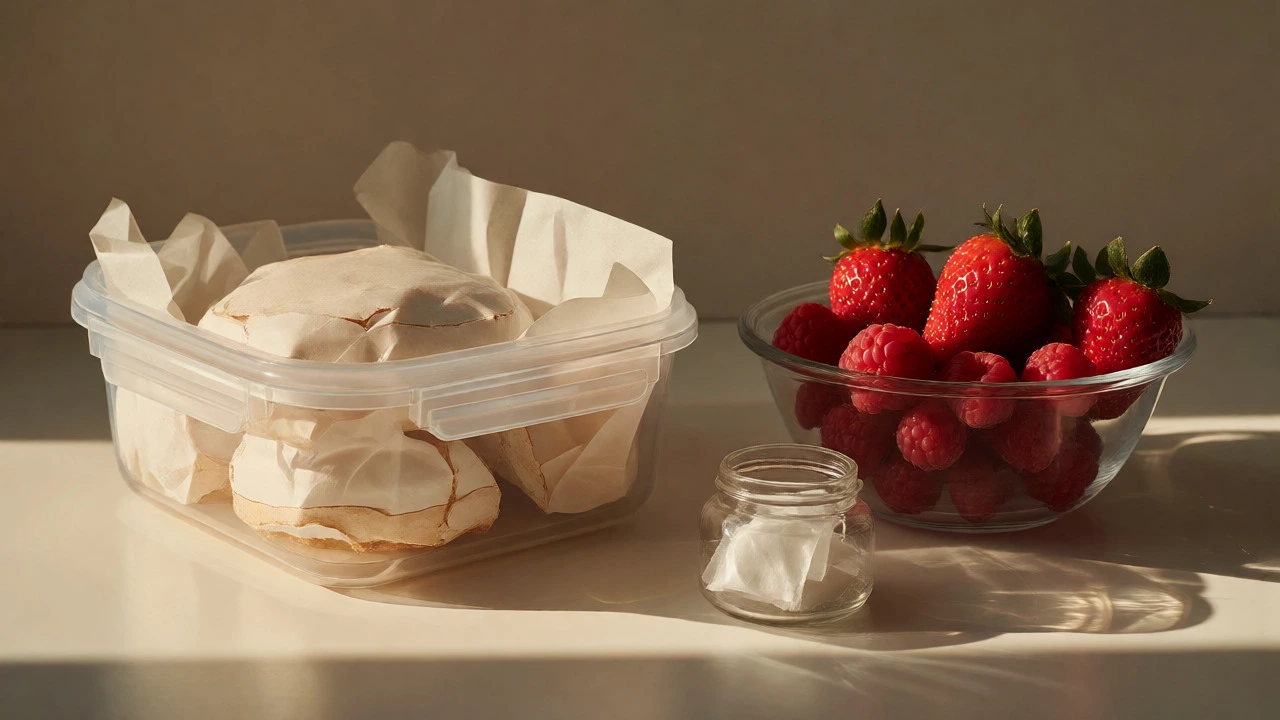
- Wrap individually: If making multiple small pavlovas, wrap each one loosely in parchment paper first. Then place them in a rigid airtight container. Rigid containers prevent crushing; soft bags do not.
- Avoid humidity: If your kitchen is damp, place a few silica gel packets (food-grade) or a piece of stale crustless bread in the container. The bread absorbs excess moisture better than rice in this context.
What if you live in a humid city like Bristol during autumn? Humidity is the enemy of meringue. If your air feels thick, consider adding an extra teaspoon of cornflour or vinegar to your recipe. These ingredients help stabilize the protein structure, making it slightly more resistant to ambient moisture.
Common Mistakes That Ruin Make-Ahead Pavlovas
Even with good intentions, things go wrong. Here are the pitfalls I see most often when helping friends prep for holidays:
| Mistake | Result | Fix |
|---|---|---|
| Assembling with cream too early | Soggy bottom, sliding toppings | Wait until guests arrive to whip cream |
| Storing in plastic bag | Steam buildup, sticky surface | Use rigid airtight container |
| Refrigerating the base | Weeping (syrup beads on surface) | Keep at cool room temp |
| Adding syrupy fruit | Dissolves meringue quickly | Toss berries in cornstarch or use fresh only |
Notice the "weeping" issue? That sticky liquid on top of your meringue isn't just ugly; it means the sugar has absorbed so much water it has started to dissolve back into syrup. Once this happens, you cannot fix it by drying it out again. Prevention is key.
Can You Freeze Pavlova?
This is a controversial topic among bakers. Technically, yes, you can freeze the baked meringue shells. However, the texture changes. Frozen meringue tends to become more brittle and can shatter unexpectedly when cut. It also loses some of that subtle chewiness in the center.
If you must freeze them (perhaps for Christmas prep in December while baking in October), follow this protocol:
- Ensure they are 100% cool.
- Wrap tightly in plastic wrap, then foil, then place in a freezer-safe bag.
- Thaw slowly in the refrigerator overnight, not on the counter. Rapid thawing causes condensation, which makes the shell sticky.
- Refresh in a low oven (100°C/200°F) for 10 minutes before serving to restore crispness.
For most home cooks, refrigeration or room temperature storage for 2-3 days yields better results than freezing. Save freezing for emergency meal-prep scenarios, not gourmet presentations.
Step-by-Step Timeline for a Stress-Free Dinner Party
Let’s say you are hosting on Saturday evening. Here is how you should schedule your baking week to ensure perfection:
| Timeframe | Action | Why |
|---|---|---|
| Thursday Night | Bake meringue bases | Allows 48+ hours to cool and stabilize fully |
| Friday Morning | Store in airtight containers | Protects from dust and humidity |
| Saturday Afternoon | Wash and hull strawberries | Prep work done, no last-minute chopping |
| Saturday 6 PM | Chill bowl and whisk for cream | Cold equipment whips faster and stiffer |
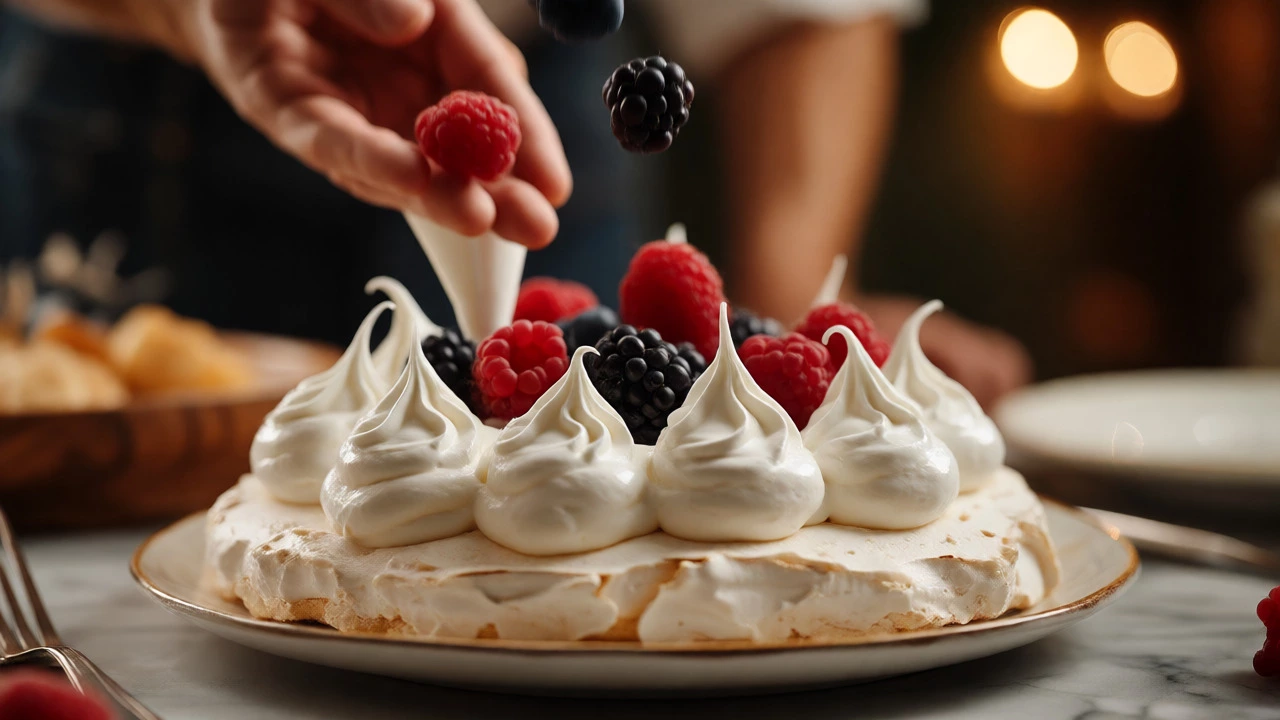
| Saturday 7:30 PM | Whip cream and pipe onto bases | Fresh cream maintains volume and flavor |
| Saturday 8:00 PM | Add fruit and serve | Fruit juices haven't had time to soak in |
This timeline removes all pressure from the actual event. You aren't standing in the kitchen sweating over a mixer while your guests chat. You’re relaxed, because the hard part was finished two days ago.
Troubleshooting: What If My Pavlova Is Already Soft?
So, you made it the day before, forgot to store it properly, and now it’s soft. Don’t panic. You can rescue it.
Place the meringues on a baking sheet lined with parchment paper. Put them in an oven set to the lowest possible setting (around 100°C / 200°F). Let them sit there for 15-20 minutes with the door slightly open (use a wooden spoon to prop it). This gentle heat drives off the absorbed moisture without burning the sugar. Check every five minutes. As soon as they feel dry to the touch, take them out. They won’t regain their original structural integrity perfectly, but they will be crisp enough to enjoy.
If the center is still gooey but the outside is soft, you under-baked it initially. There is no way to fix the internal texture once it has absorbed cream. In this case, treat it as a deconstructed dessert. Crumble it into a glass, layer with fresh cream and fruit, and call it a "Pavlova Trifle." Nobody complains about trifle.
Flavor Pairings That Hold Up Over Time
Since you are assembling late, you want flavors that complement the sweet, vanilla-like taste of the meringue without overwhelming it. Classic pairings work best because they rely on acidity to cut through the sugar.
Passionfruit curd is excellent because the tartness balances the sweetness, and the thick consistency doesn't run into the meringue as quickly as plain fruit juice. Lemon curd works similarly. For fruits, stick to firm berries like raspberries, blackberries, and sliced strawberries. Avoid kiwi or pineapple if serving more than an hour after assembly, as their enzymes can break down proteins and create a watery separation.
If you want to impress, toast sliced almonds lightly and sprinkle them on the cream just before serving. The fat in the nuts adds richness and contrasts beautifully with the airy meringue. Just remember: nuts go on last, too. If they sit on the cream for hours, they lose their crunch.
How long does a baked pavlova last unadorned?
A properly baked and stored pavlova base will stay crisp for up to 3 days at room temperature in an airtight container. After that, it begins to absorb ambient humidity and becomes chewy or sticky.
Can I make pavlova the night before and refrigerate it?
It is generally not recommended to refrigerate the bare meringue base because the cold environment promotes condensation, which makes the shell sticky and causes 'weeping' (sugar syrup droplets). Room temperature storage in a dry, airtight container is superior.
Why did my pavlova collapse after storing it?
Collapse usually happens if the meringue wasn't fully cooled before being covered, trapping steam inside. It can also occur if the oven temperature was too high during baking, creating a weak structure that couldn't support its own weight over time.
Should I add sugar to the fruit before topping?
Avoid macerating fruit in sugar if you are assembling close to service time. Sugar draws moisture out of the fruit, creating syrup that rapidly softens the meringue. Serve fruit fresh or lightly tossed in a tiny amount of cornstarch if needed.
Is it better to make mini pavlovas or one large one?
Mini pavlovas are easier to manage for make-ahead parties. They bake faster, cool quicker, and allow guests to grab one without cutting a messy wedge. They also present less surface area for humidity to attack compared to a single large disc.