Cheesecake Butter Optimizer
Select your preferences below to get a personalized recommendation for your next cheesecake bake.
Analyzing...
CalculatingRecommended Butter
--
Why:Action Plan
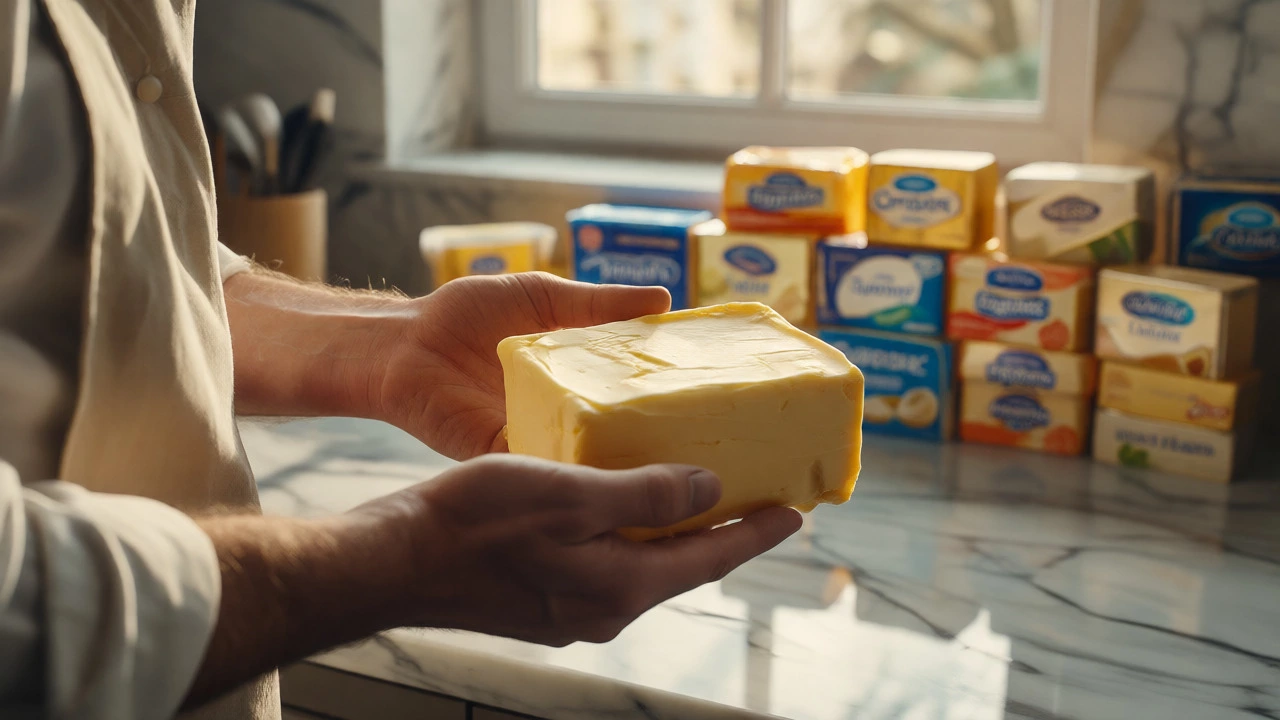
You’re standing in the supermarket aisle, staring at a wall of yellow blocks. Salted, unsalted, European-style, cultured, light, whipped. It’s overwhelming. And here is the kicker: that specific choice might be the difference between a cheesecake that tastes like a dense brick and one that melts on your tongue like cloud foam. Most people think the cheese does all the heavy lifting, but butter is the silent architect of your dessert’s structure. If you get it wrong, you risk a greasy mess or a crumbly disaster. Let’s cut through the noise and figure out exactly which fat belongs in your pan.
The Core Question: Salted vs. Unsalted
This is the first fork in the road. In professional kitchens, the answer is almost always unsalted butter. Why? Control. When you use salted butter, you are gambling with sodium levels. Different brands vary wildly in how much salt they pack into their fat. One brand might have enough to balance the sweetness perfectly; another might make your filling taste savory or metallic.
With unsalted butter, you hold the keys. You decide exactly how much salt goes into the mix. This matters most in the filling, where delicate flavors need to shine. But what about the crust? Some bakers swear by using salted butter in the graham cracker base because the salt enhances the toasted flavor of the crumbs. It’s a valid trick, but if you want consistency across every batch, stick to unsalted everywhere and add a pinch of flaky sea salt to the top if you crave that contrast. It keeps things predictable, and predictability is the friend of any baker who wants repeatable results.
Fat Content Matters More Than You Think
Not all butter is created equal. Standard American butter usually sits around 80% milk fat, with the remaining 20% being water and milk solids. European-style butter often bumps that up to 82% or even 84%. Why should you care? Because water is the enemy of a smooth, creamy cheesecake filling.
When butter melts during baking, that extra water turns into steam. In a cake, this can help lift. In a dense custard-like cheesecake, excess steam can create air pockets or cause the surface to crack as it expands and then collapses. Higher-fat butter creates a richer mouthfeel and a tighter, creamier emulsion. If you live in the UK, look for labels that say "high fat" or check the nutritional info. If you are in the US, brands like Kerrygold or Plugrá offer higher fat percentages. The result? A slice that feels luxurious rather than watery.
Temperature: The Cold Truth About Softened Butter
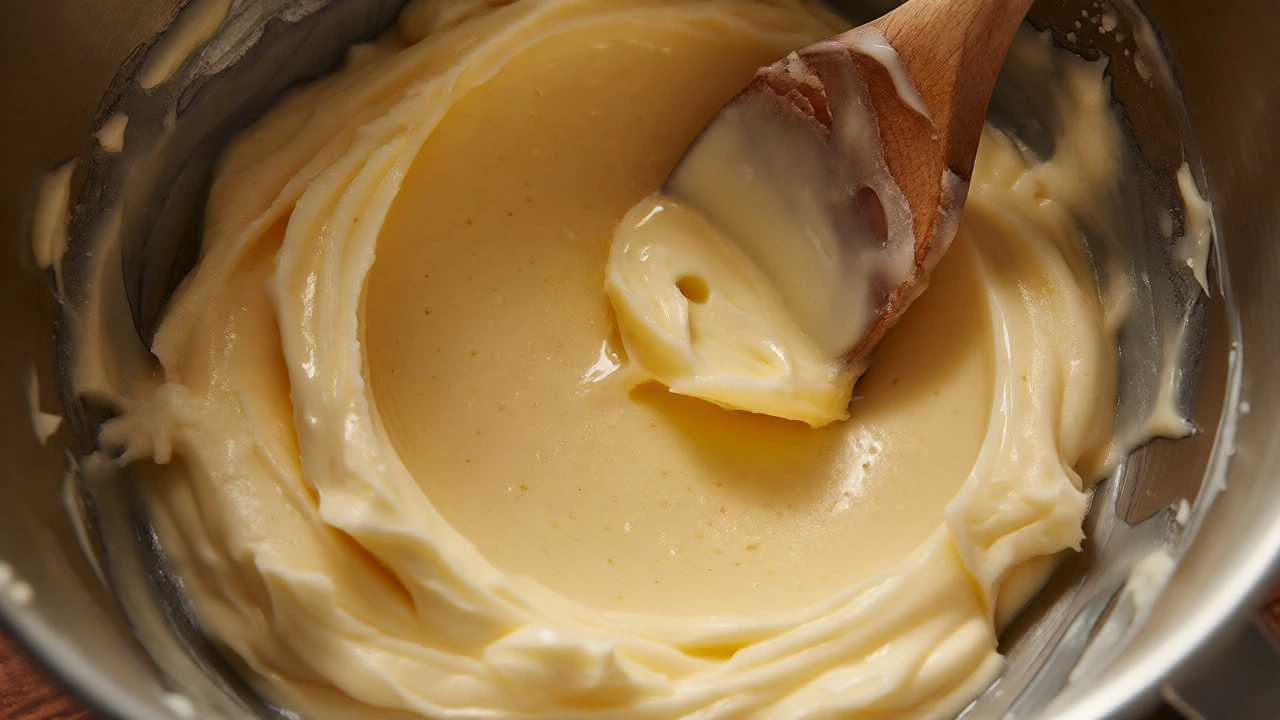
You’ve probably seen recipes say "softened butter." That vague instruction causes more failed cheesecakes than bad eggs ever will. What does "softened" actually mean? It means pliable, not melted. If you press your thumb into the block, it should leave an indent without sinking straight through or sliding off.
Why does this matter? Creaming. For the crust, you need cold or slightly cool butter to coat the dry ingredients properly, creating those tender, flaky layers. If the butter is too warm, the crust becomes a hard, greasy disc instead of a crumbly delight. For the filling, room-temperature butter blends seamlessly with cream cheese and sugar. If your butter is cold, you’ll end up with lumps that no amount of mixing can fully remove. If it’s melted, you incorporate too much air, leading to cracks on the surface. Use a thermometer if you’re paranoid-aim for 65°F to 70°F (18°C to 21°C). It’s not just fussiness; it’s chemistry.
Types of Butter: Which One Wins?
Let’s break down the common contenders found in grocery stores. Not every type plays nice with cheesecake.
| Butter Type | Fat Content | Best For | Verdict |
|---|---|---|---|
| Unsalted Sweet Cream | ~80% | Standard fillings and crusts | Reliable, neutral flavor. The safe default. |
| European-Style | 82-86% | Luxury fillings, high-end crusts | Richer taste, less water, fewer cracks. Highly recommended. |
| Cultured Butter | ~80-84% | Flavor-forward recipes | Adds tangy complexity. Great if you like a sharper profile. |
| Salted Butter | ~80% | Crusts only (if adjusted) | Risky for fillings due to variable salt content. |
| Whipped/Light Butter | Variable | Nothing in baking | Avoid. Contains air and additives that ruin texture. |
Notice the clear winner? European-style butter tends to produce the best results for serious cheesecake lovers. The lower water content means your filling sets firmer and smoother. Cultured butter is an interesting wildcard. It has a distinct tang that pairs beautifully with lemon or berry flavors. However, don’t use it if you want a pure, mild vanilla cheesecake, as the fermented notes might clash.
Margarine and Shortening: The Imposters
Can you use margarine? Technically, yes. Will it taste the same? Absolutely not. Margarine is mostly vegetable oil with added water and emulsifiers. While modern sticks are closer to real butter, they lack the complex flavor compounds of dairy fat. In a cheesecake, where the main ingredient is already rich, substituting margarine can lead to a waxy aftertaste.
Shortening is even worse for flavor. It’s 100% fat, so it makes for a very tender crust, but it contributes zero taste. If you are vegan or lactose-intolerant, there are high-quality plant-based butter alternatives now made from coconut oil or almond bases. Look for ones with a similar fat-to-water ratio to dairy butter. Just remember: these won’t brown the same way, so keep an eye on your crust color.
The Crust vs. The Filling: Different Jobs, Same Ingredient
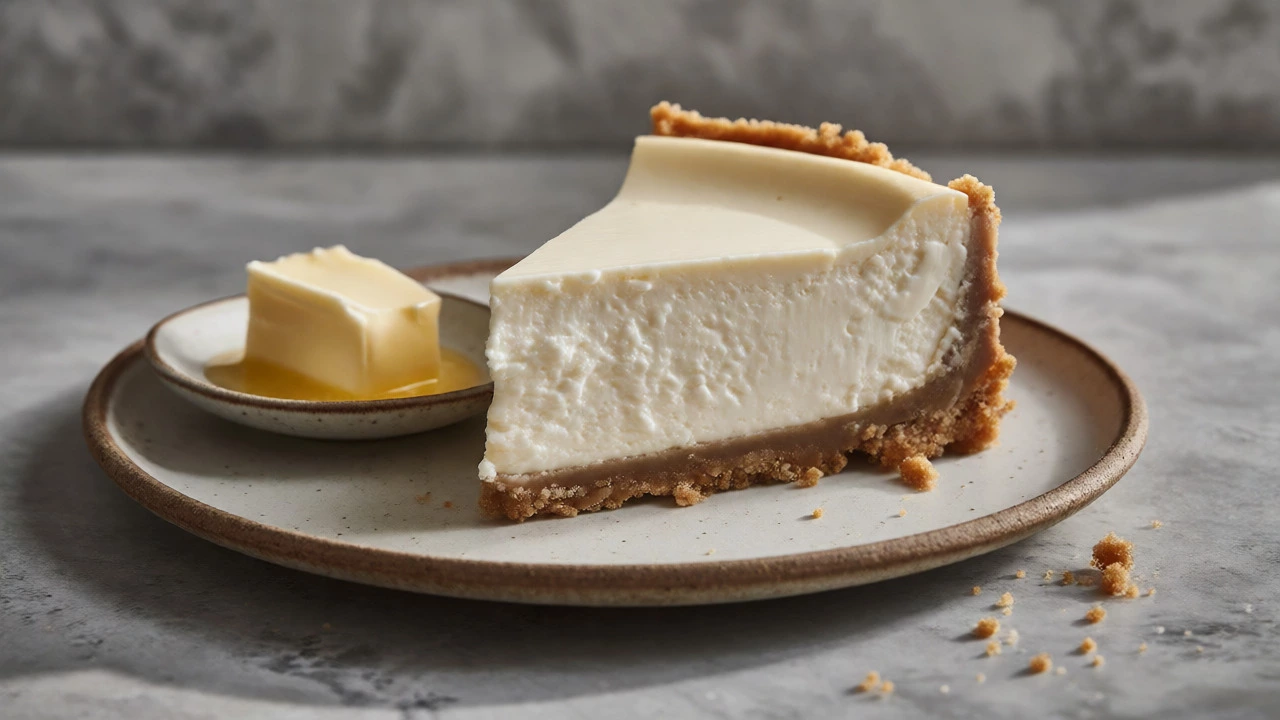
We often treat butter as a monolith, but its role changes depending on where it lands in the recipe.
- In the Crust: Here, butter acts as a binder. You want it cold enough to stay solid until the oven heat hits it. This creates steam pockets that separate the crumb layers, giving you that satisfying crunch. Using melted butter here makes a cookie-like base, which is fine for some styles but lacks the traditional New York cheesecake texture.
- In the Filling: Here, butter adds richness and helps stabilize the egg proteins. It needs to be fully incorporated into the batter before baking. If you dump chunks of cold butter into your mixer, you’ll fight against them forever. Beat it smooth with the sugar first, then add the rest of the wet ingredients.
Some advanced bakers use a technique called "beurre manié"-kneading flour into softened butter-to thicken sauces. You don’t need that here, but understanding how butter interacts with starch and protein helps you troubleshoot. If your filling looks curdled, your butter was likely too cold or added too fast. Patience pays off.
Common Pitfalls to Avoid
Even with the right butter, mistakes happen. Here are the big ones I see in my kitchen in Bristol:
- Using spreadable tub butter: These contain oils and stabilizers that prevent proper setting. Your cheesecake will weep liquid on the plate.
- Over-mixing with soft butter: Soft butter traps air easily. Too much air equals cracks. Mix on low speed once everything is combined.
- Ignoring freshness: Rancid butter tastes terrible. Check the date. Old butter can impart a stale, cardboard-like flavor that masks the vanilla.
Final Verdict: What Should You Buy?
If you want the absolute best result, buy high-quality, unsalted, European-style butter with at least 82% fat content. Brands like Kerrygold, Lurpak, or local artisanal producers work wonders. If budget is tight, standard unsalted sweet cream butter works fine-just be meticulous about temperature control.
Remember, cheesecake is a custard at heart. It relies on gentle heat and stable emulsions. Your choice of butter directly impacts that stability. Next time you bake, skip the salted tub stuff. Invest in the good block. Your guests will notice the difference in texture long before they notice the price tag.
Can I use salted butter if I omit other salt?
Yes, but it requires caution. Most recipes call for a small amount of salt. If you use salted butter, reduce the added salt in the recipe by half or eliminate it entirely. Taste the batter before pouring it into the crust to ensure the balance is right. However, for consistent results, especially in competitions or professional settings, unsalted is still preferred.
Does the brand of butter affect the cheesecake?
Significantly. Premium butters have higher fat content and better flavor profiles. Cheap store-brand butters often have more water and sometimes a metallic taste from packaging. High-fat butters like Kerrygold or Plugrá create a denser, creamier filling with fewer structural issues like cracking or weeping.
What happens if I use melted butter in the filling?
Melted butter introduces too much heat and separates the emulsion prematurely. This can cause the filling to become grainy or oily rather than smooth. It also incorporates excessive air when mixed, leading to large bubbles that expand and burst during baking, causing surface cracks. Always use softened, not melted, butter for fillings.
Is cultured butter better for cheesecake?
It depends on the flavor profile you want. Cultured butter has a tangy, yogurt-like note that complements fruit toppings like raspberry or lemon. For a classic vanilla bean cheesecake, it might compete with the primary flavors. Use it if you want a complex, sophisticated taste; stick to sweet cream butter for a clean, neutral canvas.
Can I substitute olive oil for butter?
You can, but it changes the dessert entirely. Olive oil cheesecakes exist and are delicious, offering a savory-sweet twist. However, they lack the structural solidity provided by saturated fats in butter. The texture will be softer and more pudding-like. It’s not a direct swap for traditional recipes expecting a firm slice.