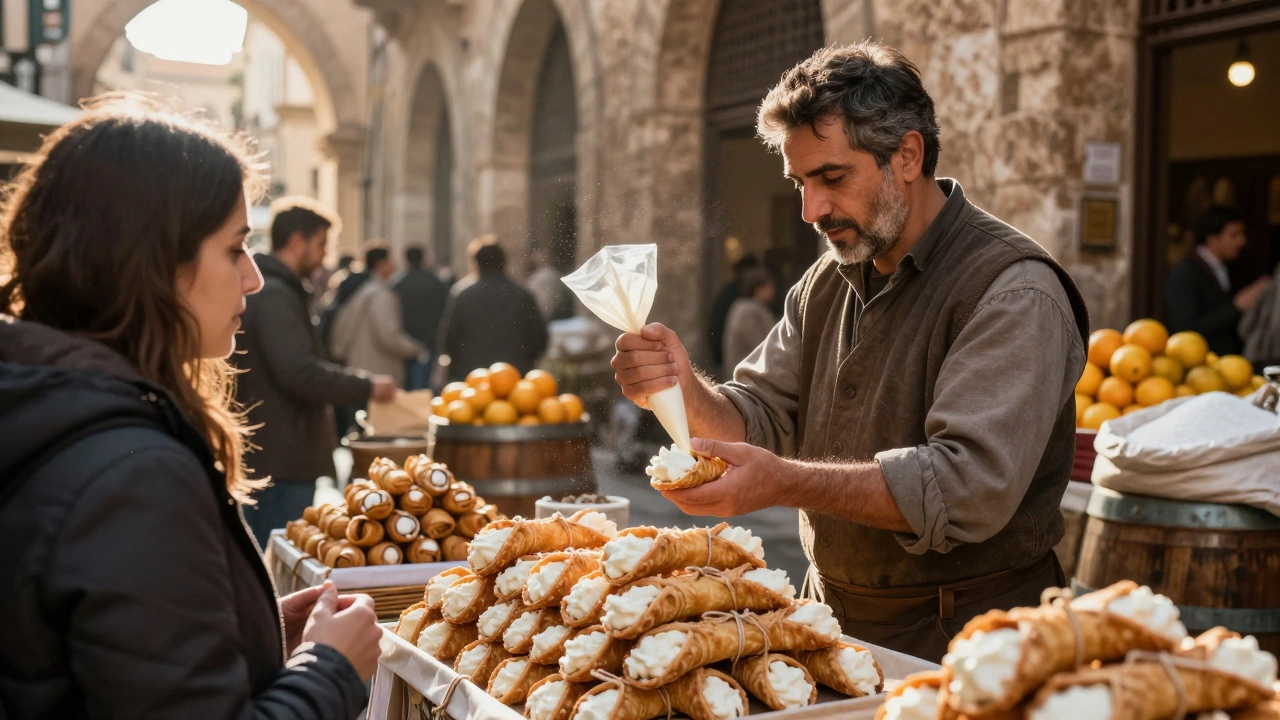
When you bite into a crisp, fried pastry shell filled with sweet, creamy ricotta and dotted with chocolate chips or candied fruit, you’re not just eating a dessert-you’re tasting centuries of Sicilian tradition. But who actually invented the cannoli? The answer isn’t found in a single name or date, but in the winding streets of Palermo, the quiet villages of Caltanissetta, and the royal courts of medieval Sicily.
The Cannoli’s Roots in Sicilian Culture
The cannoli isn’t just a snack. It’s a symbol. Its curved shape echoes the crescent moon, a motif tied to Sicily’s Arab rule between the 9th and 11th centuries. Some historians believe the name comes from the Italian word canna, meaning "reed," because early versions were shaped by stuffing the dough around hollow reeds before frying. Others argue it’s linked to cannolo, a small tube, which describes the shape perfectly.
What’s certain is that cannoli became popular during Carnival season. Before Lent, families would fry dough, fill it with sweet ricotta, and share it as a celebration. The ricotta came from sheep’s milk, abundant in Sicily’s hills, and the sugar was a luxury imported through Palermo’s ports-making cannoli a treat reserved for special occasions.
The Legend of the Palermo Convent
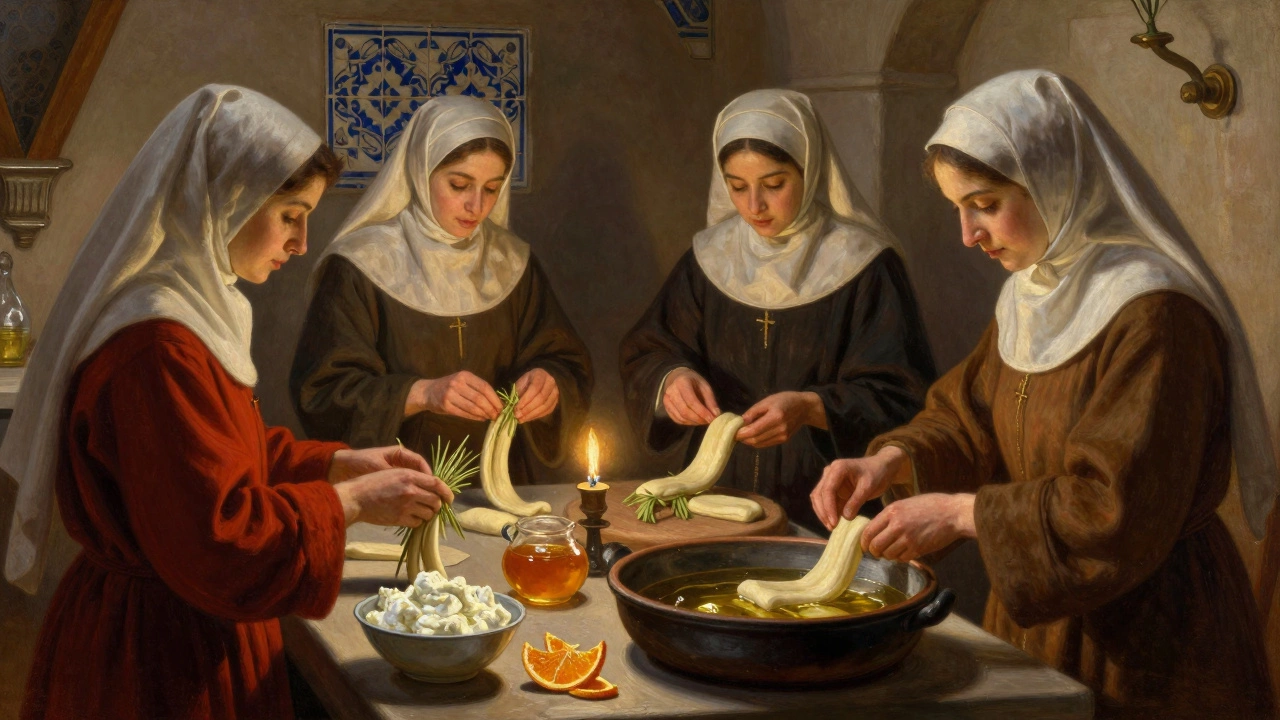
The most enduring story traces cannoli back to a convent in Palermo during the Arab occupation. According to local lore, nuns created the dessert to honor a visiting governor. They shaped the dough into tubes, fried them until golden, and filled them with a mixture of ricotta, honey, and candied citrus peel. The governor loved it so much, the recipe spread beyond the convent walls.
While this tale sounds romantic, there’s no official record of the convent or the governor. Still, the story persists because it captures something true: cannoli were born in the kitchens of women-nuns, mothers, grandmothers-who turned simple ingredients into something unforgettable. The filling, rich and slightly tangy, was a clever way to use fresh sheep’s milk ricotta before it spoiled. The shell, fried and dusted with powdered sugar, was a way to make the sweet last longer.
The Role of Arab Influence
Sicily’s culinary identity was shaped by waves of invaders: Greeks, Romans, Byzantines, Arabs, Normans. The Arabs brought sugarcane, citrus, almonds, and spices like cinnamon and saffron-all now staples in cannoli filling. They also introduced the concept of frying dough in oil, a technique that became central to Sicilian street food.
One Arab dessert, qanawāt, was made of fried dough tubes filled with sweet cheese and nuts. It’s widely accepted by food historians that this was the direct ancestor of the cannoli. Over time, as Sicilian bakers adapted the recipe, they swapped honey for sugar, added chocolate, and replaced nuts with candied fruit. The result? A dessert that felt distinctly Sicilian-even if its roots were foreign.
Why No Single Inventor?
Unlike modern inventions with patents and dates, cannoli evolved slowly across villages. In Caltanissetta, they used pistachios. In Messina, they added orange zest. In Ragusa, the shells were thinner and crispier. Each town had its own version, passed down through generations.
There was no single inventor because cannoli weren’t invented-they emerged. They were the product of necessity, resourcefulness, and celebration. Ricotta was cheap and plentiful. Flour and oil were pantry staples. Sugar was expensive, so it was used sparingly, making each cannoli a small luxury.
By the 1800s, cannoli had become a staple at weddings, baptisms, and Easter feasts. They were sold by street vendors in Palermo, wrapped in parchment paper and tied with string. Immigrants brought them to America in the late 19th century, where they became a symbol of Italian-American culture-though the American version often uses sweetened whipped cream instead of ricotta, and the shells are sometimes pre-made and less crisp.
How Traditional Cannoli Are Made Today
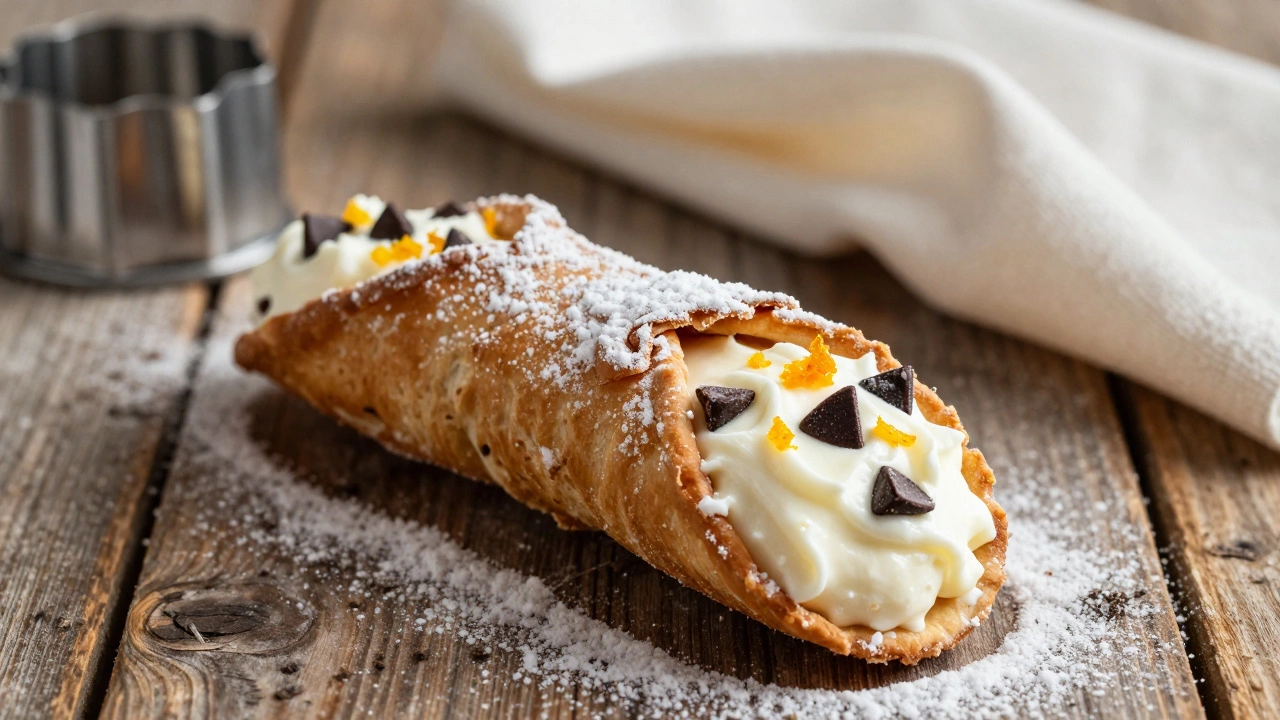
A real Sicilian cannoli starts with a simple dough: flour, sugar, wine (usually Marsala), butter, and a pinch of cinnamon. The dough is rolled thin, cut into circles, wrapped around metal tubes, and deep-fried until golden. After cooling, the shells are filled by hand with ricotta that’s been drained overnight to remove excess moisture. The ricotta is sweetened with powdered sugar, mixed with vanilla, and folded in chocolate chips or chopped candied orange peel.
Crucially, the filling is added just before serving. If you fill the shells too early, the moisture from the ricotta softens the shell, and you lose that signature crunch. That’s why in Sicily, you’ll often see cannoli displayed with the shells and filling separate-only assembled when ordered.
The Cannoli vs. Tiramisu: Two Desserts, One Island
Many people confuse cannoli with tiramisu, but they’re worlds apart. Tiramisu is a modern dessert-created in the 1960s in Veneto, northern Italy. It’s layered, creamy, and made with coffee-soaked ladyfingers and mascarpone. Cannoli is ancient, handheld, and built for crunch. Tiramisu is elegant, served on a plate. Cannoli is rustic, eaten with your hands, often while walking down a market street.
One is a dessert born of café culture. The other is a dessert born of peasant kitchens. Both are Italian. But only one has roots stretching back to the Arab emirates of medieval Sicily.
What Makes a Great Cannoli?
If you’ve had a soggy, overly sweet cannoli, you’ve had a bad one. A true cannoli has three key qualities:
- Crisp shell-not greasy, not chewy. It should snap cleanly when bitten.
- Rich, slightly tangy ricotta-not whipped cream. The ricotta should taste fresh, not cloying.
- Balance of textures-the crunch of the shell, the creaminess of the filling, the pop of chocolate or fruit.
Real Sicilians avoid pre-filled cannoli. They know the filling should be added at the last minute. If you’re buying one from a bakery, ask if they fill them fresh. If they say yes, you’re in good hands.
Where to Find the Best Cannoli Today
In Sicily, the best cannoli are still found in small, family-run pasticcerie-not tourist traps. In Palermo, try Pasticceria Cappello. In Catania, Pasticceria Puglisi uses locally sourced ricotta from Mount Etna’s sheep. In Messina, the shells are dusted with ground pistachios instead of powdered sugar.
Outside Italy, the top cannoli are made by Sicilian immigrants who still follow the old rules: no shortcuts, no preservatives, no pre-made shells. In New York, Ercole’s in Bensonhurst and Salvatore’s in Little Italy are still making them the way their grandmothers did.
Why the Cannoli Still Matters
Today, cannoli is everywhere-supermarkets, cafés, even frozen food aisles. But the real version is disappearing. Mass-produced cannoli use powdered milk ricotta, artificial flavors, and soft shells. They’re sweet, yes-but they’re not Sicilian.
The cannoli’s survival depends on people who care about tradition. It’s not about nostalgia. It’s about preserving a food that tells a story: of conquest, of resourcefulness, of women who turned scraps into celebration. Every time someone makes a cannoli the old way, they’re keeping a piece of Sicilian history alive.
Did the Arabs invent cannoli?
No, the Arabs didn’t invent cannoli, but they created the precursor. Their dessert, called qanawāt, was fried dough tubes filled with sweet cheese and nuts. Sicilian bakers adapted this over centuries, replacing honey with sugar, adding chocolate, and using local ricotta to create what we now call cannoli.
Is cannoli originally from Naples?
No. Cannoli is a Sicilian dessert, with the strongest ties to Palermo, Caltanissetta, and Messina. Naples has its own famous desserts, like sfogliatelle and babà, but not cannoli. The confusion often comes from Italian-American restaurants that lump all Italian desserts together.
Why do cannoli shells get soggy?
Cannoli shells get soggy when the filling is added too early. Ricotta contains moisture, and over time, it seeps into the fried dough. In Sicily, cannoli are always filled right before serving. If you buy them pre-filled, they’re not authentic.
Can you make cannoli without frying?
You can bake the shells, but you won’t get the same texture. Frying creates a crisp, airy shell with a slight chew. Baking makes them dense and dry. Traditional cannoli rely on the deep-fried shell for their signature crunch. If you skip frying, you’re making a different dessert.
What’s the difference between cannoli and tiramisu?
Cannoli is a fried pastry shell filled with sweet ricotta, eaten by hand. Tiramisu is a layered dessert made with coffee-soaked ladyfingers and mascarpone cream, served with a spoon. Cannoli is ancient and rustic; tiramisu was invented in the 1960s and is more refined. They’re both Italian, but they come from completely different regions and traditions.
If you want to taste the real cannoli, don’t settle for the supermarket version. Find a bakery that fills them fresh. Ask about the ricotta. Notice the crunch. You’re not just eating dessert-you’re tasting history.