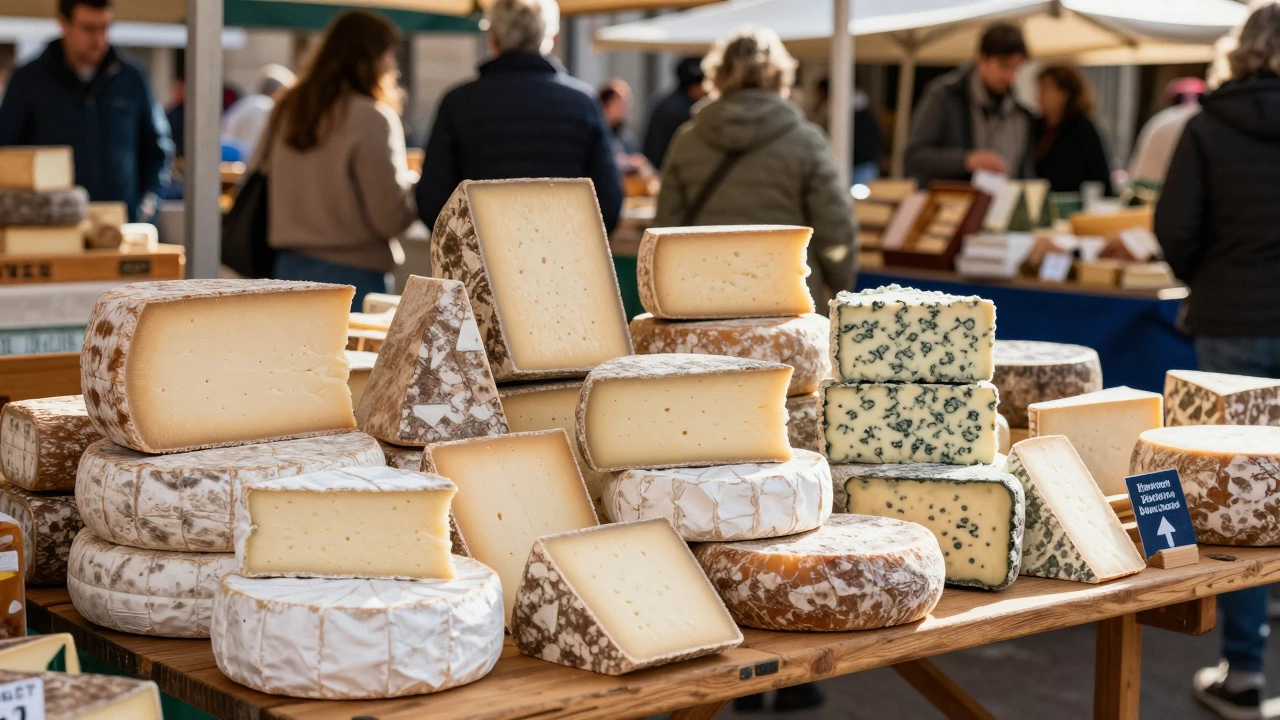
Global Cheese Consumption & Tiramisu Calculator
🌎 Who Eats the Most?
Compare annual cheese consumption (kg/person) by country.
🍴 Tiramisu Calculator
Calculate ingredients for your batch size.
The Surprising Truth About Who Eats the Most Cheese
You might think France or Italy holds the title for the world's biggest cheese eaters. After all, those countries are famous for their dairy traditions. But if you look at the actual numbers, the answer is quite different. The country that consumes the most cheese per person each year is France, with an average of over 25 kilograms (about 55 pounds) per person annually. However, other European nations like Germany, Iceland, and Finland are right behind it. In fact, Iceland often rivals France in top rankings depending on the specific year's data.
Why does this matter to you? Because understanding global cheese habits helps us appreciate how different cultures use dairy in their cooking. It also explains why certain recipes, like the beloved tiramisu is a classic Italian dessert made with layers of coffee-soaked ladyfingers and a rich mascarpone cream filling., rely so heavily on specific types of cheese. While France eats the most volume, Italy produces some of the most iconic cheeses used in desserts worldwide.
Why France Leads the World in Cheese Consumption
France’s dominance in cheese eating isn't accidental. It’s deeply rooted in culture and history. The French have over 1,000 distinct varieties of cheese, ranging from soft Brie to hard Comté. Cheese is not just a side dish; it’s a central part of the meal, typically served after the main course and before dessert.
- Cultural Habit: In France, skipping cheese is almost unheard of in a traditional sit-down meal.
- Variety Access: Local markets offer fresh, artisanal cheeses daily, making them affordable and accessible.
- Dietary Integration: Cheese appears in savory dishes, salads, and even breakfast items like croissants.
This high consumption rate supports a massive local industry. Unlike countries where cheese might be imported or processed into industrial products, much of the cheese eaten in France is produced domestically by small farms. This keeps the supply chain short and the quality high. When you visit a French market, you’re not just buying food; you’re participating in a centuries-old tradition of terroir-the idea that the land gives unique flavor to the produce.
Other Top Cheese-Eating Nations
While France takes the top spot, several other countries consume significant amounts of cheese. Understanding these differences highlights how geography influences diet.
| Country | Average Consumption (kg/person) | Popular Cheese Types |
|---|---|---|
| France | ~26 kg | Brie, Camembert, Roquefort, Comté |
| Germany | ~24 kg | Gouda, Emmental, Quark |
| Iceland | ~23 kg | Skyr (technically a fermented milk product), Icelandic Blue |
| Finland | ~22 kg | Leipäjuusto (bread cheese), Edam |
| Italy | ~20 kg | Mozzarella, Parmigiano-Reggiano, Mascarpone |
Notice that Italy ranks fifth in total volume but first in culinary influence for desserts. This is where our focus shifts from general consumption to specific applications. While Germans love their Gouda for sandwiches and Finns enjoy bread cheese with cloudberry jam, Italians have mastered the art of sweet cheese.
The Role of Cheese in Italian Desserts: Focus on Tiramisu
If you are interested in cheese because you want to make delicious desserts, then Italy is your true north star. Specifically, we need to talk about Mascarpone is a fresh Italian cream cheese known for its mild, buttery flavor and smooth texture.. This cheese is the heart of tiramisu. Without it, the dessert would simply not exist in its current form.
Tiramisu originated in the Veneto region of Italy in the 1960s or 70s. Its name means "pick me up" in Italian, referring to the energy boost from the coffee and sugar. The recipe relies on three key components: espresso, ladyfingers (savoiardi), and mascarpone cheese. The mascarpone provides the creamy, rich base that balances the bitterness of the coffee and the sweetness of the sugar.
Many people mistake mascarpone for whipped cream or cream cheese. They are similar but distinct. Cream cheese is tangier and denser, while mascarpone is milder, sweeter, and silkier. Using cream cheese instead of mascarpone will change the flavor profile significantly, making the dessert heavier and less authentic. If you cannot find mascarpone, you can substitute it with a mixture of heavy cream and softened cream cheese, but the result won’t be quite the same.
How to Make Authentic Tiramisu at Home
Making tiramisu is easier than it looks. You don’t need to bake anything. The process involves layering ingredients and letting them chill. Here is a simple, reliable method that respects the traditional technique.
- Brew Strong Coffee: Make a pot of strong espresso or dark coffee. Let it cool completely. Warm coffee will melt the cheese mixture and create a soupy texture.
- Prepare the Cheese Mixture: In a large bowl, beat mascarpone cheese is the primary ingredient for the creamy layer in tiramisu until smooth. In a separate bowl, whip egg yolks with sugar until pale and thick. Fold the yolk mixture into the mascarpone. In another clean bowl, whip egg whites (or heavy cream for a safer option) to stiff peaks. Gently fold this into the cheese mixture. Be careful not to overmix, or you will lose the airiness.
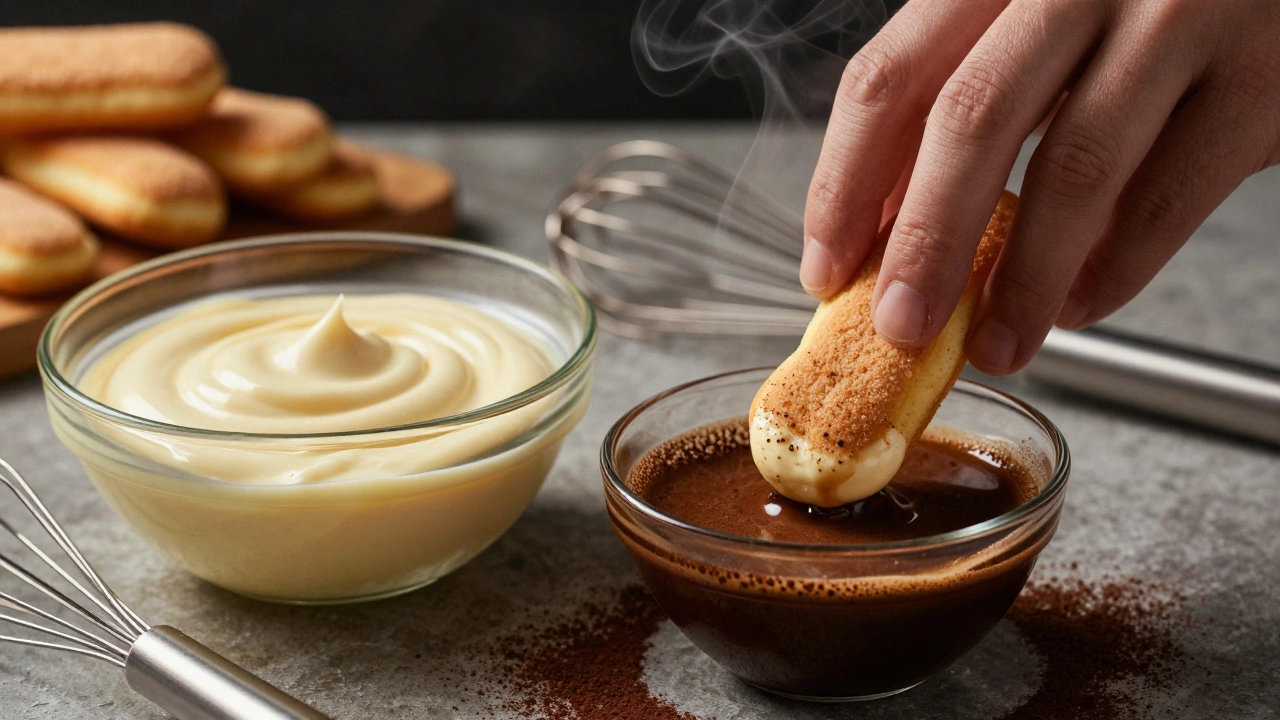
- Dip the Ladyfingers: Quickly dip each ladyfinger into the cooled coffee. Do not soak them too long, or they will fall apart. One second per side is usually enough.
- Layer the Dessert: Place a layer of dipped ladyfingers in the bottom of a dish. Spread half the cheese mixture over them. Repeat with another layer of ladyfingers and the remaining cheese mixture.
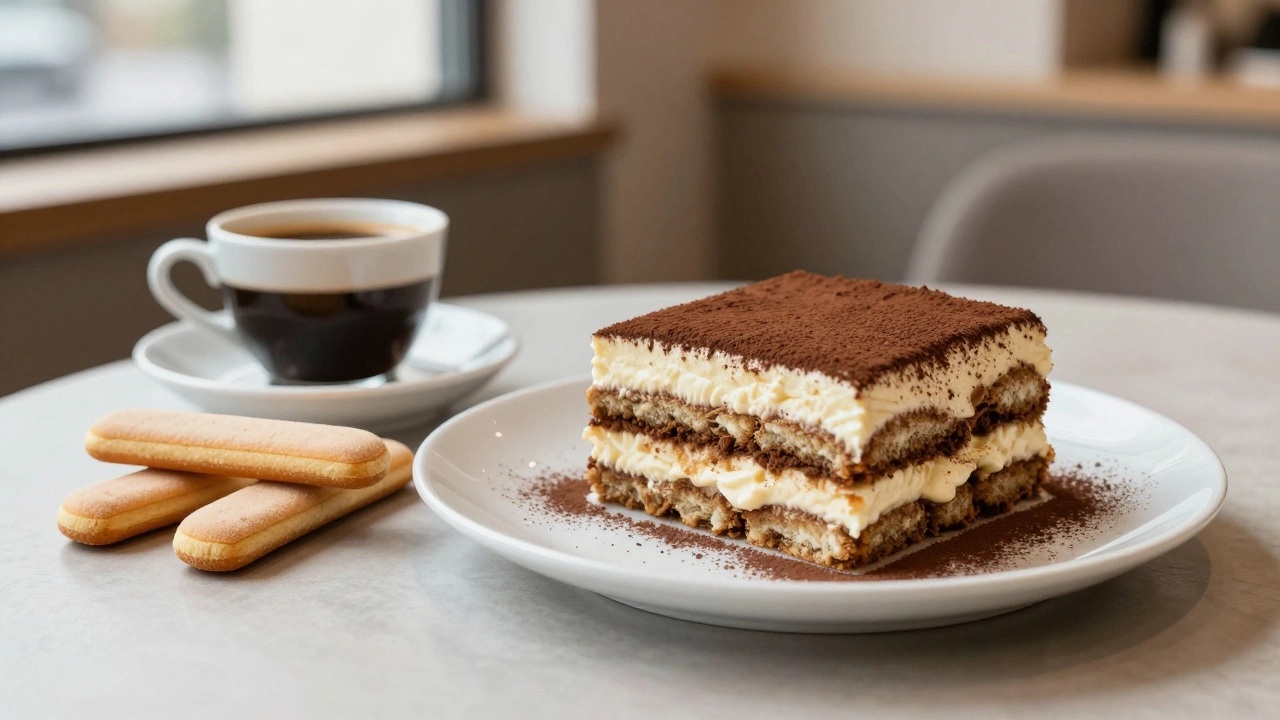
- Chill and Dust: Cover the dish and refrigerate for at least 6 hours, preferably overnight. Before serving, dust generously with cocoa powder.
This method ensures the structure holds together while allowing the flavors to meld. The key is patience. Rushing the chilling time results in a messy slice. Waiting allows the ladyfingers to absorb moisture from the coffee and the cream, creating a uniform texture throughout.
Common Mistakes to Avoid When Making Tiramisu
Even experienced bakers make errors when preparing tiramisu. Avoiding these pitfalls will ensure your dessert turns out perfectly every time.
- Using Warm Coffee: As mentioned, hot liquid ruins the emulsion of the cheese. Always wait for the coffee to reach room temperature or colder.
- Over-soaking Ladyfingers: Savoiardi are designed to absorb liquid quickly. Holding them under the surface leads to disintegration. Dip and move on.
- Substituting Ingredients Incorrectly: Replacing mascarpone with sour cream or regular cream cheese alters the taste drastically. If you must substitute, use a blend of cream cheese and heavy cream to mimic the fat content and texture.
- Skipping the Rest Time: Tiramisu needs time to set. Serving it immediately after assembly results in a runny, unstable dessert. Overnight chilling is non-negotiable for best results.
Global Trends in Dairy and Dessert Culture
As globalization continues, dessert trends cross borders. Tiramisu is now popular in Japan, Brazil, and the United States. In Japan, you might find matcha-flavored tiramisu using green tea instead of coffee. In the US, variations include using chocolate syrup or adding fruit layers. These adaptations show how flexible the recipe is while still relying on the core principle of cheese-based creaminess.
The rise of plant-based diets has also influenced cheese consumption. Vegan alternatives to mascarpone are becoming more common, made from cashews or coconut cream. While these options cater to dietary restrictions, they highlight the growing demand for versatile, high-quality dairy substitutes. However, for traditionalists, nothing beats the real thing.
Understanding which countries eat the most cheese gives us context for why certain ingredients are prized. France may lead in volume, but Italy leads in innovation when it comes to sweet applications. By mastering the use of mascarpone in tiramisu, you connect with a broader narrative of global food culture. You’re not just making a dessert; you’re participating in a tradition that values quality, simplicity, and balance.
Which country eats the most cheese per capita?
France consistently ranks as the country with the highest per capita cheese consumption, averaging around 25-26 kilograms per person annually. Other top consumers include Germany, Iceland, and Finland.
What type of cheese is used in tiramisu?
Tiramisu uses mascarpone, a fresh Italian cream cheese. It is known for its mild, buttery flavor and smooth, spreadable texture, which makes it ideal for mixing with eggs and sugar to create the dessert's signature cream layer.
Can I substitute mascarpone with cream cheese?
Yes, but the flavor will change. Cream cheese is tangier and denser than mascarpone. For a closer match, mix cream cheese with heavy cream or butter to soften the taste and improve the texture. However, authentic tiramisu requires mascarpone for the correct balance of sweetness and richness.
How long should tiramisu rest in the refrigerator?
Tiramisu should rest for at least 6 hours, but ideally overnight (12-24 hours). This resting period allows the ladyfingers to absorb the coffee and the cream to set properly, ensuring clean slices and a harmonious blend of flavors.
Is tiramisu baked?
No, tiramisu is not baked. It is a no-bake dessert assembled by layering coffee-soaked ladyfingers with a mascarpone cream mixture. The dessert sets through refrigeration rather than heat.
Why do Europeans eat so much cheese?
High cheese consumption in Europe is due to historical farming practices, cultural dining habits, and the availability of diverse local varieties. In countries like France and Italy, cheese is a staple food group integrated into daily meals, not just an occasional treat.
High cheese consumption in Europe is due to historical farming practices, cultural dining habits, and the availability of diverse local varieties. In countries like France and Italy, cheese is a staple food group integrated into daily meals, not just an occasional treat.