Tiramisu Recipe Calculator
Make Your Tiramisu Perfect
Adjust your recipe quantities for any number of servings. Just enter how many people you're serving and we'll calculate the exact ingredients you need.
- 250g mascarpone cheese
- 3 large eggs
- 75g granulated sugar
- 2 cups strong espresso
- 24-30 ladyfingers
- 2 tablespoons cocoa powder
- Optional: 2 tablespoons Marsala wine or coffee liqueur
Ask anyone around the world what Italian food they know, and chances are they’ll say pizza or pasta. But if you dig a little deeper - past the pasta bowls and pizza slices - you’ll find one dessert that travels further than any other: tiramisu. It’s not just popular in Italy. It’s in restaurants from Tokyo to Toronto, on dessert menus in small towns and five-star hotels alike. And yet, many people who eat it don’t know where it came from or why it’s so special.
What Exactly Is Tiramisu?
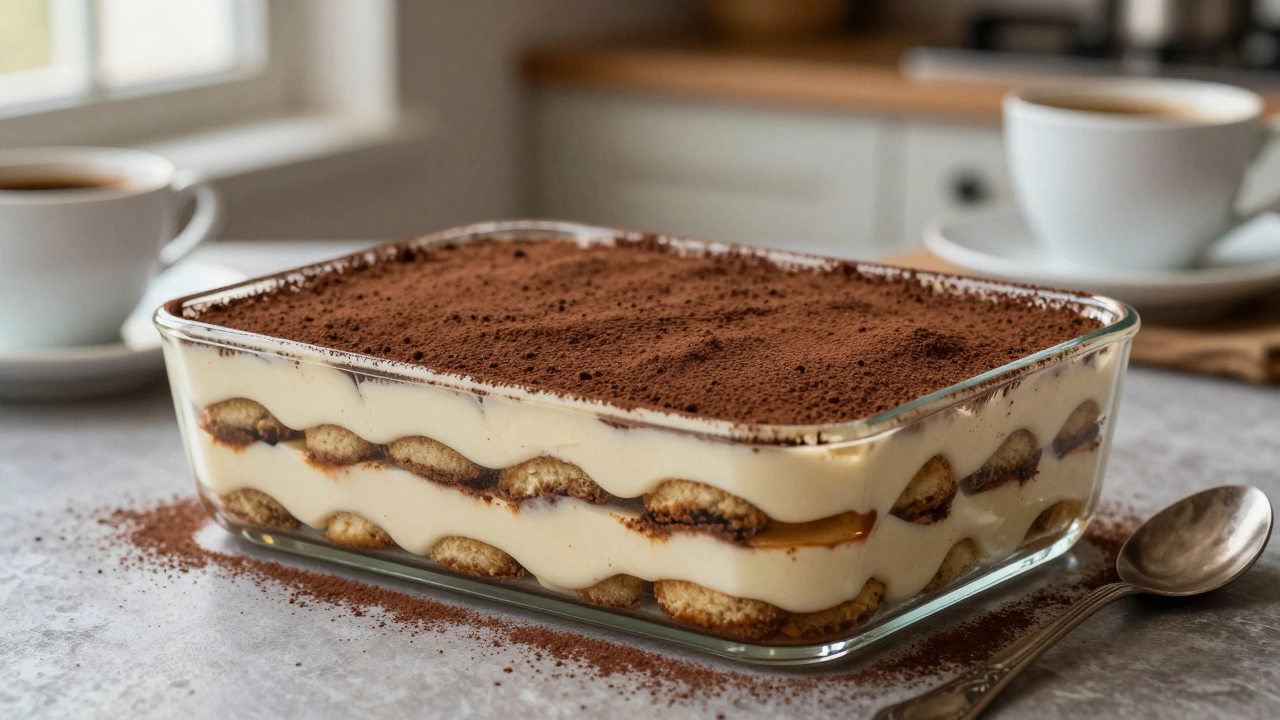
Tiramisu isn’t just a cake or a pudding. It’s a layered dessert made with coffee-soaked ladyfingers, a creamy mixture of mascarpone cheese, eggs, and sugar, and a dusting of cocoa powder on top. The name means "pick me up" in Italian - a nod to the caffeine from the coffee and the sugar that gives you a little energy boost. It’s not baked. It’s assembled and chilled, which makes it easy to prepare ahead of time. That’s one reason it’s so common at dinner parties and holidays.
Unlike many desserts that rely on buttercream or fondant, tiramisu gets its texture from simple ingredients. The mascarpone - a soft, rich Italian cheese - is the star. It’s not too sweet, not too tangy, just creamy enough to balance the bitterness of the espresso and the slight crunch of the ladyfingers. The cocoa on top isn’t just for looks; it adds a deep, earthy flavor that ties everything together.
Where Did Tiramisu Really Come From?
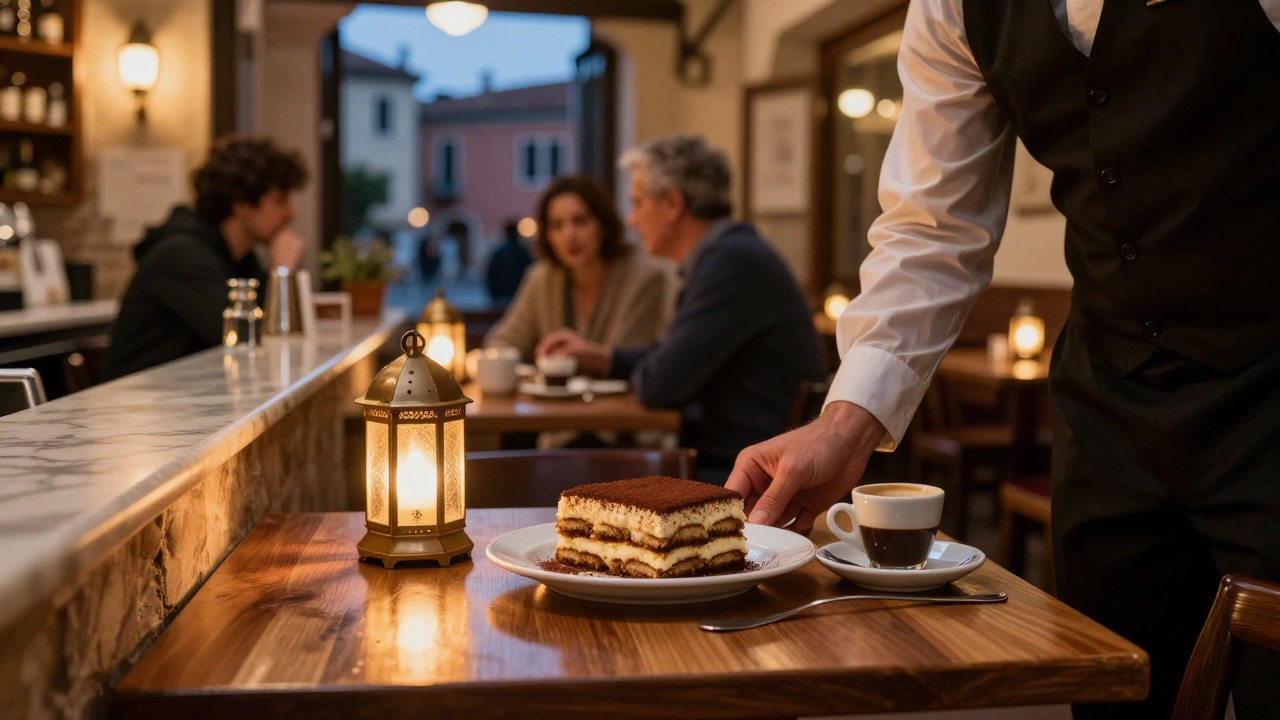
There’s no single story about tiramisu’s origin, but most food historians agree it came from the Veneto region in northern Italy in the late 1960s or early 1970s. One popular version says it was invented at a restaurant called Le Beccherie in Treviso. The owner, Roberto Linguanotto, wanted to create something new for his customers. He combined local ingredients - mascarpone from nearby farms, espresso from Venetian cafés, and savoiardi (ladyfingers) from the bakery down the street - and the dessert stuck.
Before tiramisu, Italian desserts were often heavy: panettone, zabaglione, cannoli. Tiramisu was different. It was light, elegant, and didn’t need an oven. That made it perfect for summer meals and quick desserts after a long dinner. By the 1980s, Italian immigrants brought it to the U.S., and it exploded in popularity. Today, you’ll find versions with chocolate shavings, liqueur, or even fruit - but the original still rules.
Why Is Tiramisu So Popular Around the World?
There are three big reasons tiramisu became a global favorite.
- It’s easy to make - no baking, no fancy tools. Just a bowl, a whisk, and a dish to layer it in.
- It’s flexible - you can make it with or without alcohol, with store-bought or homemade ladyfingers, even with dairy-free mascarpone alternatives.
- It tastes like comfort - the coffee and cocoa hit the same pleasure centers as chocolate and caffeine, but in a more refined way. It’s not sugary like a cupcake. It’s layered, complex, and satisfying without being overwhelming.
Restaurants love it because it’s visually striking - the dark cocoa on top, the pale cream underneath - and it doesn’t require a chef’s degree to assemble. Home bakers love it because it can be made the night before and tastes even better the next day.
How to Make Authentic Tiramisu (The Simple Way)
You don’t need a recipe book to make good tiramisu. Here’s what you need:
- 250g mascarpone cheese (cold, but not frozen)
- 3 large eggs (separated)
- 75g granulated sugar
- 2 cups strong espresso, cooled
- 24-30 ladyfingers (savoiardi)
- 2 tablespoons unsweetened cocoa powder (Dutch-processed preferred)
- Optional: 2 tablespoons Marsala wine or coffee liqueur
Here’s how to do it:
- Whisk the egg yolks with sugar until pale and thick - about 5 minutes.
- Add the mascarpone and stir gently until smooth. Don’t overmix or it’ll get grainy.
- In a separate bowl, whip the egg whites until stiff peaks form. Fold them into the mascarpone mix carefully.
- Quickly dip each ladyfinger into the cooled espresso - just a second on each side. Don’t soak them or they’ll turn to mush.
- Layer half the ladyfingers in a dish, then half the cream. Repeat.
- Sift cocoa powder evenly over the top.
- Refrigerate for at least 6 hours, preferably overnight.
That’s it. No baking. No complicated steps. Just patience. And if you want to make it fancy, add a sprinkle of chocolate shavings or a drizzle of dark chocolate ganache on top.
Common Mistakes People Make With Tiramisu
Even experienced cooks mess up tiramisu. Here are the top three errors:
- Using whipped cream instead of mascarpone - Whipped cream collapses. Mascarpone holds its shape and adds richness. They’re not interchangeable.
- Soaking the ladyfingers too long - If they’re soggy, the whole dessert falls apart. Quick dip. That’s all.
- Skipping the chilling time - Tiramisu needs at least 6 hours to set. If you cut into it too early, the layers won’t hold. It’s not a dessert you rush.
Also, avoid pre-made espresso from a machine if you can. Use freshly brewed, strong coffee. The flavor makes all the difference.
How Tiramisu Compares to Other Italian Desserts
Italy has dozens of famous sweets. Here’s how tiramisu stacks up:
| Dessert | Texture | Key Ingredients | Prep Time | Best For |
|---|---|---|---|---|
| Tiramisu | Creamy, layered, soft | Mascarpone, espresso, ladyfingers, cocoa | 20 minutes prep, 6+ hours chill | Evening meals, parties, coffee pairings |
| Cannoli | Crispy shell, sweet ricotta filling | Wheat pastry, ricotta, sugar, chocolate chips | 30 minutes prep, no chill | Breakfast, festivals, handheld treats |
| Panna Cotta | Jellied, silky, smooth | Cream, sugar, gelatin, vanilla | 15 minutes prep, 4+ hours chill | Light desserts, elegant dinners |
| Panettone | Light, fluffy, bread-like | Flour, yeast, dried fruit, citrus zest | 2 days (includes rising) | Christmas, gift-giving |
Tiramisu stands out because it’s the only one that combines coffee and chocolate in a dessert that’s not overly sweet. It’s grown-up. It’s quiet. It doesn’t shout. That’s why it’s the dessert people remember.
Is Tiramisu Gluten-Free or Vegan?
Traditional tiramisu is not gluten-free or vegan. But you can adapt it.
For gluten-free: Use gluten-free ladyfingers. Brands like Schar or Kinnikinnick make good ones. They’re a bit more fragile, so dip them even quicker.
For vegan: Swap mascarpone for a plant-based alternative made from cashews or coconut cream. Use maple syrup instead of sugar in the filling, and skip the eggs - just mix the cream with a little cornstarch to help it set. You’ll lose some richness, but it still tastes like dessert.
There are even keto versions using almond flour ladyfingers and erythritol. The core idea - coffee, cream, cocoa - still works.
How to Serve Tiramisu
Don’t just put it on a plate and call it done. Here’s how to make it shine:
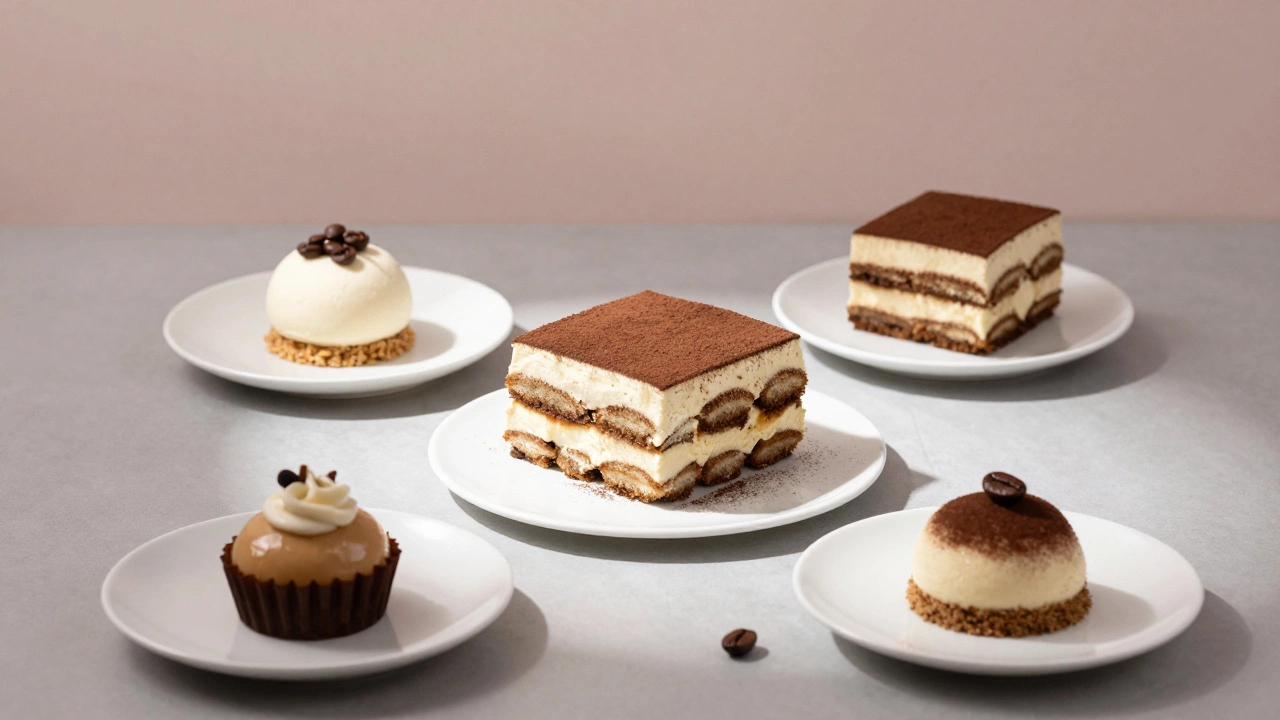
- Use a glass dish so people can see the layers - it’s part of the appeal.
- Serve with a small spoon, not a fork. The texture is delicate.
- Pair it with a glass of sweet dessert wine like Moscato d’Asti or a strong espresso.
- Top with a light dusting of cocoa powder right before serving - it looks fresh and prevents sogginess.
It’s not a dessert you eat with a big spoonful. It’s meant to be savored slowly, one small bite at a time.
Why Tiramisu Still Matters Today
In a world of Instagram desserts with edible flowers and neon frosting, tiramisu stays popular because it doesn’t need to be flashy. It’s real. It’s simple. It’s rooted in a culture that values good coffee, good cheese, and good company.
It doesn’t need to be the newest thing. It just needs to be made right. And when it is - cold, creamy, slightly bitter, just sweet enough - it doesn’t just satisfy hunger. It brings back memories. Of family dinners in Italy. Of quiet afternoons in a Parisian café. Of the first time you tried it and thought, "Why didn’t I make this sooner?"
Can I make tiramisu without alcohol?
Yes, absolutely. Traditional tiramisu sometimes includes Marsala wine or coffee liqueur, but it’s not required. The coffee and cocoa provide enough flavor on their own. Skip the alcohol and just use extra-strong espresso. The dessert will still be delicious.
How long does tiramisu last in the fridge?
Tiramisu keeps well for up to 4 days in the fridge if covered tightly with plastic wrap. After that, the ladyfingers start to break down and the cocoa layer can get soggy. For best results, eat it within 2-3 days.
Can I freeze tiramisu?
You can freeze tiramisu for up to 2 months, but it’s not ideal. The texture of the mascarpone can become grainy after thawing, and the cocoa powder may absorb moisture. If you must freeze it, do so before adding the cocoa. Sprinkle it on after thawing.
What’s the best coffee to use for tiramisu?
Use freshly brewed espresso or very strong drip coffee. Instant coffee works in a pinch, but it lacks depth. Avoid weak or overly acidic coffee - it’ll make the dessert taste bitter instead of balanced. Dark roast beans are preferred for their bold, chocolatey notes.
Why do some tiramisu recipes use raw eggs?
Traditional recipes use raw egg yolks and whites to create a light, airy filling. If you’re concerned about safety, you can use pasteurized eggs or heat the egg yolks gently with sugar over a double boiler until they reach 160°F (71°C). This kills bacteria without cooking the eggs fully. The texture will still be smooth.
What to Try Next
If you loved making tiramisu, you might want to explore other Italian classics. Try making panna cotta next - it’s just as simple but has a jelly-like texture. Or make zeppole, fried dough balls dusted with sugar, perfect for a weekend treat. Or go back to basics with a simple affogato: a scoop of vanilla ice cream drowned in hot espresso. It’s tiramisu in one bite.