Mascarpone Substitute Calculator
Find Your Perfect Mascarpone Substitute
Not sure what to use when you can't find mascarpone? Enter your recipe type to get the best substitute.
Best Option for Your Recipe
Have you ever looked at a tiramisu recipe and wondered, mascarpone-what even is that? It’s not cream cheese. It’s not ricotta. And it’s definitely not whipped cream. Yet it’s the star of one of the world’s most loved desserts. Mascarpone is a rich, smooth, slightly sweet Italian cheese that melts into desserts like butter on warm toast. But it’s not just for tiramisu. Once you understand what it is, you’ll start seeing it everywhere-from cheesecakes to chocolate dips to even breakfast toppings.
Where Does Mascarpone Come From?
Mascarpone comes from Lombardy, a region in northern Italy. It’s been made there since the 16th century, mostly in the area around Milan and Lodi. Unlike most cheeses, it’s not made by curdling milk with rennet. Instead, it’s made by heating heavy cream and adding an acid-like citric acid or tartaric acid-to make it thicken. The result? A soft, spreadable cheese with no rind, no aging, and no sharpness. It’s fresh, delicate, and meant to be eaten soon after it’s made.
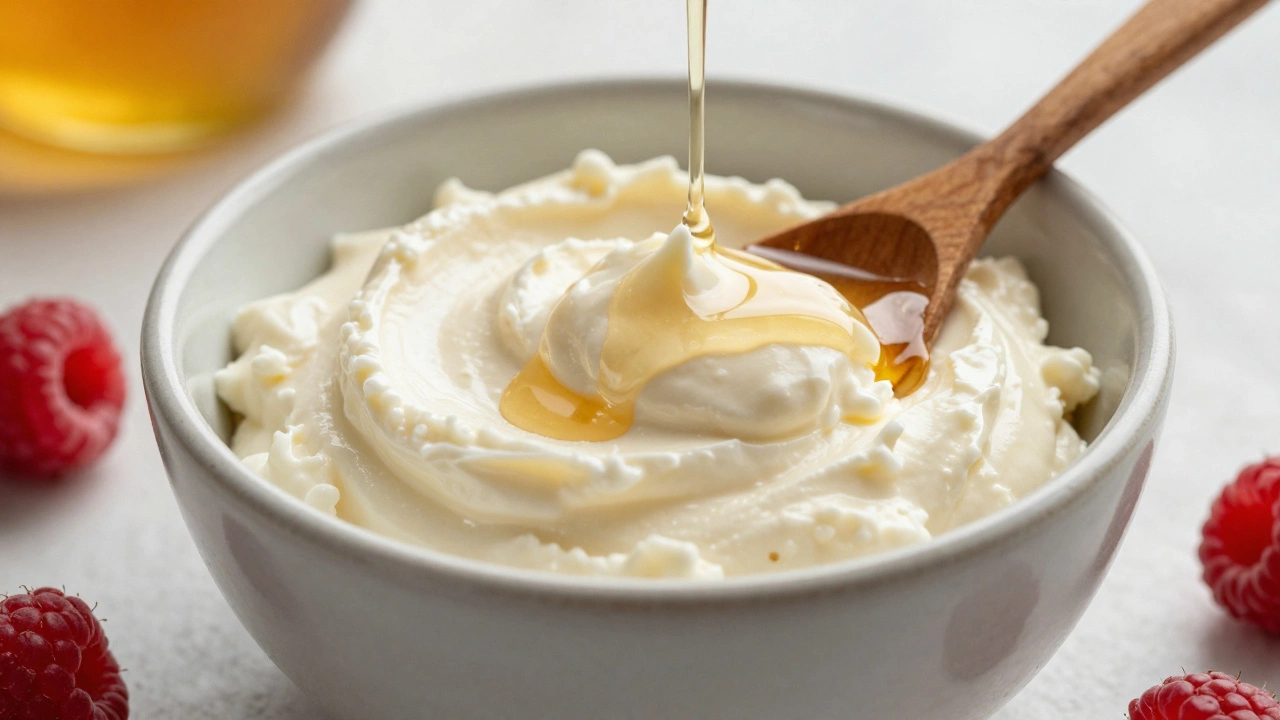
Real mascarpone is about 60-75% fat, which is why it’s so thick and luxurious. Compare that to cream cheese, which usually runs around 33% fat. That’s why mascarpone feels like silk in your mouth, while cream cheese can feel a little grainy or tangy. In Italy, it’s often served on its own with a drizzle of honey or berries. In the U.S., it’s mostly seen in desserts-but that’s only scratching the surface.
How Is Mascarpone Different From Other Cheeses?
People often swap mascarpone for cream cheese or ricotta in recipes, but they’re not the same. Here’s how they stack up:
| Feature | Mascarpone | Cream Cheese | Ricotta |
|---|---|---|---|
| Origin | Italy (Lombardy) | United States (19th century) | Italy (ancient) |
| Base Ingredient | Heavy cream | Milk and cream | Whey and milk |
| Fat Content | 60-75% | 33% | 10-13% |
| Texture | Ultra-smooth, spreadable | Firm, slightly grainy | Grainy, moist curds |
| Flavor | Mild, sweet, buttery | Tangy, sharp | Light, milky, slightly sour |
| Best For | Tiramisu, frosting, sauces | Bagels, cheesecake | Lasagna, stuffed pasta |
If you use cream cheese instead of mascarpone in tiramisu, you’ll get a denser, tangier dessert. It won’t be wrong-but it won’t be authentic either. Ricotta is even less of a substitute. It’s watery and lumpy, and it doesn’t blend the same way. Mascarpone’s magic is in how it holds air, stays creamy, and doesn’t separate. That’s why it’s the only cheese that makes tiramisu feel like clouds dipped in coffee.
Why Is Mascarpone So Important in Tiramisu?
Tiramisu means "pick me up" in Italian, and that’s because of the caffeine from espresso and the sugar from the ladyfingers. But the real lift comes from mascarpone. It’s what gives tiramisu its signature texture: light enough to melt on your tongue, rich enough to feel indulgent. The cheese blends with egg yolks, sugar, and sometimes a splash of liqueur like Marsala or coffee-flavored rum. Then it’s layered with coffee-soaked ladyfingers and dusted with cocoa.
Without mascarpone, tiramisu becomes just a soggy cookie stack with frosting. With it, it becomes a dessert that’s both elegant and comforting. You can taste the creaminess, the subtle sweetness, and the quiet depth of the coffee-all held together by that one ingredient. That’s why you can’t fake it. Even high-quality substitutes like whipped heavy cream with sugar won’t give you the same structure or mouthfeel.

Can You Make Mascarpone at Home?
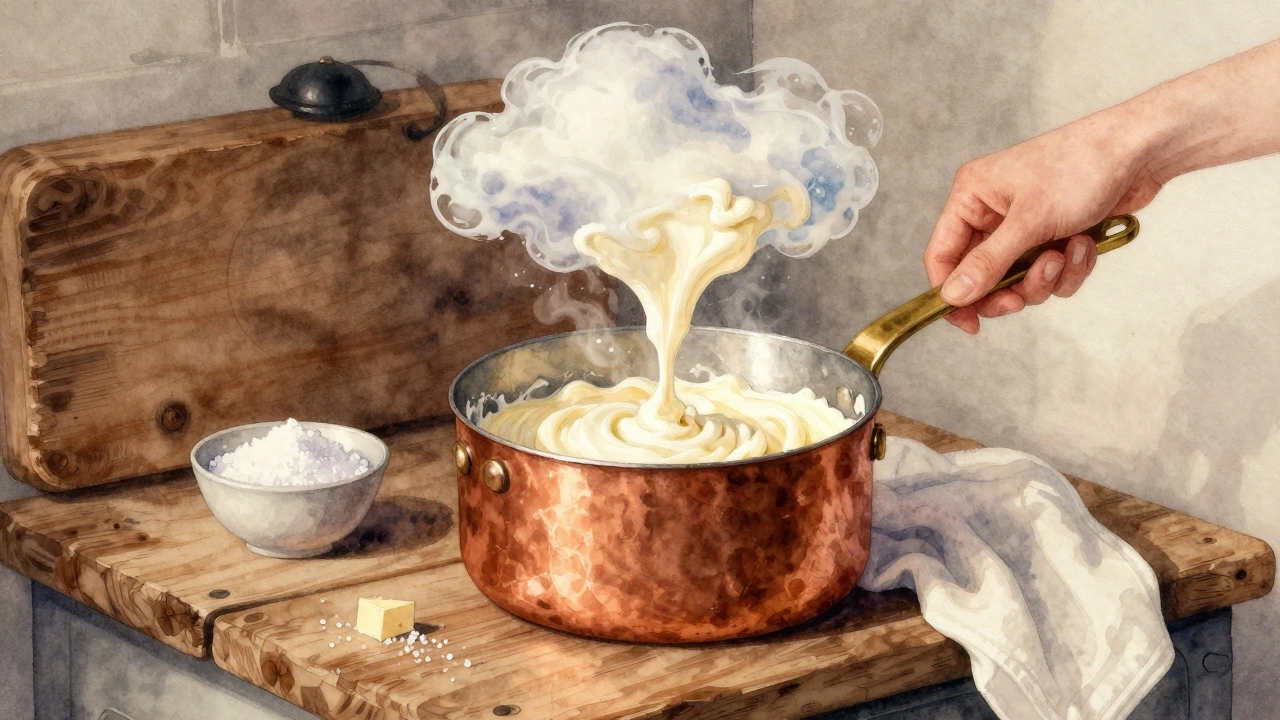
Yes-and it’s easier than you think. You don’t need special equipment or aging time. All you need is heavy cream (at least 35% fat), lemon juice or white vinegar, and a heat source.
- Heat 2 cups of heavy cream in a saucepan until it reaches 190°F (88°C). Don’t let it boil.
- Remove from heat and stir in 2 tablespoons of lemon juice or white vinegar.
- Cover and let sit for 10 minutes. You’ll see curds forming.
- Line a colander with cheesecloth and pour the mixture in. Let it drain for 2-4 hours in the fridge.
- Stir gently before using. It’s ready.
Homemade mascarpone won’t last as long as store-bought (use within 3-4 days), but it’s fresher, cheaper, and free of stabilizers. Many people say it tastes better, too-cleaner, less processed. You can use it the same way: in tiramisu, on toast, or stirred into pasta for a creamy sauce.
How to Buy and Store Mascarpone
Look for mascarpone in the dairy section of grocery stores, usually near cream cheese or ricotta. Brands like BelGioioso, Galbani, and Sorrento are widely available. Check the ingredients: it should only list cream and acid (citric or tartaric acid). If you see gums, stabilizers, or preservatives, it’s not pure.
Once opened, keep it in the fridge in an airtight container. It lasts about 5-7 days. If it smells sour or develops mold, toss it. Mascarpone doesn’t have salt or preservatives, so it spoils faster than other cheeses. Don’t freeze it-it will separate and turn grainy.
Other Ways to Use Mascarpone
Don’t limit mascarpone to tiramisu. It’s one of the most versatile dairy products in the kitchen:
- Spread it on toast with fresh figs and honey
- Whip it with powdered sugar and vanilla for a no-bake pie filling
- Stir it into mashed potatoes for extra creaminess
- Use it in place of sour cream on baked potatoes
- Make a quick dessert by layering it with berries and granola
- Blend it with chocolate and a little espresso for a rich dip
It’s also great in savory dishes. Try mixing it into risotto at the end, or swirling it into tomato sauce for a creamy twist. Its mild flavor doesn’t fight other ingredients-it just makes them better.
What Happens If You Can’t Find Mascarpone?
If you’re stuck and need a quick fix, here’s the closest substitute: mix 8 ounces of full-fat cream cheese with 1/4 cup of heavy cream and 1 tablespoon of unsalted butter. Whip until smooth. Add a teaspoon of sugar if you’re using it in a sweet recipe. It won’t be perfect-but it’ll get you close.
For tiramisu, this substitute will still hold together, though it’ll taste a little more tangy. For other uses, like topping fruit or mixing into pasta, it works fine. But if you’re serious about Italian desserts, it’s worth tracking down real mascarpone. It’s not expensive, and a small tub goes a long way.
Final Thought: It’s Not Just a Cheese. It’s a Texture.
Mascarpone isn’t about flavor. It’s about feel. It’s the difference between a dessert that’s good and one that feels like a hug. You don’t need to be a chef to appreciate it. You just need to taste it. Try a spoonful on its own. Let it melt. Notice how it doesn’t cling, doesn’t stick, doesn’t overwhelm-just glides. That’s why it’s the secret behind so many classic Italian desserts. And once you know what it is, you’ll never look at tiramisu the same way again.
Is mascarpone the same as cream cheese?
No. Mascarpone is made from heavy cream and has a much higher fat content (60-75%) than cream cheese (around 33%). It’s smoother, sweeter, and less tangy. Cream cheese is firmer and has a sharper taste, making it better for bagels than tiramisu.
Can I freeze mascarpone?
No. Freezing causes mascarpone to separate and become grainy. It loses its creamy texture and won’t blend well in recipes. Always store it refrigerated and use it within a week.
Why is mascarpone so expensive?
It takes about 2 pounds of heavy cream to make 1 pound of mascarpone. That’s a lot of milk fat, and the process is labor-intensive. Unlike aged cheeses, it can’t be stored for months, so production costs stay high. You’re paying for richness, not aging.
Is mascarpone gluten-free?
Yes. Pure mascarpone contains only cream and acid-no grains, flour, or additives. Always check the label if you have celiac disease, but most brands are naturally gluten-free.
Can vegans eat mascarpone?
No. Traditional mascarpone is made from animal cream. But there are vegan alternatives made from cashews, coconut cream, or tofu that mimic the texture. Look for "vegan mascarpone" in specialty stores or make your own with blended soaked cashews and lemon juice.