Celiac-Friendly Cake Travel Calculator
How Celiac-Friendly is Your Destination?
Compare countries based on five critical factors for safe gluten-free cake consumption.
Select Countries
Key Criteria
Rate each factor from 1 (poor) to 5 (excellent) based on your needs
If you have celiac disease, eating out or traveling can feel like a minefield. One wrong bite of cake, bread, or even fried food cooked in shared oil can trigger serious symptoms. But some countries have made it their mission to make life easier for people who need to avoid gluten-not just in restaurants, but in supermarkets, bakeries, and even small-town cafes. When it comes to gluten-free cakes, one country stands out: Italy.
Why Italy Leads in Celiac-Friendly Dining
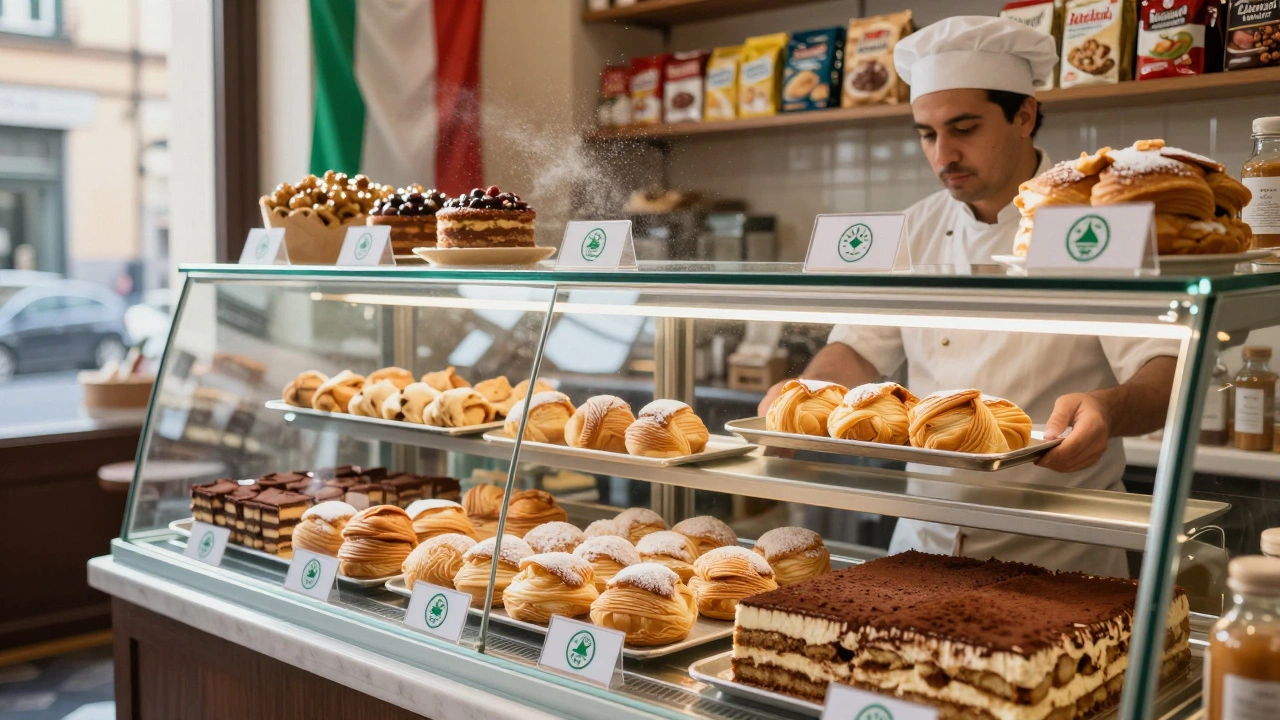
Italy isn’t just famous for pasta and pizza-it’s the global leader in gluten-free food access. Over 200,000 people in Italy have been officially diagnosed with celiac disease, and the government treats it like a chronic medical condition, not a trend. That means hospitals, schools, and public cafeterias are legally required to offer safe gluten-free meals. And it shows.Every grocery store, from Milan to Sicily, has a dedicated gluten-free aisle. You’ll find shelves stacked with gluten-free cakes, pastries, and even traditional Italian desserts like tiramisu and cannoli made with rice or chickpea flour. In Naples, you can walk into a bakery and order a slice of gluten-free sfogliatella that tastes just like the original-flaky, sweet, and perfectly layered. No guesswork. No asking the staff if it’s ‘probably’ safe.
Italian restaurants are trained to handle gluten-free requests. Servers know the difference between gluten-free certification and just ‘gluten-reduced.’ Many places display a green and white celiac logo-recognized nationwide-on their menus. If you’re in Rome and want a gluten-free chocolate cake for dessert, you don’t have to hope. You can expect it to be there, labeled, and prepared in a separate kitchen.
How Gluten-Free Culture Got So Strong in Italy
The push started in the 1980s when the Italian Celiac Association (AIC) began working with the government to create national standards. By 2005, Italy became the first country to legally recognize celiac disease and provide free gluten-free food through the public health system. That policy changed everything.Food manufacturers had to adapt. Companies like Schar and Lamazza began producing high-quality gluten-free baked goods that matched traditional Italian flavors. Supermarkets started training staff to handle gluten-free products separately. Bakers learned to use xanthan gum and tapioca starch to replicate the texture of wheat-based cakes without cross-contamination.
Today, if you buy a gluten-free cake in Italy, it’s likely made in a certified facility with strict protocols: separate ovens, dedicated utensils, and even air filtration systems to prevent airborne flour particles. That’s not a luxury-it’s the law.

Other Celiac-Friendly Countries to Consider
Italy isn’t alone. Other countries have made big strides too:- Sweden has one of the highest diagnosis rates in Europe and offers free gluten-free products through its healthcare system. Their bakeries often label everything clearly, and even small-town cafés carry gluten-free cake options.
- Australia requires mandatory gluten-free labeling on all packaged foods. Supermarkets like Coles and Woolworths have entire gluten-free sections with cakes, muffins, and brownies. Many cafes offer gluten-free desserts without extra charge.
- United States has more gluten-free options than ever, especially in cities like Portland, Seattle, and New York. But quality varies wildly. A cake labeled ‘gluten-free’ in a small-town diner might still be baked on a shared surface.
- Spain has seen rapid growth in gluten-free offerings, especially in Barcelona and Madrid. Their pastries often use almond and buckwheat flour, making them naturally gluten-free and delicious.
- Canada has strong labeling laws and growing awareness. Many bakeries in Toronto and Vancouver specialize in gluten-free desserts, including layered cakes and cupcakes.
But none match Italy’s consistency. In Sweden, you might need to ask for gluten-free cake. In Australia, you’ll find it-but often at a premium price. In Italy, it’s just part of the menu.
What Makes a Country Truly Celiac Friendly?
It’s not just about having gluten-free options. It’s about safety, availability, and culture. Here’s what really matters:- Legal protection: Does the government recognize celiac disease and enforce food safety rules?
- Labeling standards: Are gluten-free products clearly marked and regulated?
- Training: Do restaurant staff understand cross-contamination risks?
- Access: Can you find safe options everywhere-even in rural areas?
- Cost: Are gluten-free cakes priced fairly, or are they a luxury item?
Italy scores top marks on all five. In contrast, countries like the UK and France have good options in cities but lack consistent rural access. In parts of Eastern Europe, gluten-free cakes are rare, and even labeled products can be contaminated.
Travel Tips for Gluten-Free Cake Lovers
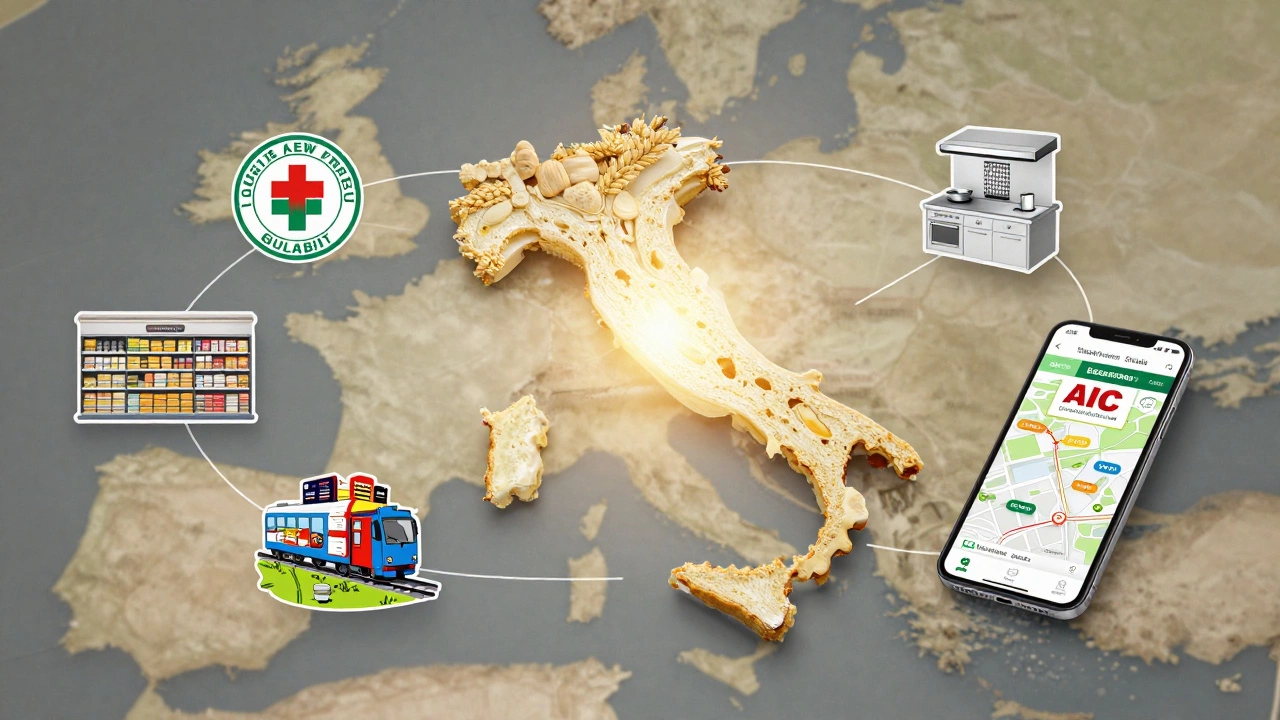
If you’re planning a trip and want to enjoy gluten-free cakes without stress, here’s what works:- Check the local celiac association’s website before you go. Italy’s AIC has a searchable map of certified restaurants.
- Download a gluten-free translation card. Apps like Find Me Gluten Free or Gluten Free Travel Site list verified spots.
- Look for the crossed grain symbol (the international gluten-free logo). If it’s there, the product is certified.
- Avoid bakeries that also sell regular bread unless they have a separate kitchen. Many ‘gluten-free’ cakes are made on the same counter as wheat ones.
- When in doubt, ask for a cake made with almond or rice flour. These are naturally gluten-free and less likely to be contaminated.
And don’t forget to bring a small snack with you. Even in the best countries, delays happen. A gluten-free cookie or two in your bag can save the day.
Why Gluten-Free Cakes Are More Than Just Dessert
For people with celiac disease, eating a cake isn’t just about sugar. It’s about belonging. It’s about not having to explain why you can’t have dessert. It’s about feeling included at birthdays, holidays, and family gatherings.Italy understands that. They don’t treat gluten-free food as an afterthought. They bake it with pride. You’ll find gluten-free cakes in Michelin-starred restaurants and in family-run pasticcerias. They’re not labeled as ‘for celiacs’-they’re just cakes. And that’s the highest form of inclusion.
Whether you’re celebrating a birthday, enjoying a quiet afternoon coffee, or just craving something sweet, Italy gives you the freedom to eat without fear. That’s why, when it comes to gluten-free cakes, Italy isn’t just the best-it’s the only place where you can truly relax and enjoy dessert.
Is gluten-free cake safe for celiac disease?
Yes, but only if it’s made in a certified gluten-free environment. Cross-contamination-even from crumbs in the same oven or on the same counter-can trigger reactions. Always look for official gluten-free certification labels or ask if the bakery uses separate equipment.
What’s the difference between gluten-free and wheat-free?
Wheat-free doesn’t mean gluten-free. Gluten is a protein found in wheat, barley, and rye. A cake can be wheat-free but still contain barley malt or rye flour, which are unsafe for celiacs. Always check for ‘gluten-free’ certification, not just ‘wheat-free.’
Can you buy gluten-free cakes online in Italy?
Yes. Italian companies like Schar, Lamazza, and Celiachia.it ship gluten-free cakes across Europe. Many offer same-day delivery in major cities. Orders come in sealed, certified packaging with expiration dates and storage instructions.
Are gluten-free cakes healthier than regular cakes?
Not necessarily. Many gluten-free cakes use more sugar, fat, or additives to mimic the texture of wheat flour. They’re not low-calorie or low-sugar by default. For celiacs, safety matters more than nutrition-but always check the ingredient list.
What gluten-free flours are best for cakes?
Rice flour, almond flour, buckwheat flour, and tapioca starch are top choices. Blends that combine these flours with xanthan gum give the best texture. Avoid oat flour unless it’s certified gluten-free-oats are often cross-contaminated during farming.