Dummy Cake Cost Calculator
Calculate Your Savings
See how much you could save by using dummy cakes instead of real ones.
Cost Comparison
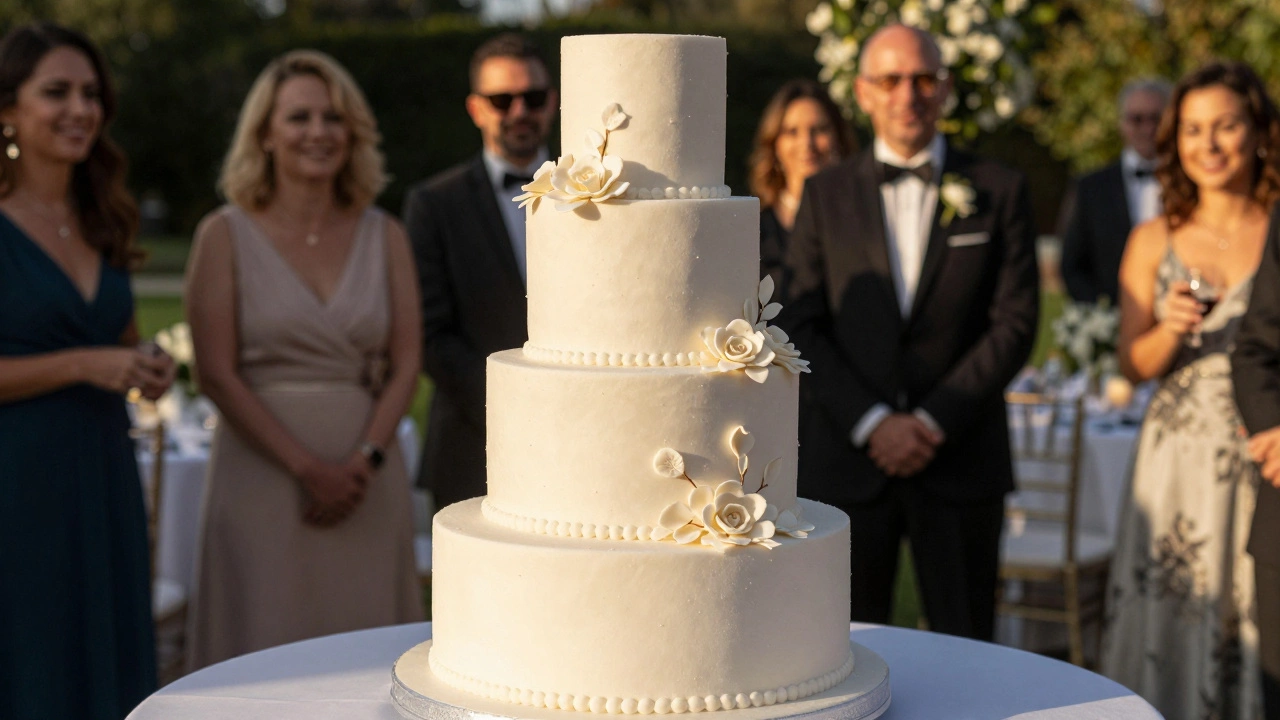
Ever seen a wedding cake with five tiers that looks too perfect to eat? Or a birthday cake that’s been sitting on display for weeks without a single slice taken? Those aren’t real cakes-they’re called dummy cakes. And while they might look like the real thing, they’re built for show, not for serving.
What Exactly Is a Dummy Cake?
A dummy cake, also known as a display cake or cake prop, is a non-edible structure made to look like a real cake. These are commonly used in weddings, photo shoots, exhibitions, and bakery displays. They’re not meant to be eaten. Instead, they’re designed to impress visually-giving the illusion of a grand, multi-tiered cake without the cost, mess, or spoilage.Most dummy cakes are made from foam, plastic, or cardboard. They’re covered in fondant or buttercream-style icing made from non-food materials, then decorated with edible-looking flowers, ribbons, and sugar details. The top tier is often the only real cake portion, served to guests while the rest remain untouched.
Why Do People Use Dummy Cakes?
There are several practical reasons why bakers and event planners turn to dummy cakes.- Cost savings: Real cake tiers cost money in ingredients, labor, and delivery. A 5-tier real cake can run over $1,000. A dummy cake with one real top tier might cost under $300.
- Stability: Real cakes can slump, melt, or crack during transport. Dummy cakes don’t. They’re lightweight and easy to move.
- Long-term display: Wedding cakes displayed for days or weeks? Real cakes would go bad. Dummy cakes stay perfect for months.
- Visual impact: A towering cake looks more dramatic on camera and in person. Dummy cakes let you build taller, more elaborate designs without worrying about structural integrity.
Many high-end bakeries now offer a hybrid approach: one or two real tiers for cutting and serving, with the rest being dummies. Guests get the taste, and the couple gets the photo-op.
Different Names for Fake Cakes
You’ll hear several terms used interchangeably, but they all point to the same thing:- Dummy cake - The most common term among professional bakers and wedding planners.
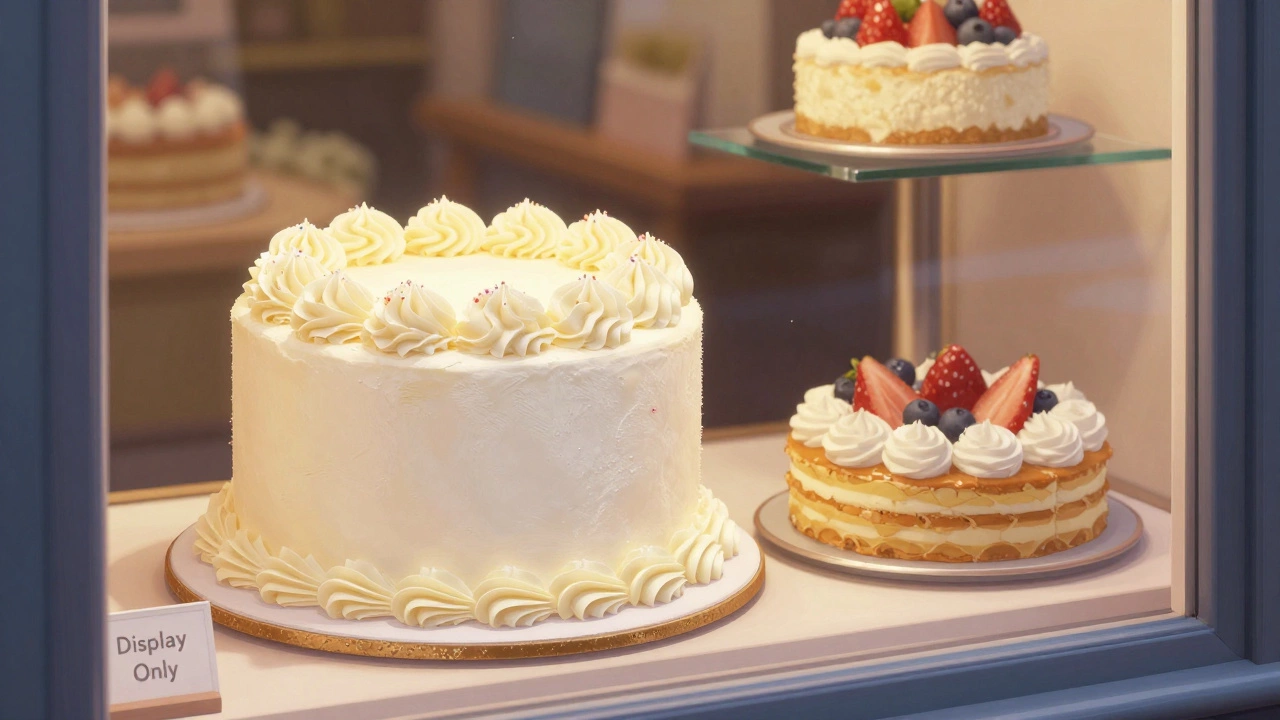
- Display cake - Used in retail settings, like bakery windows or trade shows.
- Cake prop - Preferred in photography, film, and advertising.
- Decoration cake - A more generic term sometimes used by customers who don’t know the technical name.
- Non-edible cake - A descriptive term you’ll see on product listings or supplier sites.
Some people mistakenly call them “fake cakes,” but that term sounds cheap or dishonest. Professionals avoid it. In the industry, you’ll hear “dummy cake” every time.
How Are Dummy Cakes Made?
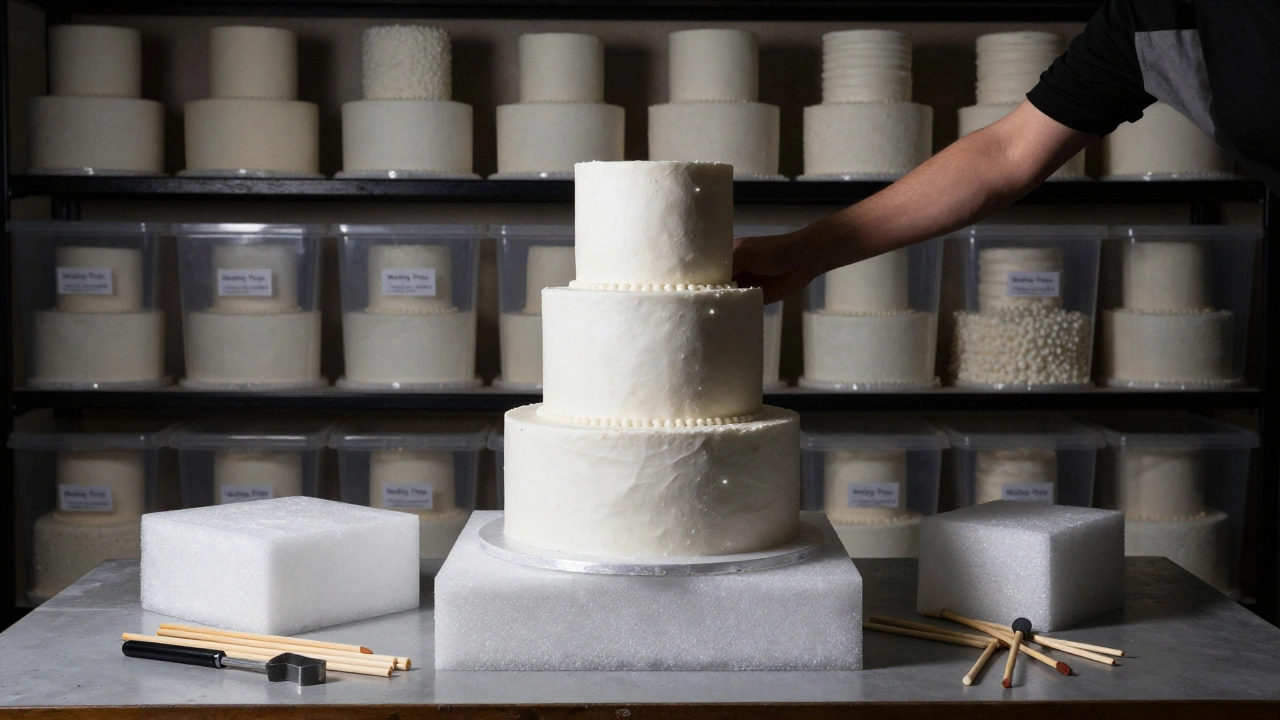
Making a dummy cake is part sculpture, part cake decorating. Here’s how it’s done:- Core structure: Foam blocks (usually polystyrene) are cut into cake shapes using a hot wire cutter. Cardboard rounds are stacked for support.
- Smoothing: The foam is sealed with a special cake board adhesive or modeling paste to create a smooth surface.
- Coating: A thick layer of fondant or gum paste is applied, just like on a real cake. Some use edible-looking modeling chocolate.
- Decorating: Buttercream textures are mimicked with tools. Flowers are made from fondant or plastic. Edible glitter and pearls are often used for shine.
- Assembly: Dowels or hidden supports hold the tiers together. The whole thing is mounted on a sturdy base.
Some dummy cakes even have LED lights inside the tiers for nighttime events. Others have hidden compartments to store cake toppers or messages.
Where Do You Get Dummy Cakes?
You have a few options:- Buy pre-made: Online retailers like Etsy, Amazon, or specialty cake supply stores sell dummy cakes in various sizes and styles. Prices range from $20 for a small single tier to $200+ for a 5-tier set.
- Make your own: Foam blocks, fondant, and tools are available at craft stores. DIY kits come with instructions and are popular for home decorators.
- Hire a pro: Many wedding cake bakers offer dummy cake services as part of their package. They’ll design it to match your real cake’s colors and style.
Pro tip: If you’re buying online, check if the dummy cake is meant for indoor or outdoor use. Some cheaper versions can warp in heat or humidity.
Can You Eat a Dummy Cake?
No. And you shouldn’t try.While the fondant or icing on a dummy cake might look edible, the materials underneath are not food-safe. Polystyrene foam, glue, and plastic decorations can be toxic if ingested. Even if the surface is made from edible fondant, the core is still non-food-grade.
Some people have tried cutting into dummy cakes out of curiosity-usually during photo sessions-and ended up with stomach issues. Always assume: if it’s not labeled as edible, it’s not meant to be eaten.
Real vs. Dummy Cake: Quick Comparison
| Feature | Real Cake | Dummy Cake |
|---|---|---|
| Edible? | Yes | No |
| Cost (5-tier) | $800-$2,500 | $150-$400 |
| Weight | 20-40 lbs | 5-10 lbs |
| Shelf life | 3-5 days refrigerated | Years if stored properly |
| Transport risk | High-can melt, crack, collapse | Low-sturdy and stable |
| Best for | Serving guests | Photos, displays, large events |
When to Use a Dummy Cake
Dummy cakes make the most sense in these situations:- Weddings with 100+ guests: You don’t need 100 servings of a 5-tier cake. One real tier for cutting, the rest dummy.
- Photo shoots: Whether it’s for Instagram, a magazine, or a bridal portfolio, dummy cakes stay perfect under lights and for hours.
- Bakery displays: A beautiful cake in the window draws customers in. A real cake would spoil by Friday.
- Event rentals: Some venues rent out dummy cakes as decor. You bring your own real cake to serve.
- Themed parties: Think Harry Potter, Disney, or superhero cakes-dummy cakes let you build wild designs that would be impossible to eat.
Common Myths About Dummy Cakes
- Myth: Dummy cakes are cheap and tacky. Reality: Many high-end weddings use them. They look identical to real cakes in photos and from a distance.
- Myth: Guests will know it’s fake. Reality: Unless someone cuts into it, no one will tell the difference. Most guests don’t even notice.
- Myth: You can’t customize them. Reality: You can match any color, texture, or design. Bakers can replicate any real cake style down to the piping.
- Myth: They’re only for weddings. Reality: Used in movies, TV, museums, and even retail windows. They’re everywhere.
Final Thoughts
Dummy cakes aren’t a trick-they’re a smart solution. They let you have the cake you’ve always dreamed of without the waste, cost, or stress. Whether you’re planning a wedding, running a bakery, or just love beautiful desserts, understanding dummy cakes opens up new possibilities.Next time you see a stunning cake that looks too perfect to be real-you now know: it might not be real at all. And that’s perfectly okay.
Are dummy cakes safe to touch?
Yes, dummy cakes are safe to touch. They’re made from non-toxic materials like food-safe foam and non-edible fondant. But always wash your hands after handling them, especially before eating, since they may have dust or residue from packaging.
Can you reuse dummy cakes?
Absolutely. Dummy cakes are designed to be reused. Store them in a cool, dry place, wrapped in plastic or in a box. Many wedding planners keep dummy cakes in storage for years and rent them out for different events.
Do dummy cakes come with a real cake on top?
It depends. Many dummy cake sets include a separate real cake tier that sits on top. This top tier is the only one served to guests. The rest are purely decorative. Some customers choose to have the entire cake real, but that’s more expensive.
Can I make a dummy cake at home?
Yes, many people make dummy cakes at home using foam blocks from craft stores and fondant from cake supply shops. DIY kits are available online with step-by-step instructions. Just make sure to use non-toxic materials and avoid anything labeled “not for consumption.”
Why do some bakeries charge more for dummy cakes than real ones?
It’s not the cake-it’s the labor. A dummy cake takes just as much time to decorate as a real one. The skill to make it look flawless, match colors perfectly, and handle delicate details is the same. You’re paying for artistry, not ingredients.