German Dessert: Classic Treats, Hidden Gems, and What Makes Them Unique
When you think of German dessert, a category of rich, comforting sweets rooted in centuries of European baking tradition. Also known as German sweets, it includes everything from layered cakes to rustic fruit tarts—each made with care, not just sugar. Unlike flashy American layer cakes, German desserts don’t rely on neon frosting or over-the-top decorations. They’re about balance: buttery crusts, tart fruit, warm spices, and just enough cream to make you pause mid-bite. You won’t find a German grandma topping her Apfelstrudel with sprinkles. She’ll dust it with cinnamon and serve it with a dollop of vanilla sauce—simple, honest, and unforgettable.
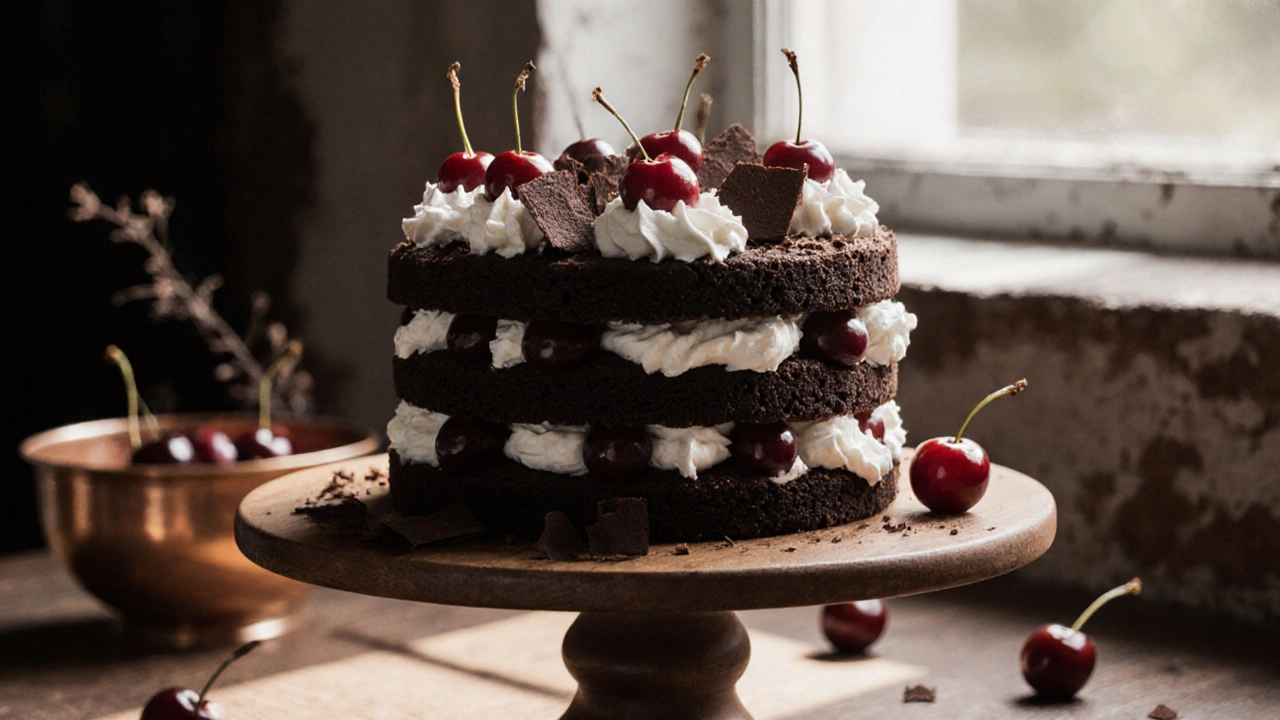
What makes Black Forest cake, a layered chocolate sponge with cherries and whipped cream, often considered Germany’s most famous dessert so special isn’t just the cherries or the chocolate. It’s how the alcohol—usually Kirschwasser—soaks into the layers, deepening the flavor without overpowering it. That’s the German way: ingredients aren’t just added, they’re integrated. Then there’s Apfelstrudel, a thin, flaky pastry wrapped around spiced apples, often served warm with vanilla custard. It’s not just a dessert—it’s a texture experience: crisp outside, tender inside, fruit that bursts just right. These aren’t desserts you eat quickly. They’re meant to be savored slowly, often with coffee after Sunday lunch.
German dessert culture doesn’t just live in bakeries. It’s in family kitchens, holiday tables, and village festivals. You’ll find German dessert at Christmas markets, where Lebkuchen cookies are sold by the dozen, or at Easter, when Dampfnudeln—soft, steamed buns in sweet syrup—are served with vanilla sauce. These aren’t trends. They’re traditions passed down, unchanged for generations. Even today, you won’t find many German bakers using artificial flavors. They use real vanilla beans, local apples, and sour cherries from the Black Forest. That’s why these desserts taste different than anything you’ll get in a chain bakery.
What you’ll find in this collection isn’t just recipes. It’s the stories behind the sweets. You’ll see how a pinch of vinegar can make a cheesecake smoother, how cream cheese choices change the texture, and why some German bakers still use lard in their pastry dough. You’ll learn what makes a true German dessert—not the name on the menu, but the method in the mix. Whether you’re baking for the first time or you’ve been kneading dough for years, these posts give you the real deal: no fluff, no shortcuts, just the kind of sweets that make you want to sit down, take a bite, and say, ‘This is how it’s supposed to taste.’
The Black Forest cake is known as the King of Cakes for its perfect balance of chocolate, sour cherries, and cherry brandy. Discover why this German classic stands above all others.