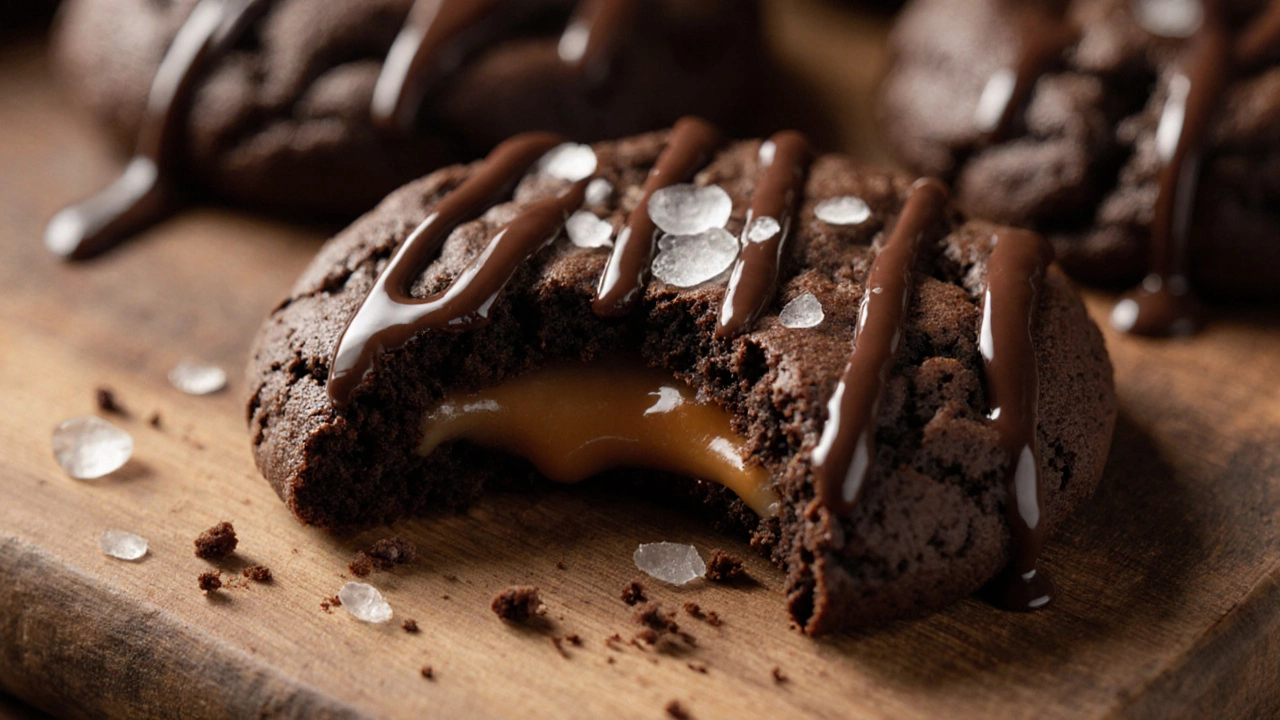
Cookie Name Myth: Debunking Sweet Myths Behind Baking Legends
When you hear cookie name myth, a false or exaggerated story about how a cookie got its name. Also known as baking folklore, it's the kind of tale that sticks like icing—fun to repeat, but often far from the truth. Why is it called a snickerdoodle? Was the chocolate chip cookie really invented by accident? These aren’t just cute stories—they’re the kind of myths that spread faster than butter on warm toast.
Many cookie names come from baking history, the real stories behind how recipes evolved across cultures and time, not from whimsical tales. Take the Oreo, for example. People think the name means "cream" or "ore" (gold), but it’s likely just a brand choice from the 1910s. Or macarons—they’re not French in origin, despite what you’ve heard. Their roots are Italian, and the name stuck as they traveled across borders. These aren’t just trivia—they shape how we think about what we bake.
Then there’s the baking science, the chemistry and techniques that actually determine how cookies turn out. A myth says adding more eggs makes cookies chewier. But it’s the ratio of fat to flour, not just egg count, that controls spread and texture. Another myth claims sugar alone makes cookies crisp. Wrong—it’s the type of sugar, the oven temp, and even humidity. These aren’t just details; they’re the difference between a perfect bite and a crumbly mess.
And don’t get us started on dessert myths, widely believed but false ideas about how sweets work. Some swear you can’t freeze cookies. Others think gluten-free means tasteless. We’ve seen recipes where people swap ingredients based on rumors, not research—and then wonder why their cookies turned out like bricks. The truth? Most of these myths come from old cookbooks, word-of-mouth, or marketing spin.
What you’ll find in these posts isn’t just a list of myths. It’s a behind-the-scenes look at how real bakers cracked the code. From why a pinch of cream of tartar saves fudge, to how adding a second egg changes your cookies, to why vinegar makes cheesecake smoother—these aren’t magic tricks. They’re science, tested in home kitchens. You’ll also find the real story behind the Black Forest cake, why brigadeiro is Brazil’s most loved sweet, and whether Skittles are actually vegan. No fluff. No guesswork. Just facts that stick.
If you’ve ever bitten into a cookie and wondered, "Wait, why is it called that?"—you’re not alone. The answers are out there, buried under layers of legend. Let’s peel them back.
Milky Way cookies aren't a real product-they're homemade treats inspired by the candy bar. Learn what makes them special, why people call them 'girls,' and how to bake them right.