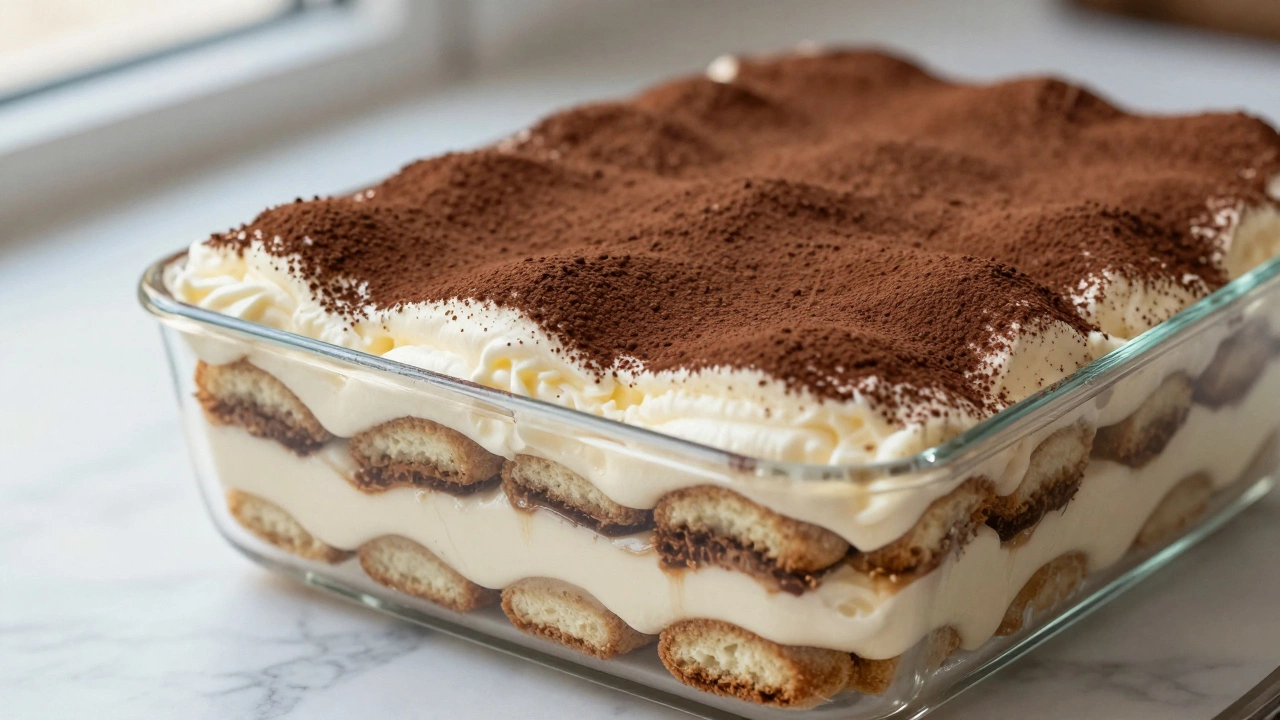
Quick Storage Guide
- Refrigerator: 3 to 5 days (maximum).
- Freezer: Up to 2 months.
- Room Temperature: No more than 2 hours.
The Science of the Soak: Why Tiramisu Spoils
Tiramisu isn't like a dry sponge cake. It is a high-moisture environment. When you combine Mascarpone is a creamy, mild Italian curd cheese with eggs and espresso, you create a playground for microbes. The moisture from the coffee seeping into the ladyfingers acts as a bridge, allowing spoilage to spread through the layers faster than in a traditional cake.
The biggest risk factor is the egg. Many traditional recipes use raw yolks or whites whipped into a foam. Even if you use a cooked custard base (Zabaione), the protein and fat content in the cheese makes it a prime target for Salmonella, a bacteria commonly associated with poultry and eggs, which can multiply rapidly if the temperature isn't kept consistently below 4°C (40°F).
The 3-to-5 Day Window
For most home cooks, the sweet spot for consumption is within 3 days. By day 4, you'll notice a shift in texture. The Savoiardi (Italian ladyfingers) will have absorbed so much liquid that they may lose their structure and become mushy. While still safe to eat up to day 5, the culinary experience starts to decline.
If you're using a store-bought version, check the "use-by" date, but remember that once the seal is broken and the cake is exposed to air, the 5-day clock starts ticking. Air introduces oxygen and airborne contaminants that accelerate the breakdown of the fats in the cheese.
| Day | Texture State | Safety Level | Recommendation |
|---|---|---|---|
| Day 1 | Firm, distinct layers | Peak Safety | Best for guests |
| Day 2-3 | Perfectly soaked | Very Safe | Ideal flavor profile |
| Day 4 | Soft, slightly weeping | Safe | Eat quickly |
| Day 5 | Mushy, losing air | Caution | Last call |
How to Store It for Maximum Freshness
Just sliding the tray into the fridge isn't enough if you want it to stay tasty. The fridge is a drying chamber. If your dessert is uncovered, the top layer of cocoa powder will absorb moisture from the air and turn into a damp, dark paste. Worse, your tiramisu might start tasting like the leftover onion in the crisper drawer.
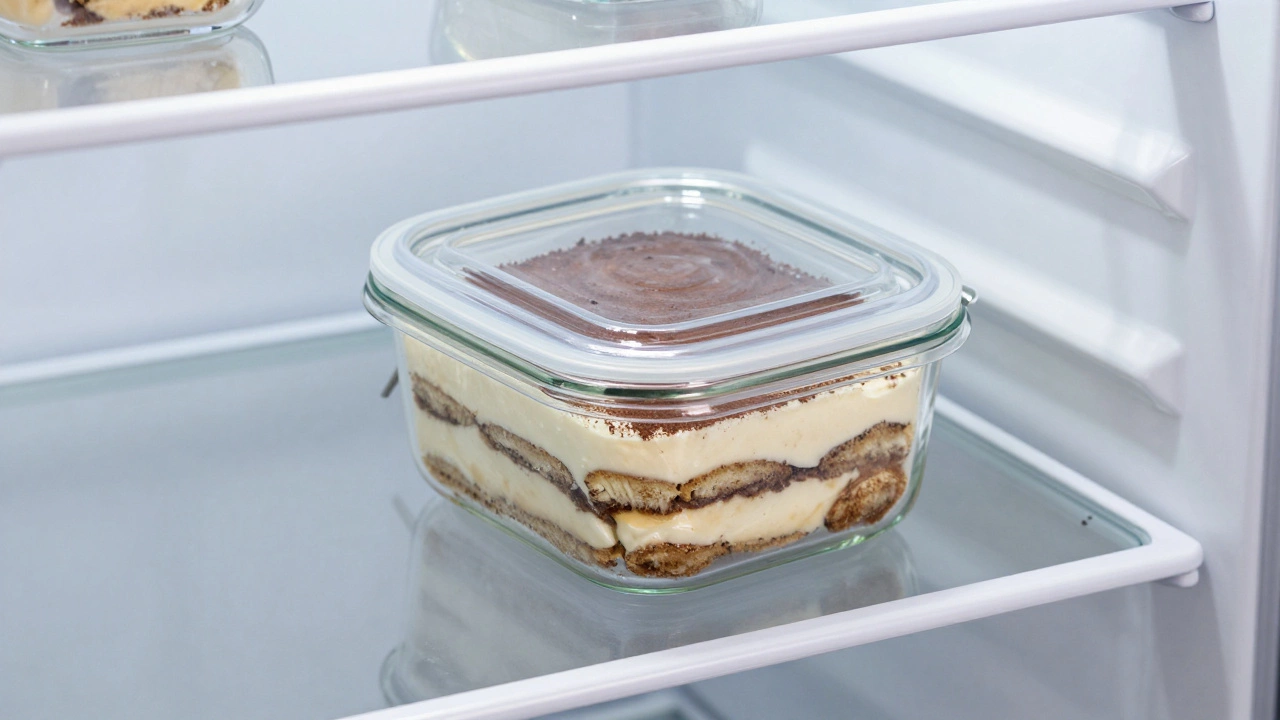
- Airtight Containers: Use a glass container with a locking lid. Glass is better than plastic because it doesn't react with the acidity of the coffee and provides a more stable temperature barrier.
- Avoid the Door: Don't store your tiramisu in the fridge door. The temperature fluctuates every time you open the fridge. Place it on a middle shelf or in the back where the cold air is most consistent.
- The Cocoa Trick: If you're storing it for more than 24 hours, consider dusting the cocoa powder on just before serving. This keeps the topping looking professional and prevents that "wet mud" appearance.
Freezing Tiramisu: The Long-Term Solution
If you've made a massive batch for a party and know you can't finish it by Friday, use the freezer. Cryogenic Preservation (in a culinary sense) allows you to stop the bacterial clock. However, freezing changes the chemistry of the cream.
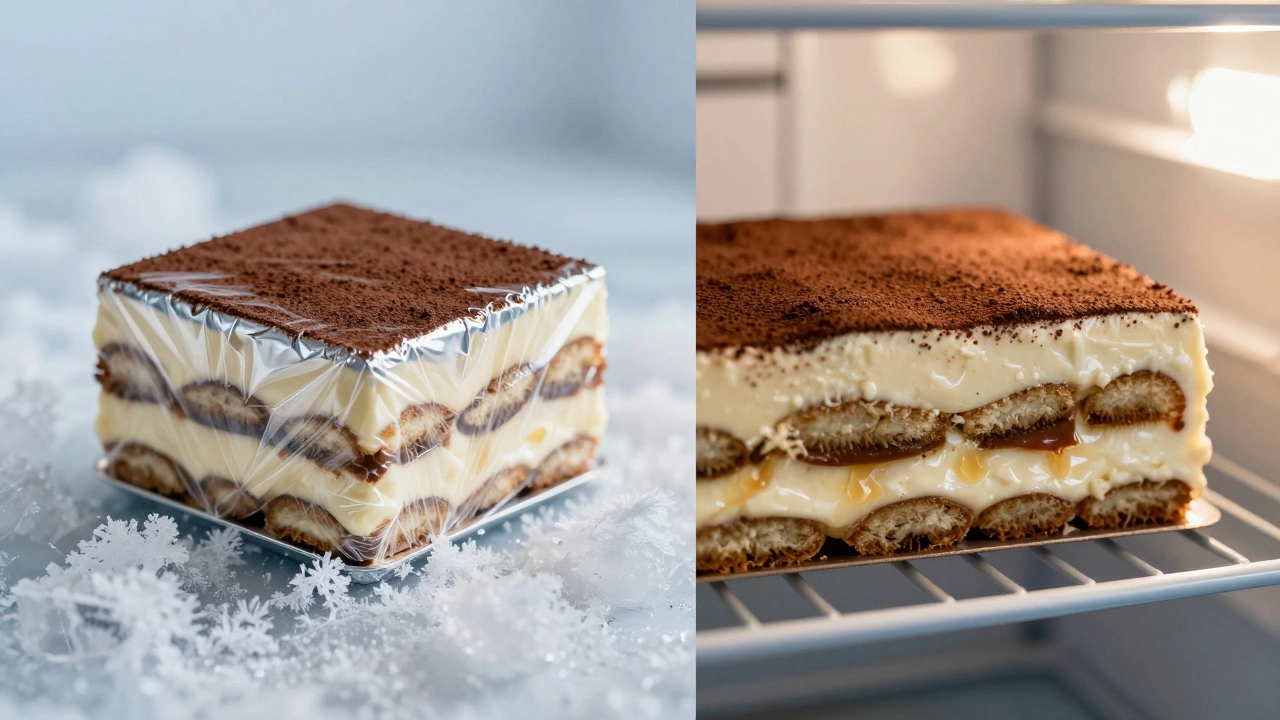
When you freeze the mascarpone mixture, the water in the cream forms ice crystals. This can cause the dessert to "weep" or separate when it thaws. To minimize this, wrap individual portions in plastic wrap and then foil. This prevents freezer burn and keeps the coffee flavor from evaporating.
To thaw, move the portion from the freezer to the fridge the night before. Never thaw it on the counter at room temperature, as this creates a danger zone where the outside of the cake warms up while the center is still frozen, potentially allowing bacteria to grow on the edges.
Signs Your Tiramisu Has Gone Bad
Trust your senses, but trust your logic more. If you're unsure, it's better to toss it than to risk a bout of food poisoning. Look for these red flags:
- The Smell Test: Fresh tiramisu smells of coffee, cocoa, and sweet cream. If you detect a sour, acidic, or "yeasty" smell, the dairy has turned.
- Visual Cues: Look for any discoloration. While a bit of liquid (syneresis) at the bottom is common, any fuzzy growth or a change in the cream's color from off-white to yellowish-grey is a sign of mold or bacterial colony growth.
- Texture Changes: If the cream feels slimy or overly runny compared to when you first made it, the proteins have broken down and it's no longer safe.
Pro Tips for Longer-Lasting Desserts
If you're making this for an event and want it to hold up, consider a few tweaks. Using pasteurized eggs significantly reduces the risk of Foodborne Illness because the heat treatment kills most pathogens. Also, ensuring your espresso is completely cooled before dipping the ladyfingers prevents the cake from becoming too soggy too quickly.
Another trick is to use a slightly stiffer mascarpone blend. By adding a small amount of stabilized whipped cream or a touch of gelatin (if you're not making it traditional), you create a structure that resists breaking down over those 5 days in the fridge.
Can I leave tiramisu out overnight?
Absolutely not. Because it contains eggs and cheese, tiramisu is a perishable food. Leaving it at room temperature for more than two hours puts you in the "danger zone" (4.4°C to 60°C), where bacteria grow rapidly. If it's been out all night, throw it away.
Does the coffee help preserve the tiramisu?
No, actually the opposite is true. The liquid from the coffee increases the moisture content of the cake, which actually helps bacteria and mold grow faster than they would in a dry cake.
How do I tell if the mascarpone has spoiled?
Spoiled mascarpone will have a sharp, sour smell, similar to old yogurt. You might also see small spots of mold or a yellowish tint. If the texture becomes chunky or curdled, discard it immediately.
Is it safe to eat 6-day old tiramisu?
It is generally not recommended. By day 6, the risk of bacterial growth increases significantly, and the quality of the dessert-especially the texture of the ladyfingers-will have degraded. When in doubt, throw it out.
Can I freeze tiramisu and then thaw it multiple times?
No. Each time you thaw and refreeze, you damage the cellular structure of the cream and the ladyfingers, leading to a watery, separated mess. It also increases the risk of contamination. Thaw only what you plan to eat.
Next Steps for Storage Success
If you're planning a party, the best strategy is to assemble your tiramisu 24 hours before the event. This gives the flavors time to meld and the layers to set without pushing the dessert toward its expiration date. If you find yourself with too many leftovers, divide them into individual portions and freeze them immediately to lock in the quality.
For those who prefer a vegan version using coconut cream or cashew cheese, the shelf life is slightly different. While they avoid egg-related risks, the high fat and moisture content still mean a 3-to-5 day limit in the fridge. Always keep your desserts tightly sealed and chilled to ensure every bite is safe and delicious.