Fudge Method Comparison Tool
Which fudge method matches your goals? Select a technique to see the predicted result and key differences.
Condensed Milk Method
Fast & SimpleTraditional Butter Method
Artisan & Rich| Texture | |
| Flavor Profile | |
| Time Effort | |
| Key Tool |
Quick Takeaways
- Condensed milk creates a softer, more "candy-like" texture rather than a traditional creamy fudge.
- The extreme sugar concentration can lead to an overly sweet taste that masks the chocolate or vanilla.
- It lacks the depth of flavor found in slow-cooked butter and sugar crystals.
- Alternative methods allow for better control over sweetness and dietary restrictions.
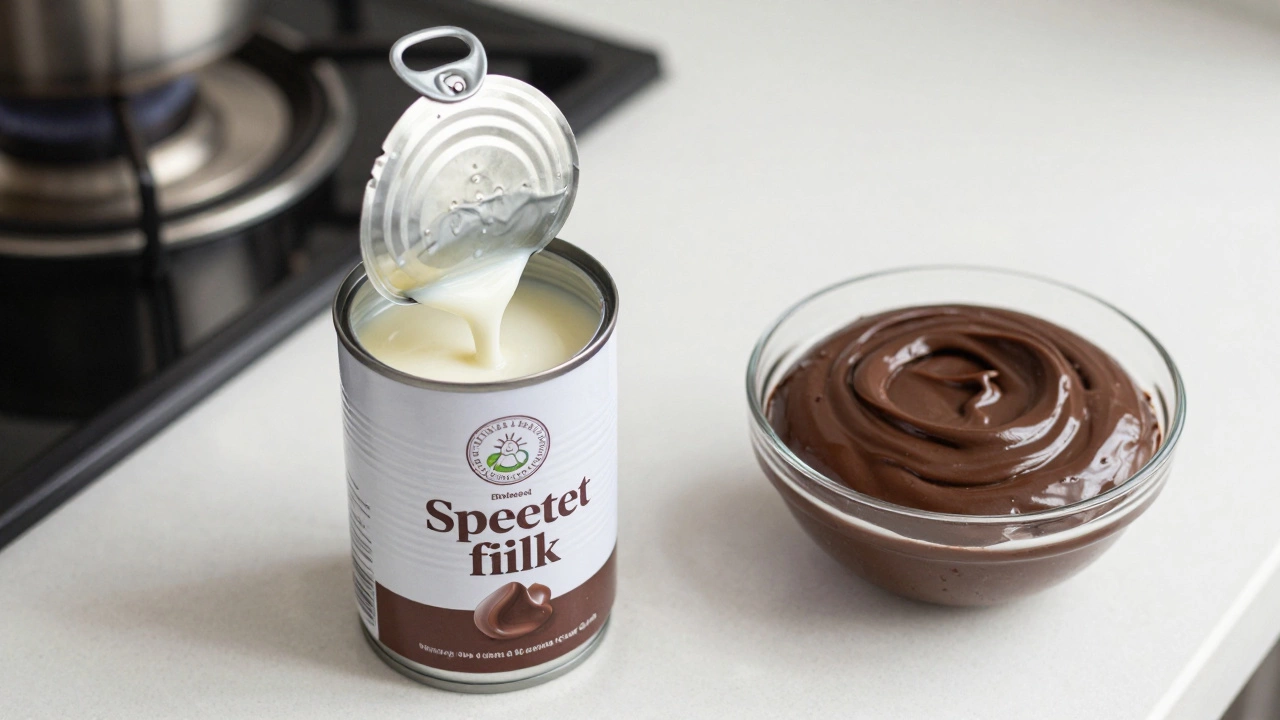
To understand why some bakers avoid it, we first need to look at what Condensed Milk is a milk product made by removing water from evaporated milk and adding a high concentration of sugar. It's basically a syrup-thick dairy concentrate. When you use it in condensed milk in fudge, you aren't just adding creaminess; you're adding a massive dose of processed sugar that has already been stabilized. This stability is exactly why the fudge doesn't "grain," but it's also why it lacks the satisfying snap and melt-in-your-mouth quality of a traditional recipe.
The Texture Trap: Smooth vs. Creamy
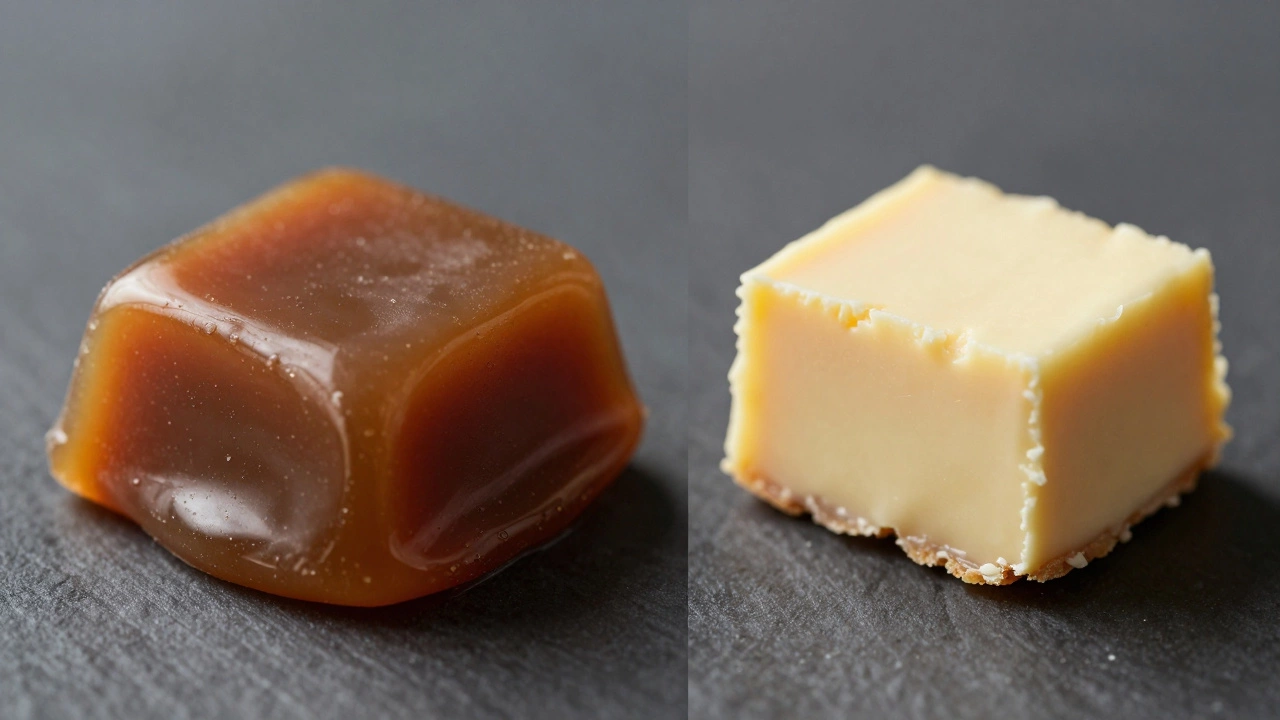
There is a big difference between "smooth" and "creamy." Condensed milk fudge is smooth, almost like a thick ganache or a soft caramel. However, traditional fudge relies on a process called crystallization. When you heat Sugar and Butter to a specific temperature, you create tiny crystals that give fudge its signature dense, slightly crumbly, yet melt-away texture.
Because condensed milk is so saturated with sugar, it interferes with this natural crystallization. You end up with a product that feels "gummy." If you've ever had fudge that sticks to your molars instead of dissolving on your tongue, that's usually the result of the stabilizers and high sugar content in canned milk. For those seeking a professional pastry-shop result, the shortcut actually creates a roadblock.
The Sugar Overload Problem
Let's talk about the taste. Most people love sweet things, but there is a tipping point where sweetness becomes overwhelming. In a traditional fudge recipe, you control the sugar. You can balance it with a pinch of Sea Salt or a bit of extra cocoa powder to create a sophisticated flavor profile.
With condensed milk, the sugar is locked in. It's incredibly potent. This often leads to a "one-dimensional" flavor. You taste "sweet" before you taste "chocolate." If you are using a high-quality Couverture Chocolate (which has a higher cocoa butter content), the condensed milk can actually mask the nuanced notes of the bean, making your expensive chocolate taste like a generic candy bar.
| Feature | Condensed Milk Method | Traditional Method |
|---|---|---|
| Prep Time | Very Fast (10-15 mins) | Slower (30-60 mins) |
| Texture | Gummy/Soft | Creamy/Crystalline |
| Flavor Depth | High Sweetness, Low Nuance | Rich, Buttery, Balanced |
| Control | Pre-set Sugar Levels | Full Control over Ingredients |
Health and Dietary Constraints
For many, the "not advisable" part isn't about taste-it's about the ingredients list. Condensed milk is an absolute sugar bomb. A small amount contains a significant portion of the recommended daily intake of added sugars. For anyone managing blood glucose levels or trying to reduce processed sugars, it's the most problematic ingredient in the kitchen.
Moreover, it makes the recipe impossible to adapt for certain diets. If you want to make a Vegan Dessert, you can't simply swap condensed milk for a coconut alternative and expect the same result. While coconut condensed milk exists, the fat ratios are different, often leading to a fudge that separates or never sets properly. When you use a traditional base of sugar, fat, and liquid, it's much easier to swap dairy for plant-based fats like cocoa butter or coconut cream without losing the structural integrity of the candy.
Better Alternatives for a Richer Fudge
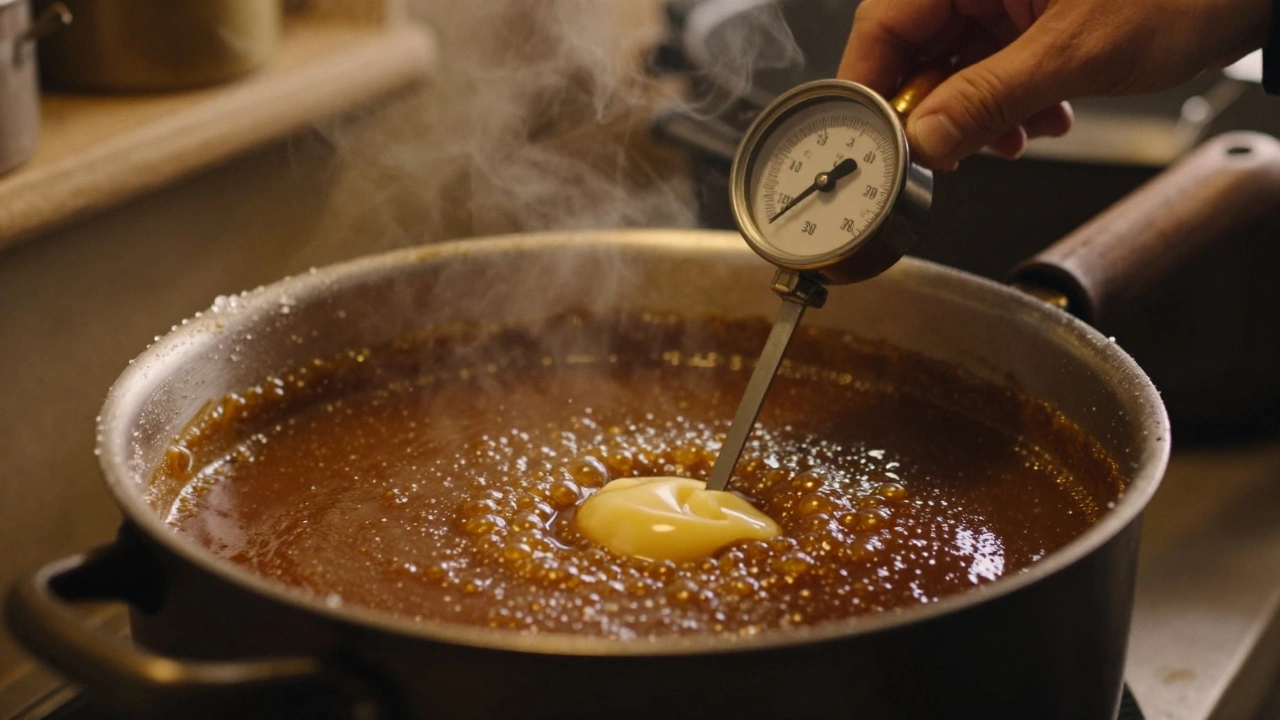
If you want to move away from the canned stuff, you have a few great options. The first is the classic method: simmering sugar, butter, and milk/cream until it reaches the "soft ball" stage (about 235°F to 240°F). This requires a Candy Thermometer, but the result is incomparably better. You get a fudge that is rich and buttery, not just sugary.
Another pro tip is to use a white chocolate base. By melting high-quality white chocolate with a bit of heavy cream, you create a naturally thick, creamy base that mimics the thickness of condensed milk without the artificial syrupy quality. This allows the actual flavor of the chocolate to shine through. If you're making peanut butter fudge, try blending creamy peanut butter with a small amount of maple syrup and coconut oil. You'll find the flavor is cleaner and the texture is more natural.
Common Pitfalls to Avoid
Regardless of the method you choose, fudge is temperamental. One of the biggest mistakes is over-beating the mixture. Whether you're using condensed milk or sugar, stirring too vigorously after the fudge has cooled slightly can cause the fat to separate or the sugar to crystallize too quickly, leaving you with a grainy mess.
Also, avoid using low-fat milk or margarine. Fudge is all about the emulsion of fat and sugar. If you cut the fat too much, the fudge won't hold its shape and will end up feeling sticky. Stick to full-fat butter and heavy cream for that professional, melt-in-your-mouth experience that makes the extra effort worthwhile.
Is condensed milk fudge actually "real" fudge?
Technically, no. Real fudge is a crystalline candy made by controlling the growth of sugar crystals. Condensed milk fudge is more of a stabilized confection or a soft candy. It lacks the specific crystalline structure that defines traditional fudge.
Can I use evaporated milk instead of condensed milk?
Yes, but you can't do a 1:1 swap. Evaporated milk doesn't have the added sugar. You would need to add your own sugar and likely simmer the mixture longer to achieve the correct thickness, essentially moving back toward a traditional fudge method.
Why does my condensed milk fudge feel sticky on my teeth?
This is due to the high concentration of sucrose and the lack of a proper crystalline structure. Instead of breaking down cleanly, the sugar creates a dense, syrupy matrix that clings to your teeth.
How do I get a professional texture without a can of milk?
The best way is to use a candy thermometer and the "soft ball" stage method. By heating sugar and butter to exactly 235-240°F and then cooling and beating the mixture, you create the perfect creamy, non-sticky texture.
Does using real butter make fudge taste better than using condensed milk?
Absolutely. Real butter adds a savory, rich depth that balances the sugar. Condensed milk provides sweetness and thickness, but it doesn't have the same buttery complexity that defines high-end confectionery.
Next Steps for Your Baking Journey
If you're a beginner, start with the condensed milk recipes just to get a feel for the process. But once you're comfortable, challenge yourself to a traditional batch. Grab a candy thermometer and try a basic chocolate and butter recipe. You'll quickly notice that the slight increase in effort leads to a massive jump in quality. If you're looking to make your treats healthier, start experimenting with maple syrup or honey as binders, and see how they change the flavor profile of your fudge.