Gluten Belly Bloat Risk Calculator
Answer the following questions about your daily habits to identify potential triggers for abdominal distension.
Dietary Habits
How often do you consume wheat-based products (bread, pasta, sauces) or high-FODMAP foods (onions, garlic)?
Symptom Triggers
Do you experience bloating specifically after eating "Gluten-Free" processed snacks?
Lifestyle Factors
How is your stress level and water intake during meals?
Your Bloat Risk Score
Personalized Action Plan
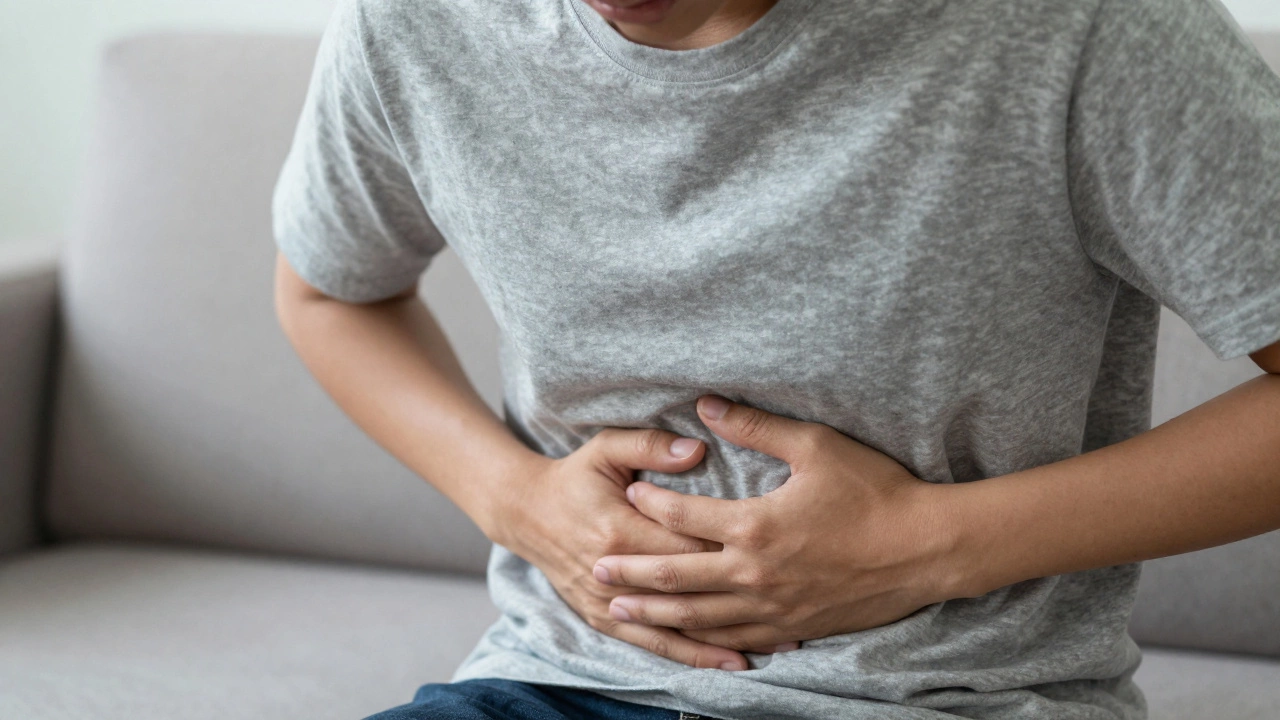
That tight, uncomfortable feeling in your stomach after eating isn't just 'in your head.' If you've ever felt like your midsection swells up hours after a meal, you might be dealing with what many call a "gluten belly." It’s not a medical diagnosis, but it is a very real symptom for millions of people. The good news? You don't necessarily have to give up all your favorite foods forever. Understanding why this happens-and how to fix it-starts with looking at what’s actually going on inside your gut.
Many people assume that only those with Celiac disease suffer from gluten-related issues. That’s a myth. Non-Celiac Gluten Sensitivity (NCGS) affects a significant portion of the population, causing bloating, gas, and fatigue without damaging the intestinal lining. Then there’s the hidden culprit: FODMAPs. These are fermentable carbohydrates found in wheat that often cause more trouble than the gluten protein itself. Let’s break down exactly how to shrink that bloat and get back to feeling comfortable in your own skin.
Understanding the Root Cause of Bloating
To fix the problem, we first need to identify the trigger. For some, it is indeed Gluten, which is a family of proteins found in wheat, barley, and rye that gives dough its elasticity. When your body struggles to break down these proteins, they sit in your digestive tract longer, leading to inflammation and gas production.
However, for many others, the issue lies with Fructans, which are a type of carbohydrate (FODMAP) found in wheat that ferments rapidly in the gut. This fermentation process draws water into the intestine and produces gas, resulting in that distinct "balloon" sensation. Even if you aren’t sensitive to gluten specifically, high-FODMAP foods can cause identical symptoms. Recognizing this distinction is crucial because simply switching to gluten-free processed snacks won’t always solve the bloating if those snacks are still high in other irritants.
The 7-Day Reset Plan to Reduce Bloating
If you want to see quick results, a short-term elimination strategy works best. This isn’t about permanent restriction unless necessary; it’s about giving your gut a rest so you can identify triggers. Here is a practical approach to resetting your digestion:
- Eliminate Wheat and Barley Completely: For one week, remove all sources of gluten. This includes bread, pasta, beer, and sauces that use wheat as a thickener.
- Cut Back on High-FODMAP Foods: Avoid onions, garlic, cauliflower, and legumes during this reset. These are common gas producers even for people without gluten sensitivity.
- Hydrate Aggressively: Drink at least two liters of water daily. Water helps flush out excess sodium and aids in moving waste through the digestive system efficiently.
- Increase Soluble Fiber Gradually: Add oats (if certified gluten-free), psyllium husk, or chia seeds. Soluble fiber forms a gel that soothes the gut lining and regulates bowel movements.
- Manage Stress Levels: Gut health is directly linked to brain health via the vagus nerve. High cortisol levels slow down digestion, leading to stagnation and bloating. Try ten minutes of deep breathing before meals.
Navigating the Gluten-Free Food Trap
Here is where many people go wrong. They buy bags labeled "Gluten-Free" thinking they are safe, only to find themselves bloated again. Why? Because many gluten-free products are made with rice flour, tapioca starch, or potato starch. While these are naturally gluten-free, they are often low in fiber and high in glycemic index. This can lead to blood sugar spikes and further digestive distress.
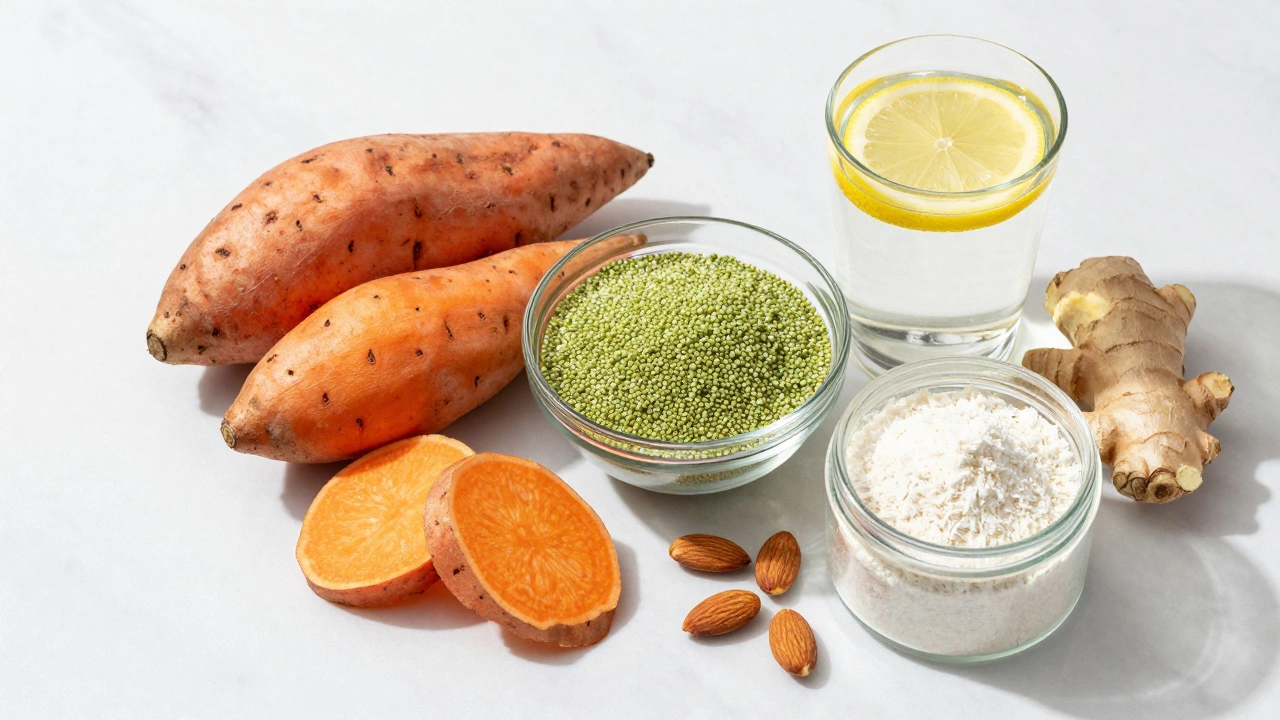
Instead of relying on processed gluten-free junk food, focus on whole, single-ingredient foods. Sweet potatoes, quinoa, buckwheat, and rice are excellent staples. When you bake or cook, prioritize ingredients that support gut health rather than just avoiding gluten. For example, using almond flour or coconut flour in your baking provides healthy fats and fiber that promote satiety and reduce inflammation.
| Flour Type | Gluten Content | Fiber Level | Bloating Risk | Best Use Case |
|---|---|---|---|---|
| Wheat Flour | High | Moderate | High (for sensitive individuals) | Traditional baking (avoid if sensitive) |
| Rice Flour | None | Low | Low (but low nutrient density) | Pancakes, light cakes |
| Almond Flour | None | Moderate | Very Low | Brownies, muffins, cookies |
| Oat Flour (Certified GF) | None | High | Low (if tolerated) | Smoothies, hearty breads |
| Coconut Flour | None | Very High | Low (absorbs excess liquid) | Dense cakes, pancakes |
Gut-Friendly Ingredients That Help
While removing irritants is step one, adding healing agents is step two. Your gut lining needs nutrients to repair itself. Incorporating specific foods can actively reduce inflammation and speed up digestion.
- Ginger: A natural prokinetic, ginger stimulates the movement of food from the stomach to the small intestine. Adding fresh ginger to teas or smoothies can significantly reduce bloating time.
- Fennel Seeds: Chewing on a teaspoon of fennel seeds after a meal is an ancient remedy for gas. It relaxes the muscles of the gastrointestinal tract.
- Probiotic-Rich Foods: Sauerkraut, kimchi, and kefir introduce beneficial bacteria that help break down difficult-to-digest compounds. Start with small amounts to avoid initial gas flare-ups.
- L-Glutamine: This amino acid is the primary fuel source for the cells lining your intestines. It helps seal leaky gut junctions, reducing systemic inflammation.
Baking Without the Bloat: Practical Tips
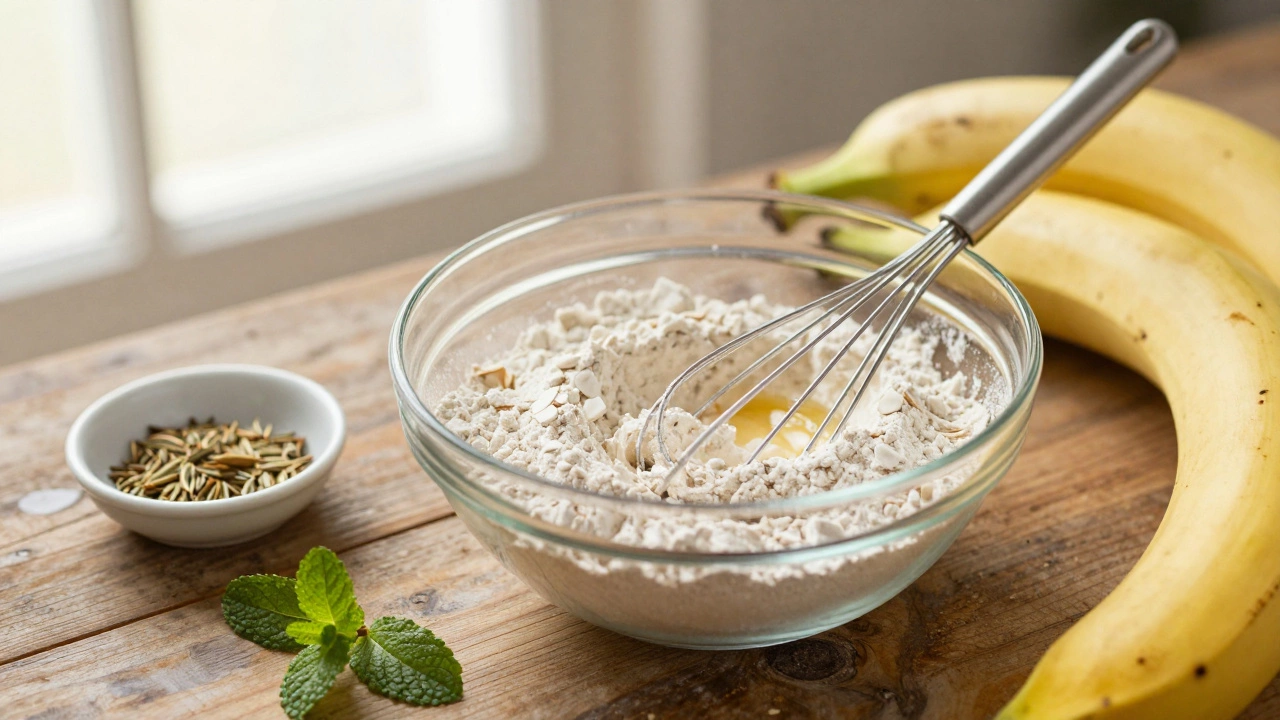
You don’t have to sacrifice dessert to save your stomach. In fact, learning to bake gluten-free properly can be a game-changer. The key is binding and moisture management. Since gluten provides structure, its absence requires alternative binders like xanthan gum or eggs. However, overusing xanthan gum can sometimes cause gas in sensitive individuals. Experiment with psyllium husk powder as a binder instead; it’s gentler on the gut and adds soluble fiber.
When making Gluten-Free Cakes, which are desserts made without wheat, barley, or rye, often using nut flours or rice blends, consider using applesauce or mashed bananas for moisture. These natural sweeteners also provide pectin, a prebiotic fiber that feeds good gut bacteria. Avoid heavy creams and excessive sugars, which can feed yeast overgrowth (Candida), another common cause of abdominal distension.
When to See a Doctor
Self-diagnosis has limits. If your bloating is accompanied by weight loss, chronic diarrhea, blood in stool, or severe pain, you need professional medical evaluation. Conditions like Irritable Bowel Syndrome (IBS), Small Intestinal Bacterial Overgrowth (SIBO), or Celiac Disease require specific treatments beyond dietary tweaks. A gastroenterologist can perform breath tests and blood work to pinpoint the exact cause. Don’t ignore persistent symptoms; early detection prevents long-term damage.
How long does it take for a gluten belly to go away?
For most people with mild sensitivity, noticeable reduction in bloating occurs within 3 to 5 days of eliminating gluten and high-FODMAP foods. However, complete gut healing and resolution of chronic inflammation may take several weeks to months, depending on the severity of the sensitivity and individual metabolism.
Can I eat gluten-free bread every day?
You can, but choose wisely. Many commercial gluten-free breads are high in refined starches and additives that can still cause bloating. Opt for brands with simple ingredient lists, such as those based on sprouted grains, almond flour, or seed-based mixes. Homemade versions allow you to control the quality of binders and fats used.
Is oatmeal safe for someone with a gluten belly?
Pure oats are naturally gluten-free, but they are often cross-contaminated with wheat during processing. Always look for "Certified Gluten-Free" labels. Additionally, some people with NCGS react to avenin, a protein in oats similar to gluten. If oats cause bloating, switch to quinoa flakes or certified gluten-free buckwheat groats.
What drinks help reduce bloating quickly?
Peppermint tea, ginger tea, and plain warm water with lemon are effective. Peppermint contains menthol, which relaxes intestinal muscles and reduces spasms. Ginger speeds up gastric emptying. Avoid carbonated beverages, sugary sodas, and alcohol, as these introduce gas and irritate the gut lining.
Does exercise help with gluten belly?
Yes, gentle movement like walking or yoga can stimulate peristalsis (the wave-like muscle contractions that move food through the digestive tract). This helps release trapped gas and reduces the feeling of fullness. Avoid intense workouts immediately after eating, as this can divert blood flow away from digestion and worsen discomfort.