Brownie Evolution Timeline
Instructions: Click on any era to explore how brownies evolved from simple chocolate cakes to the beloved treat we know today.
Did You Know?
Click on different eras above to discover fascinating facts about brownie history!
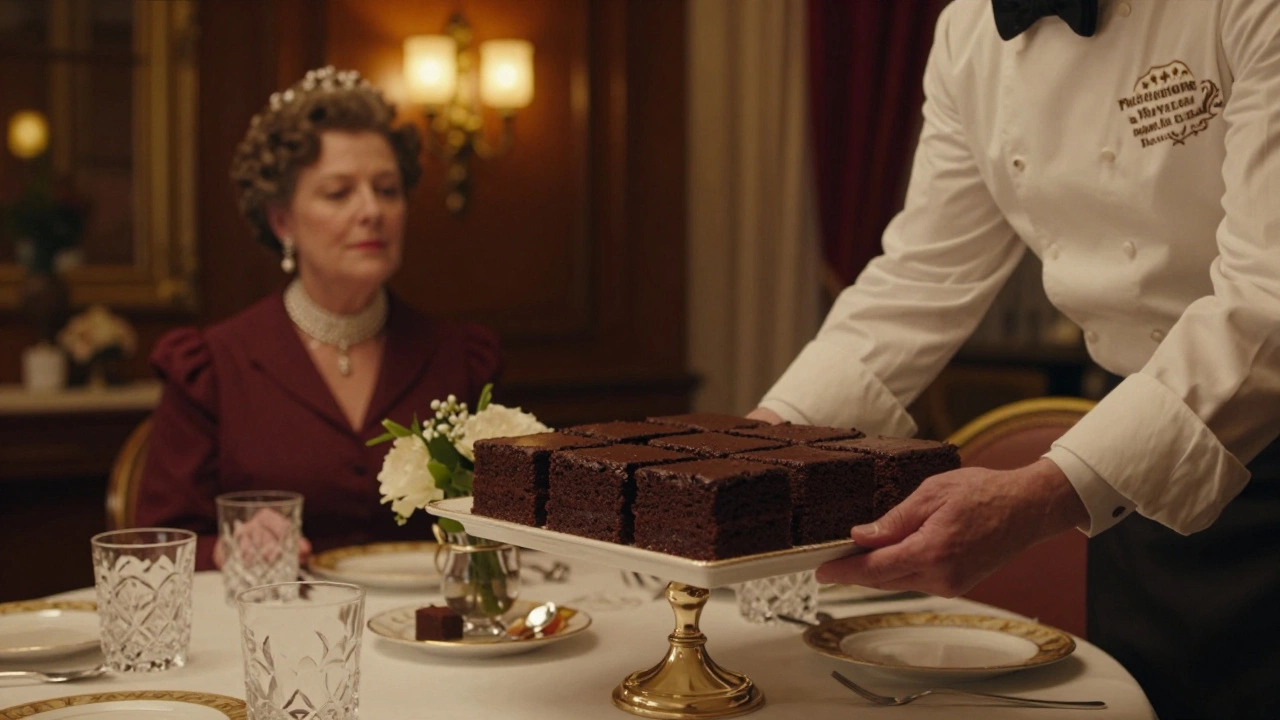
Picture this: It’s the early 1900s. You’re at a fancy hotel in Chicago, and someone asks for a dessert that is small enough to be eaten with your hands but rich enough to satisfy a sweet tooth. The chef panics. There’s no recipe for this specific thing yet. What happens next changes American baking forever.
We eat billions of them every year. They are sold in boxes, baked in home ovens, and even turned into ice cream flavors. But if you ask ten people where the origin of the brownie actually lies, you’ll get ten different stories. Some say it’s British. Others claim it’s purely an American accident. The truth? It’s a mix of both, wrapped up in a bit of culinary drama involving a wealthy socialite and a very hungry president.
The Great Debate: Cake or Bar?
To understand where brownies came from, we first have to look at what they weren’t. Before the word "brownie" existed in cookbooks, there were chocolate cakes. Specifically, there was the "chocolate drop cake" or "chocolate fudge cake." These were dense, moist, and usually sliced like a traditional layer cake. The key difference between these ancestors and the modern brownie wasn't just the texture; it was the format. People wanted something portable. Something you could grab on the go without needing a fork and plate.
This shift from slice-to-fork to hand-held snack was driven by two main factors: the rise of women’s clubs in the United States and the need for efficient catering. In the late 19th century, as more women entered public life through organizations like the Women’s Christian Temperance Union, they needed desserts that were easy to serve at meetings. A delicate sponge cake was risky. A dense, sturdy chocolate bar? Perfect.
Bertha Palmer and the Presidential Request
If you want a name attached to the birth of the brownie, most food historians point to Bertha Honoré Palmer. She was the owner of the Palmer House Hotel in Chicago and a powerful figure in society. The story goes like this: In 1893, during the World’s Columbian Exposition (also known as the Chicago World’s Fair), President Grover Cleveland visited the hotel. He requested a dessert that was "small enough to be eaten with one’s fingers."
The hotel’s pastry chef, often cited as Jennie Medora Edwards, created a square piece of chocolate cake. It was dense, slightly underbaked to keep it moist, and cut into squares. This moment is widely considered the "official" birth of the brownie. While some historians argue that the term "brownie" might not have been used immediately, the concept-a handheld chocolate treat-was born right there in Chicago. Bertha Palmer herself later claimed credit for inventing the brownie in her memoirs, adding fuel to the fire.
The Name Game: Why "Brownie"?
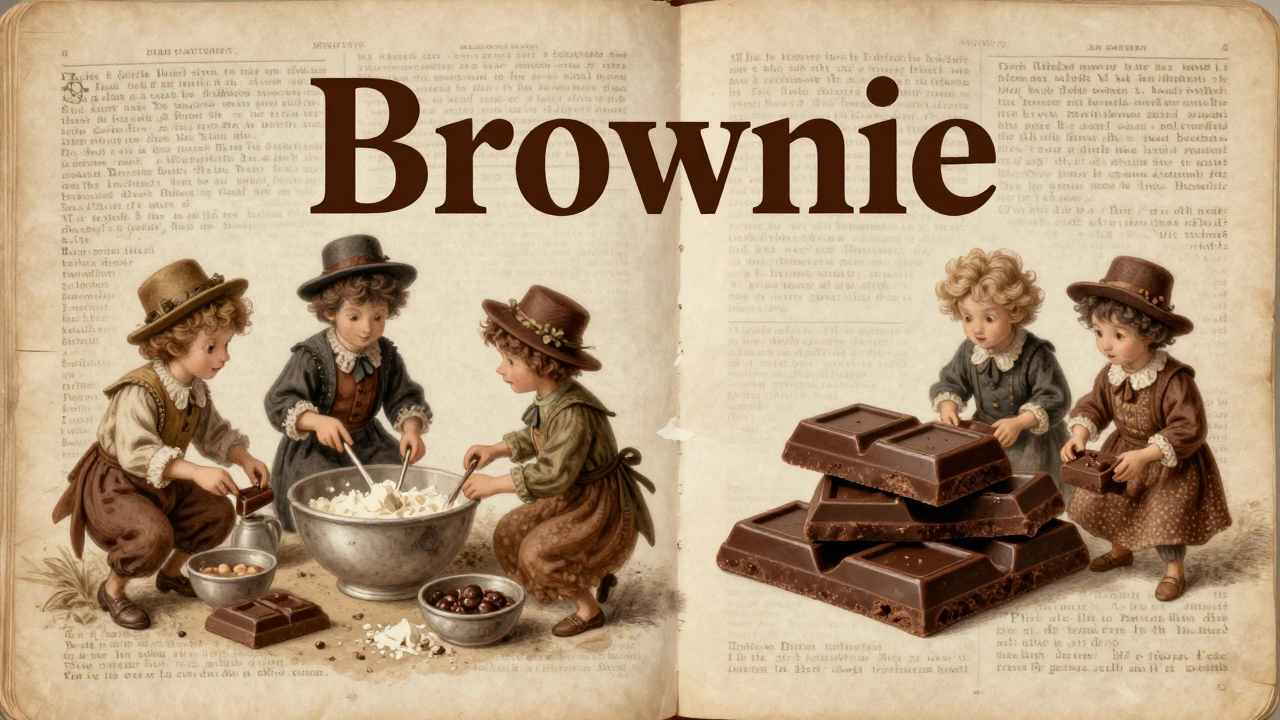
So, why did we call it a brownie? The name didn’t come from the color alone. In the late 19th and early 20th centuries, "brownies" were popular characters in children’s literature. Arthur Conan Doyle wrote a series of books about helpful, mischievous little creatures called Brownies. These characters were everywhere in pop culture at the time.
Food writers started using the term "brownie" to describe various small, homemade treats. By the 1910s, "brownie" had become a generic term for any small, dark, homemade cake. The connection between the mythical creature and the dessert was likely made because both were seen as comforting, humble, and slightly magical in their own way. It was a marketing stroke of genius, even if accidental.
| Era | Dessert Type | Key Characteristic |
|---|---|---|
| Pre-1890s | Chocolate Drop Cake | Sliced, served with forks, lighter texture |
| 1893 | Palmer House Square | Handheld, dense, created for President Cleveland |
| 1910s | Named "Brownies" | Term adopted from Arthur Conan Doyle's characters |
| 1920s | Mass Production | Boxed mixes introduced, standardization begins |
The Role of Baking Powder vs. No Baking Powder
One of the biggest debates among brownie lovers today is texture: cakey or fudgy? This split has roots in the early days of the dessert. Early recipes varied wildly. Some used baking powder to make them rise and become airy (cakey). Others relied solely on the fat content of butter and chocolate to create a dense, chewy result (fudgy).
In the 1920s, as boxed cake mixes became popular, companies like Betty Crocker began standardizing recipes. They often included leavening agents, pushing the brownie toward a cakier profile. However, home cooks who preferred the intense chocolate flavor of the original Palmer House style resisted. They kept making their versions without baking powder, resulting in the dense, crackly-top brownies we crave today. This tension between convenience (cakey) and tradition (fudgy) still defines how we bake brownies now.
Global Influences and Misconceptions
While the United States claims the brownie, other countries have similar desserts that predate it. For example, the British "Victoria Sponge" often includes chocolate variations, and French cuisine has "gateau au chocolat." However, these were typically layered cakes or mousses, not the single-layer, bar-style cookie-cake hybrid that defines the brownie.
It’s also worth noting that cocoa powder itself was becoming more accessible in the US during this period. Before the invention of Dutch-process cocoa and mass-produced baking chocolate, making a consistent chocolate dessert was difficult. The industrialization of chocolate production in the late 1800s made ingredients like Hershey’s Cocoa available to the average household, which directly enabled the spread of brownie recipes beyond elite hotels.
From Hotel Treat to Household Staple
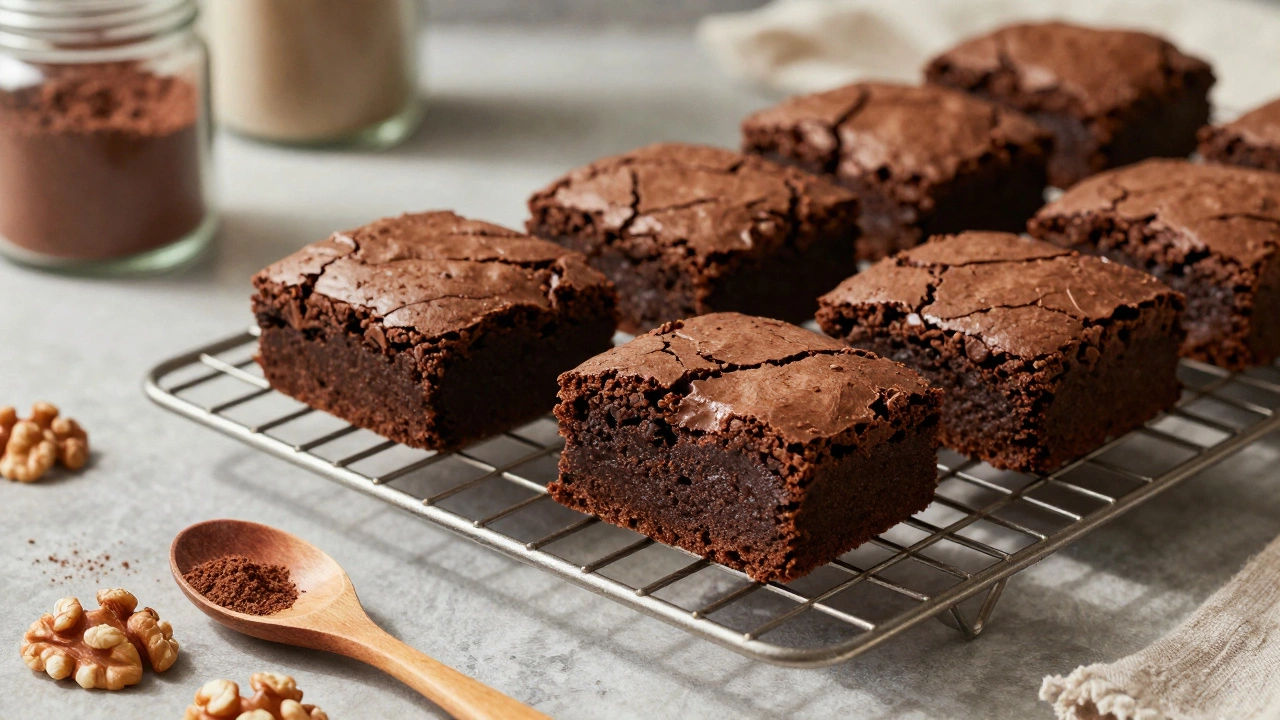
By the 1930s, the brownie was firmly established in American kitchens. Cookbooks from the Depression era featured brownies because they were cheap to make. You needed basic pantry staples: flour, sugar, eggs, butter, and cocoa. During World War II, rationing affected butter and sugar supplies, but brownies remained popular because they could be adapted with substitutes. This resilience helped cement their place in family traditions.
The mid-20th century saw the rise of add-ins. Walnuts became a classic addition, likely due to their availability and ability to add crunch to a soft dessert. Later, peanut butter, white chocolate chips, and even savory ingredients like bacon joined the list. Each variation tells a story about changing tastes and ingredient availability over decades.
Why the Origin Matters Today
Knowing where brownies came from isn’t just trivia. It helps us appreciate why they taste the way they do. The density comes from the original request for a handheld treat. The name reflects the cultural zeitgeist of the early 1900s. The debate over texture mirrors the broader history of American baking-balancing tradition with innovation.
Next time you pull a tray of brownies out of the oven, remember Bertha Palmer and President Cleveland. You’re not just eating a dessert; you’re tasting a piece of culinary history that evolved from a presidential whim into a global phenomenon.
Who invented the brownie?
While there is no single inventor, the brownie is most famously associated with Bertha Palmer, owner of the Palmer House Hotel in Chicago. Legend says her pastry chef created a handheld chocolate cake for President Grover Cleveland in 1893. Earlier forms of chocolate drop cakes existed, but this event popularized the square, handheld format.
Are brownies originally British or American?
Brownies are primarily an American invention. While Britain has a long history of chocolate cakes, the specific format of the brownie-a dense, square, handheld bar-emerged in the United States in the late 19th century. The name "brownie" also gained traction in American cookbooks and media during the early 1900s.
Why are they called brownies?
The name likely comes from the popularity of "brownies"-helpful, mischievous creatures-in children’s literature by authors like Arthur Conan Doyle in the late 19th century. The term was applied to small, homemade treats, including chocolate ones, eventually sticking specifically to the chocolate bar.
What is the difference between a brownie and a blondie?
A blondie is essentially a brownie without chocolate. Instead of cocoa or melted chocolate, blondies use brown sugar and butter as the primary flavor base, often with add-ins like vanilla, nuts, or fruit. They emerged later than brownies, gaining popularity in the 1970s and 80s.
When did brownies become popular?
Brownies began appearing in cookbooks in the early 1900s, but they became a household staple in the 1920s and 1930s. Their affordability and ease of preparation made them especially popular during the Great Depression. By the mid-20th century, they were a standard part of American baking.